
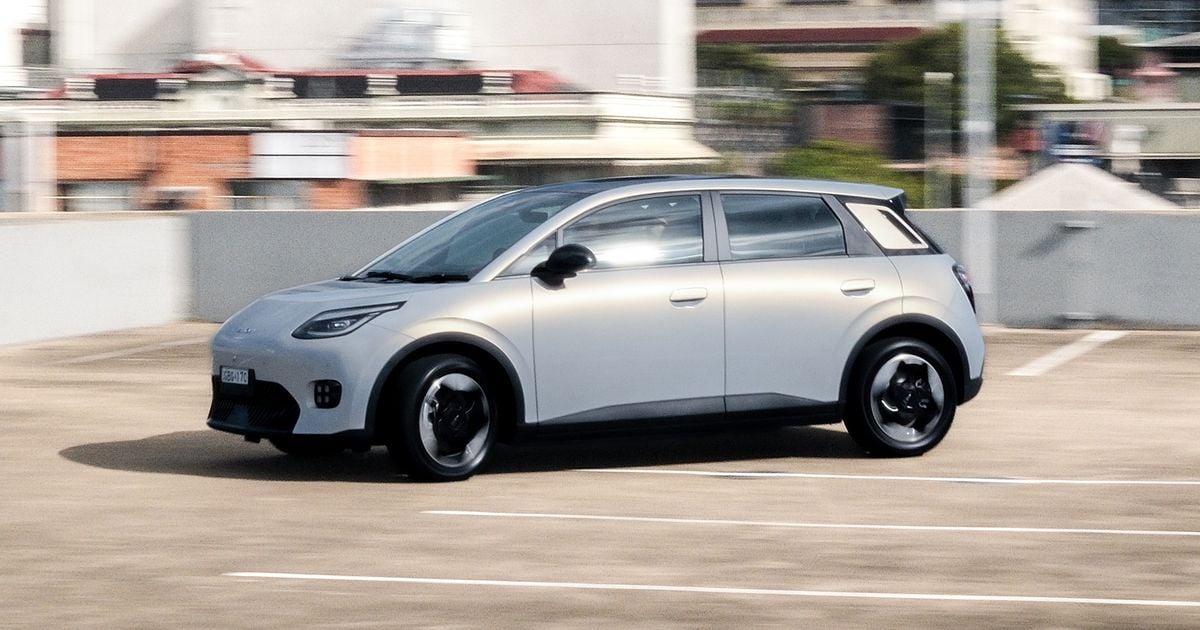
Not to be dramatic, but the GAC Aion UT is everything that is wrong with Chinese cars today… and everything that’s right.
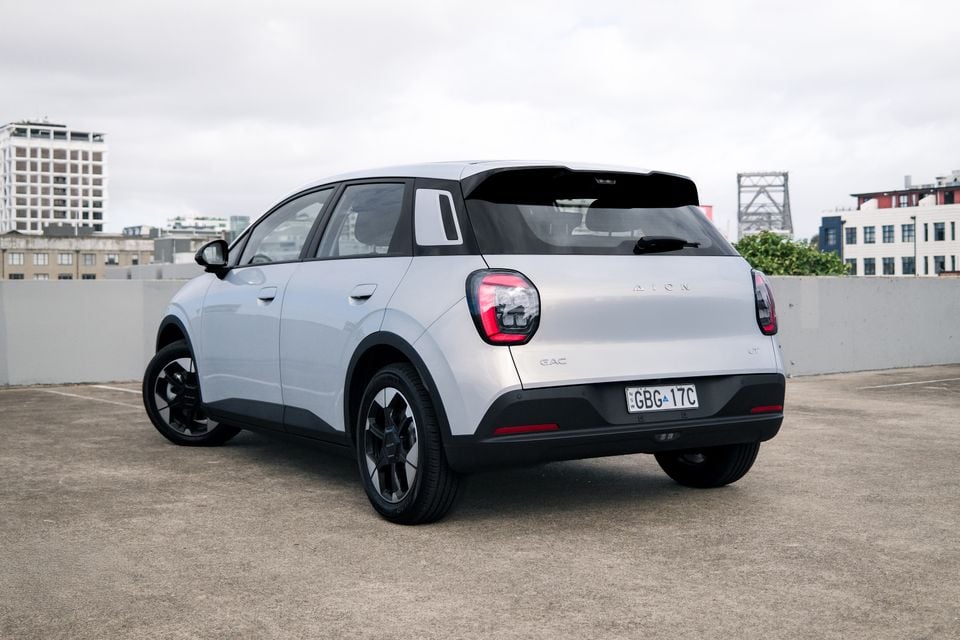
It’s a value-packed, affordably priced small electric hatchback which, combined with solid range and performance, makes non-Chinese brands look out of touch.
On the other hand, in some respects it’s a dystopian nightmare to sit in and drive.
So, does that shake out to a vehicle that on balance is actually decent? And does it stand out in a segment that is rapidly gaining entrants in Australia?
Before we get into the nuts and bolts of the new electric hatch, which arrived here earlier this year, let’s get really superficial.
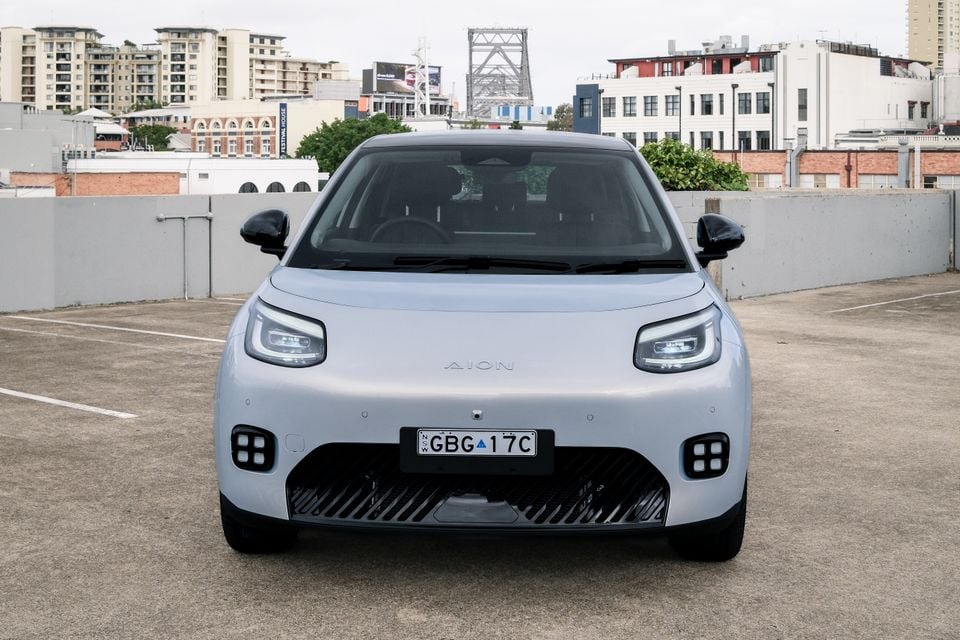
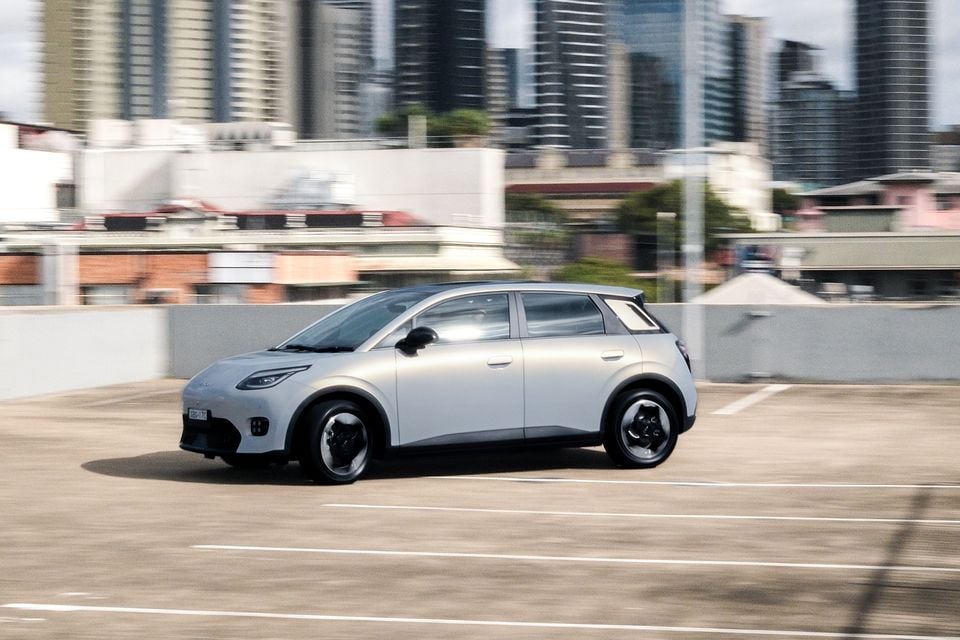
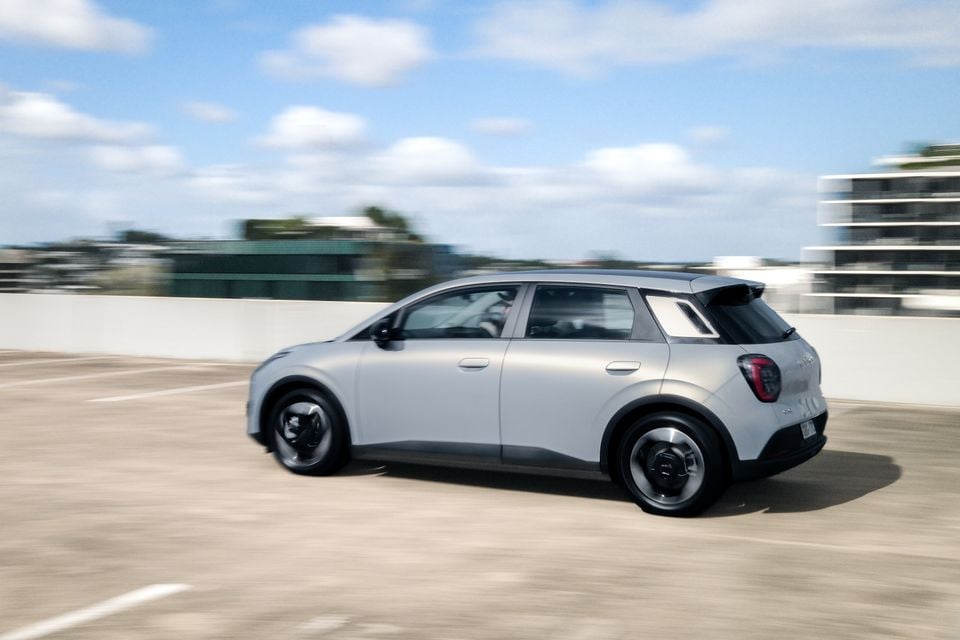
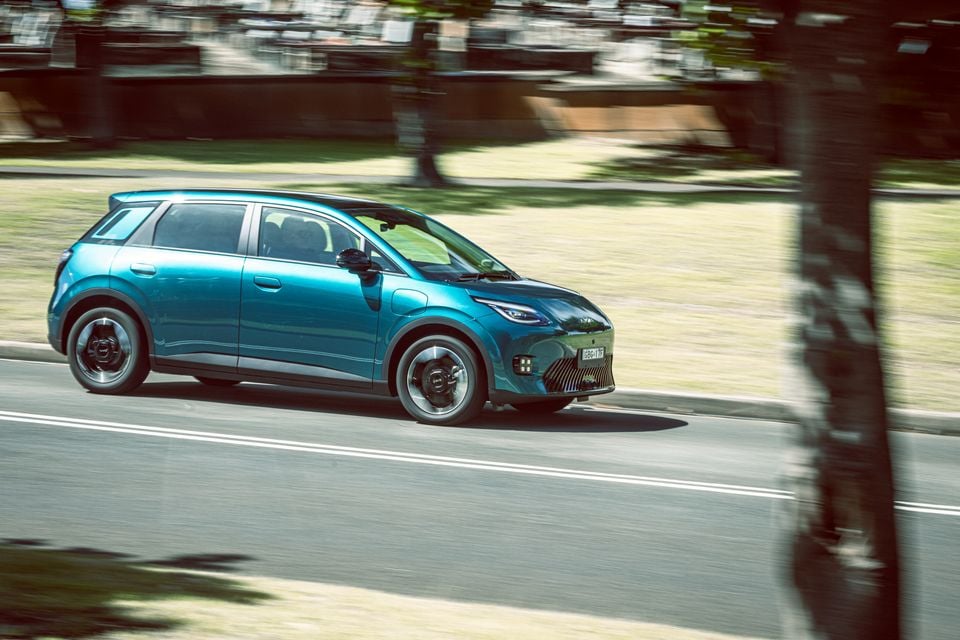
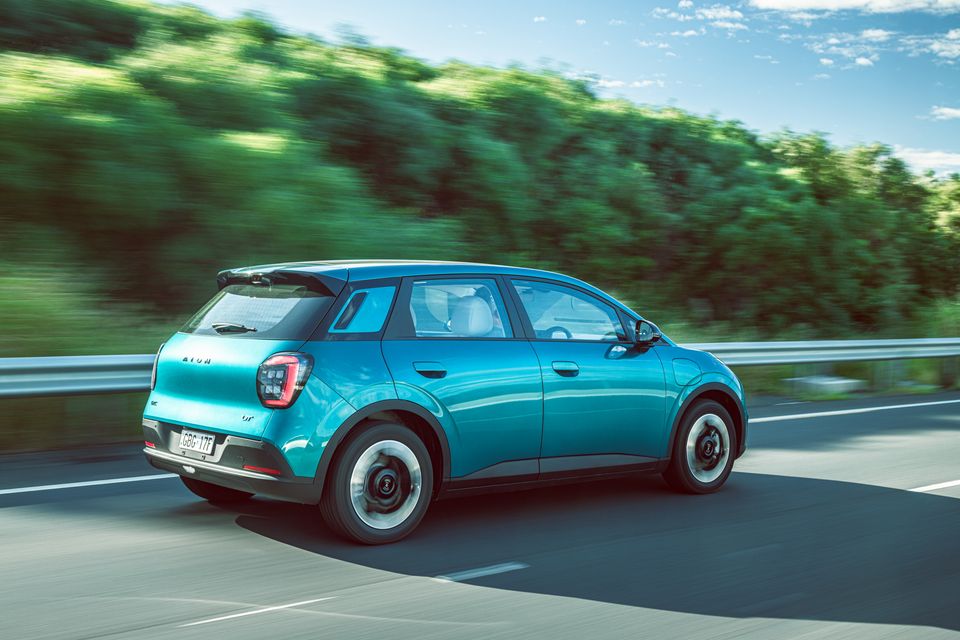
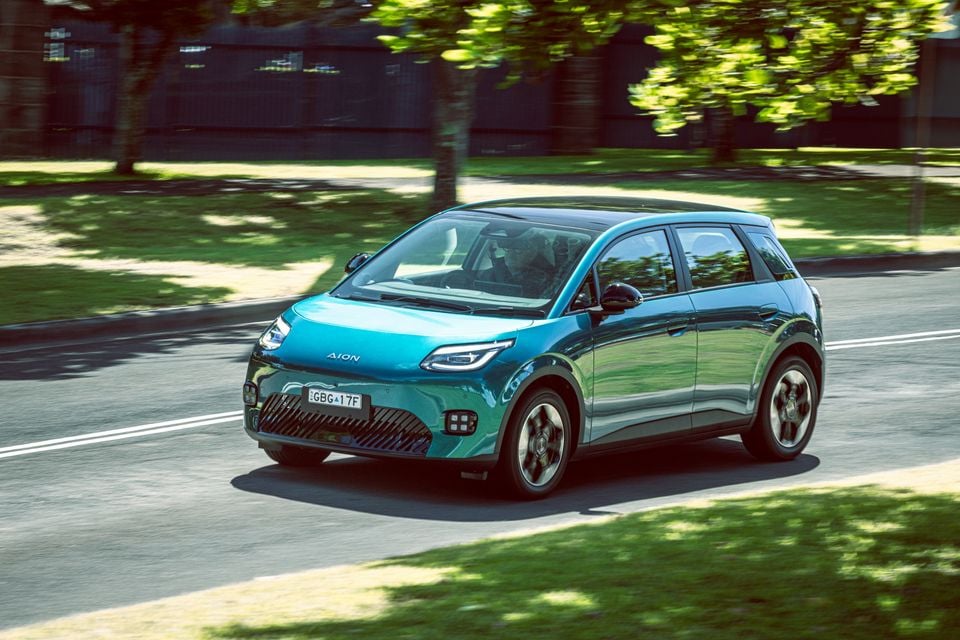
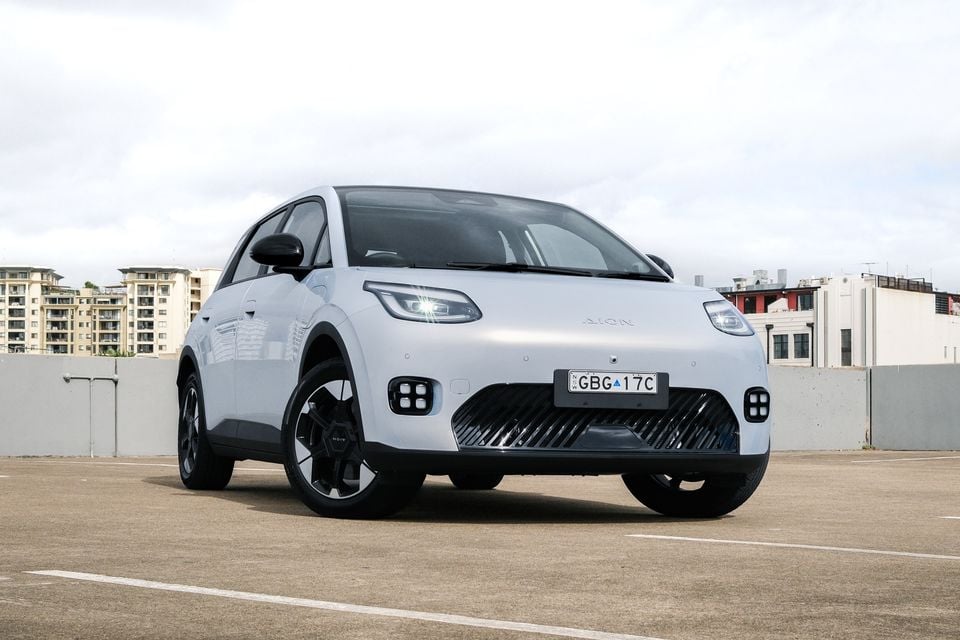
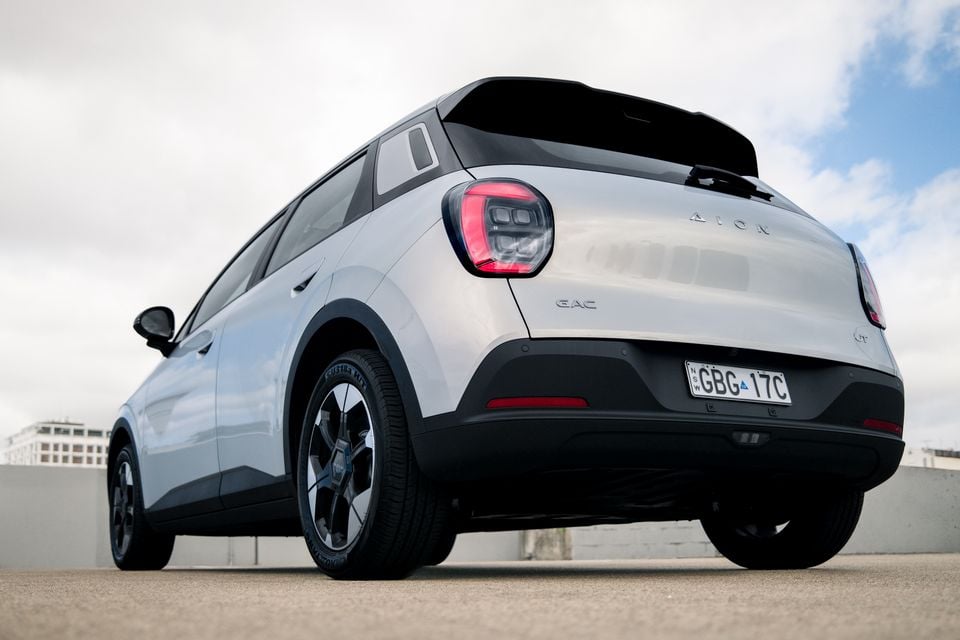
This is actually quite a good-looking – dare I say cute? – car in my eyes.
Frankly, all of these small Chinese electric hatchbacks look quite similar, from the BYD Dolphin to the upcoming Chery Q and Geely EX2 and the newly launched MG 4 EV Urban.
And yet despite having familiar styling, the Aion UT is arguably the tidiest looker of the lot. Our tester’s Seine Silver paint further enhances the styling, being a bluish silver with a gold shine.
For context, the Aion UT is 105mm shorter than a Toyota Corolla at 4270mm long, but has a 110mm longer wheelbase at 2750mm and measures 60mm wider at 1850mm.
How much does the GAC Aion UT cost?
The Aion UT range opens with the Premium, priced at $31,990 before on-road costs. However, this is currently being offered for $32,990 drive-away for vehicles delivered by June 30, 2026.
| Model | Price before on-road costs |
|---|---|
|
2026 GAC Aion UT Premium |
$31,990 |
|
2026 GAC Aion UT Luxury |
$35,990 |
The other member of the Aion UT range is the one you see here: the Luxury, priced at $35,990 before on-road costs or $37,590 drive-away.
Find your perfect new car with CarExpert
Premium paint is an extra $600, while two-tone exterior options cost $1000.
The Geely EX2 and Chery Q have yet to be priced for Australia, but the BYD Dolphin is priced at $29,990 before on-road costs in Essential trim and $36,990 plus on-roads in Premium trim, and the MG 4 EV Urban is priced at $31,990 drive-away in Essence 43 guise and $34,990 drive-away as an Essence 54.
The top-spec Toyota Corolla ZR hybrid costs $39,100 plus on-roads. Currently, you won’t find any small electric hatchbacks in Australia from non-Chinese brands apart from Mini, and its vehicles are considerably more premium-priced propositions.
To see how the GAC Aion UT lines up against the competition, check out our comparison tool
What is the GAC Aion UT like on the inside?
There’s a pervasive trend among Chinese brands to draw far too much inspiration from Tesla, as if its vehicles are bastions of usability.
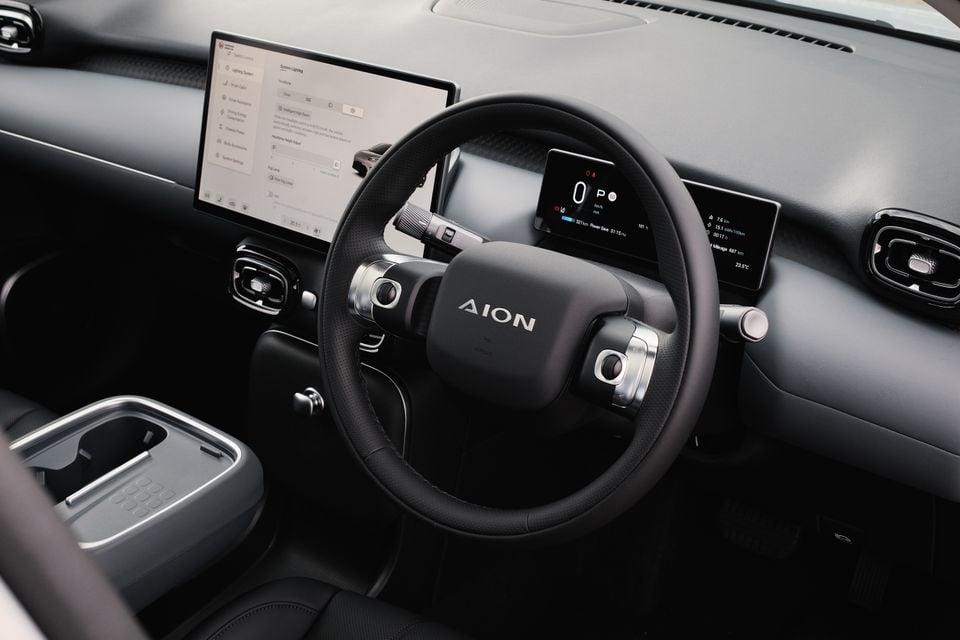
Before any Tesla stans come at me and argue their beloved brand’s way trumps all, let’s just consider the fact that you can get used to anything. You could probably get used to walking around with a small boulder attached to your back.
But to somebody who isn’t coming into an Aion UT from a Tesla, or a Leapmotor, or a Geely, or – well, you get the picture – this small hatchback is going to have one steep learning curve.
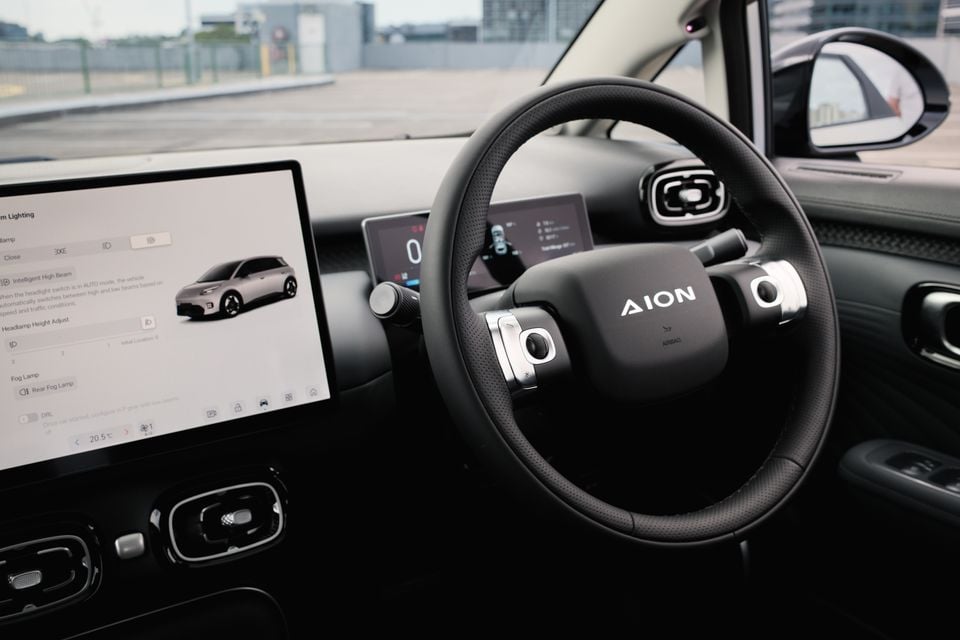
Look at the dashboard and try to find a single button. No, that big silvery thing that looks like a button isn’t one.
Even the hazard light button is located on the roof, which is where you would think a switch would exist for the sunshade. You’d be wrong – that’s done via the touchscreen, or via voice prompt which yields an amusingly broken English reply (‘Sunshades is turned off’).
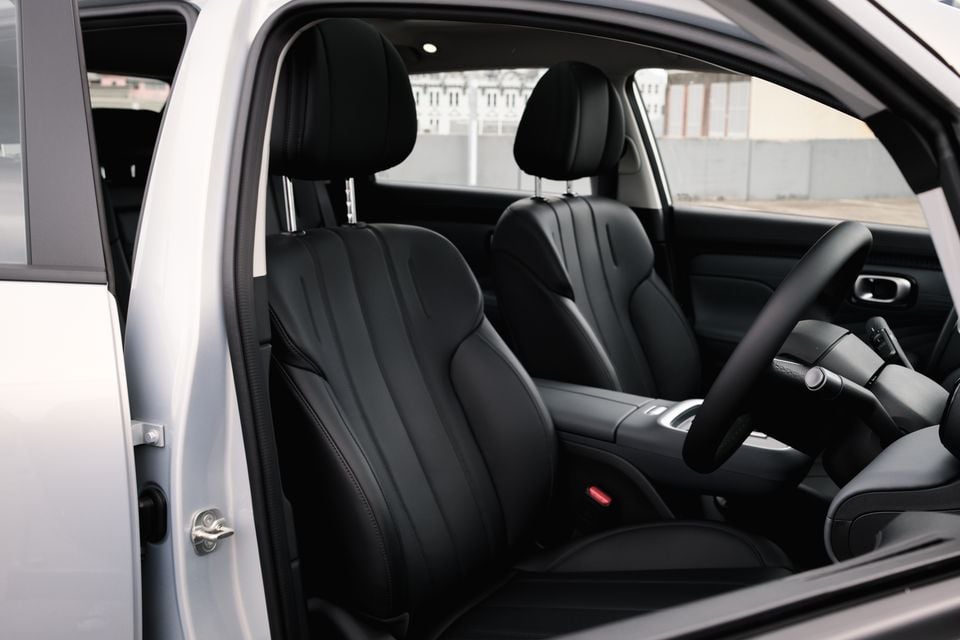
Want to adjust your lights? That’s done via the touchscreen. Mirrors? Touchscreen. Locks? You guessed it – the touchscreen. The controls appear on the home screen, but why are there no physical switches at all for these key functions?
The door locks can’t be controlled using voice commands, which is clearly the manner in which GAC expects you to be using most functions. I can’t say I know many people who enjoy using voice commands in their cars, and GAC’s voice assistant often just gives up when it doesn’t understand, saying “I’ll quit”.
It couldn’t even handle a simple request to turn the heated steering wheel off, sending me diving into touchscreen menus because, remember, there are no buttons.
Wireless Android Auto boots up immediately and has no issues maintaining a stable connection, though unusually none of the voice assistant features would work for me – this is the only vehicle I’ve had this issue in, and the next car I stepped into had no such issues.
This meant that during my time with the GAC I couldn’t have Google read out my messages or answer questions.
One press of a button allows the anchored footer of the GAC’s native interface to remain on screen. And you’ll need this to access key functions like the locks and temperature and fan speed.
Regardless of what screen you’re in at any given time, however, the footer is small and fiddly even for those of us with excellent vision.
The GAC also has the same kind of embedded satellite navigation we’ve seen in vehicles from Geely and Leapmotor with out-of-date or irrelevant location data. My local cinema closed four years ago but still appears on the map…
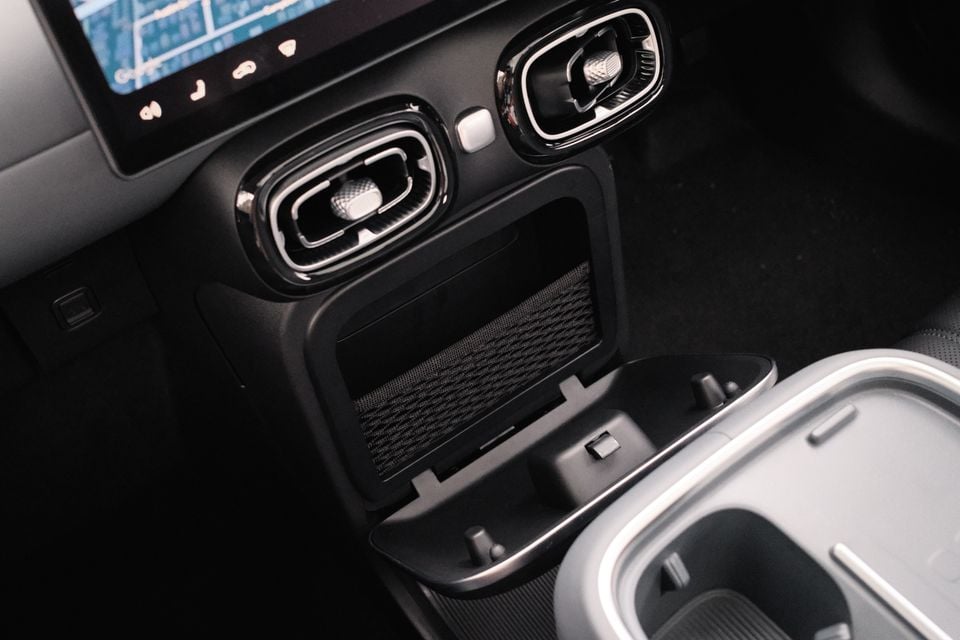
We’d love some physical climate controls. GAC’s entry-level SUV in Australia, the small Emzoom, gives you this, but the Aion UT doesn’t.
You do get a surprisingly large door that opens to reveal a pretty slim cubby with a net. You could fit a couple of phones in here, or perhaps your sunglasses, but it’s not a particularly useful space.
There is, however, an expansive shelf underneath, where you’ll also find the 120W and USB-C and USB-A outlets. The centre console also includes an extremely deep and spacious bin.
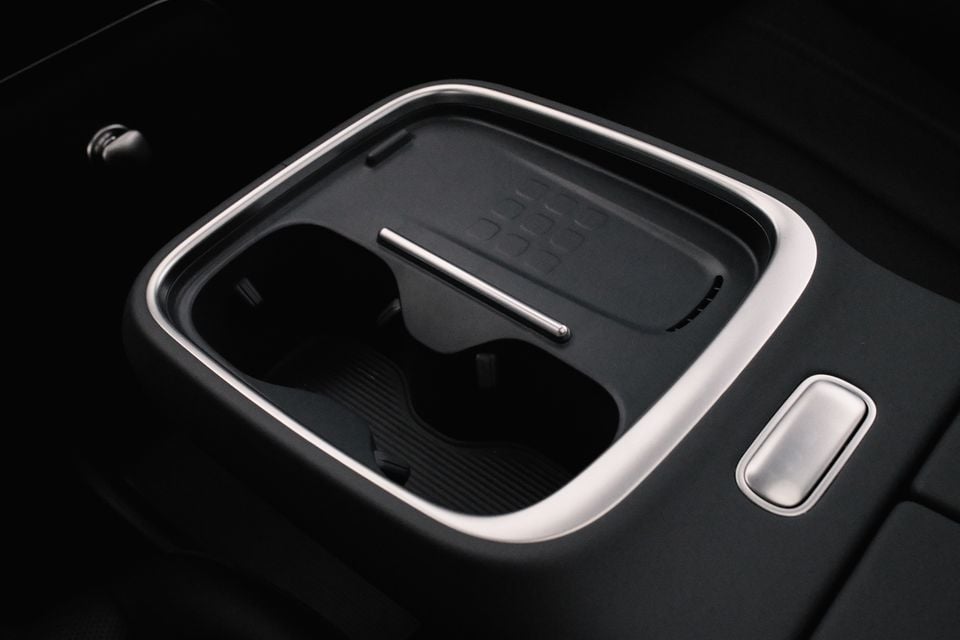
There’s a cooled wireless phone charger conveniently located on the centre console next to a pair of cupholders, and if you have bottles that won’t fit into these, you can pop them in the door pockets.
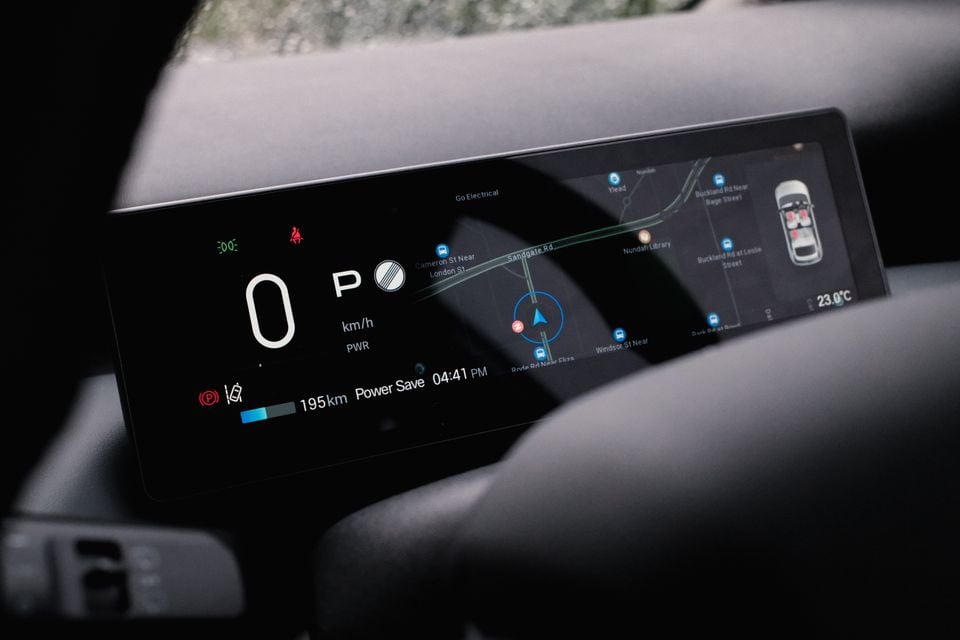
The digital instrument cluster is excellent. It’s slim but very legible, and you can toggle between multiple views including a map view.
The fixed glass roof allows a lot of light into the cabin, which is lovely on all bar the sunniest days. Fortunately, there’s a thick power sunshade.
You can get the Aion UT’s interior in French Cream and even Misty Lavender colourways, but ours was boring old black.
The soft-touch trim across the front of the dash, plus the padded door armrests and some of the hard plastic door trim are finished in grey which provides a tiny degree of contrast.
Adding visual interest are the diamond-pattern inserts across the dash and doors, the intricate speaker grilles, the silvery window controls with their gloss grey surrounds, and the faux stitching on the tops of the doors.
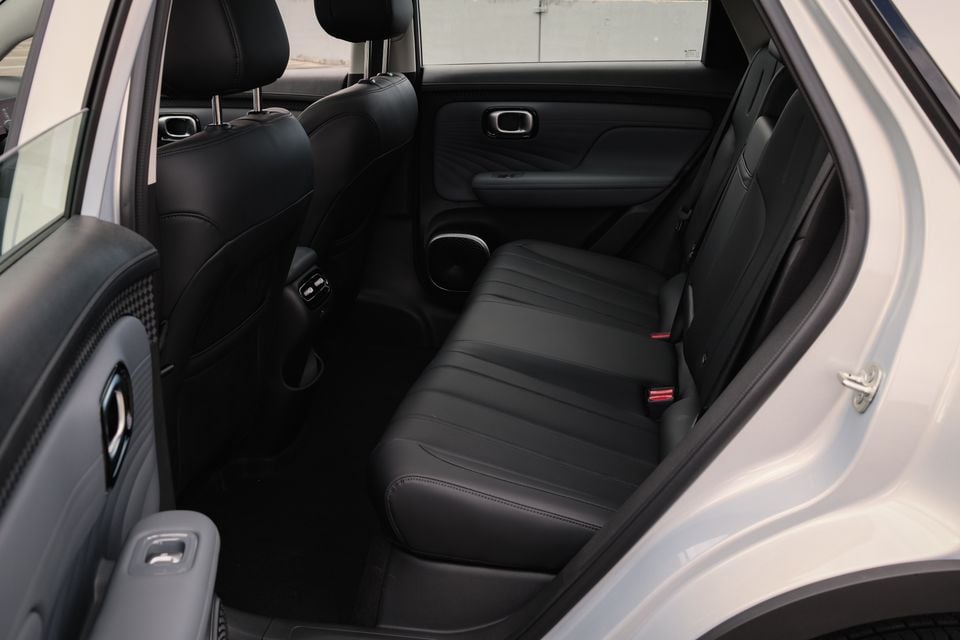
Step into the back and there’s plenty of room. Even with the driver’s seat moved back there’s ample legroom and knee room for someone 180cm tall.
A flat floor makes things more comfortable for a middle-seat occupant, though this part of the bench is raised slightly and taller occupants may find their head brushing the (quite nice) headliner. Even on the outboard seats, headroom may prove restrictive for passengers over 180cm tall.
The front seatbacks are soft and feature map pockets, while there are air vents, a small storage cubby and a USB-A outlet at the rear of the centre console. There’s also a centre armrest with a pair of cupholders, while you can slot a bottle into the doors.
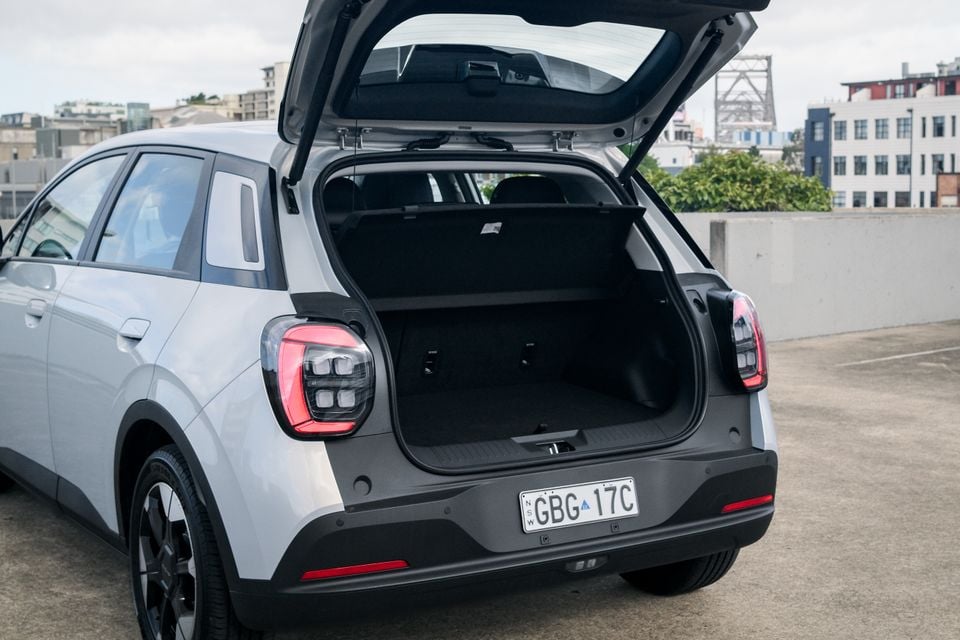
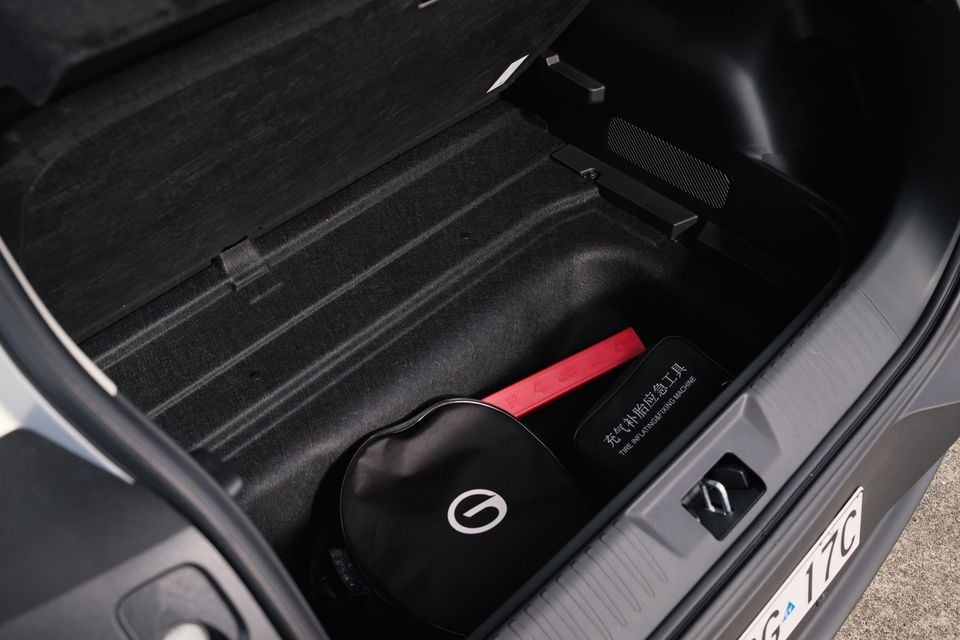
The boot doesn’t appear all that large at first, and GAC quotes 321 litres of cargo capacity. However, lift the boot floor and you’ll find a deep well where the charge cable is kept, and you can store other items in here with ease.
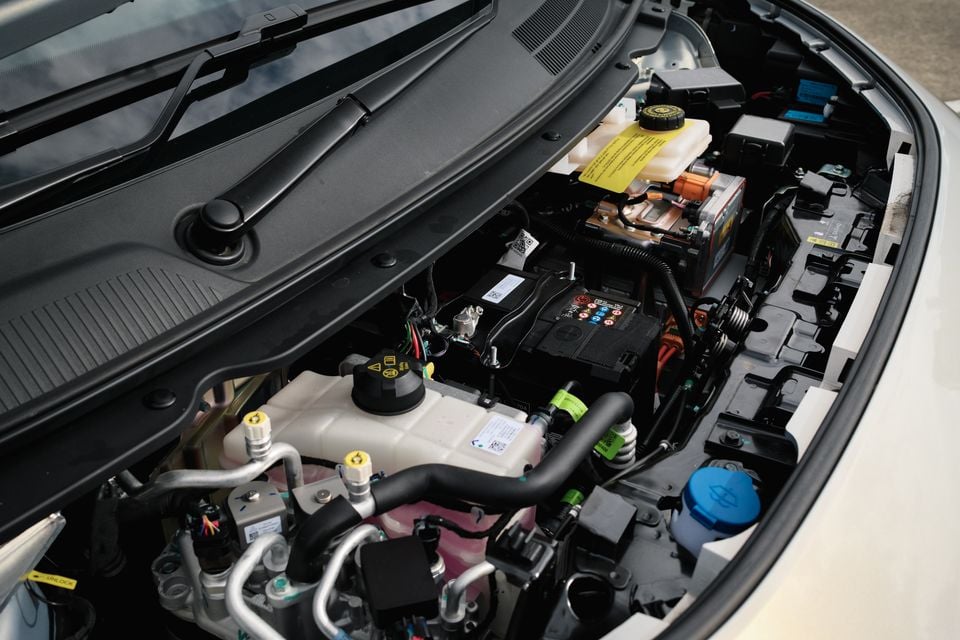
You won’t find any storage under the short bonnet, as if you lift this you’ll see only the electric motor.
| Dimensions | GAC Aion UT |
|---|---|
| Length |
4270mm |
| Width |
1850mm |
| Height |
1575mm |
| Wheelbase |
2750mm |
| Cargo capacity |
321L (rear seatbacks up) 689L (rear seatbacks folded) |
To see how the GAC Aion UT lines up against the competition, check out our comparison tool
What’s under the bonnet?
The GAC Aion UT is offered in Australia with just one battery and powertrain.
| Specifications | GAC Aion UT |
|---|---|
| Drivetrain |
Single-motor electric |
| Battery |
60kWh lithium iron phosphate |
| Power |
150kW |
| Torque |
210Nm |
| Drive type |
Front-wheel drive |
| Weight |
1670-1700kg |
| 0-100km/h (claimed) |
7.3 seconds |
| Energy consumption (claimed) |
16.4kWh/100km |
| Energy consumption (as tested) |
14.6kWh/100km |
| Claimed range (WLTP) |
430km |
| Max AC charge rate |
11kW |
| Max DC charge rate |
87kW |
We observed average energy consumption of 14.6kWh/100km, actually beating the official claim, though our time with the Aion UT consisted primarily of urban driving.
To see how the GAC Aion UT lines up against the competition, check out our comparison tool
How does the GAC Aion UT drive?
Based on our complaints of the Aion UT’s in-car tech, you might expect the safety technology to be aggravating, too.
Well, to our surprise, it’s not. Well, most of it isn’t. The driver fatigue detection didn’t even chime every time I yawned as it does in some cars, and the driver distraction detection was pretty accurate – for the most part, it only chimed when I was looking at the touchscreen.
These functions are handled by the camera built into the driver’s A-pillar; the other camera above the rear-view mirror is for child presence detection.
The lane-keep assist is fairly unobtrusive but the adaptive cruise control is a bit cautious, and isn’t controlled via a stalk or steering wheel controls.
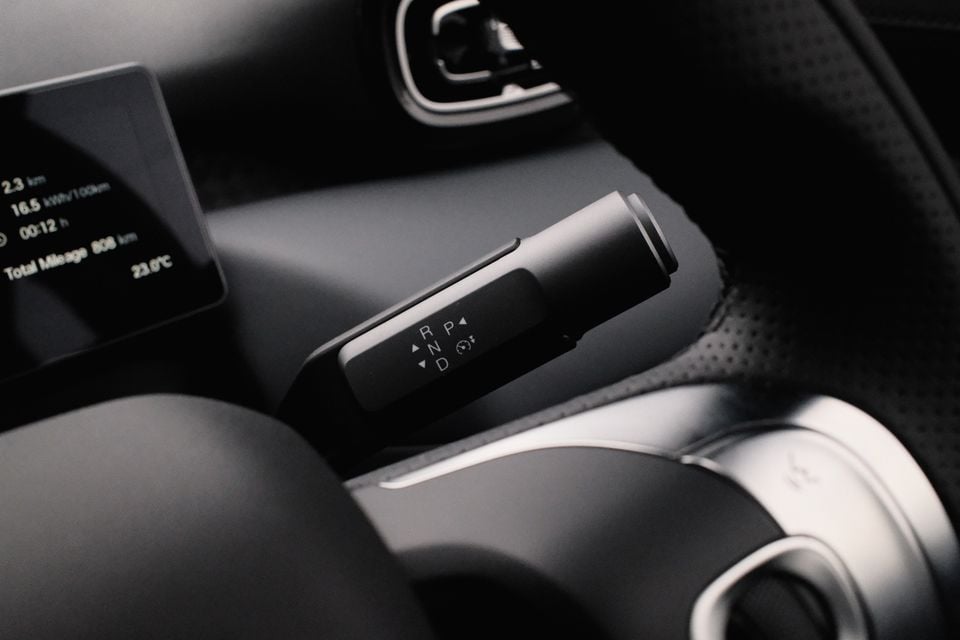
Instead, you actually push the column-mounted gear shifter stalk down, which is unnerving if you’re not a regular driver of vehicles – such as some Teslas – where this is the means of engaging cruise control.
From expert reviews to the right deal
CarExpert brings together reviews, research tools and trusted buying support, guiding you from research to delivery with confidence.
Changing your set speed or following distance is done via the unlabelled slide wheel/button on the right-hand side of the steering wheel, not the other unlabelled one on the left which is for volume and skipping tracks.
Integrated Cruise Assist pairs the adaptive cruise with a lane centring function. To activate this, you have to push the gear shifter down twice from Drive in quick succession – don’t pause in between.
Remember when you first taught an older relative to use a computer and they struggled with the concept of double-clicking? I felt like I was on the other end of that with the Aion UT.
Despite my issues activating it, it works fairly well though it’s still quite cautious with distance and slows down a bit too much for road bends. That’s quite a contrast with the GAC Emzoom I recently had, where its lane-centring function felt nervous and tugged on the steering wheel awkwardly.
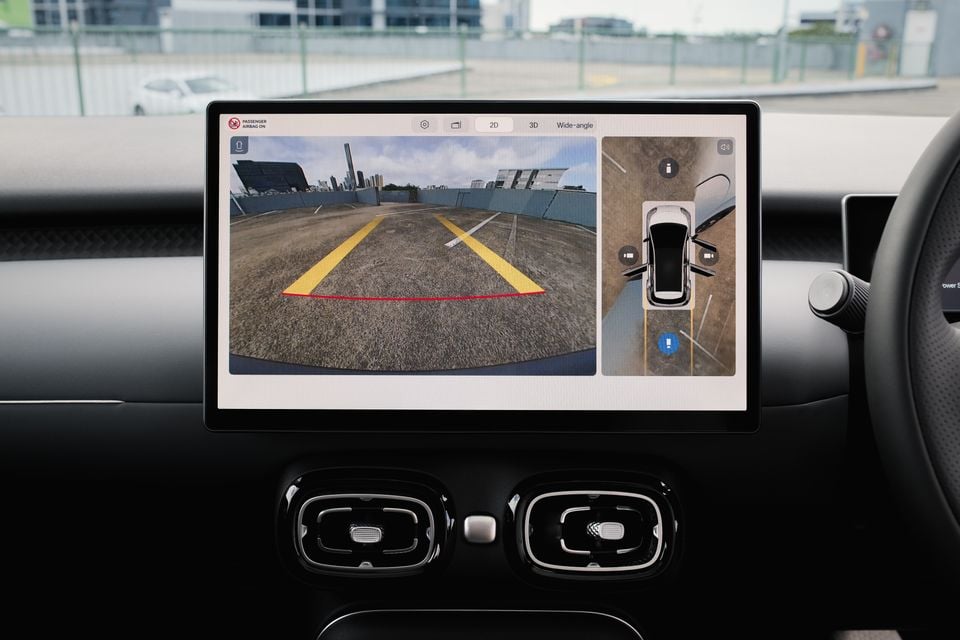
The camera quality is superb, with the Aion UT featuring a surround-view camera system with a transparent chassis mode. Chinese brands tend to nail camera quality, and GAC is no exception.
All is not entirely well on the safety system front, with the overspeed alert proving annoying and always defaulting to on. Fortunately, the chime for when a new speed limit is detected doesn’t default to on.
I was reading Josh Nevett’s launch review and chuckling that his car had a warning blare a non-existent passenger was too close to the dashboard. Somehow, reading this willed the same error into existence in my tester – and talk about a loud chime!
It sounded like a countdown timer was going off for a bomb in a movie. And no, there was no passenger in the seat. I just had to keep moving the jacket I had sitting on it… or drive with my hand covering the cabin camera.
It happened again the following day, and I’m at a loss to explain why it thought a laptop bag or a jacket was a living, breathing person. By the way, while most of these safety nannies can be turned off (albeit will switch back on when you restart the car), this feature appears to be unable to be deactivated.
Set all these safety systems aside and the Aion UT drives quite well. It’s punchy off the line, offering the instant torque EVs are known for.
All you’ll hear is a subtle whirring from the electric motor, while at highway speeds there’s only a bit of wind noise with the tyres not making much noise at all.
You will hear the Chaoyang rubber scrambling for grip in the wet, though, and this car would really benefit from better tyres.
There are three drive modes: Comfort, Sport and Power Save. The latter is intended to be more of a single-pedal drive mode but you’ll still find yourself pressing the brake, as the regenerative braking isn’t that strong.
The steering doesn’t have an abundance of feel, but even in the lightest of its two weights it has an appropriate amount of heft – not unnervingly light, but not so heavy that it’s awkward to steer around tight spaces.
The Aion UT feels nimble and zippy, and while it’s not a hot hatch it’s an entirely pleasant car to drive.
The ride errs on the soft side, but not to the extent that body control suffers. I’ll happily take a softer suspension tune over something that thumps and crashes over bumps, which the Aion UT most certainly doesn’t.
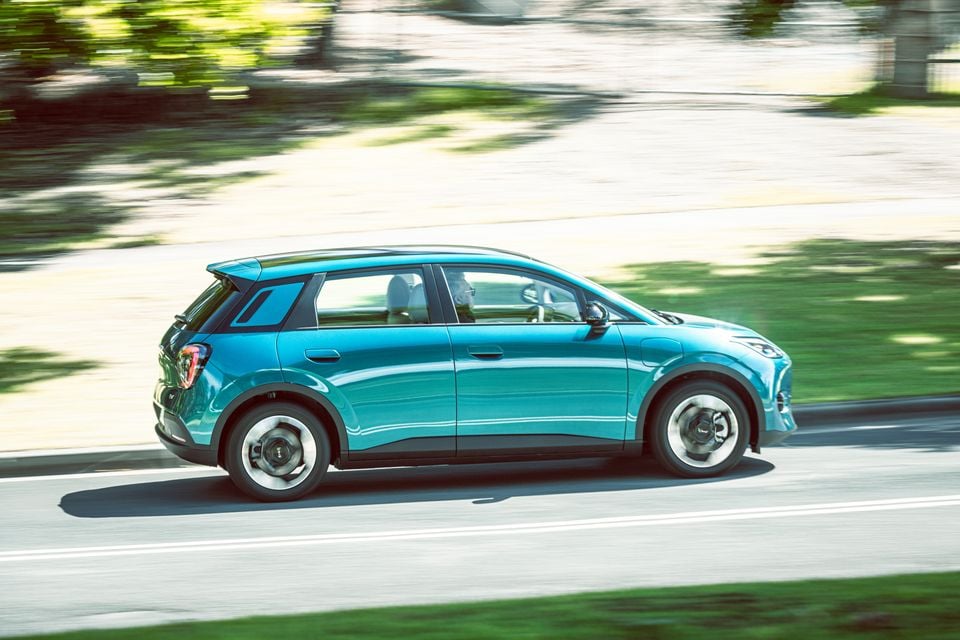
While I didn’t take this car into regional areas, I did drive the Aion UT across a handful of unsealed roads and it proved comfortable.
For most buyers, we imagine the use case will be that of a commuter car and the Aion UT performs admirably in that role.
To see how the GAC Aion UT lines up against the competition, check out our comparison tool
What do you get?
There are two members of the 2026 GAC Aion UT lineup.
2026 GAC Aion UT Premium equipment highlights:
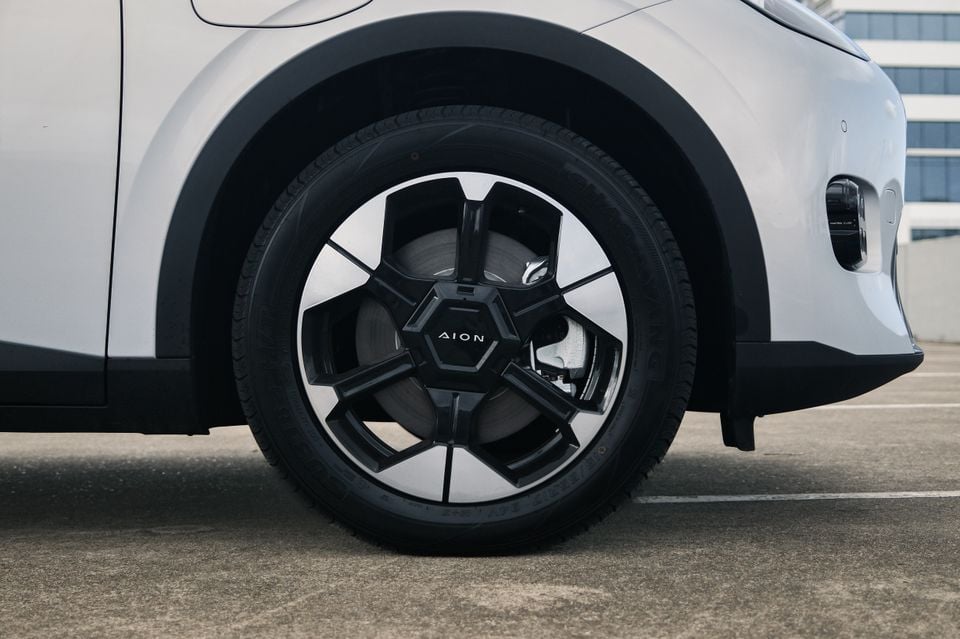
- 17-inch alloy wheels
- Automatic LED headlights
- Automatic high-beam
- Rain-sensing wipers
- 8.8-inch digital instrument cluster
- 14.6-inch touchscreen infotainment system
- Wireless and wired Apple CarPlay, Android Auto
- DAB+ digital radio
- In-car Wi-Fi hotspot
- 6-speaker sound system
- Heated, leatherette-wrapped steering wheel
- PVC seat upholstery
- 6-way power-adjustable driver’s seat with heating
- Remote control of vehicle functions via mobile app
- Heat pump
- Rear air vents
Aion UT Luxury adds:
- Power tailgate
- Power-folding exterior mirrors
- Panoramic sunroof with power sunshade
- Wireless phone charger
- Ventilated driver’s seat
Is the GAC Aion UT safe?
The Aion UT has yet to be assessed by safety authority ANCAP, though GAC has previously confirmed testing will take place once the car’s eCall system is activated.
This is a feature designed to automatically connect occupants with emergency services following a crash.
GAC representatives have previously said they’re confident the Aion UT will achieve a full five-star ANCAP rating once this feature is activated.
Standard safety equipment highlights:
- 7 airbags, including front, front side, side curtain, and centre
- Autonomous emergency braking
- Adaptive cruise control
- Blind-spot monitoring
- Child presence detection
- Driver monitoring system
- eCall
- Integrated Cruise Assist
-
- Adaptive cruise control
- Lane-centring
- Lane-keep assist
- Traffic sign recognition
- Front and rear parking sensors
- Surround-view camera
- Tyre pressure monitoring
To see how the GAC Aion UT lines up against the competition, check out our comparison tool
How much does the GAC Aion UT cost to run?
GAC backs the Aion UT with an eight-year, unlimited-kilometre vehicle warranty and an eight-year, 200,000km battery warranty.
| Servicing and Warranty |
GAC Aion UT |
|---|---|
| Warranty |
8 years, unlimited kilometres (vehicle) 8 years, 200,000km (battery) |
| Roadside assistance |
5 years |
| Service intervals |
12 months or 15,000km |
| Capped-price servicing |
N/A |
| Recommended total service cost (5 years) |
$1607 |
Also included are five years of roadside assistance, provided you service within the GAC dealer network, and 2GB of free data per month for the first two years.
Maintenance is required every 12 months or 15,000km, and although GAC has published ‘recommended’ service pricing, it doesn’t have a capped-price scheme. This means dealers can decide what to charge.
To see how the GAC Aion UT lines up against the competition, check out our comparison tool
CarExpert’s Take on the GAC Aion UT
GAC could stand to follow Tesla a little less, because our chief complaints with the vehicle are largely ones that could also be lobbed at vehicles from the American automaker.
The reliance on the touchscreen simply creates usability issues, and some design choices like the gear shifter-based adaptive cruise control could prove dangerous.
The safety technology can aggravate, from the passenger occupant alert that detects ghosts to the overspeed alert that nags incessantly.
In terms of pricing, it’s not the cheapest vehicle in its segment, and given GAC is still a largely unknown brand here, this could prove an impediment.
Despite all this, the Aion UT is a comprehensively equipped and well-packaged small electric hatchback that’s generally quite pleasant to drive and attractive to boot.
Just give it some buttons, GAC.
Interested in buying a GAC Aion UT? Let CarExpert find you the best deal here
Click the images for the full gallery. Photography by Eliot Tsai.