
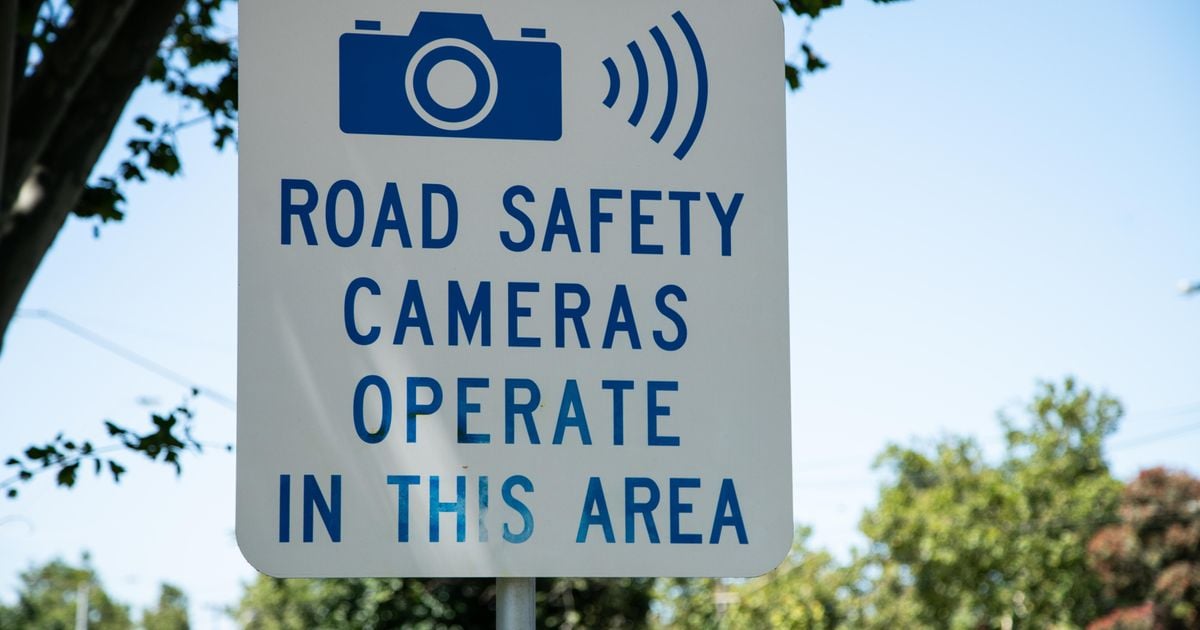
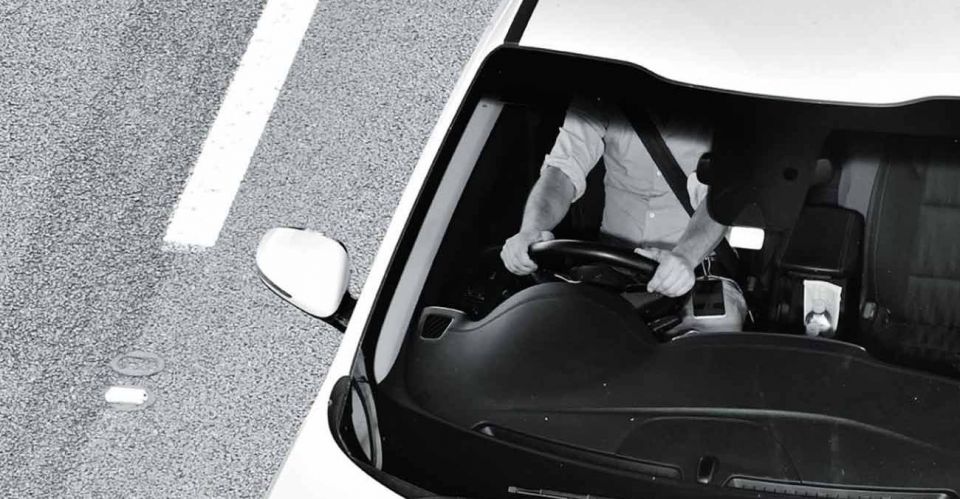
A report on the effectiveness of the Distracted Driver and Seatbelt Detection Program using artificial intelligence (AI) cameras in Victoria couldn’t determine if they improved road safety.
It also found poor record-keeping and inaccurate data collection, a lack of evidence in determining where the cameras have been positioned, and privacy breaches in storing infringement images and information.
The Victorian Auditor-General’s Office (VAGO) report looked at whether the distracted driver and seatbelt detection camera program, which was launched in 2023, was achieving its goals.
These included raising awareness of the risks and laws around distracted driving and not wearing a seatbelt, increasing enforcement, and reducing behaviours that can increase the risk of road accidents, serious injuries and death.
Looking for your next car? We’ll help you research and compare so you choose with confidence.
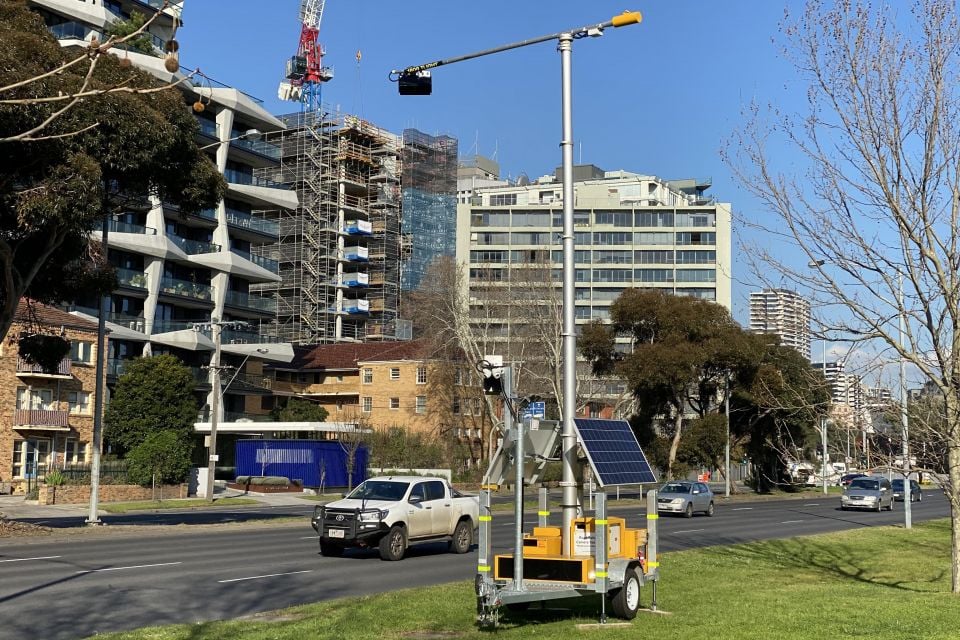
The report, published this week, came after analysing 308 camera sites, 160,754 camera hours and 188,493 infringements for mobile phone use and seatbelts not being worn between July 2023 and September 2025.
It stated: “It is not clear how much the program is contributing to road safety” and that “since the program began, the number of deaths from road accidents in Victoria has increased.”
The report found the Department of Justice and Community Safety, responsible for delivering the program and administering the AI software provided by camera operator Jenoptik, “does not know if the program is reducing road accidents, serious injuries and deaths”.
“The department did not gather data about the number of accidents, serious injuries and deaths linked to mobile devices and seatbelts before the program started to compare results against,” the report said.
“Linking accidents to specific behaviours is complex, and the department will not work out how to get this data until at least mid-2026.
“The department has also changed the benefits it expects the program to achieve and has not consistently reported on its performance. This makes it difficult to assess how well the program is working over time.”
The report recommended the department improve how it measures and reports on the program’s effectiveness on road safety.
In a statement, the Department of Justice and Community Safety said it has “requested changes from your [VAGO’s] audit team on the representation of research estimates as targets”.
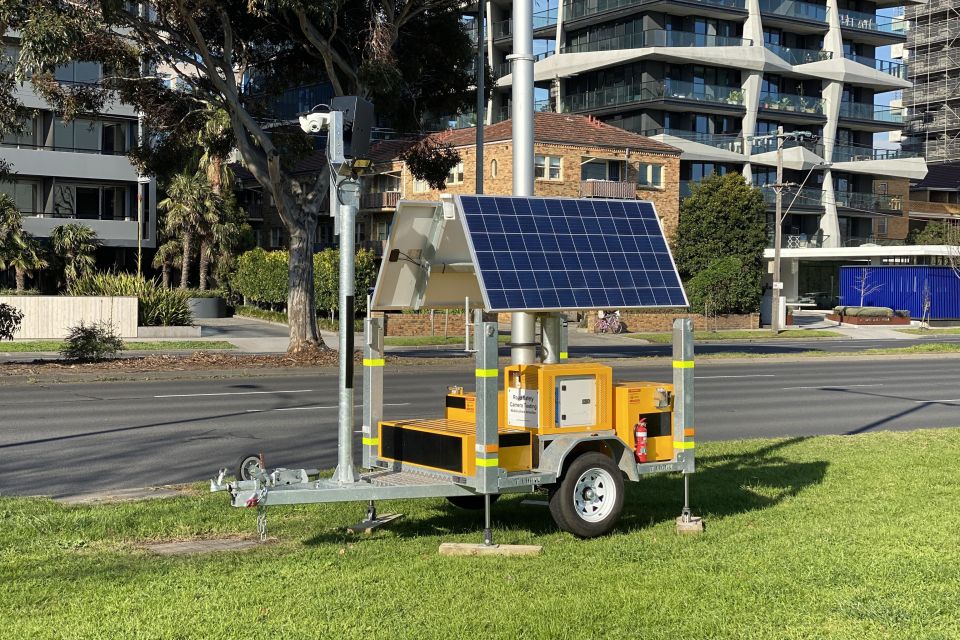
The report also said the process used by Victoria Police for identifying various camera sites “is not well designed and it does not record its decisions consistently”.
“Victoria Police does not always record evidence when it identifies potential camera sites. This means it cannot always show that camera locations are based on sound evidence.”
Here, it suggested police review their criteria for selecting sites and improve record-keeping so they can show evidence-based results.
In a response, a Victoria Police statement said it “accepts that governance processes to manage identification of potential sites for camera locations could be improved”.

The police statement also said it would work on changes to ensure the integrity of the program.
Further, the report found “gaps” in the administration of the program, including privacy data assurance issues, with Jenoptik having changed its archiving software after it was found in breach of regulations.
It recommended complying with laws for the storage of infringement images and not relying on the self-reporting system Jenoptik uses to ensure its data is accurate.
The self-reporting meant “the department is not fully managing the risk that Jenoptik’s data may be inaccurate”.
The audit comes following Victoria’s plans to spend $28.3 million on ‘all-in-one’ next-generation cameras able to detect speeding, including average speed detection, red-light, bus-lane and seatbelt offences, as well as number plate recognition.
The latest data from the Road Safety Hub shows the number of deaths in Victoria increased 55.6 per cent in April 2026 and had risen by 0.3 per cent over the previous 12 months.
This saw 288 people die in Victoria, compared to 277 in 2023 when the Distracted Driver and Seatbelt Detection Program commenced.
The program is a targeted initiative as part of the Victorian Road Safety Strategy 2021–2030, introduced to address death and serious injury on the state’s roads.
The $1.1 billion strategy aimed to halve the number of deaths on Victoria’s roads – compared to the 266 fatalities recorded in 2019 – by 2030 and eliminate all deaths by 2050.