
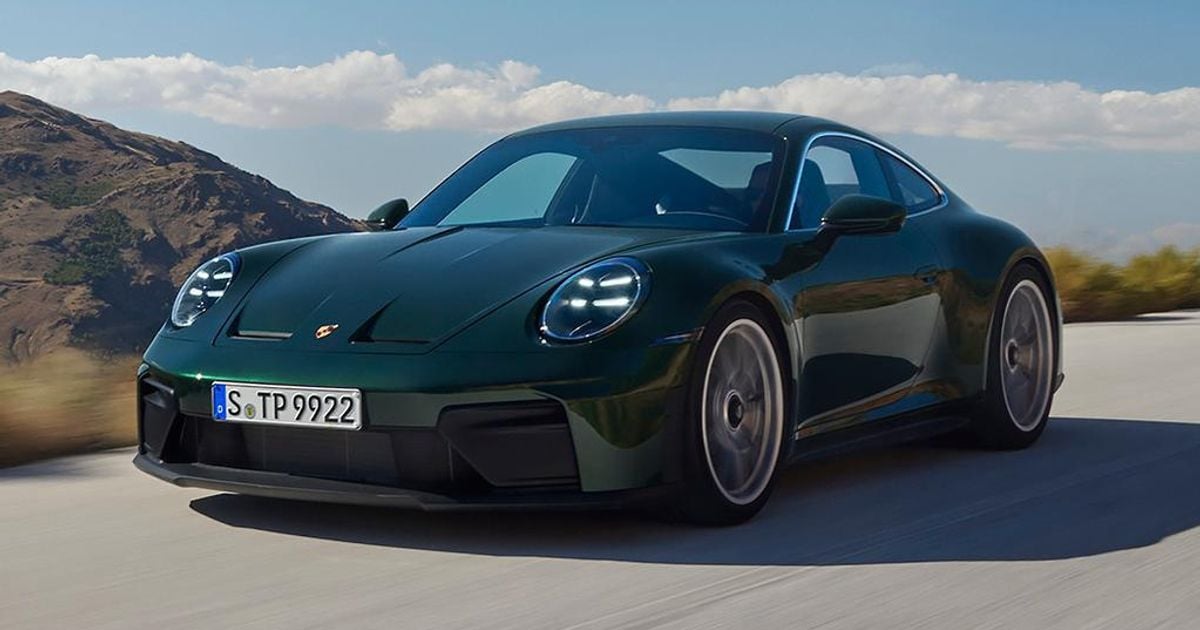
The Porsche 911 won’t go fully electric anytime soon, according to the German marque’s CEO, Michael Leiters.
One of the world’s most iconic sports cars, the 911 is known for its rear-mounted flat-six petrol engine. It’s still offered with a manual gearbox, but the 911 received its first hybrid powertrain in 2024.
At the time, Porsche said it would gradually electrify the 911, eventually offering the legendary model as an electric vehicle (EV), but that plan appears to have changed amid slowing EV demand.
“We will continue to invest in electric mobility, but a 911 will not become electric,” Mr Leiters said in comments translated from German by Autoblog.
Looking for your next car? We’ll help you research and compare so you choose with confidence.
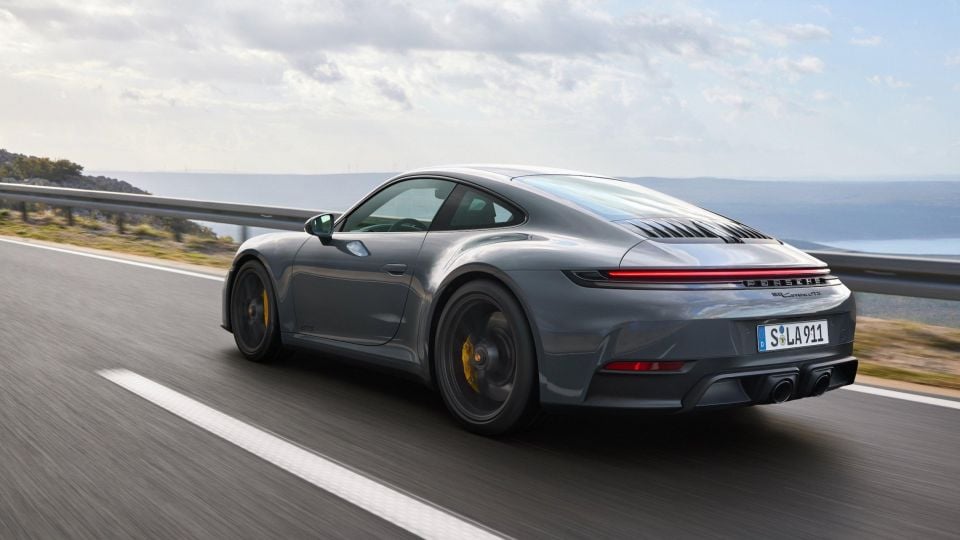
“Its future viability must be ensured through combustion engines and hybrid technology.”
The company had previously ruled out a plug-in hybrid (PHEV) powertrain for the 911 and has reinstated internal-combustion power for the upcoming next-generation 718 Boxster and Cayman sports cars, abandoning plans to make them electric-only.
The current 911 hybrid uses an electric motor integrated into the eight-speed dual-clutch transmission to boost the output of its 3.6-litre flat-six engine.
Mr Leiters was speaking at an event hosted by German publication Auto Motor und Sport, with the comments following Porsche’s broader retreat from its EV expansion plans, spearheaded by the Taycan electric sedan and wagon.
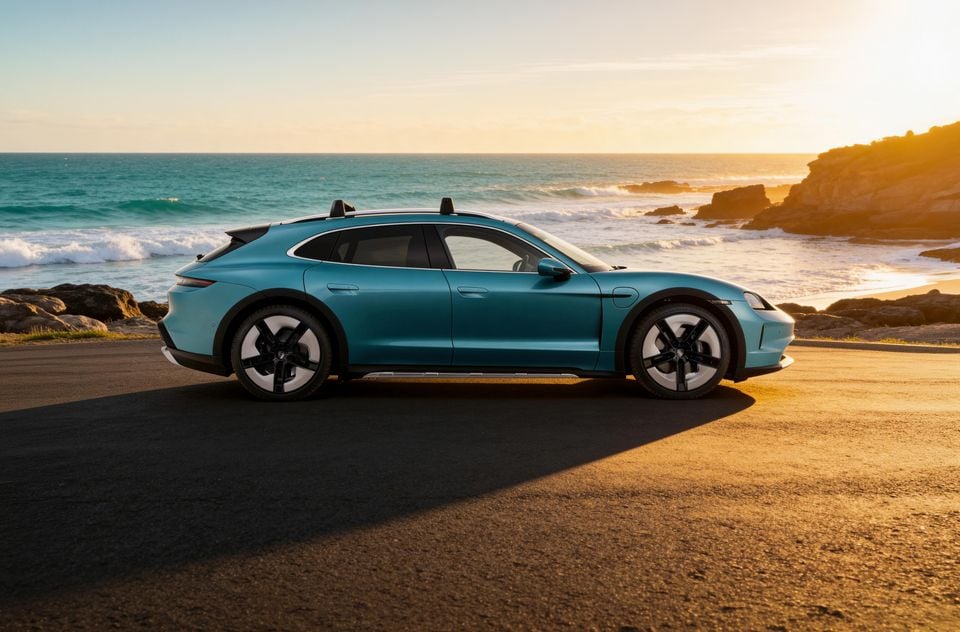
“With the Taycan, we were pioneers in electromobility,” Mr Leiters said, suggesting its 2019 global introduction – and 2020 Australian launch – came too early.
The Taycan nameplate could be on the chopping block according to reports out of Europe.
“Porsche remains open to all technologies. Porsche was a pioneer in e-mobility; the Taycan was a flagship project and an outstanding product. But the timing wasn’t ideal; we were apparently too fast with e-mobility.”
The Taycan was Porsche’s slowest-selling model in Australia last month, with seven sales matching the Panamera, not including the Boxster/Cayman which saw stocks dry up as part of a run-out ahead of a replacement expected in 2027.
The brand also switched its global best-selling Macan SUV to electric-only power in 2025, dropping internal-combustion versions entirely.
That move coincided with a 10 per cent drop in global sales in 2025, with former CEO Oliver Blume – now head of parent company Volkswagen Group – suggesting the strategy was “unsustainable”.
It has also dropped plans for a three-row SUV, codenamed ‘K1’, to be offered exclusively with electric power. There are now plans for this to be offered with hybrid and internal combustion powertrains.
“Our strategy was to offer combustion engines, hybrids, and electric sports cars in each of our three segments – but not for every product,” Mr Blume told German newspaper Frankfurter Allgemeine Zeitung earlier this year.
“We were wrong about the Macan. Based on the data available at the time and our assessment of our markets, we would make the same decision again.”