
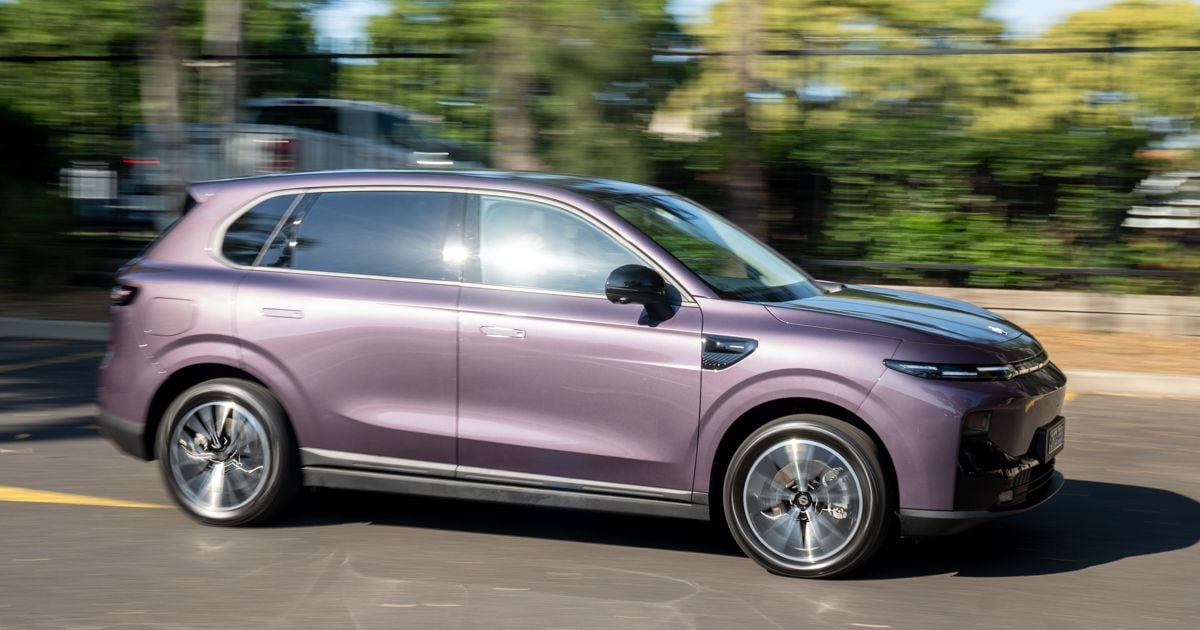
Leapmotor says the intrusive warning chimes in its cars are partly the result of tightening regulations and safety-rating requirements, but the Chinese brand is continuing to tune its driver-assistance systems.
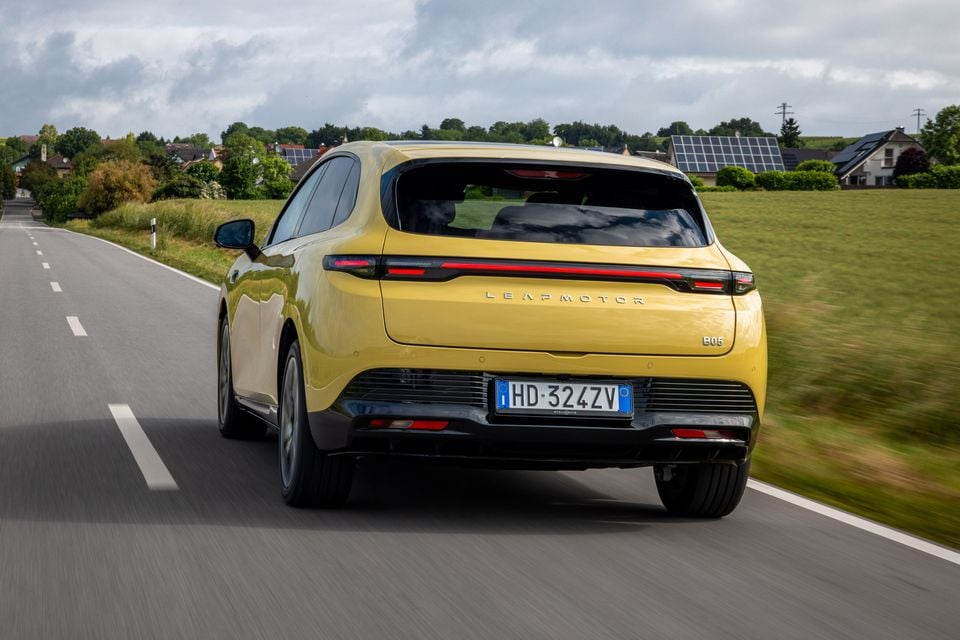
Speaking at the international media launch of the B05 electric hatchback in Germany, Leapmotor International’s head of commercial operations for Europe, Danilo Annese, said some driver-assistance systems had shifted from being features manufacturers could tune freely to homologation requirements.
The comments came after CarExpert asked about the B05’s advanced driver-assistance systems, which were one of the few obvious issues with the car during our first drive.
Looking for your next car? We’ll help you research and compare so you choose with confidence.
“Four or five years ago, some of these systems were driver aids, but not homologation requirements,” said Mr Annese.
“So, when you have in your hands driver aids, you set the way you want. When you start having homologation requirements, and you know those are piling up month after month, not year after year, month after month in Italy, in Europe, I don’t know, Australia, I think it’s the same, they are piling up, and when you have a legal requirement, you cannot decide to deactivate things forever, but you need to have it every time you switch on and off the car.
“Those are all things that are coming from the way the car needs to be homologated, so for sure, the more we go ahead, the more you will have intrusive presence.”
In Europe, automakers have had to deal with the General Safety Regulation, which mandates a range of safety technologies including intelligent speed assistance, driver attention warnings, reversing detection and event data recorders, as well as autonomous emergency braking and emergency lane-keeping systems for passenger cars and vans.
Mr Annese said lane-keeping systems are particularly difficult to tune, because manufacturers have to balance what drivers want with what independent safety bodies expect.
“Talking about the elephant in the room, that is the lane-keep assist, the rest you can manage, but the lane keep is probably one of the biggest offenders,” he said.
“But the lane keep you have an edge between what Euro NCAP is asking to give you the five stars and what you don’t want, and so you decrease, decrease, and at the end of the story you find the balance between these two.
“We did the work with Stellantis for fixing this, and we continue to work with them.”
The B05 is fitted with 21 advanced driver assistance systems (ADAS) and seven airbags. The car uses 14 sensors and cameras to put its ADAS to use.
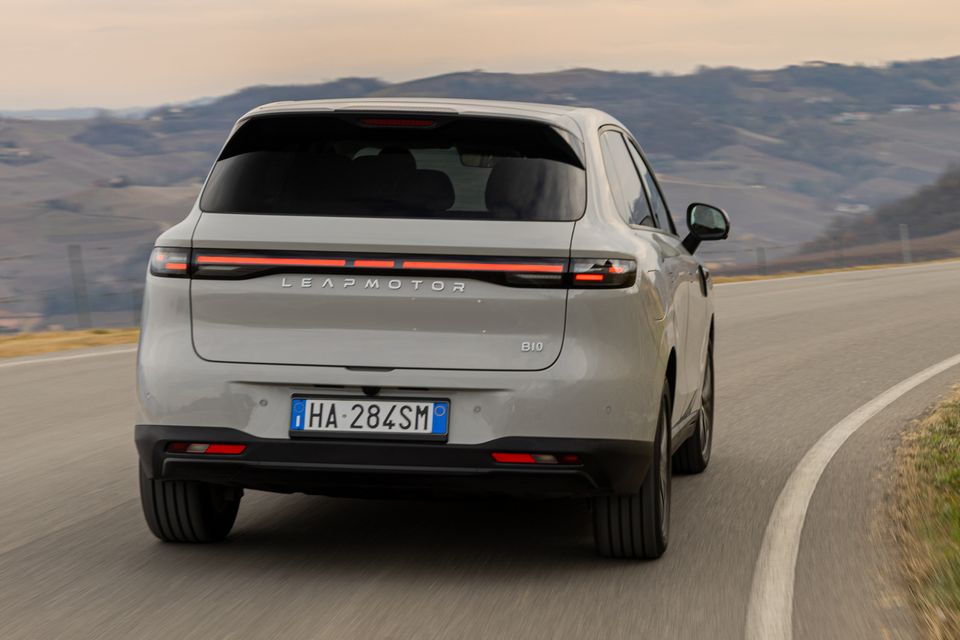
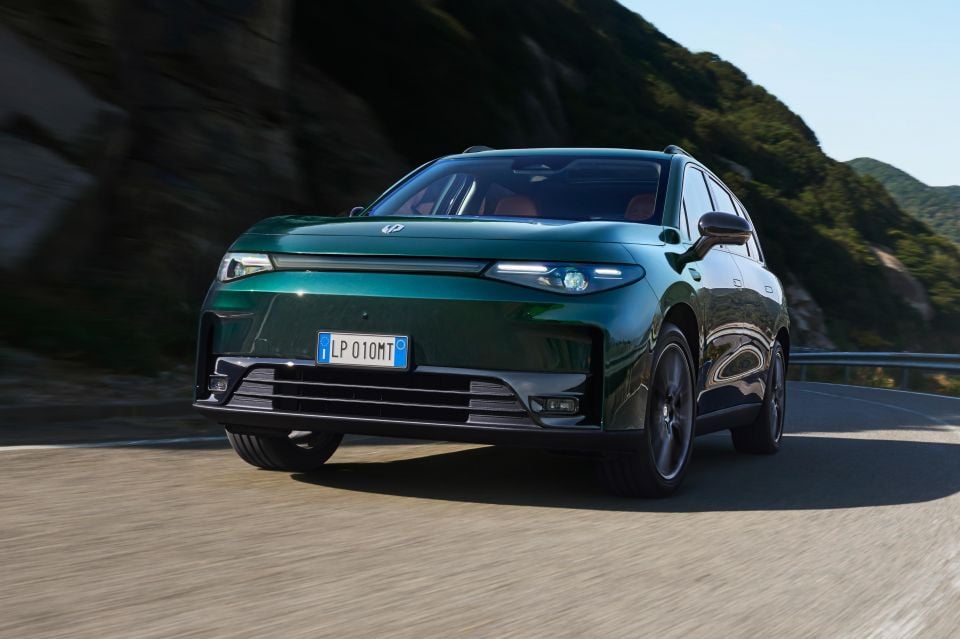
Mr Annese said Leapmotor’s driver-assistance calibration had improved since the C10 SUV, and that the B05’s steering tune could also be rolled into the B10 via an over-the-air update.
“We are still reviewing the tuning, the steering of this one. We will probably be taken on B10 as well, because we like the software the way it has been tuned,” he said.
“So the next OTA of B10 will take steering feeling of this one, because we noticed that this was better, so now B10 can get it as a let’s say a gift, it is one one on the advantage of having full OTA capability.”
It is not yet clear whether any such B10 update would apply to Australian-delivered vehicles but we believe that will be the case.
The B10 already has a five-star ANCAP safety rating in Australia, as well as a five-star Euro NCAP safety rating in Europe.
The B05 has not yet received a Euro NCAP rating, though Leapmotor says the car has already been tested and a five-star result is expected.
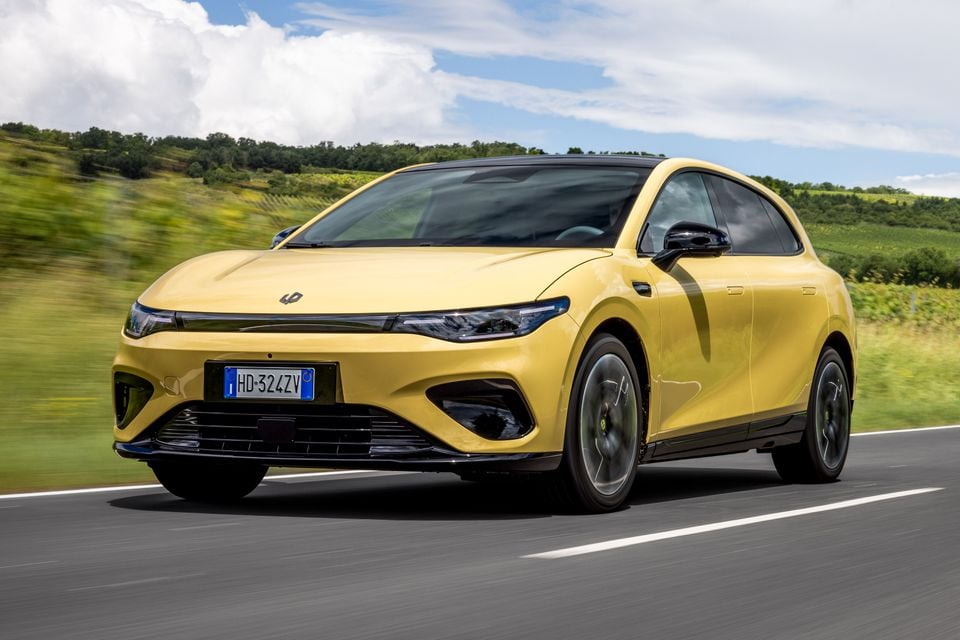
The new small hatchback is due in Australia in the second half of 2026, where it will sit below the B10 small electric SUV.
Australian pricing and specifications have not been confirmed.