
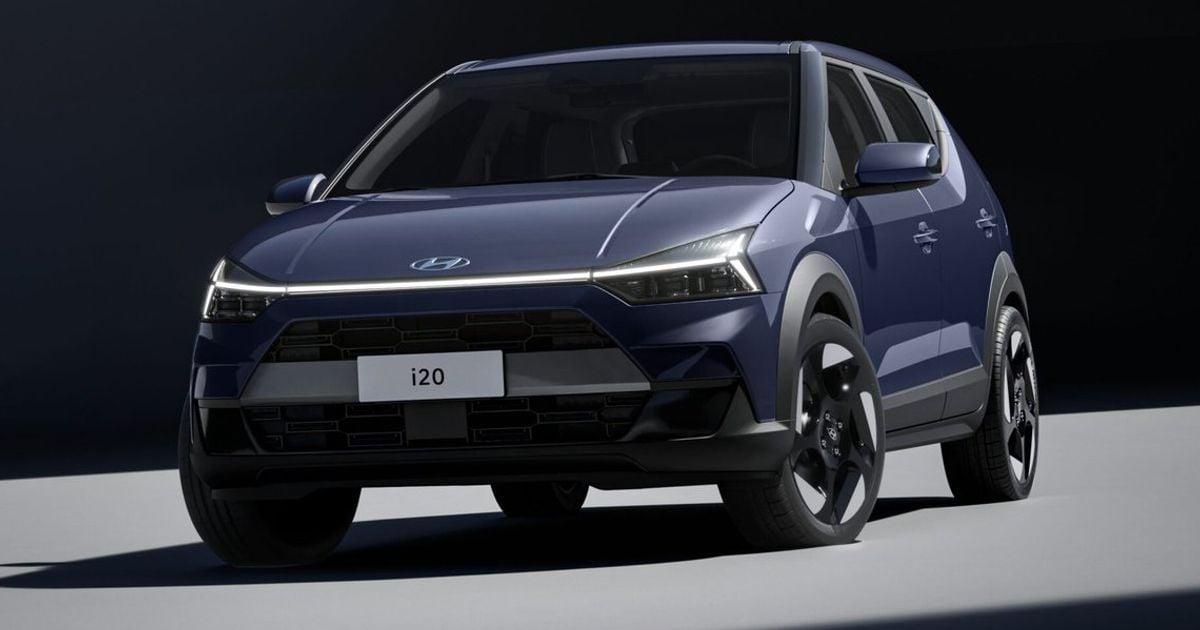
The new Hyundai i20 city car has broken cover in Brazil with a growth spurt and fresh look on newer underpinnings, as the current-generation i20 N sold in Australia heads for the exit.
Hyundai revealed the fourth-generation petrol-powered i20, codenamed ‘BC4’, in Brazil, where it will be manufactured for South American markets and rival the Toyota Yaris, Volkswagen Polo and Suzuki Swift.
The first-generation i20 was introduced in Australia in 2010 but was discontinued in 2015, with the second generation not offered here. The third generation arrived in 2021, offered exclusively in hot N trim to take on the Polo GTI and Swift Sport. It’s currently priced at $38,500 before on-road costs.
Hyundai hasn’t confirmed any details, including timing, for a new-generation i20 in Australia. If approved for local showrooms, it would likely be sourced from Europe, like the current model, with minor styling changes compared to the Brazilian version but the same increase in size.
Looking for your next car? We’ll help you research and compare so you choose with confidence.
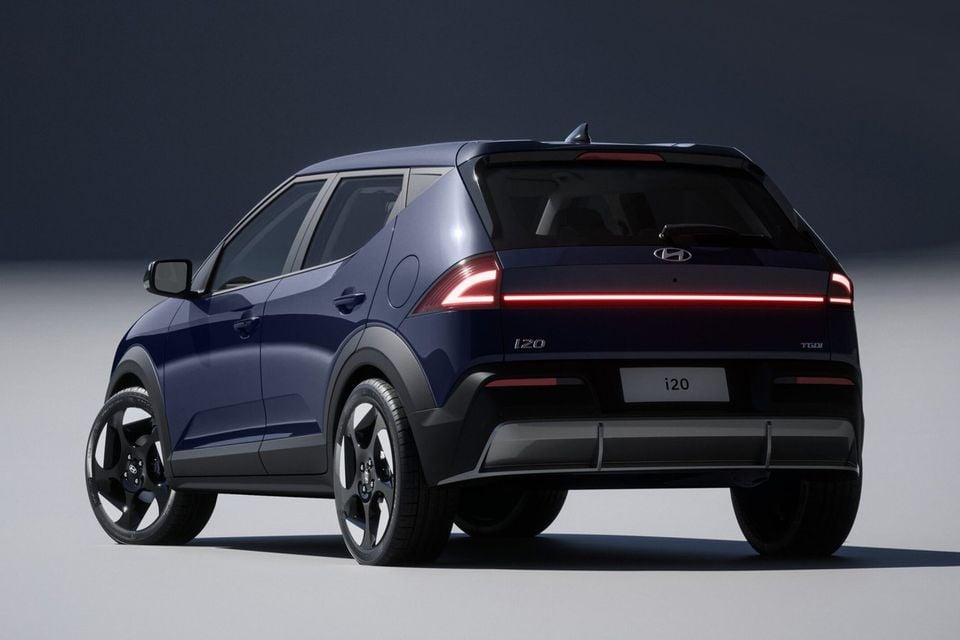
Priced from R$99,990 ($A27,847) for the cheapest of six variants, the new Brazil-market model brings fresher styling following the brand’s ‘Art of Steel’ philosophy which made its debut on the Nexo hydrogen fuel-cell SUV concept.
The philosophy brings ‘straight lines characteristic of steelwork’ and sees the i20 fitted with an ‘H-Architecture continuously illuminated’ light bar stretching across the nose of the vehicle, contrasted with a black gloss grille and pronounced wheel arches in the same style as the recently unveiled Ioniq 3 electric hatchback.
The i20 sits on the K3 platform used by the Hyundai Kona SUV currently sold in Australia and the upcoming second-generation Kia Seltos, where the previous model used older K2 underpinnings. Kia and Hyundai are both part of the broader Hyundai Motor Group, which also includes luxury brand Genesis.
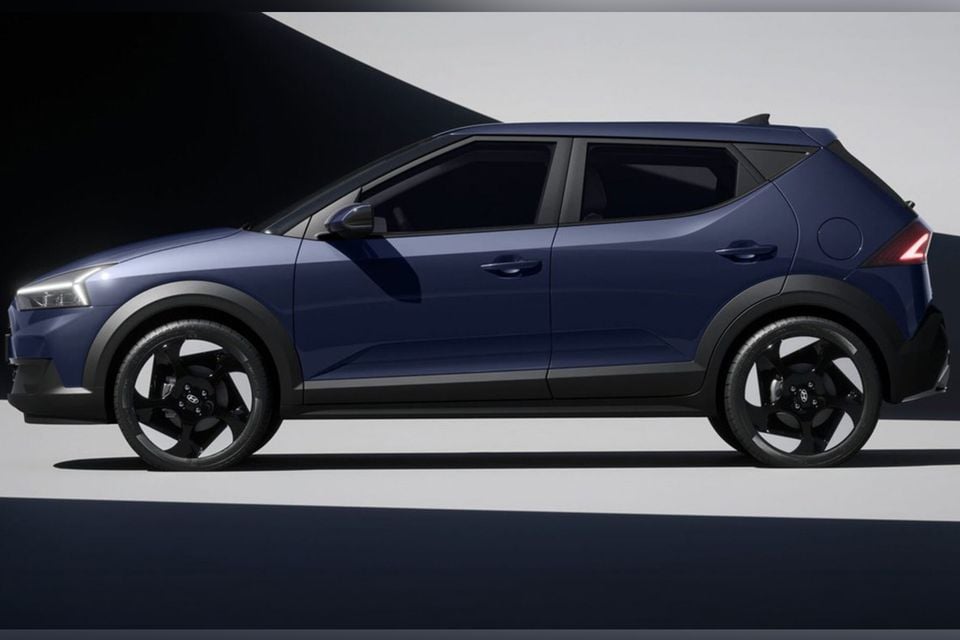
The platform change has seen the i20 grow by 55mm compared to the outgoing i20 N sold here, despite sitting on the same 2580mm wheelbase, and it’s also 5mm wider (1780mm).
Riding on wheels between 15 and 17 inches in diameter, depending on model grade, the new model also sits a substantial 55mm taller, its 1495mm height bolstering what Hyundai calls an ‘SUV-like stance’.
The growth sees cargo space expand from 310L to 346L, which can be increased to 1152L – 29L more – when the second-row seating is folded down, with the rear end using torsion-beam suspension like the current i20 N.
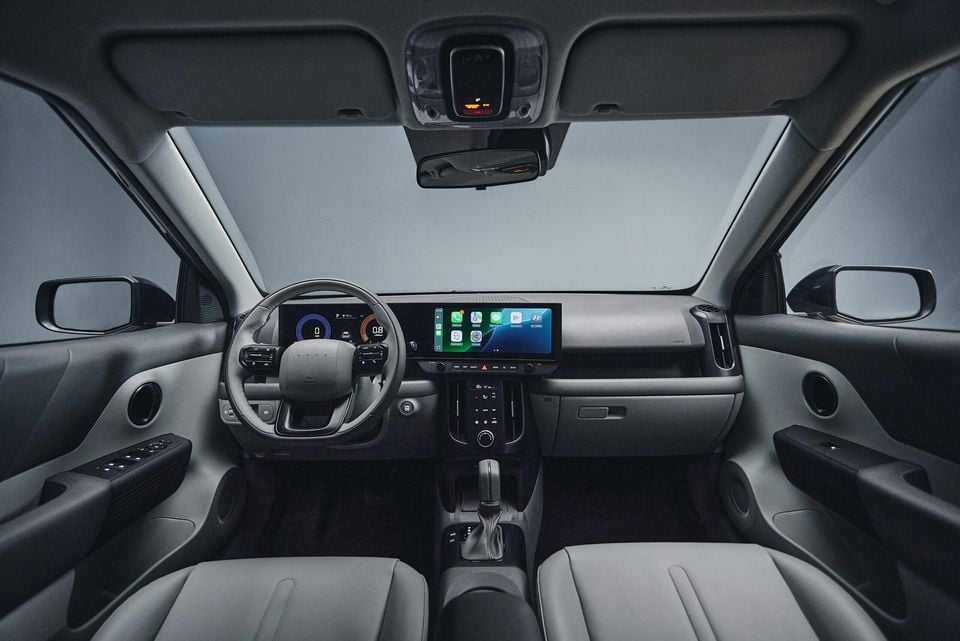
Inside, design cues include the letter ‘H’ in Morse code adorning the paddle-shift steering wheel, which is wrapped in synthetic leather, while standard equipment on all models includes keyless entry, push-button start and an electronic park brake.
There is partial-leather seat trim as standard, too, ahead of a 12.3-inch instrument cluster as well as a 12.3-inch touchscreen infotainment system with wireless Apple CarPlay and Android Auto phone connectivity.
Hyundai says the new i20 is the first Brazilian-built vehicle to offer over-the-air (OTA) updates and its Bluelink connected services, available across the range.
Bluelink was introduced here in 2022 and offers functions such as remote door locking and unlocking, remote climate control adjustment, ‘last-mile’ navigation, as well as automatic emergency calling and automatic collision notification.
Brazilian buyers can choose from two 1.0-litre ‘Kappa’ three-cylinder engines, with the entry-level naturally aspirated unit producing 59kW on flex-fuel – widely used in Brazil – and 55kW on petrol, with 100Nm of torque and combined fuel consumption of 6.9L/100km.
A more potent turbocharged version with direct fuel injection produces 85kW of power and 172Nm of torque from 1500rpm and is offered in higher-spec models, starting from R$125,990 ($A35,176), with 6.9L/100km fuel consumption.
Driver assist and safety tech includes six airbags, autonomous emergency braking (AEB), lane-keep assist, and lane centring on all model grades. Higher-spec i20s offer adaptive cruise control with stop-and-go, blind-spot monitoring, rear cross-traffic alert and Safe Exit Assist.
Hyundai Australia plans to offer the i20 N and larger i30 N hatch in local showrooms until the end of 2026, despite production of both having already ended, with special editions to send off both hot hatches.