
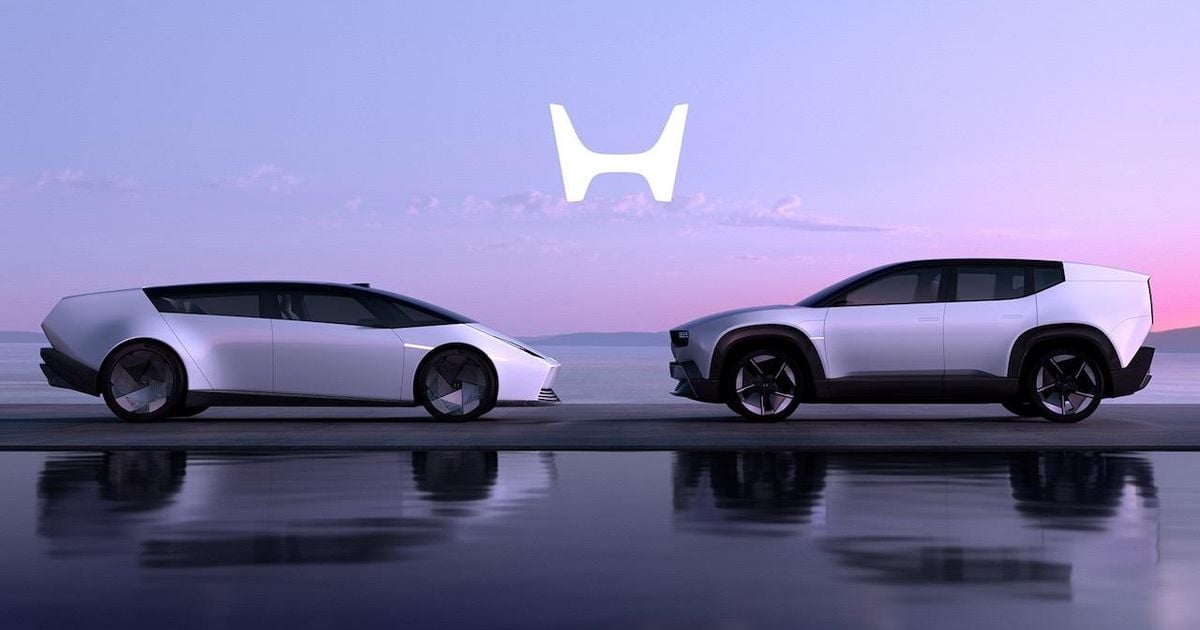
Former executives reportedly tried and failed to have Honda CEO Toshihiro Mibe deposed after his failed bet on EVs.
According to a report in Reuters, former executives, including former CEO Nobuhiko Kawamoto, began meeting in private to discuss the problems at Honda. Participants agreed that Mibe-san was the key person responsible for the automaker’s financial woes.
Things came to a head in April this year when Kawamoto-san visited the CEO at Honda’s headquarters, and asked him to resign. Mibe-san stood his ground, and with the backing of the board and its nominating committee his position was confirmed.
Honda, like many other Japanese corporations, has been slowly improving its corporate governance structures with more transparency, and a greater number of independent directors.
This has whittled away the sway former CEOs and executives have over their former employers. Kawamoto-san, who was CEO between 1990 and 1998, reportedly played a key role in ousting one of his successors.
The news wire spoke with some of the players in the boardroom drama, and has seen some of the text messages.
The general consensus among those participating was that current CEO Toshihiro Mibe had neglected the Chinese market, made an unwise bet on EVs, and was more interested the company’s golf sponsorships than its core business.
They also accused Mibe-san and senior executives of abandoning Honda’s focus on “genba”, or the actual place where the company’s work is done, namely its showrooms and factories, as well as the locations where its products are used.
In the eyes of the Honda luminaries, Mibe-san hasn’t visited China enough, and that, in part, is why the company’s market share there has fallen from around 8.0 per cent in 2020 to roughly 3.0 per cent in 2025.
It should be noted that a lot of Japanese and European car markers have seen their Chinese sales and market share fall dramatically in the past few years as domestic brands have gained significant traction via electric, plug-in hybrid and range extender vehicles.
Other legacy car makers, such as Volkswagen, Nissan, Mazda and Toyota, recognised the problem earlier, and have begun rolling out products developed specifically for China based on platforms borrowed from their Chinese manufacturing partners. Some of these, such as the Mazda 6e and Nissan Frontier Pro, will be exported to fill gaps in their lineups.
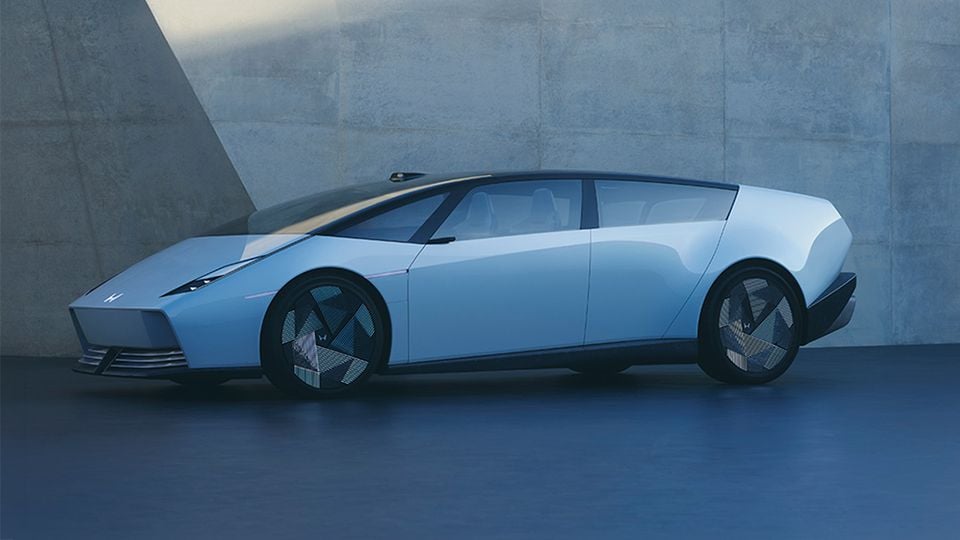
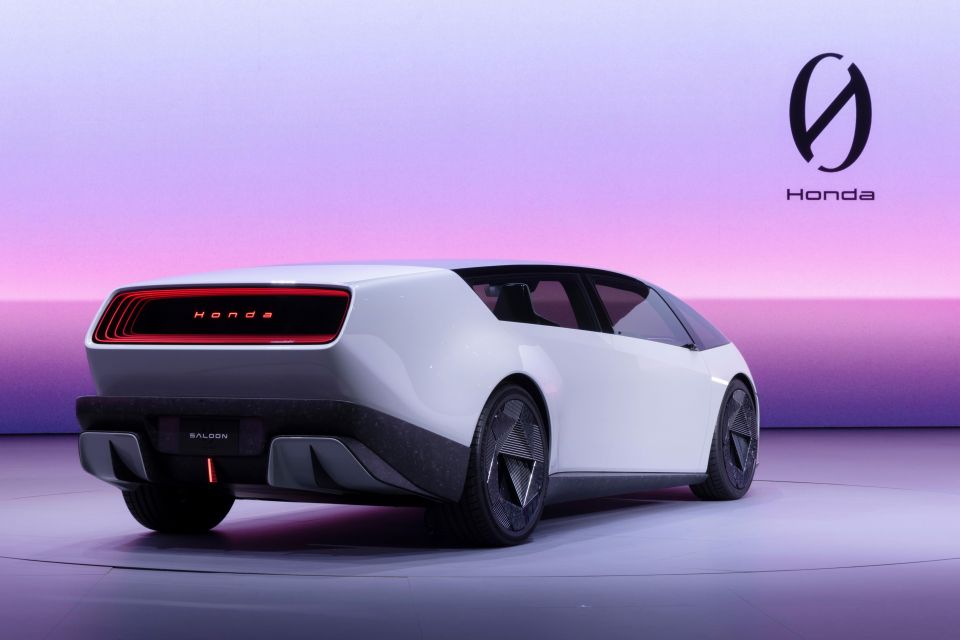
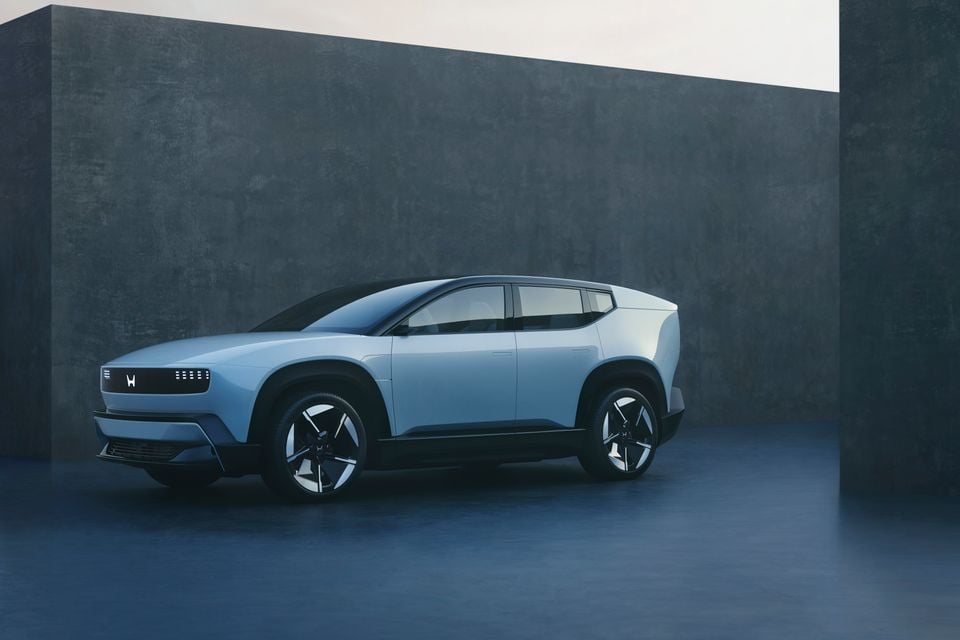
Only after cancelling its 0 Series EV range at the last minute and announcing its first annual loss in 70 years has Honda adopted a similar strategy.
Instead of travelling more frequently to see what was happening in China, his accusers claim Mibe-san was more interested in playing a few rounds with Akie and Chisato Iwai, professional golfers who are sponsored by Honda.
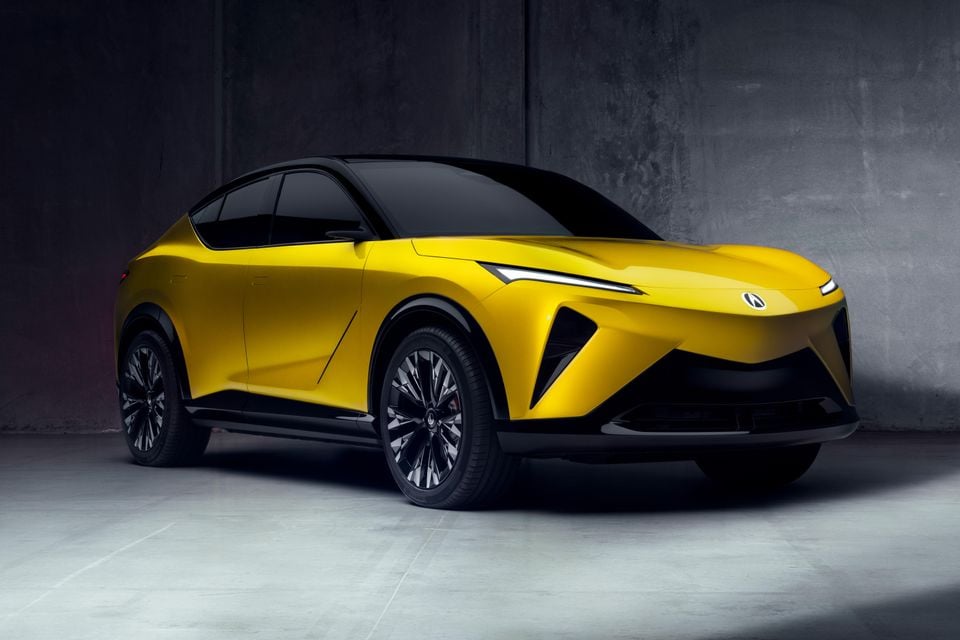
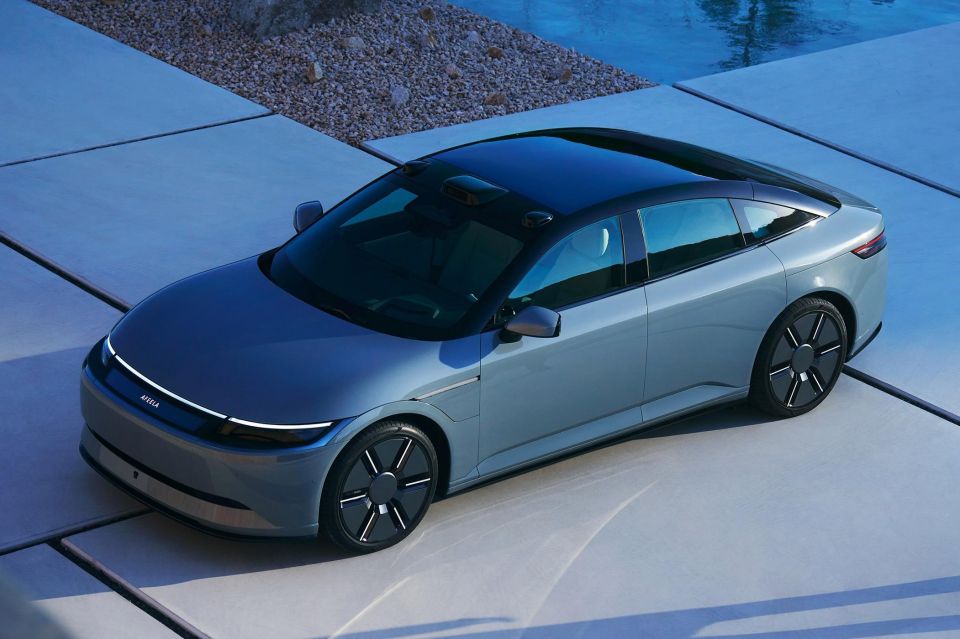
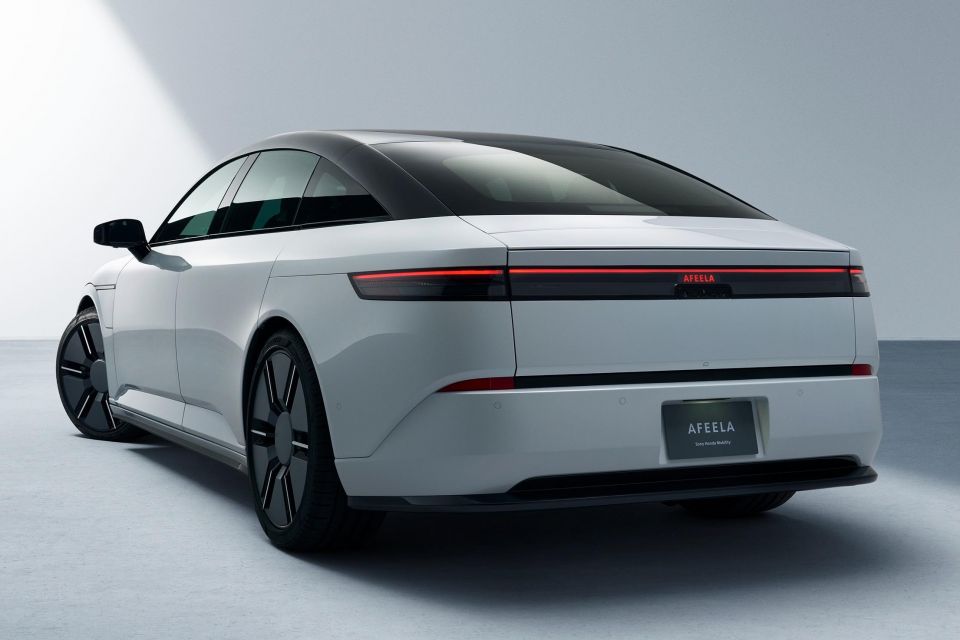
Perhaps the biggest stain on Mibe-san’s copybook is the ¥414.3 billion (A$3.6bn) loss Honda posted for the financial year ending March 2026. The tide of red ink was caused by the company’s cancellation of the 0 Series Saloon, 0 Series Saloon, and Acura RSX EVs, as well as Afeela EV range co-developed with Sony, just months before they were due to go into production.
Although Honda was reportedly advised to float its EV business by a Japanese bank, it has decided to go it alone with a scaled back EV commitment centred around the Super-One city hatch, electric kei cars, the affordable 0 Series Alpha and EVs co-developed with its Chinese manufacturing partners.
The company will also pivot towards hybrid vehicles, and aims to cut the cost of its hybrid drivetrains by around 30 per cent. Prior to announcing its annual loss, Honda moved its engineers back into the R&D department, reversing a decision made in the pre-Mibe era.