
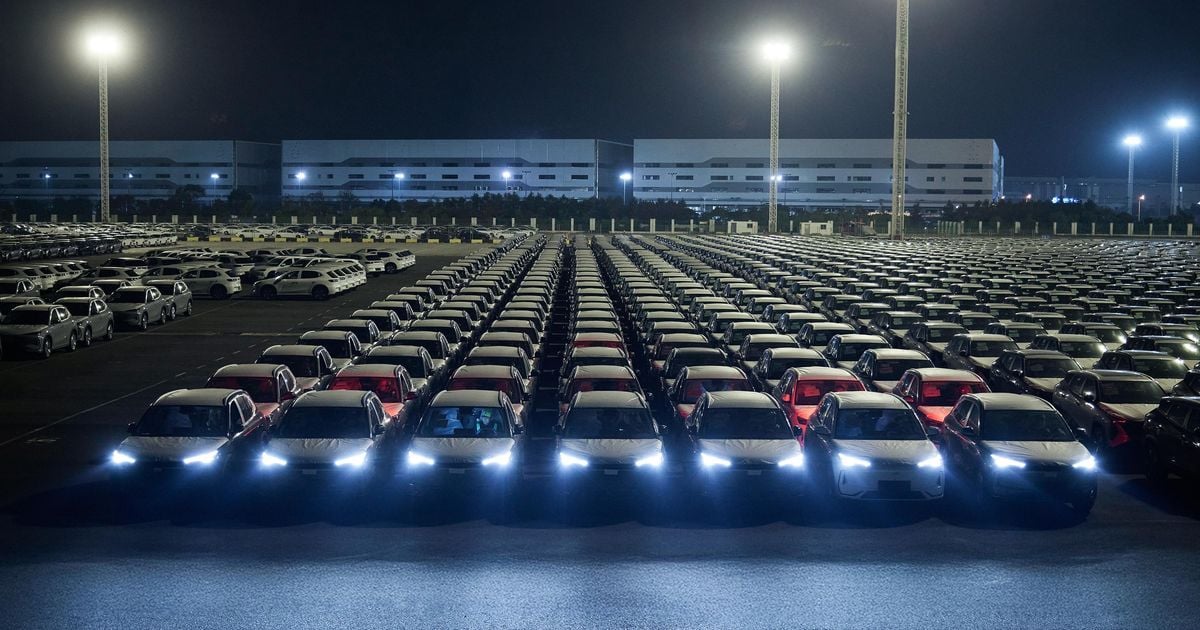
Chinese-manufactured vehicles now make up more than one in three of all new-vehicle sales in Australia, after a record May saw the Chinese-made Tesla Model Y finish ahead of the Ford Ranger as the nation’s most popular model.
A total of 37,229 Chinese-made vehicles were sold in May 2026, making up 34.8 per cent of the 106,887 new vehicles sold across all makes and models.
For comparison, that’s up from 21,381 Chinese-made vehicles in May 2025, when they accounted for 19.5 per cent (just under one in five) of the 109,425 new vehicles sold in Australia.
In May 2024, Chinese-made vehicles accounted for 15 per cent of all new-vehicle sales.
Looking for your next car? We’ll help you research and compare so you choose with confidence.
Chinese brands now make up four of the 10 best-selling marques in local showrooms, with US brand Tesla effectively making it a fifth, given it sources its entire Australian vehicle lineup from China.
Additionally, other top 10 brands such as Hyundai and Kia source some vehicles from China.
Of those Chinese brands, BYD was the best-selling, with 8211 deliveries to finish second overall. It was followed by GWM in eighth place with 4660 sales, Chery in ninth with 4401, and MG rounding out the top 10 with 3872.
While the overall new-vehicle market declined in May 2026, almost every Chinese manufacturer posted year-on-year growth.
The biggest increase came from Zeekr, which surpassed 1000 monthly sales and recorded growth of 1390 per cent. Omoda Jaecoo’s 2570 sales represented growth of 729 per cent, while Geely’s 2636 sales were up 415.9 per cent.
|
Rank |
Brand |
Country of origin |
May 2026 deliveries |
YoY change |
|---|---|---|---|---|
|
1 |
Toyota |
Japan |
16,342 |
-30.7% |
|
2 |
BYD |
China |
8211 |
154.6% |
|
3 |
Ford |
United States |
7195 |
-15.0% |
|
4 |
Hyundai |
South Korea |
7007 |
4.5% |
|
5 |
Kia |
South Korea |
6761 |
-2.1% |
|
6 |
Tesla |
United States |
6433 |
+65.1% |
|
7 |
Mazda |
Japan |
5698 |
-27.4% |
|
8 |
GWM |
China |
4660 |
9.1% |
|
9 |
Chery |
China |
4401 |
59.7% |
|
10 |
MG |
China |
3872 |
18.4% |
While Japan’s Toyota remained the dominant brand, China’s BYD took the runner-up spot for the second consecutive month, with the automaker pointing to record fuel prices increasing demand for its electric vehicles (EVs).
Its 8211 sales were led by the Sealion 7 electric SUV, followed by the Shark 6 plug-in hybrid (PHEV) ute, which recently gained a new entry-level cab/chassis variant and a flagship Performance model.
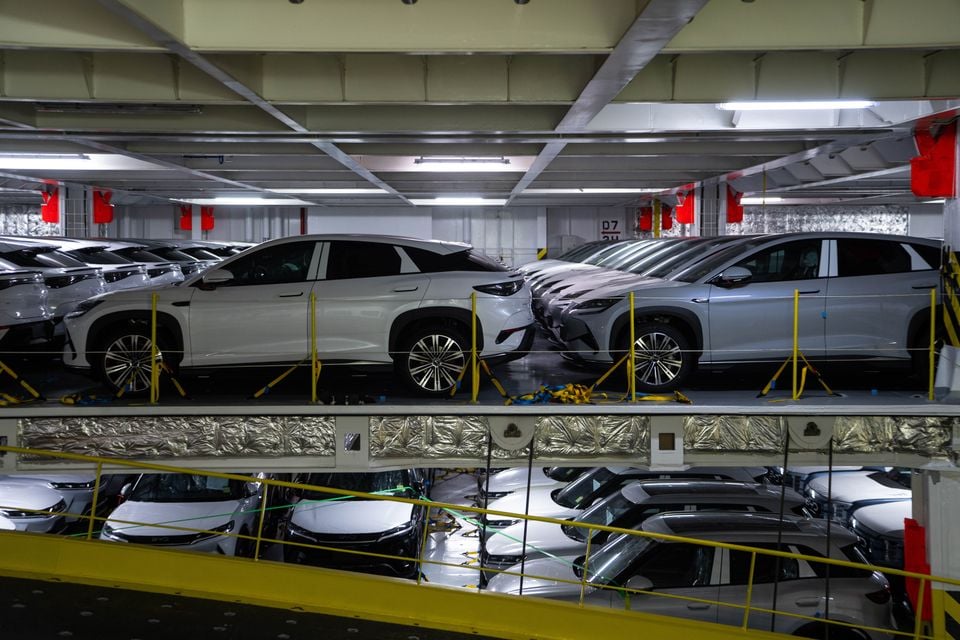
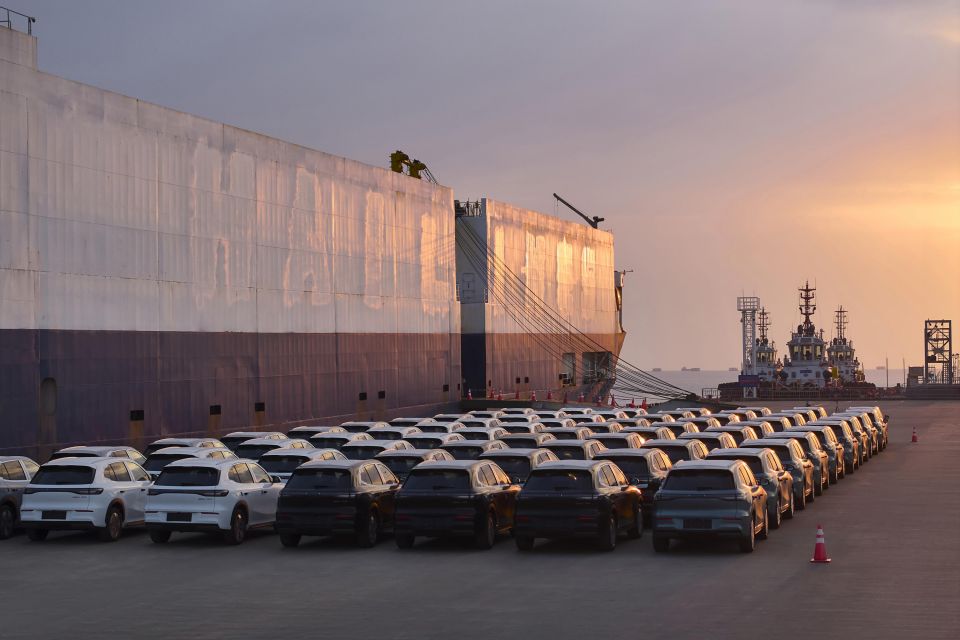
This helped BYD post a 154.6 per cent year-on-year increase in Australian sales, with the company also celebrating the arrival of its first BYD-branded vehicle carrier in Australia, one of eight ships built by the company, as it arrived from Shanghai carrying almost 5000 vehicles.
The shipment forms part of a planned increase in supply, with BYD previously stating it would send an additional 30,000 vehicles to Australia by June, up from an earlier plan for 10,000 vehicles.
|
Rank |
Country |
YTD Sales 2026 |
|---|---|---|
|
1 |
China |
144,425 |
|
2 |
Japan |
117,332 |
|
3 |
Thailand |
90,241 |
|
4 |
Korea |
60,676 |
|
5 |
Germany |
22,166 |
|
6 |
Spain |
17,552 |
|
7 |
Türkiye |
13,307 |
|
8 |
India |
9764 |
|
9 |
Mexico |
7366 |
|
10 |
France |
5225 |
|
11 |
Czechia |
3361 |
|
12 |
England |
3157 |
|
13 |
Indonesia |
3156 |
|
14 |
Hungary |
2357 |
|
15 |
Portugal |
2293 |
|
16 |
Belgium |
2208 |
|
17 |
Italy |
1959 |
|
18 |
Sweden |
1677 |
|
19 |
Romania |
1246 |
|
20 |
Poland |
1193 |
|
21 |
South Africa |
1036 |
|
22 |
Slovakia |
944 |
|
23 |
Austria |
773 |
|
24 |
USA |
489 |
|
25 |
Wales |
262 |
|
26 |
Other |
258 |
Looking at individual models, the Shanghai-built Tesla Model Y was Australia’s best-selling vehicle in May with 5605 sales, dethroning the Thai-built Ford Ranger. The Thai-built Toyota HiLux sat in third and the Japanese Toyota RAV4 finished fourth.
The Jaecoo J5 (2172 sales) and Chery Tiggo 4 (2123) finished seventh and eighth respectively, resulting in three Chinese-made vehicles in the top 10 and reflecting the broader sales trend towards vehicles from what is now the world’s largest automotive manufacturing nation.
The increase in Chinese-made vehicle sales has come largely at the expense of Japan, which remains the second-largest source of new vehicles sold in Australia after being overtaken by China for the first time in February 2026.
Japanese-made vehicles accounted for 22,832 sales last month, down from 32,110 in May 2025 and representing a decline of 28.9 per cent.
China and Japan remain ahead of Thailand, which, despite being the production source for leading dual-cab utes including the Ford Ranger, Toyota HiLux and Mitsubishi Triton, saw sales decline by 22.1 per cent year-on-year.
MORE: The golden era of the Chinese automotive industry is over, says automaker CEO