
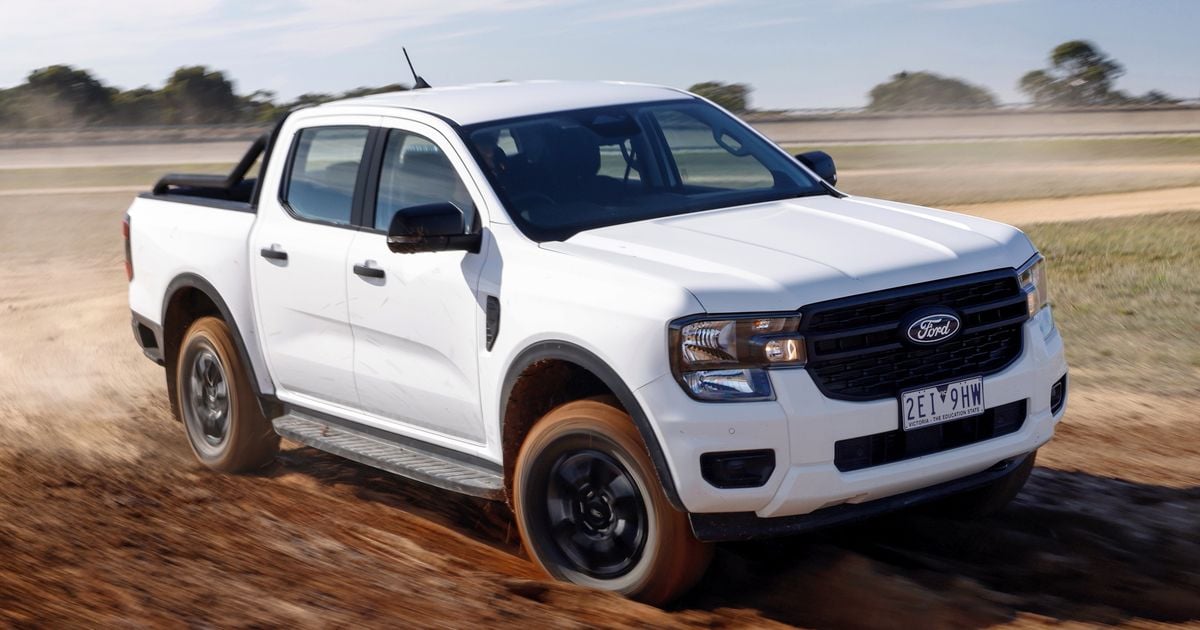
Following the humble Mazda B-Series based Courier in 1978, then the BT-50-based Ranger from 2007, the first Australian-developed Ford Ranger (the PX-series of 2011) became a global success story sold in about 180 countries, before being replaced by the current RA-series in 2022.
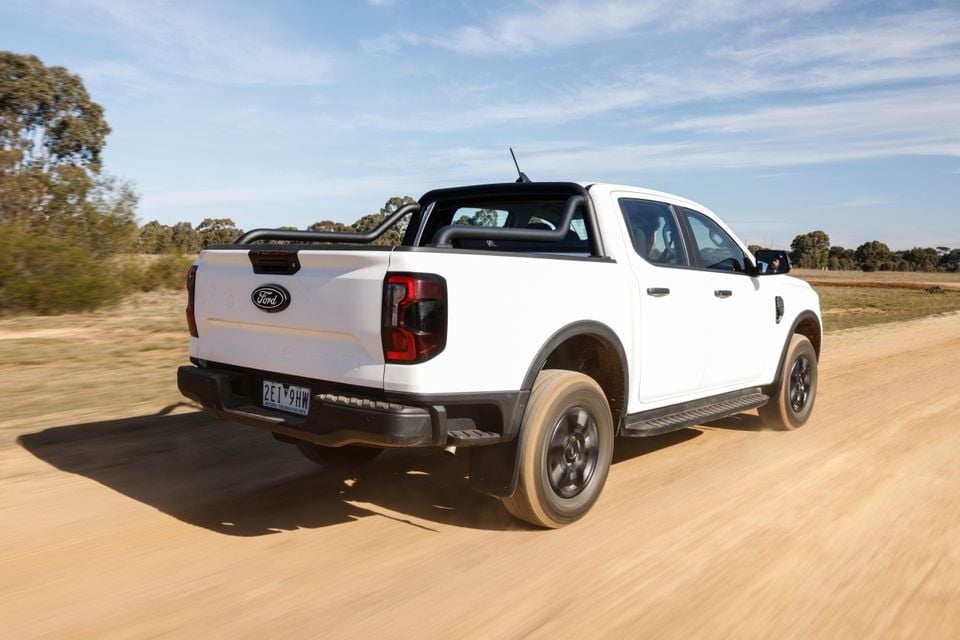
The latest Ranger’s popularity has grown further since then, becoming Australia’s favourite ute and new model overall over the past three years, after it ended the seven-year winning streak of the Toyota HiLux in its first full year on sale.
But while Toyota has rolled out relatively minor HiLux upgrades during the traditional decade-long lifespan of its previously dominant entry in Australia’s booming ute market, the latest Ranger has received updates at least annually – as we saw in 2025 with two model year updates (MY25.25 and MY25.75).
The latter brought with it a range of plug-in hybrid variants for the first time, in addition to four-cylinder and V6 diesel options, plus the unrivalled twin-turbo petrol V6-powered Raptor performance flagship and, more recently, the hardcore Super Duty lineup that’s now outselling Toyota’s iconic 70 Series workhorse.
Now, Ford is rolling out its first Ranger update since the ‘new generation’ HiLux arrived late last year, and the MY26.50 lineup brings a new base diesel engine, wider availability of its class-leading diesel V6 (which is shared with the Volkswagen Amarok produced by Ford in South Africa), and minor design and equipment updates across the range.
Does the Ranger’s less powerful new entry-level single-turbo diesel engine, which replaces the controversial Bi-Turbo diesel four that’s been axed globally, still cut the mustard in the hyper-competitive ute segment?
To find out, we attended the national press launch of the latest homegrown Ranger at its birthplace, Ford Australia’s You Yangs Proving Ground southwest of Melbourne, Victoria.
How much does the Ford Ranger cost?
An upgraded single-turbo 2.0-litre four-cylinder turbo-diesel – with the same outputs as before but now a 10-speed automatic transmission – is the new entry-level engine for the Ranger lineup.
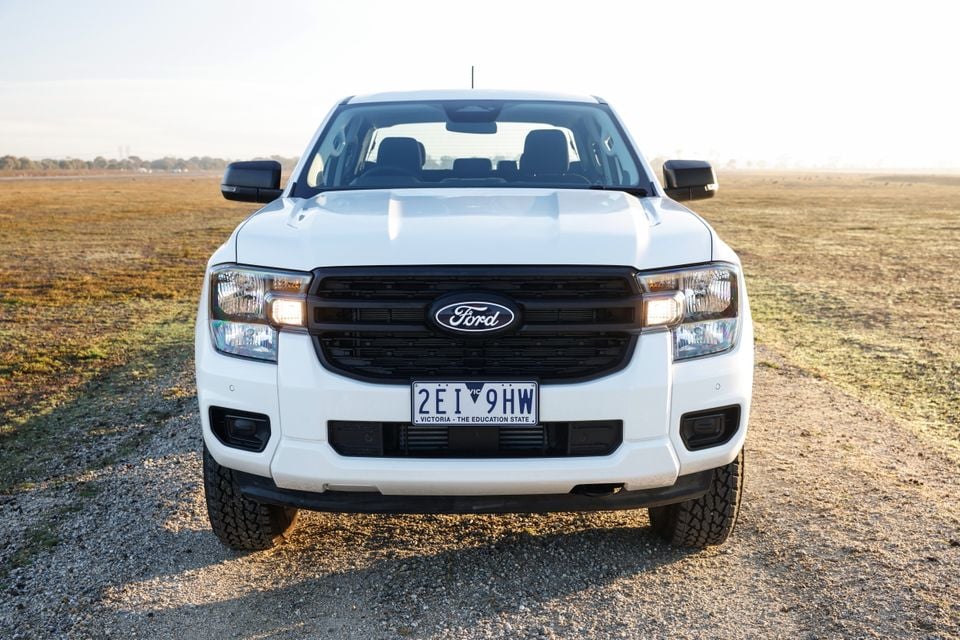
And with the axing of its bi-turbo four-cylinder diesel counterpart, Ford has made the 3.0-litre turbo-diesel V6 more widely available across the MY26.50 Ranger lineup.
Find your perfect new car with CarExpert
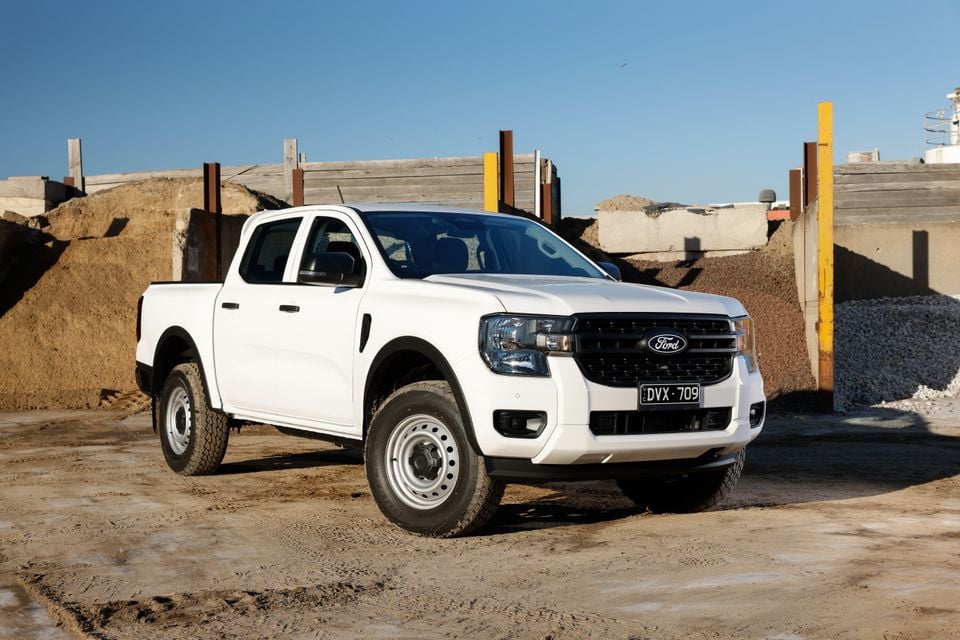
Base pricing remains unchanged at $37,130 plus ORCs, but following price increases in mid-2025 that’s still more than the new HiLux, which opens at $33,990 plus ORCs in manual guise and $35,990 plus ORCs with an automatic.
A manual transmission hasn’t been available in Ranger since the current generation went on sale. Upgrading from rear-wheel drive to four-wheel drive adds $8470 to the list price of the Ranger XL; the V6 is only offered with four-wheel drive.
Ranger 4×2
|
Model |
Price before on-road costs |
|---|---|
|
2026 Ford Ranger XL single cab/chassis 2.0L |
$37,130 |
|
2026 Ford Ranger XL super cab/chassis 2.0L |
$39,630 |
|
2026 Ford Ranger XL double-cab pickup 2.0L |
$43,530 |
|
2026 Ford Ranger XLT double-cab pickup 2.0L |
$52,990 (NEW) |
Ranger 4×4
|
Model |
Price before on-road costs |
|---|---|
|
2026 Ford Ranger XL single-cab/chassis 2.0L |
$45,600 (NEW) |
|
2026 Ford Ranger XL super cab/chassis 2.0L |
$48,100 (NEW) |
|
2026 Ford Ranger XL double-cab/chassis 2.0L |
$50,000 (+$770) |
|
2026 Ford Ranger XL double-cab pickup 2.0L |
$51,400 (+$270) |
|
2026 Ford Ranger XL single-cab/chassis V6 |
$52,100 (NEW) |
|
2026 Ford Ranger Black Edition double-cab/pickup 2.0L |
$53,490 (NEW) |
|
2026 Ford Ranger XL super cab/chassis V6 |
$54,500 (NEW) |
|
2026 Ford Ranger XL double-cab/chassis V6 |
$56,500 (NEW) |
|
2026 Ford Ranger XL double-cab pickup V6 |
$57,900 (NEW) |
|
2026 Ford Ranger XLS double-cab/chassis V6 |
$58,450 (NEW) |
|
2026 Ford Ranger Black Edition double-cab pickup V6 |
$59,990 (NEW) |
|
2026 Ford Ranger XLT super-cab pickup V6 |
$63,790 (NEW) |
|
2026 Ford Ranger XLT double-cab/chassis V6 |
$66,590 (-$600) |
|
2026 Ford Ranger XLT double-cab pickup V6 |
$67,990 (-$1100) |
|
2026 Ford Ranger Wolftrak double-cab pickup V6 |
$70,990 (NEW) |
|
2026 Ford Ranger Tremor double-cab pickup V6 |
$75,090 |
|
2026 Ford Ranger Wildtrak double-cab pickup V6 |
$75,090 |
|
2026 Ford Ranger Platinum double-cab pickup V6 |
$80,090 (-$800) |
|
2026 Ford Ranger Raptor |
$90,690 |
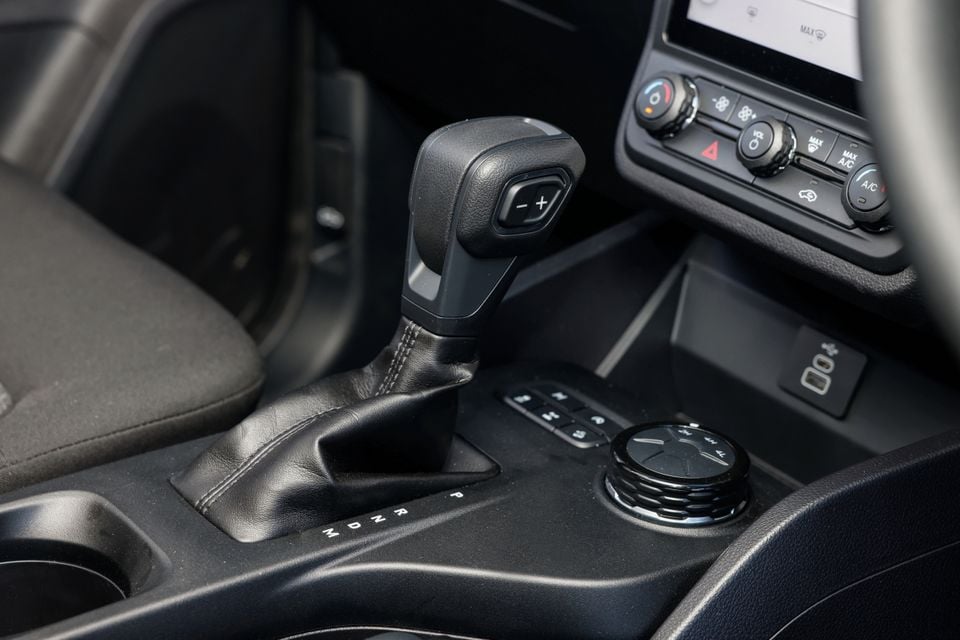
The V6 costs $6500 more than the equivalent-spec XL 2.0-litre 4×4, but the bigger engine also brings 17-inch alloy wheels with all-terrain tyres, rear disc brakes, an ‘e-shifter’ and selectable drive models for the additional outlay.
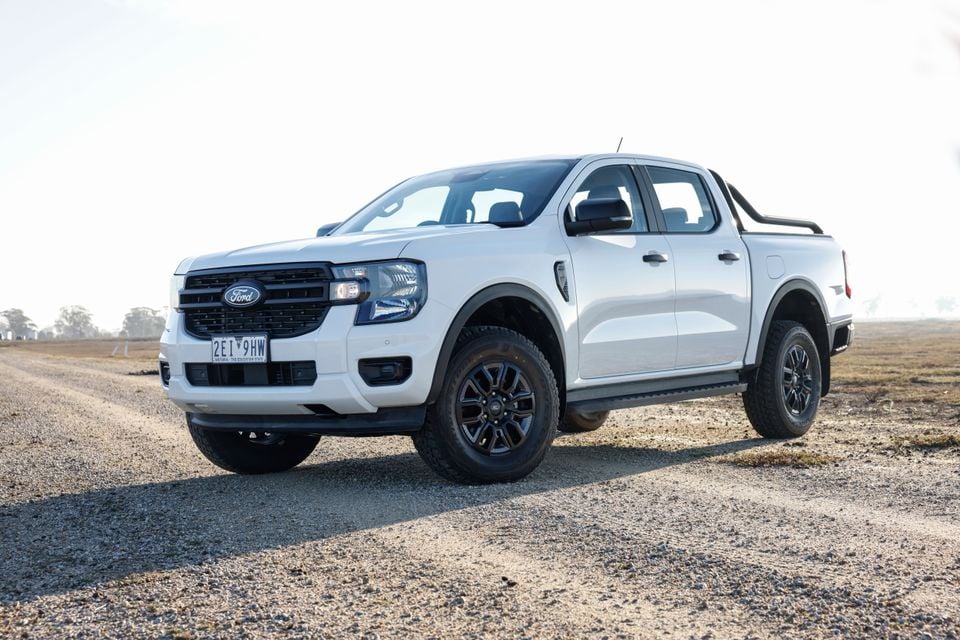
V6 power can now be had in every Ranger model grade for the first time, including the base XL trim, bringing the price of the more powerful engine down by almost $10,000, while the Black Edition dual-cab 4×4 pickup is now a permanent member of the range, available in four-cylinder and V6 guises priced at $53,490 and $59,990 before on-road costs respectively.
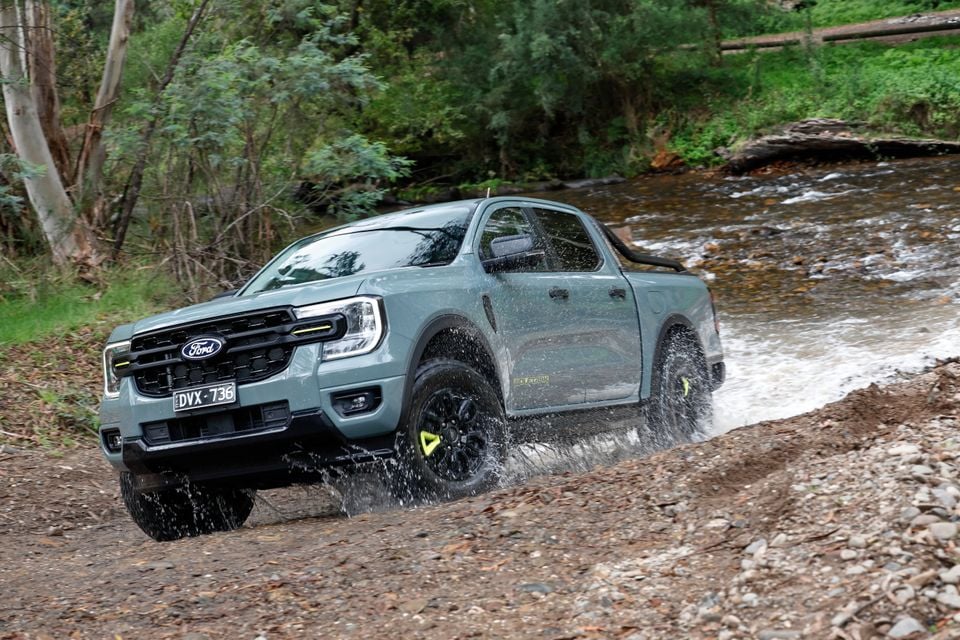
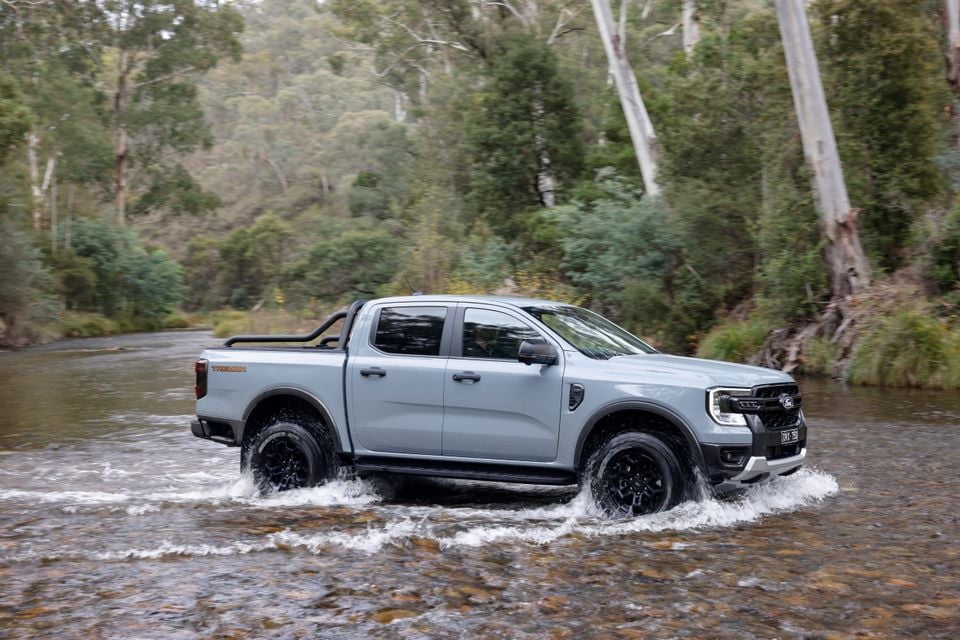
A Wolftrak V6 special edition temporarily joins the range and priced at $70,990 before on-roads positioned between the XLT and Tremor; boasting a sportier black and green aesthetic, fitted with a ‘long legged’ sports bar, lime-green accents, 17-inch Asphalt Black alloy wheels, and an exclusive Traction Green exterior finish.
That’s $600 less than the previous Ranger Sport, which has been dropped as part of the update. And the XLS is now available only as a double-cab/chassis with the optional V6.
The top-shelf Platinum, meanwhile, is $800 cheaper than before and offered in a new Acacia Green exterior paint colour choice.
There have been similar changes across the Ranger PHEV lineup, and the Ranger’s SUV sibling, the Ford Everest, but no changes were announced for the flagship Ranger Raptor, the only variant not to offer 3500kg towing capacity due to its coil-sprung rear suspension setup.
The refreshed Ranger lineup has been available to order since November 2025, ahead of first customer deliveries around mid-year. You can read more details here, and our price and specs article here.
To see how the Ford Ranger stacks up against the competition, use our comparison tool
What is the Ford Ranger like on the inside?
The MY26.50 update brings gloss and matte black details inside and out where chrome or grey was previously used, but the even in premium variants the Ranger cabin still isn’t as classy (or spacious) as newer utes like the BYD Shark 6, MG U9 and Kia Tasman.
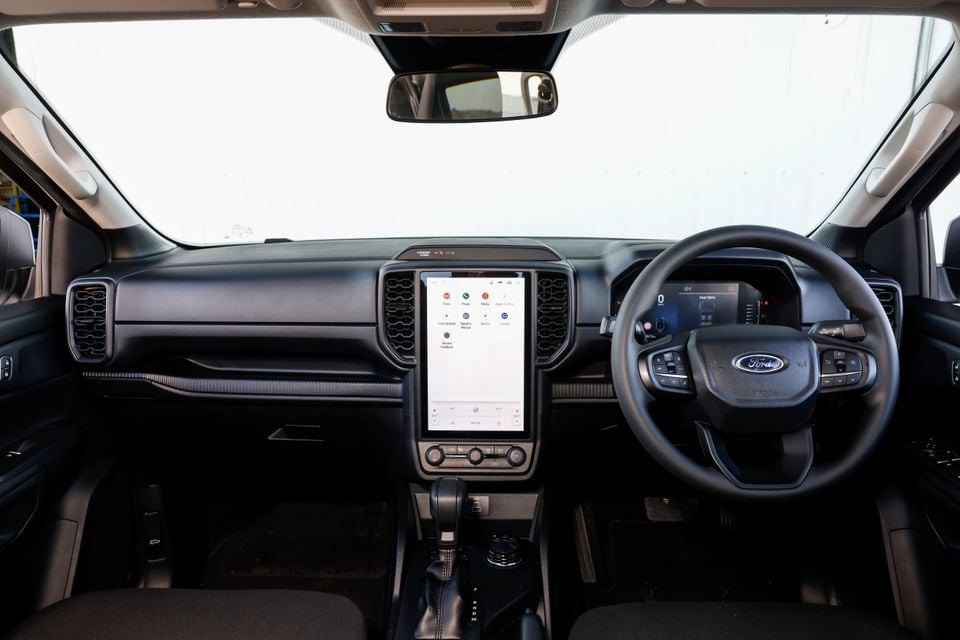
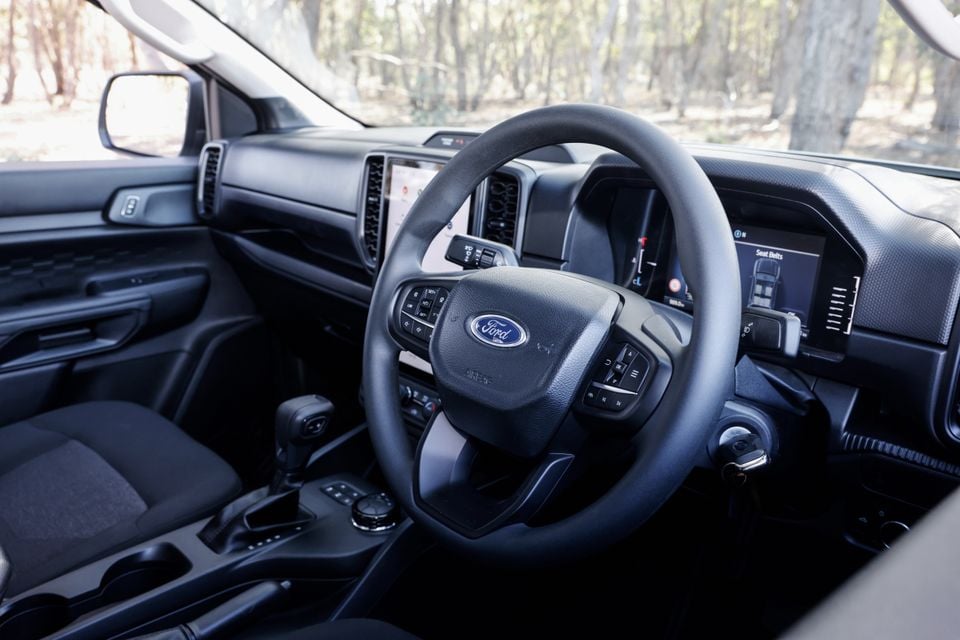
That’s especially true at base level, where the XL and Black Edition have hard black plastic everywhere except the door armrests, and that includes the centre armrest, dashboard and door cards.
They also have a front passenger seat that’s positioned too high, an old-school manual handbrake and turnkey, and fairly boring fabric seat trim.
But many ute buyers will actually appreciate the cabin plastics and upholstery used here, because they’re likely to be more scratch-resistant and hard-wearing than softer surface and trim materials respectively, though variants from Wildtrak level and upwards are SUV-like in their interior presentation and more upmarket touches .
Perhaps more importantly, all Rangers remain a benchmark for functionality and user-friendliness, thanks to a cupholder built into each end of the dash, and the fitment of the larger portrait-style 12.0-inch infotainment touchscreen as standard across the range, including the XL and Black Edition.
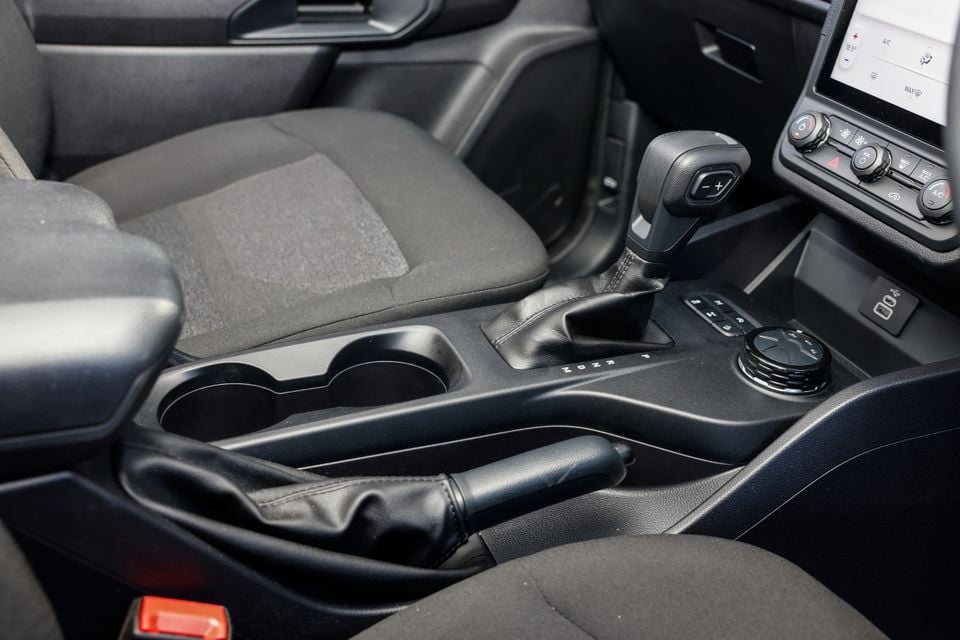
The screen itself is high-quality and leagues ahead of what’s offered in some of the Ranger’s rivals. It’s Ford’s software that makes the difference, offering tidy graphics and snappy loading times.
You can set up wireless smartphone mirroring in a heartbeat too, thanks to software designed to make your life easier, for which we’re grateful because adjusting some functions like the climate system (now dual-zone at base level) are almost entirely screen-only setups.
There are a few buttons and knobs below the screen, but you’ll often find it easier to use the panel at the bottom of it, even if it’s more time-consuming and takes your eyes off the road, and exploring the multitude of menus available takes time, at least initially.
Likewise, the 8.0-inch digital instrument cluster is clean and legible, and navigated via physical buttons on the steering wheel, finished in durable plastic like every other physical control here.
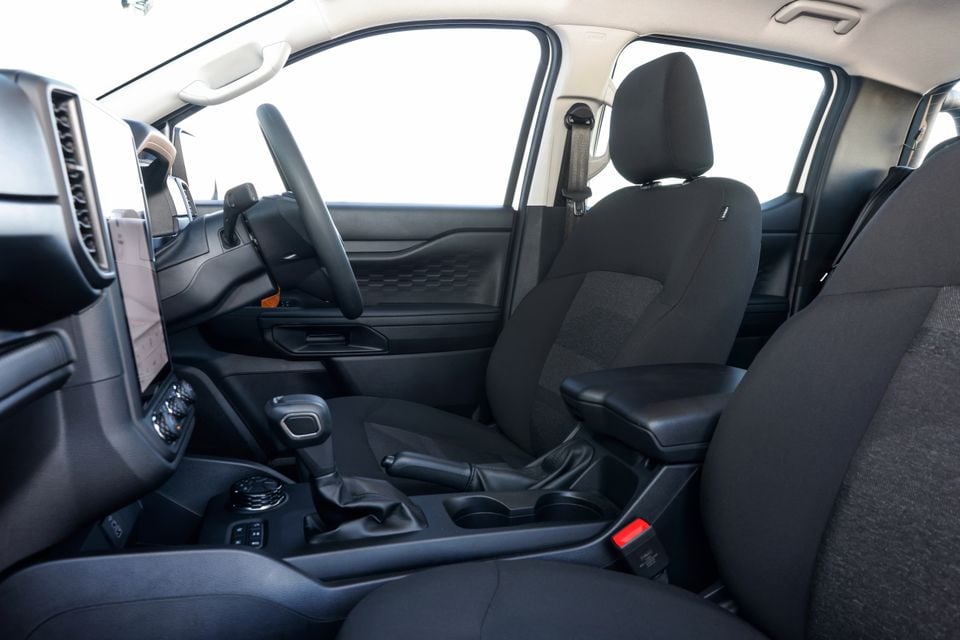
The cabin is comfortable and practical, with well-cushioned front seats offering a wide range of adjustment (at least for the driver), and there are also loads of storage options including another two cupholders in the centre console, a two-tier glovebox, a central cubby with two USB ports (USB-A and -C), and a nicely sized centre console storage box with a 12V outlet inside.
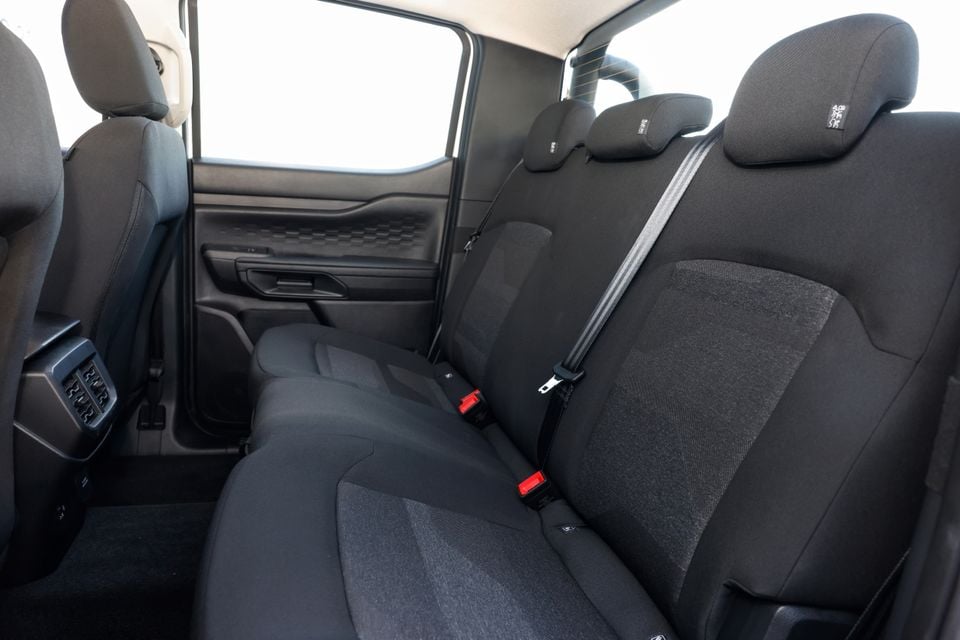
The second row isn’t quite as spacious as that in the Tasman, Shark or U9, but it’s still one of the roomiest in its class and 95th percentile adults will have no trouble fitting behind their own driving positions, even if the seat base itself is a bit flat.
Reinforcing the Ranger’s family-friendliness, there are the requisite ISOFIX and sturdy top-tether points for child seats, dual rear-facing air vents (as in all dual-cab Rangers), a pair of USB ports, and a 10A socket, plus an additional storage space under the bench seat.
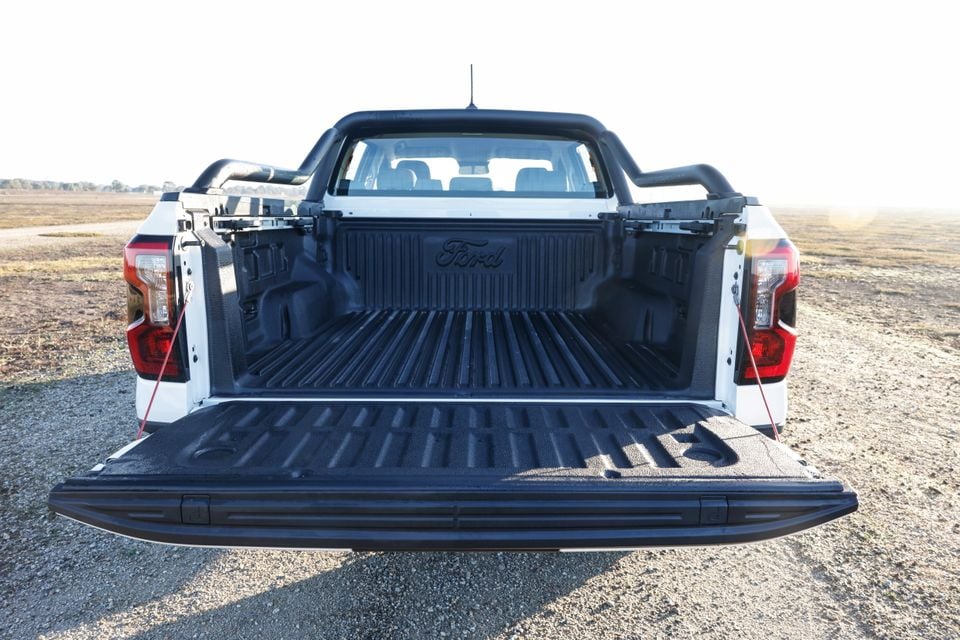
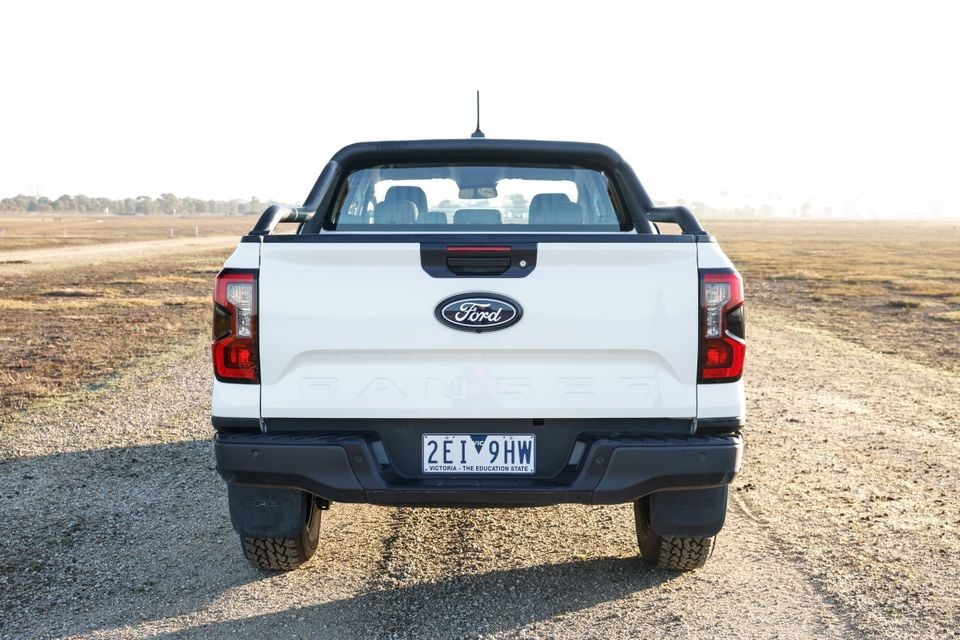
The tub comes standard with a selection of tie-down points, but a range of extras like Ford’s clever Flexible Rack System, which allows you to reposition the rear sports bar to secure long cargo on the roof, as well as a power roller shutter, three canopy options, and even a tow pack will cost more for XL buyers (see below).
Of course, apart from the most popular dual-cab pickup body style, the Ranger continues to be available in single- and extended-cab forms, and in cab/chassis configuration.
|
Dimensions |
Ford Ranger Double Cab |
|---|---|
|
Length |
5403mm |
|
Width |
1924mm |
|
Height |
1878mm |
|
Wheelbase |
3270mm |
|
Tub length |
1605mm |
|
Tub width |
1523mm |
|
Tub depth |
498mm |
To see how the Ford Ranger stacks up against the competition, use our comparison tool
What’s under the bonnet?
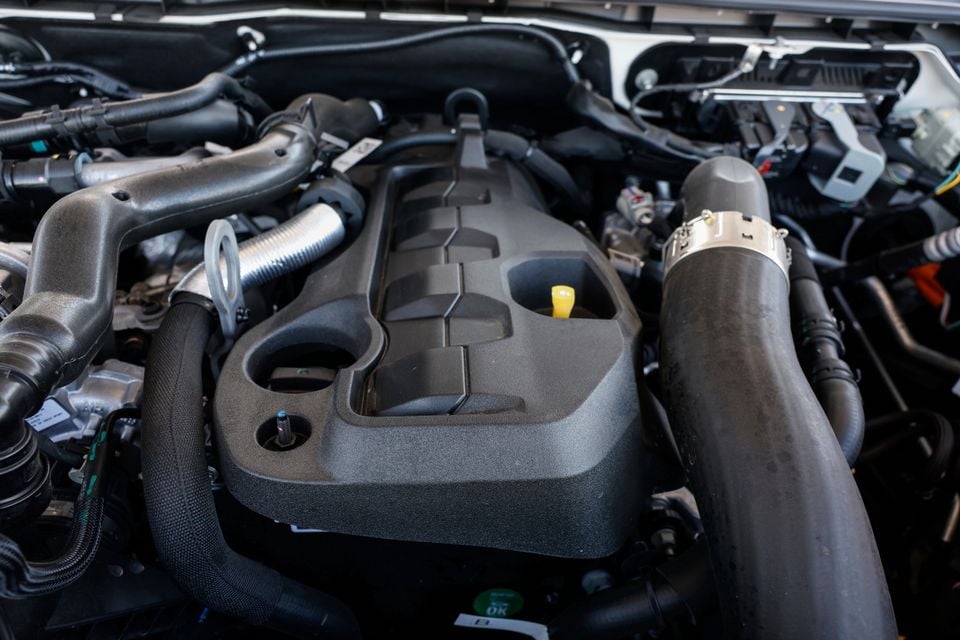
The single-turbo 2.0-litre four-cylinder diesel remains the standard Ranger powertrain, with outputs unchanged from 125kW of power and 405Nm of torque, which is 29kW and 95Nm less than the 154kW/500Nm 2.0-litre bi-turbo engine that’s now been discontinued, and also less than direct competitors including the 150kW/500Nm Hilux (420Nm for manuals).
|
Specifications |
Ranger 2.0L |
Ranger 3.0L |
Ranger Raptor |
|---|---|---|---|
|
Engine |
2.0L turbo-diesel 4cyl |
3.0L turbo-diesel V6 |
3.0L twin-turbo petrol V6 |
|
Power |
125kW |
184kW |
292kW |
|
Torque |
405Nm |
600Nm |
583Nm |
|
Transmission |
10-speed auto |
10-speed auto |
10-speed auto |
|
Drive type |
Rear- or part-time four-wheel drive |
Full-time four-wheel drive |
Full-time four-wheel drive |
|
Fuel economy (claimed) |
6.8-7.2L/100km |
8.3-8.4L/100km (9.4L/100km in Tremor) |
11.5L/100km |
|
Fuel tank |
80L |
80L |
80L |
|
Braked towing capacity |
3500kg |
3500kg |
2500kg |
However, it’s now been updated with a more durable timing chain (rather than the problematic wet belt) to improve reliability, as well as steel pistons, and a new fuel pump, fuel-injectors and calibration. It’s also now matched with a 10-speed automatic transmission (instead of a six-speed unit), and a shorter 3.73:1 final drive ratio.
Ford says the result is the most responsive diesel engine it has ever produced, as well as improved refinement and efficiency. Its official combined fuel consumption figures are 6.8-7.6L/100km (4×2/4×4), an improvement on the outgoing bi-turbo engine’s 7.6-8.2L/100km.
Annual or 15,000km service intervals remain unchanged, as does the Ranger’s 3500kg towing capacity, and the 2.0-litre turbo-diesel engine continues to be available with either rear-wheel drive or part-time four-wheel drive. To get a full-time 4×4 system that can be used on sealed roads, you need to step up to the V6 diesel or the flagship Raptor.
Regardless of 4WD system, a locking rear differential and hill descent control are standard. And heavy-duty suspension is standard on all XL, XLS and Black Edition variants, plus the XLT double-cab/chassis.
To see how the Ford Ranger stacks up against the competition, use our comparison tool
How does the Ford Ranger drive?
There’s no escaping the fact the single-turbo 2.0-litre diesel engine that’s now standard in all non-V6 Rangers produces significantly less power and torque than the Bi-Turbo it replaces, and the larger engine in its most direct rivals.
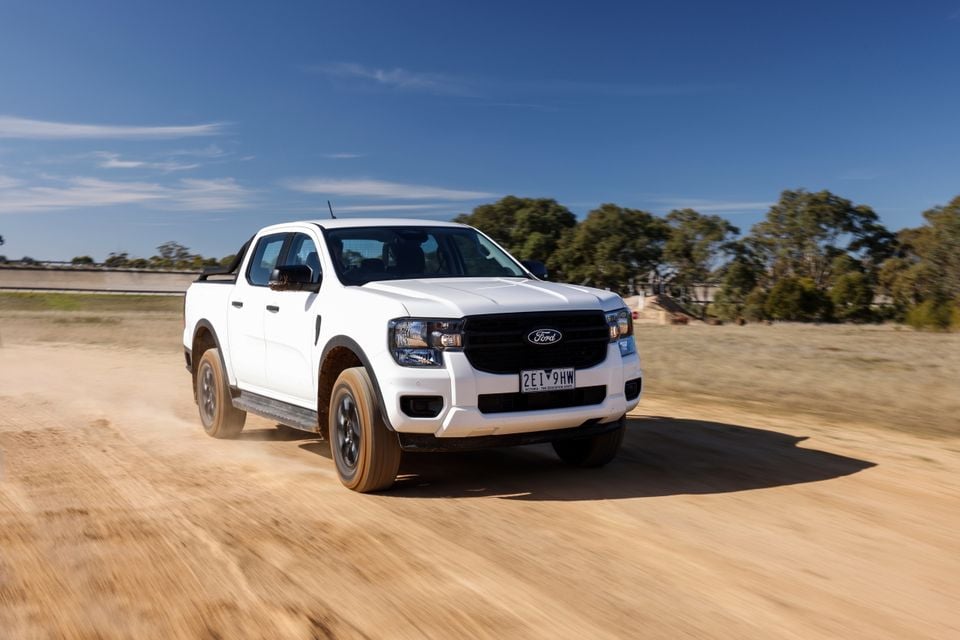
And if you drive it back-to-back with the old Bi-Turbo you’ll notice it’s not quite as punchy in the mid-range, where it offers slightly less urge under load as the revs rise, which may be even more apparent when towing a heavy van or boat.
But the difference isn’t huge and you’d have to be very familiar with the higher-output 2.0-litre engine to notice any real performance deficit in the real world.
And there’s also no doubt it’s more responsive than both previous 2.0-litre turbo-diesels, offering more immediate action from idle and from smaller throttle inputs, as well as perhaps being a little smoother and more refined.
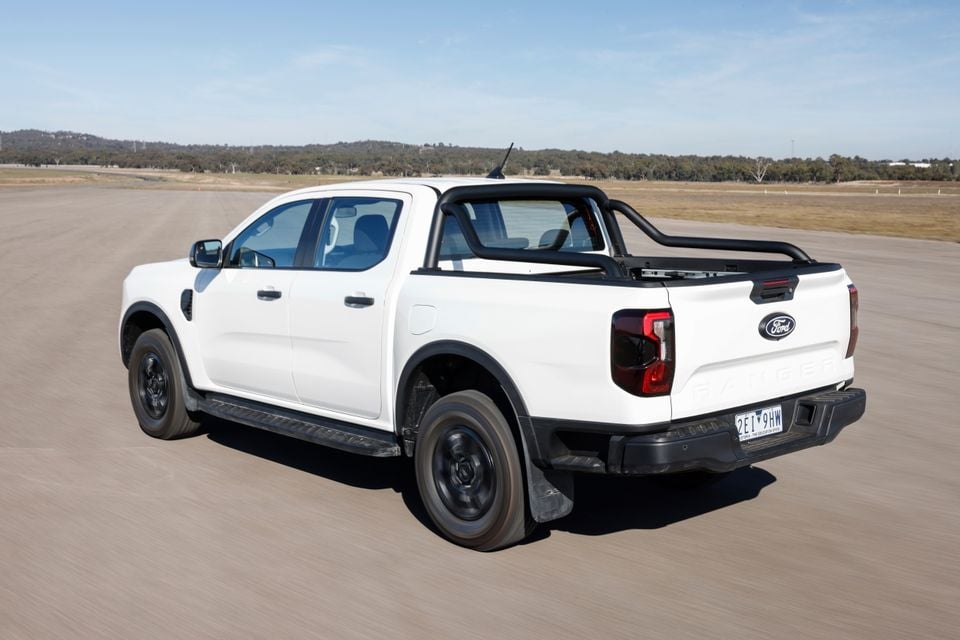
Thanks to an extra four ratios in the 10-speed auto, the Ranger’s new entry-level diesel engine stays in its sweet spot more of the time, offering an overall driving experience that’s similar to the satisfying Bi-Turbo four it replaces.
Part of this is due to the shorter final drive ratio, which doesn’t appear to bring any penalty in terms of fuel consumption, but we’ll need a much longer stint behind the wheel to assess whether it’s actually more economical.
Limited time during our launch drive – which took in relatively straight and flat roads between Melbourne and the You Yangs, where journalists cycled through a range of MY26.50 Ranger and Everest variants including V6s for a variety of on- and off-road tests – prevented us from making more decisive conclusions when it comes to performance, refinement and efficiency.
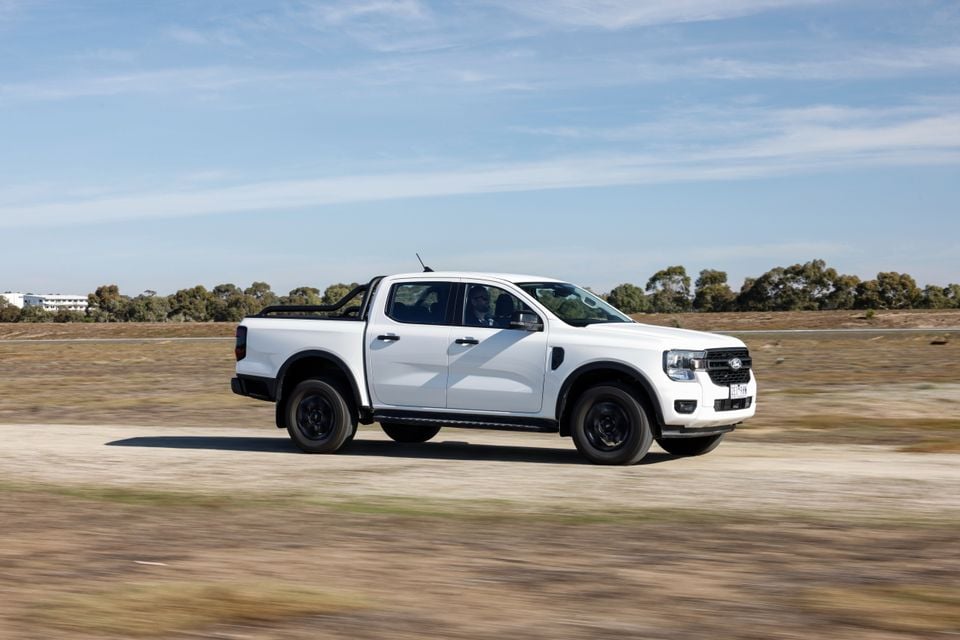
But our first impressions of the Ranger’s new diesel four are positive, notwithstanding its performance reduction on paper, and there are no other mechanical changes to what was already a class-leading ute in terms of ride, handling and the overall driving experience.
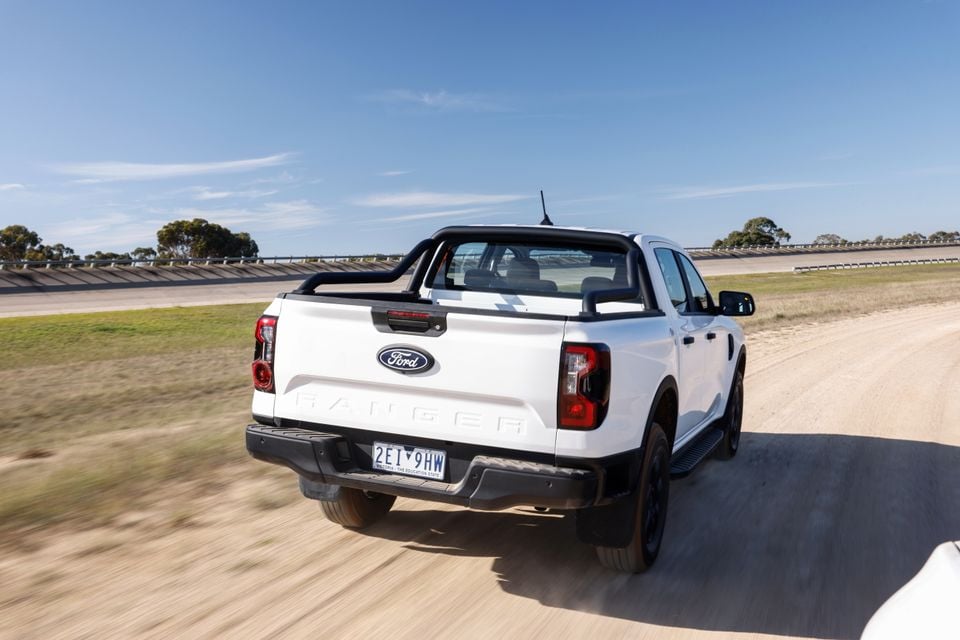
The relatively soft and comfortable suspension tune is the ideal companion for families and tradies alike, without too much compromise to body control. The steering is also relatively direct and nicely weighted, once again suiting a vehicle of the Ranger’s intent.
On the move, road, wind and engine noise all remain acceptable, making all Rangers pleasant to drive day-to-day or during the Big Lap.
From expert reviews to the right deal
CarExpert brings together reviews, research tools and trusted buying support, guiding you from research to delivery with confidence.
This benchmark combination of ride, handling and capability – for both towing and off-roading – is backed by a cohesive suite of advanced safety gear. Unlike many of its current competitors, there are no annoying alerts, either audible or visual, constantly telling you to keep your eyes on the road or the vehicle within its lane.
Yet all of the driver aids work seamlessly and effectively, including the adaptive cruise control, which reliably and confidently follows lane markings on the freeway and responds appropriately to traffic changes. Outward visibility is great, aided by huge side mirrors and a decent-quality surround-view camera.
And of course, beyond the new single-turbo diesel engine, the Ranger continues to offer lustier V6 diesel performance, a smooth and frugal petrol-electric PHEV option, and an unmatched twin-turbo petrol V6 in the Raptor.
|
Ford Ranger |
Single-cab/chassis |
Super-cab/chassis |
Double-cab/chassis |
Super and double-cab pickup |
|---|---|---|---|---|
|
Length |
5525mm |
5525mm |
5525mm |
5370mm (all except Raptor) |
|
Width (excl. mirrors) |
1918mm |
1918mm |
1918mm |
1918mm (all except Raptor) |
|
Height |
1872mm |
1866mm |
1875-1886mm |
1875mm-1886mm (all except Raptor) |
|
Wheelbase |
3270mm |
3270mm |
3270mm |
3270mm |
To see how the Ford Ranger stacks up against the competition, use our comparison tool
What do you get?
There are eight trim levels available for the diesel-powered MY26.50 Ranger, with the petrol-powered Raptor remaining the flagship variant of the ute lineup.
Above the entry-level XL, the Ranger XLS is now available in dual-cab/chassis guise only, and exclusively with the V6 engine. Further up the chain, the XLT double-cab/chassis now comes with heavy-duty suspension as standard, while V6 versions of the XLT and Wildtrak feature a roof-mounted auxiliary switch bank.
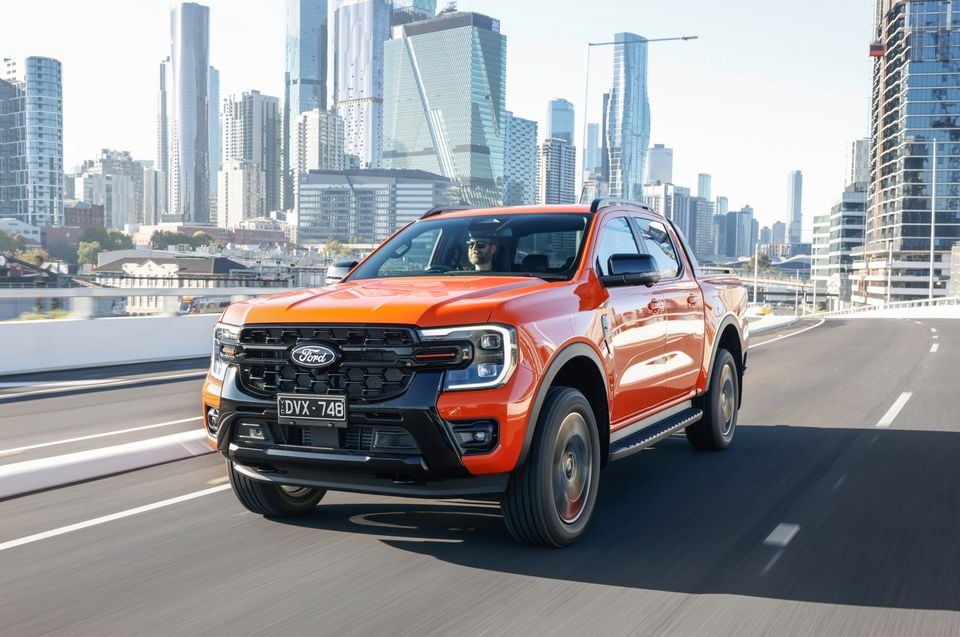
Ranger Wildtrak also comes with a new Ignite Orange ‘hero’ colour, a fresh 18-inch alloy wheel design and standard matrix LED headlights, with the cabin also now fitted with a 10-speaker B&O sound system as standard.
A 12.0-inch touchscreen infotainment system is standard across the range, while the Wildtrak gains standard matrix LED headlights and a 10-speaker B&O Premium sound system – both previously optional.
2026.50 Ford Ranger XL standard equipment highlights:
- 16-inch steel wheels (2.0L)
- 17-inch steel wheels (NEW, V6)
- Full-size spare
- Rear disc brakes (NEW, V6)
- Power-folding exterior mirrors (NEW, double cab only)
- Electronic gear shifter (NEW, V6)
- Selectable drive modes (NEW, V6)
- 12-inch touchscreen infotainment system (NEW)
- Wireless Apple CarPlay and Android Auto
- Dual-zone climate control (NEW)
- Rear air vents (NEW, double cab only)
- Leather-wrapped e-shifter (NEW, V6)
- 2-speaker sound system (single cab)
- 4-speaker sound system (super and dual cab)
The XLS adds:
- 17-inch alloy wheels in all-terrain tyres
- Side steps
- Carpeted floors
- Driver’s floor mat
The Black Edition adds:
- 17-inch alloy wheels in all-terrain tyres
- LED tail-lights
- Drop-in tub liner
- ‘Long-legged’ sports bar
- Cargo management system
The XLT adds (over XLS):
- 17-inch alloy wheels in all-terrain tyres
- LED headlights
- LED tail-lights (pickups only)
- LED front fog lights (4×4 only)
- Rain-sensing wipers
- Drop-in tub liner (double-cab pickup)
- Spray-in tub liner (super-cab pickup)
- ‘Premium’ cloth upholstery
- Satellite navigation
- Electrochromatic rear-view mirror
- Proximity entry with push-button start
- Wireless phone charger
- 6-speaker sound system
The Wolftrak adds (over XLT):
- 17-inch Asphalt Black wheels in all-terrain tyres
- Zest exterior accents
- Honeycomb grille
- Heated, power-folding exterior mirrors with puddle lights
- ‘Long-legged’ sports bar
- 2 x front tow hooks
- Cargo management system
- Mud/Rut, Sand drive modes
- Pro-Trailer Backup Assist
- Overhead auxiliary switch bank
- Vinyl upholstery
- Traction Green interior accents
- All-weather front and rear floor mats
The Tremor adds (over XLT):
- 17-inch Asphalt Black alloy wheels in General Grabber AT3 all-terrain tyres
- Large wheel arch mouldings
- Front steel bash plate
- Composite side steps
- ‘Long-legged’ sports bar
- 2 x front tow hooks
- Tow tongue hitch
- Honeycomb grille with auxiliary grille LED lights
- Heated, power-folding exterior mirrors
- Puddle lights
- 30mm increase in track width
- Off-road suspension and steering
-
- Bilstein position-sensitive dampers with external reservoirs
- 26mm increase in ground clearance
- Heavy-duty electric power-assisted steering gear with shielding
- Trail Turn Assist
- Trail Control (off-road adaptive cruise control)
- Rock Crawl drive mode
- Overhead auxiliary switch bank
- All-weather floor mats
- Vinyl upholstery
- 8-way power-adjustable driver’s seat
The Wildtrak adds (over XLT):
- 18-inch alloy wheels in all-terrain tyres
- Matrix LED headlights
- Sailplane
- 8-way power driver’s seat
- Heated front seats
- Leather-accented upholstery
- 10-speaker B&O sound system
- Ambient lighting
The Platinum adds:
- 20-inch alloy wheels with all-season tyres
- Cargo management system
- Flexible Rack System
- Black roof
- 12.4-inch digital instrument cluster
- 10-way power driver’s seat with memory
- 10-way power passenger seat
- Ventilated front seats
- Heated, leather-wrapped steering wheel
- Auxiliary switch bank
In addition to its unique exterior styling and twin-turbo petrol V6 engine, the Raptor adds:
- 17-inch alloy wheels in BF Goodrich KO2 all-terrain tyres
- Baja and Rock Crawl drive modes
- Fox racing 2.5-inch live valve suspension
- 8-way power passenger seat
The Raptor misses out on the Platinum’s ventilated front seats and heated steering wheel.
Options
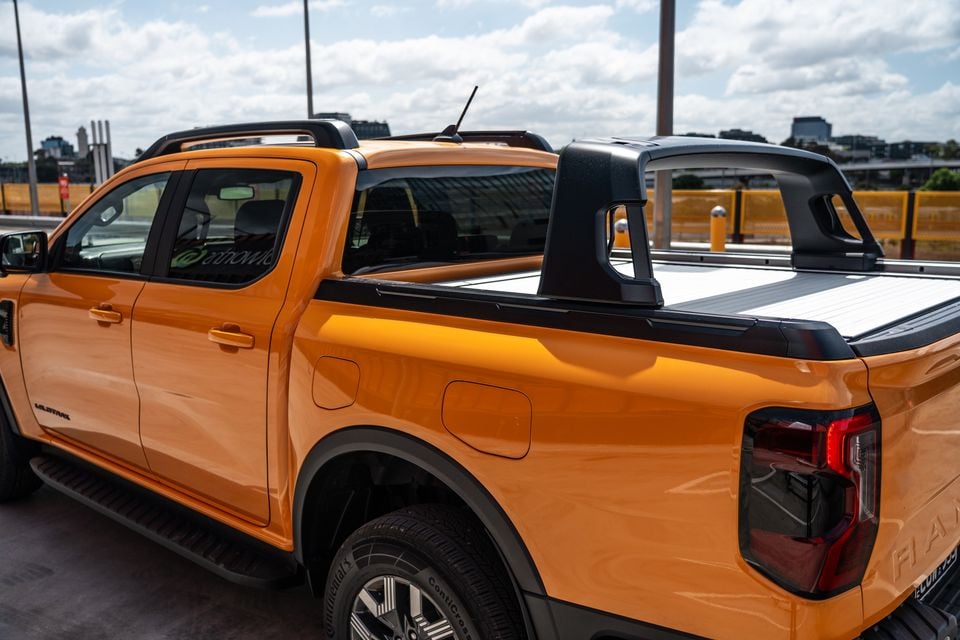
Several option carry over from the MY26 Ranger. Ford has reduced the price of its flexible rack system from $2800 to $1900, and made its auxiliary switch bank optional on all XLT and Wildtrak V6 variants; the latter also gain the availability of the optional cargo management system.
2026 Ford Ranger options:
- The following options are available:
- XL Towing Pack: $1950, XL only
- XL 17-inch wheel pack: $950, XL 2.0L only
- XLT Touring Pack: $750, XLT V6 cab/chassis only
- XLT Touring Pack: $1500, XLT V6 pickup only
- Tremor Touring Pack: $1050, Tremor only
- Wildtrak 20-inch wheel pack: $800, Wildtrak only
- Power roller shutter: $3900
- Flexible rack system: $1990
- Lift and slide canopy (factory-fit): $4500
- Dual lift canopy (factory-fit): $4700
- Commercial canopy (factory-fit): $4700
- Auxiliary switch bank: $450
- Cargo management system: $450
Colours
Arctic White is the standard exterior colour on all Rangers bar the Wolftrak, which comes standard with either Shadow Black, Command Grey or Traction Green exterior finishes. These are the only finishes offered on the Wolftrak.
Luxe Yellow and Equinox Bronze paint have been removed from the colour palette, but new finishes include Wolftrak-exclusive Traction Green, Platinum-exclusive Acacia Green and Wildtrak-exclusive Ignite Orange.
Ford has also moved to blackened trim and other dark exterior accents on the Ranger XLT, Wildtrak and Platinum, with each of these trim levels also receiving new wheel designs.
The following exterior finishes are available for $750:
- Aluminium (excludes Raptor)
- Meteor Grey
- Shadow Black
- Command Grey (Tremor and Raptor only)
- Blue Lightning (XLT, Tremor and Raptor only)
- Code Orange (Raptor only)
- Ignite Orange (Wildtrak only)
- Acacia Green (Platinum only)
To see how the Ford Ranger stacks up against the competition, use our comparison tool
Is the Ford Ranger safe?
The Ford Ranger has a five-star ANCAP safety rating, based on testing conducted in 2022.

|
Category |
Ford Ranger |
|---|---|
|
Adult occupant protection |
84 per cent |
|
Child occupant protection |
93 per cent |
|
Vulnerable road user protection |
74 per cent |
|
Safety assist |
83 per cent |
All Rangers come standard with adaptive cruise control, autonomous emergency braking, blind-spot monitoring, rear cross-traffic alert (with trailer coverage on XLT), Reverse Brake Assist, front and rear parking sensors, and a reversing camera
Wolftrak, Tremor, Wildtrak, Platinum and Raptor variants also get a surround-view camera, which is optional on the XLT.
XLT and up get ‘intelligent’ adaptive cruise control, which also includes stop/go and lane-centring functionality, plus tyre pressure monitoring.
All cab/chassis Rangers come with the added driver assist tech (DAT) ‘bar’, including a digital reversing camera and rear parking sensors, reverse brake assist, blind-spot monitoring and rear cross traffic-alert, plus Ford’s ‘trailer coverage’ feature, enabling full functionality of the DAT systems while towing.
Standard safety equipment highlights:
- 9 airbags, incl:
-
- Driver’s knee
- Front-centre
- Passenger knee
- Adaptive cruise control
- Autonomous emergency braking (AEB)
-
- Car, pedestrian and cyclist detection
- Junction assist
- Blind-spot monitoring
- Driver attention monitoring
- Front parking sensors
- Lane departure warning
- Lane-keep assist
- Rear cross-traffic alert (pickup only)
- Rear parking sensors (pickup only)
- Reversing camera (pickup only)
Ranger XLT adds:
- Blind-spot monitoring incl. Trailer Coverage
- Intelligent adaptive cruise control incl. stop/go (diesel only)
- Lane-centring (diesel only)
- Rear cross-traffic alert
- Traffic sign recognition (diesel only)
- Tyre pressure monitoring
Ranger Sport PHEV adds:
- Intelligent adaptive cruise control incl. stop/go
- Lane-centring
- Traffic sign recognition
Ranger Wildtrak adds:
- Off-road screen
- Pro Trailer Backup Assist
- Surround-view camera
To see how the Ford Ranger stacks up against the competition, use our comparison tool
How much does the Ford Ranger cost to run?
Ford Australia backs its range with a five-year, unlimited-kilometre warranty. MY26.50 Ranger service intervals remain 12 months or 15,000km, whichever comes first.
|
Servicing and Warranty |
Ford Ranger |
|---|---|
|
Vehicle warranty |
5 years, unlimited kilometres |
|
Roadside assistance |
12 months, then service-activated up to 7 years |
|
Service intervals |
12 months or 15,000km |
|
Capped-price servicing |
5 years |
|
Total service cost |
$1995 |
Service pricing is yet to be announced for the updated Ranger, but it’s unlikely to change from the outgoing model’s, which stands at $399 per service for each of the first five annual/15,000km scheduled services.
To see how the Ford Ranger stacks up against the competition, use our comparison tool
CarExpert’s Take on the Ford Ranger Black Edition
While its most direct competitors take a more relaxed approach, Ford continues to roll out upgrades for its best-seller.
The Ranger’s Bi-Turbo engine has not been without its problems, and its replacement doesn’t live up to its on-paper performance.
But the new single-turbo diesel is based on an engine that’s been tried and proven over many years and many millions of kilometres in Transit vans all over the world, and brings improvements in terms of response, refinement and efficiency.
If the highest power and torque figures for the lowest number of dollars is your number-one prerequisite, you’ll need to look elsewhere. But for everyone else, this latest upgrade should keep the Ranger ahead of the pack.
CarExpert can save you thousands on a new Ford Ranger. Click here to get a great deal.
Click the images for the full gallery