
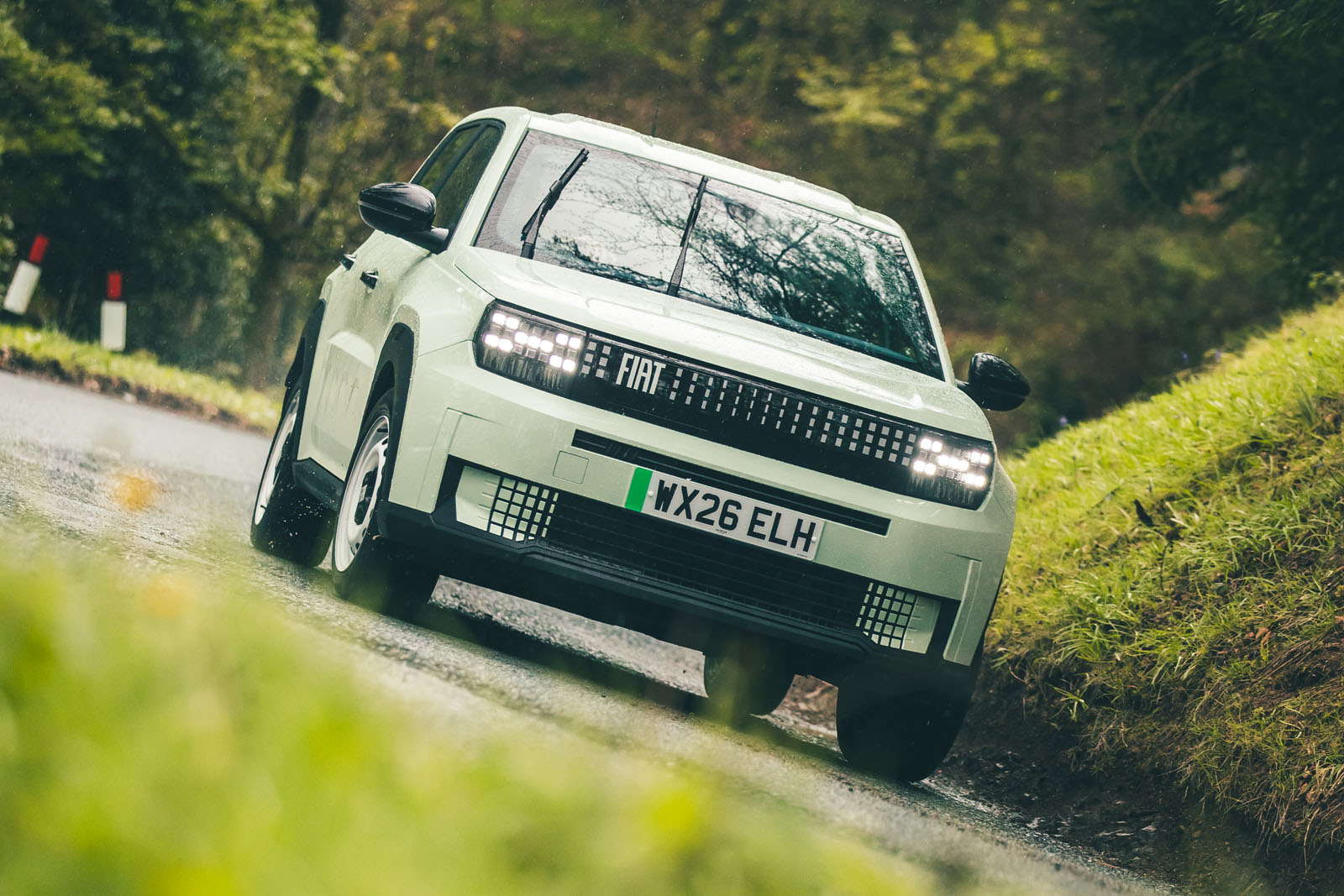

Fiat Grande Panda shows the price gap between ICE and EV is narrowing, if not profitability
EV sales surged by 59% last month, with many car makers linking the rise to the Iran war
At what point will EVs be attractive enough to consumers that the government can stop bankrolling them?
The electric alternative for cars and vans has long needed an incentive nudge because they cost more.
The Electric Car Grant (ECG) reduces the price by £3750 or £1500, depending on a convoluted formula, and it will run until March 2030. But now we have an alternative shove that’s proving very effective: higher fossil fuel prices caused by the Iran war.
EV sales jumped 59% last month to capture a 26% market share. Many car makers, including Renault, seller of the month’s most popular EV, the 5, linked the jump to the war as buyers looked to cut their fuel bills.
Car makers have long complained that organic EV demand lags behind the levels demanded by the government – 33% this year. The real figure is said by EV lobby group New AutoMotive to be 25%, which includes flexibilities such as selling more PHEVs.
So is organic demand now in line with the government-mandated figure? The car makers say no, but then they would: to admit the opposite would risk the government turning off the ECG taps, job done.
But the affordability problem reduces with every launch. The established brands are being forced by both legislation and the Chinese to speed-learn how to cut the cost of making EVs, and the fruits are seen in new models such as the Fiat Grande Panda Electric, priced from £20,995.
That doesn’t tell the full story, though. EVs’ list prices may be tallying with ICE equivalents’ in many cases, but Europe’s car makers are still subsidising their sales.
Volkswagen, for example, says profits on EVs still trail those of its ICE models. Cars such as the ID Polo are closer than first-wave EVs like the ID 3, but it says the gap won’t be closed until the end of the decade.
Without the ECG, car makers selling in the UK would be at the mercy of Chinese brands, which leverage state subsidies, a streamlined supply chain and an indomitable competitive streak in their bid to gain market share. The ECG money, not available to the Chinese, is helping to close that gap.
Meanwhile, the fuel-price bump could flatten when (if) a resolution to the Iran conflict emerges.
Incentives should remain until the EV market has proven resilient in all scenarios.