
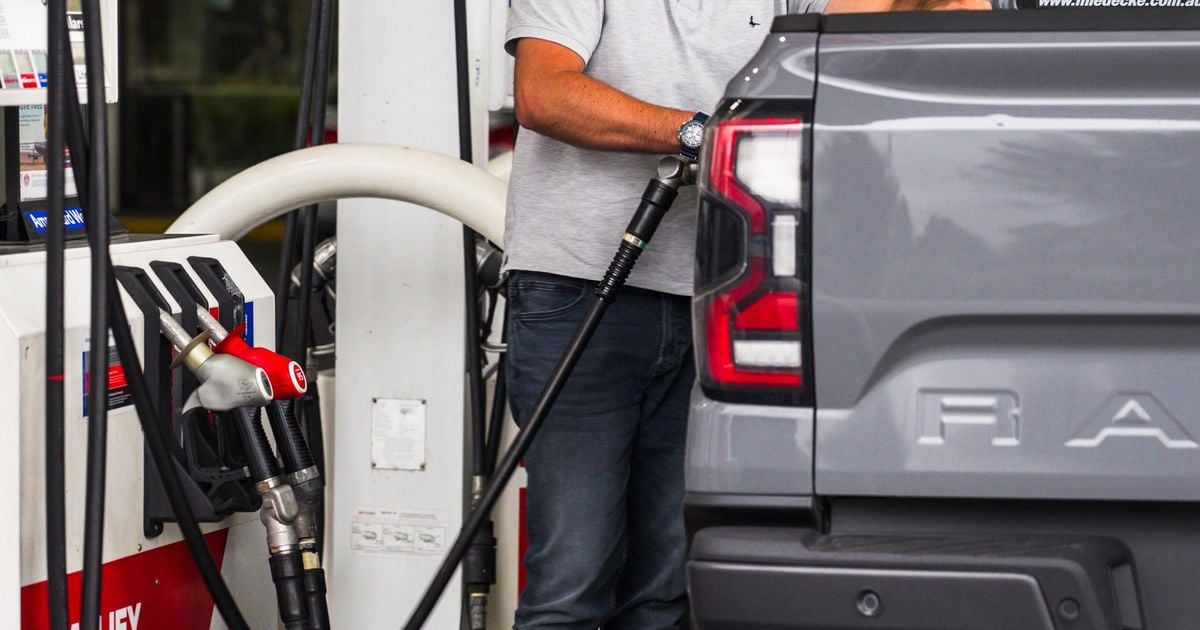
Motorists are set to pay more at the pump from July 1, 2026, with the federal government set to end the current fuel excise discount on petrol and diesel – but it won’t slug electric vehicle (EV) drivers with a road user charge, either.
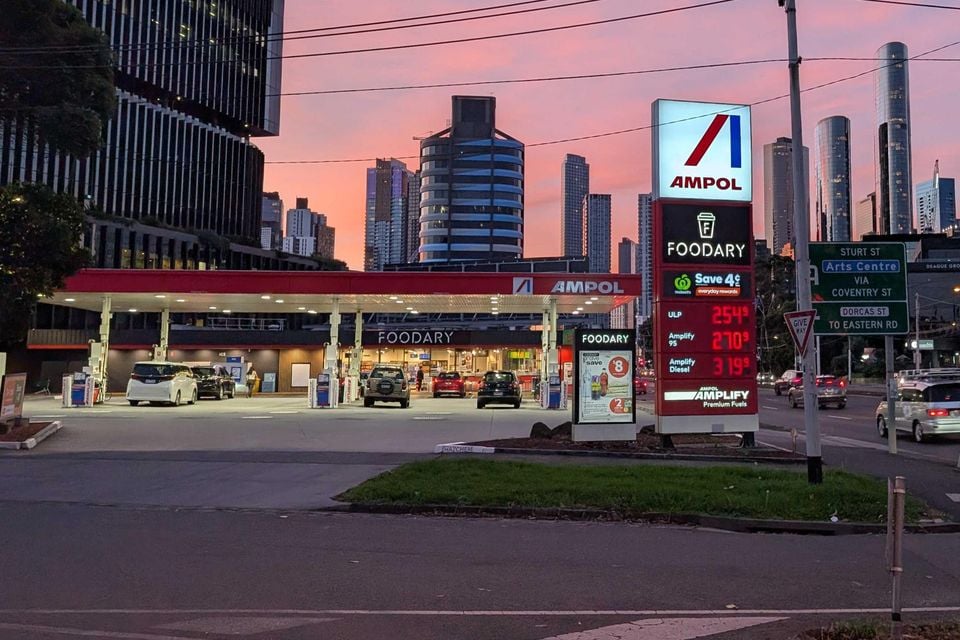
The reduction in the excise was introduced as a relief measure for record fuel prices, which saw petrol jump to as much as $2.45/L, and diesel skyrocketing to as much as $3.50/L in some parts of the country.
The April 1, 2026 measure saw the fuel excise of 52.6c/L cut for Australian motorists to 20.6c/L for a period of three months and resulted in almost instant reductions in pump fuel prices.
On the same day, the federal government also scrapped the 32.4c/L heavy vehicle road user charge for the same timeframe as uncertainty over fuel supply due to conflict in the Middle East remained.
CarExpert can save you thousands on a new car. Click here to get a great deal.
The three-month program will cost the federal government $2.9 billion in lost revenue, according to its own figures, with state and territory governments chipping in $400 million.
This came as the states and territories agreed to use the higher amount of money collected through the Goods and Services Tax (GST) due to record fuel prices to fund an additional reduction of 5.7c/L.
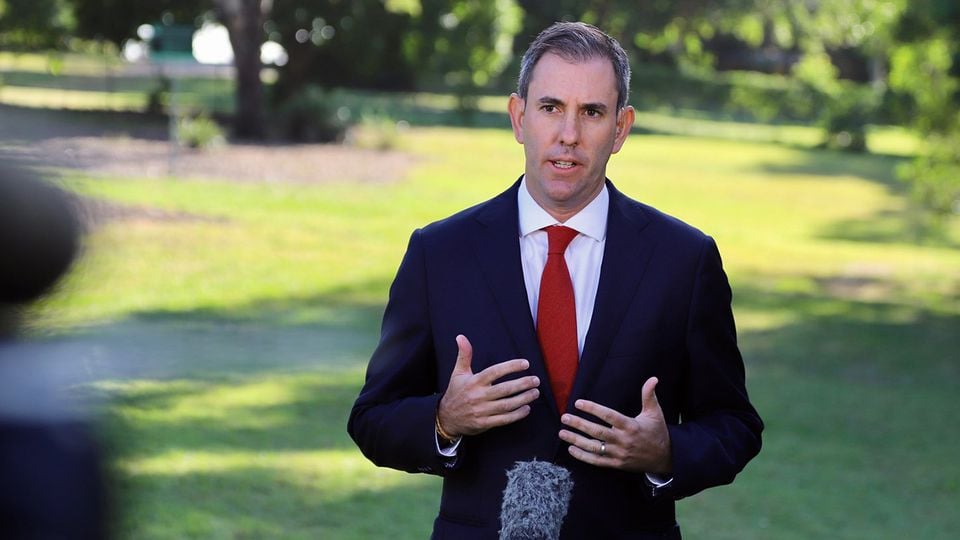
Despite no firm end to the hostilities in the Middle East, an extension to the July 1 end date was not included in the 2026 Federal Budget announced by Treasurer Jim Chalmers last night.
The projected fall in excise due to record sales of EVs, which saw an unprecedented 16.4 per cent market share in April, had been expected to be recouped somewhat by the introduction of a national EV road user charge.
Yet the Federal Budget projects fuel excise revenue to increase from $22.78 billion in the 2025-26 financial year to $31.33 billion by the end of the decade.
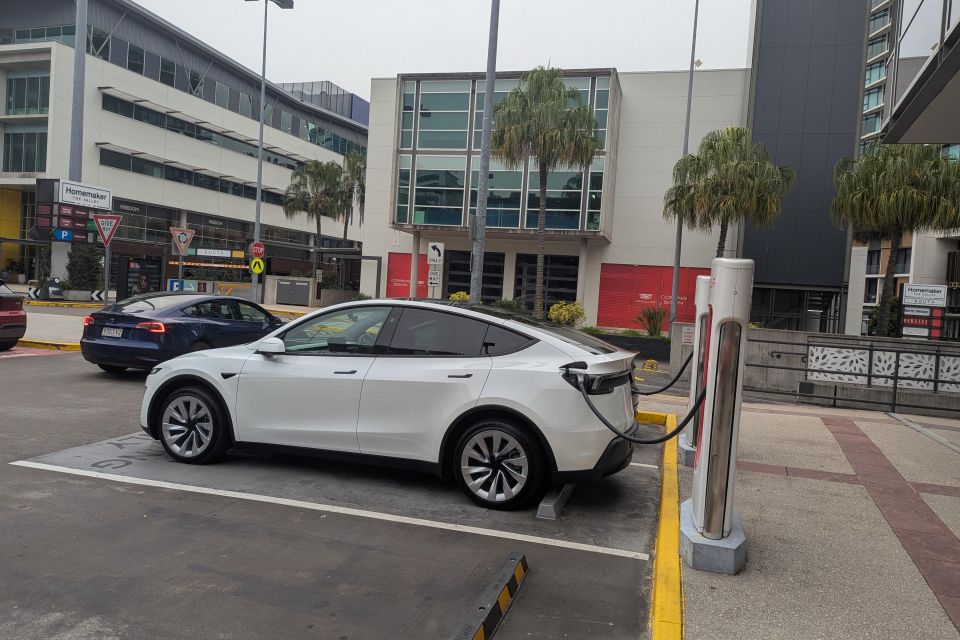
An EV road user charge for EVs – which of course aren’t subject to any fuel excise – appears to have been put on hold for the time being.
While not fully formed, it was envisaged such a scheme would force EV drivers to pay a fee per kilometre travelled.
The Australian Automobile Association (AAA) opposed the government’s pulling back on the EV road user charge, criticising the reduction in reinvesting money raised by the excise to fund road maintenance and infrastructure projects.
It said only 70 per cent of excise funds will be reinvested in roads, lower than the 79 per cent previously forecast.
“The AAA calls on the government to start planning now for a road-user charge to be introduced in the 2027 Federal Budget,” said AAA managing director Michael Bradley in a statement responding to last night’s Federal Budget.
“Australia needs a distance-based road-user charge with the revenue directed to funding recharging stations and other upgrades needed to support the rapid growth of electric vehicle ownership.
“The time to act is now. As EV uptake grows, it will become increasingly difficult to fund the necessary infrastructure and to implement a new road-user charge.”
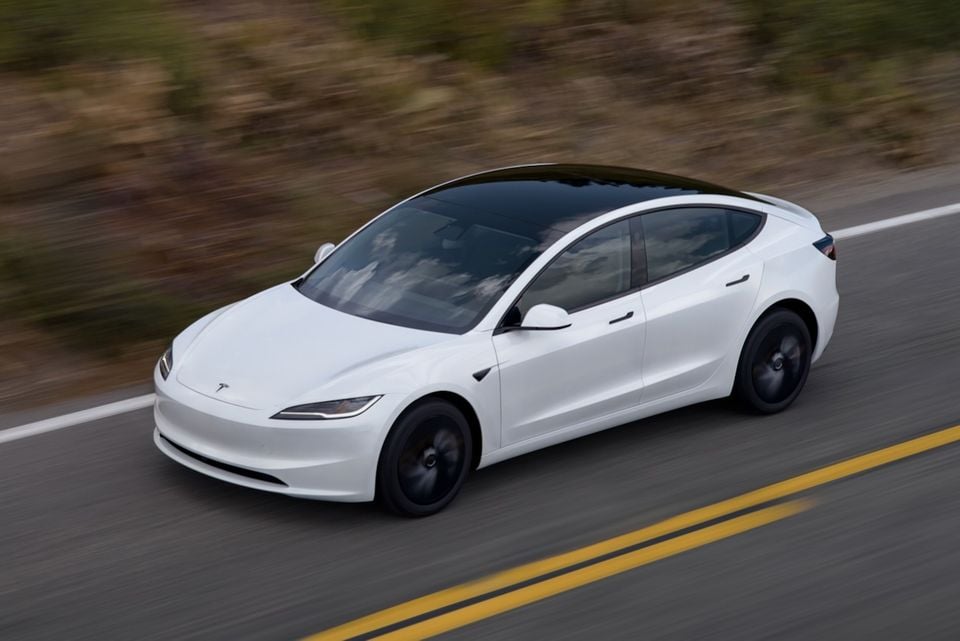
Previously expected to be announced as part of this year’s Federal Budget and implemented in 2028, Transport Minister Catherine King poured cold water on the move last month.
“At the moment we’re trying to encourage as much electric vehicle uptake as we possibly can, we don’t want to disincentivise that at all, so there is a balance to be struck here,” Ms King said to ABC Insiders.
“We want to try and not disincentivise electric vehicle uptake, particularly right at the moment when we are seeing such a surge in that, so it may not be the time for it right now.”
In what the Treasurer described as ‘targeted support for electric vehicles’, the federal government also included its previous announcement that the Electric Car Discount (ECD) will continue, albeit in a reduced form from 2027.
The ECD sees EV company cars exempt from Fringe Benefits Tax (FBT) for vehicles below the current $91,387 Luxury Car Tax threshold, with this to be lowered to $75,000 in 2027.
From April 1, 2029, all eligible EVs below the LCT threshold will receive a 25 per cent discount on payable FBT instead.
Ahead of the release of the Federal Budget, the government also announced a $10 billion investment into increasing domestic fuel supply.
MORE: Australian Government pledges to secure more fuel as part of $10 billion investment
MORE: Australia’s EV incentives extended, but they’re being wound back