
If we ask any avid motorcyclist about which bike(s) they would add to their dream garage, there will easily be three or more offerings, each catering to dedicated purposes like track racing, touring, off-roading, and urban duties. While the image of all these motorcycles lined up in a well-lit garage is drool-worthy, it is quite a handful to ride and maintain them all equally.
This is why most riders jump right into reality and focus on getting a solid do-it-all motorcycle. There are many such offerings across segments, including cruiser bikes and even sport bikes. But a specific Yamaha tourer ticks almost all the right boxes, including all-day urban-going duties, and shows us why owning multiple motorcycles is unnecessary.
The Dream Of Owning Multiple Motorcycles

We did mention that owning more than one motorcycle is literally a dream affair. However, if you have a lot of money, real estate, and time at your disposal, owning multiple motorcycles can help you evolve as a motorcyclist tenfold. This is because a rider has the luxury of experiencing different engine configurations, performance profiles, and geometries at their own free will.

However, the greatest flex this brings is the “right tool” for every task. Want to go for a relaxing weekend highway run? There’s the touring bike. Want to go for challenging off-road sessions? Pick the dual-sport or the dedicated off-roader. What about less challenging trail runs? There’s the less-appreciated scrambler. Fancy a spirited track day? The sport bike is at your service. Going on a cross-country trip across changing terrains? An ADV fits the bill perfectly.

Shuffling continuously between the various motorcycles also reduces wear and tear and spreads the mileage across. This should, in theory, result in an extended lifespan and preserved resale value should you choose to sell any of the bikes. Then there’s the fact that you will always have a backup motorcycle in times of emergencies.

The Bike That Turns Cross-State Trips Into Casual Rides
This potent six-cylinder bagger strikes an impressive balance between long-distance comfort and value
The Convenience Of One “Do-It-All” Motorcycle

Realistically, an average motorcyclist can, at most, own two motorcycles at a time. This is keeping everything from financial liabilities to garage size, responsibilities, and riding time in mind. Hence, a do-it-all motorcycle makes perfect sense in balancing practicality and desire. Versatility is key here as these motorcycles allow riders to seamlessly transition between commuting, long-distance touring, trail runs, and enjoying those countryside curves.

Comfort, ergonomics, utility, and even fuel efficiency are catered to well here. It is highly cost-effective too, with a single motorcycle simplifying maintenance, lowering insurance premiums, and reducing overall ownership costs, compared to multiple bikes. There are plenty of do-it-all bikes across segments. Some popular examples include the Yamaha MT-07, the Kawasaki Versys 650 LT, the Honda NC750X DCT, the Honda CBR650R E-Clutch, the Honda Rebel 1100 DCT, and the Honda Transalp, among others.

The Bike Riders Choose When They Want One Motorcycle For Everything
This Japanese motorcycle is versatile enough to serve as a commuter, tourer, and light adventure bike for just over $10,000.
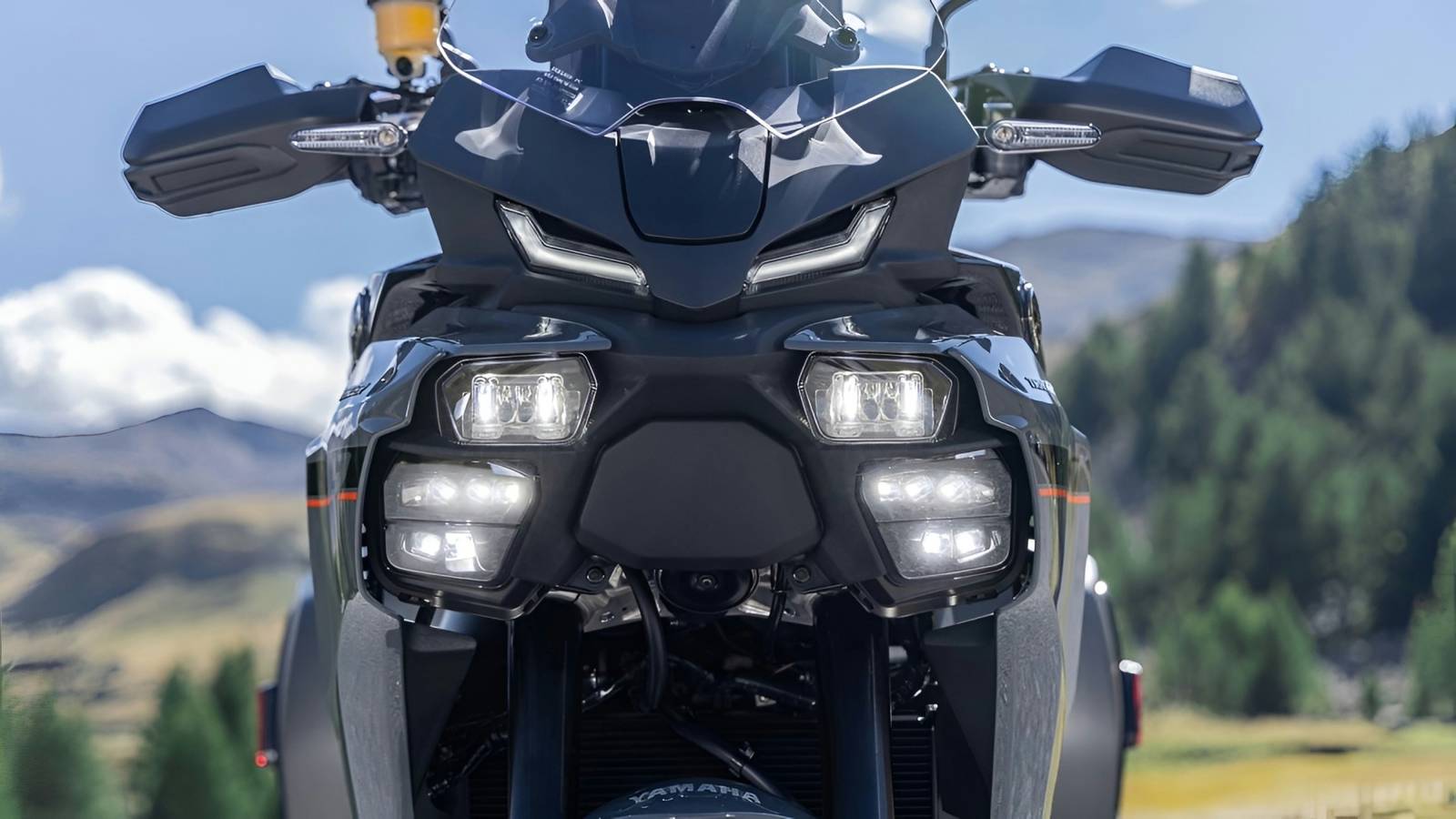
The 2026 Yamaha Tracer 9 Shows Multiple Bikes Are Unnecessary
Price: $12,599

Being a tourer, the Yamaha Tracer 9 already ticks the ‘touring’ box right away. It excels at munching up miles thanks to a sizable five-gallon fuel tank and a commendable 48 MPG fuel economy rating. This translates to a maximum riding range of 240 miles. This is backed by its versatile, proven engine, which can easily transition between slow urban runs and high-speed highway runs without a hiccup.

Then there’s the combination of a flexible chassis, compact form factor, and road-focused wheel size and tire material. All of these help this cozy mile-muncher also be a spirited corner carver. Beyond these features, the Yamaha Tracer 9 offers a healthy dose of technology, comfort, and convenience that further enhance its versatility. All of this for under $13,000 is truly value for money.

10 Best Touring Motorcycles For Relaxed Weekend Rides
Tour in total comfort with these 10 top-rated sport and full-dress touring motorcycles, built for big miles, smooth rides, and stress-free weekends.
Powered By A Tractable CP3 Engine

Powering the Yamaha Tracer 9 is the tried-and-tested CP3 inline-three engine. This 890cc mill, in different states of tune, is also utilized on the Yamaha MT-09 streetfighter, the XSR900 retro-styled roadster, and the recently introduced Yamaha YZF-R9. This clearly highlights the engine’s versatile nature. On the Tracer 9, this triple produces 117 horsepower at 10,000 RPM and 68.6 pound-feet of torque at 7,000 RPM. Power is sent to the rear wheel via a six-speed manual and a final chain drive.
That Can Be Both Calm And Feisty At Will

Courtesy of dyno runs conducted by our friends at Cycle World, we are enlightened by how well the performance curve is spread out. The Tracer 9’s engine makes about 70 percent of its peak torque at just 3,000 RPM. As for power, it steadily increases from just under 2,000 RPM to 10,000 RPM. This is what enables the Tracer 9 to remain calm during urban rides, offer composed triple-digit speeds during touring runs, and put a wide grin on your face during spirited runs. A standard slip-and-assist clutch further smooths the overall experience.

The Affordable ADV That Quietly Wins Against The Africa Twin
The CFMoto Ibex 800 E just might be the budget-friendly adventure bike that beats the Honda Africa Twin in features and value
Versatile Underpinnings Make The Tracer 9 Curve-Ready

Underpinning the Tracer 9 is a lightweight aluminum diamond main frame coupled to a bolt-on sub-frame. Completing this whole package that balances structural rigidity and weight is an aluminum swingarm. The chassis is suspended on 41mm inverted KYB forks up front. These come with preload and rebound damping adjustability and offer 5.1 inches of travel. The rear gets a preload- and rebound-damping-adjustable monoshock that offers 5.2 inches of travel.

Braking duties are taken care of by dual 298mm discs coupled to radially mounted four-piston fixed calipers up front. The rear gets a 267mm disc coupled to a single-piston floating caliper. Complementing the Tracer 9’s cornering capabilities further are its tarmac-spec 120/70 front and 180/55 rear tires wrapped around 17-inch aluminum wheels, which help reduce unsprung mass and enhance nimbler riding.

The Tourer Built For Riders Who Plan To Keep It Forever
No other touring bike holds up like this one. It’s the last bike you’ll ever need to buy for long-term, real-world use.
Slim Dimensions Make Riding It Easy In The City

Yamaha has managed to keep the Tracer 9 relatively compact and slim despite its tall-riding design. It has a compact 59.1-inch wheelbase and a length of 85.6 inches. It is also 35.4 inches wide and 57.5 inches tall. The seat height is adjustable from the factory and can be set to 33.3 or 33.9 inches. Furthermore, despite getting a lot of touring-focused bits, including the standard lockable weatherproof panniers, the Tracer 9 weighs 483 pounds.

Also, the saddlebags are quick-release units that can be easily replaced to navigate tight urban roads. The rider triangle is relaxed for extended comfort. Yamaha has also designed the seat to be wide and long to provide ample room for the rider to adjust ergonomics. All of these features help this sporty tourer fit a busy urban road like a glove.

The Bike That Feels Right No Matter Where You Ride
There are no wrong situations when it comes to the Honda Africa Twin Adventure Sports!
Loaded Electronics Perfectly Stitches Its ‘Do-It-All’ Appeal Together

Yamaha has loaded the Tracer 9 with commendable electronics. The cockpit is adorned by a seven-inch TFT screen with three display themes. The riding experience is enhanced by features such as five ride modes (Sport, Street, Rain, and two user-defined ones), a variable speed limiter, and ride-by-wire.

It comes with a six-axis IMU that seamlessly stitches together its extensive list of safety and assistive features, including ABS and lean-angle-sensitive traction control. Surprisingly, this tourer also gets MotoGP-derived tech like a slide control system, a rear slip regulator to reduce rear-wheel lock-up under aggressive engine braking, and a front-wheel lift control. Optional features like a bi-directional quickshifter and heated grips show us the range this touring bike can possess.
Source: Yamaha Motorsports