
As an avid rider myself, I understand the appeal of having one motorcycle that can do it all. Typically, every motorcycle has its own strength or area of expertise – whether that be commuting, multi-day touring, gravel roads, or the racetrack. Understandably, buying separate bikes for each is impractical for most people. That’s why finding a motorcycle that can handle all of the above well – without necessarily having to outshine in one particular area – can be fairly challenging. However, that doesn’t mean there aren’t any that can do it.
The Motorcycle Market Has Few Bikes That Can Do Everything

The motorcycle industry, naturally, gravitates towards specialization. Manufacturers create focused products designed to dominate specific segments. This approach works well for riders with clear priorities and a realistic idea of how they intend to use their bikes.
Specialization Creates Compromises

But it’s this specialization that can also hold a bike back in other areas. Sportbikes deliver track-capable performance but will punish you over long highway stretches with their aggressive ergonomics and relatively stiff suspension. Similarly, ADVs, with their larger wheels and taller suspension, can handle trails and dirt roads confidently but can feel cumbersome in traffic. The list goes on – every bike that excels at something will compromise elsewhere.

Which is why several motorcycles today feel like crossovers of two categories, offering the best of both worlds – like dual-sports that tone down pure off-road capability to add some on-road manners, and sport tourers that take sportbike capabilities and add touring comfort and ergonomics.
The Sport Touring Segment Fills That Gap

Sport touring motorcycles prioritize versatility by combining high performance with comfortable ergonomics and practical features. The segment makes perfect sense for riders who want strong acceleration and capable handling along with long-distance comfort and luggage capacity. A good sport-touring machine, like the Ducati Multistrada V4 or Suzuki GSX-S1000GX+, can feel like a supersport on stilts, and that’s a pretty sweet balance for most riders. They’re also typically well-equipped towards the higher end of the spectrum, with comprehensive electronics that allow one bike to work well across varying scenarios.

10 Sport Tourers That Nail The Sweet Spot Between Speed And Comfort
All these sport tourers mix go-fast fun with long-haul comfort.
Suzuki Builds On A Proven Foundation

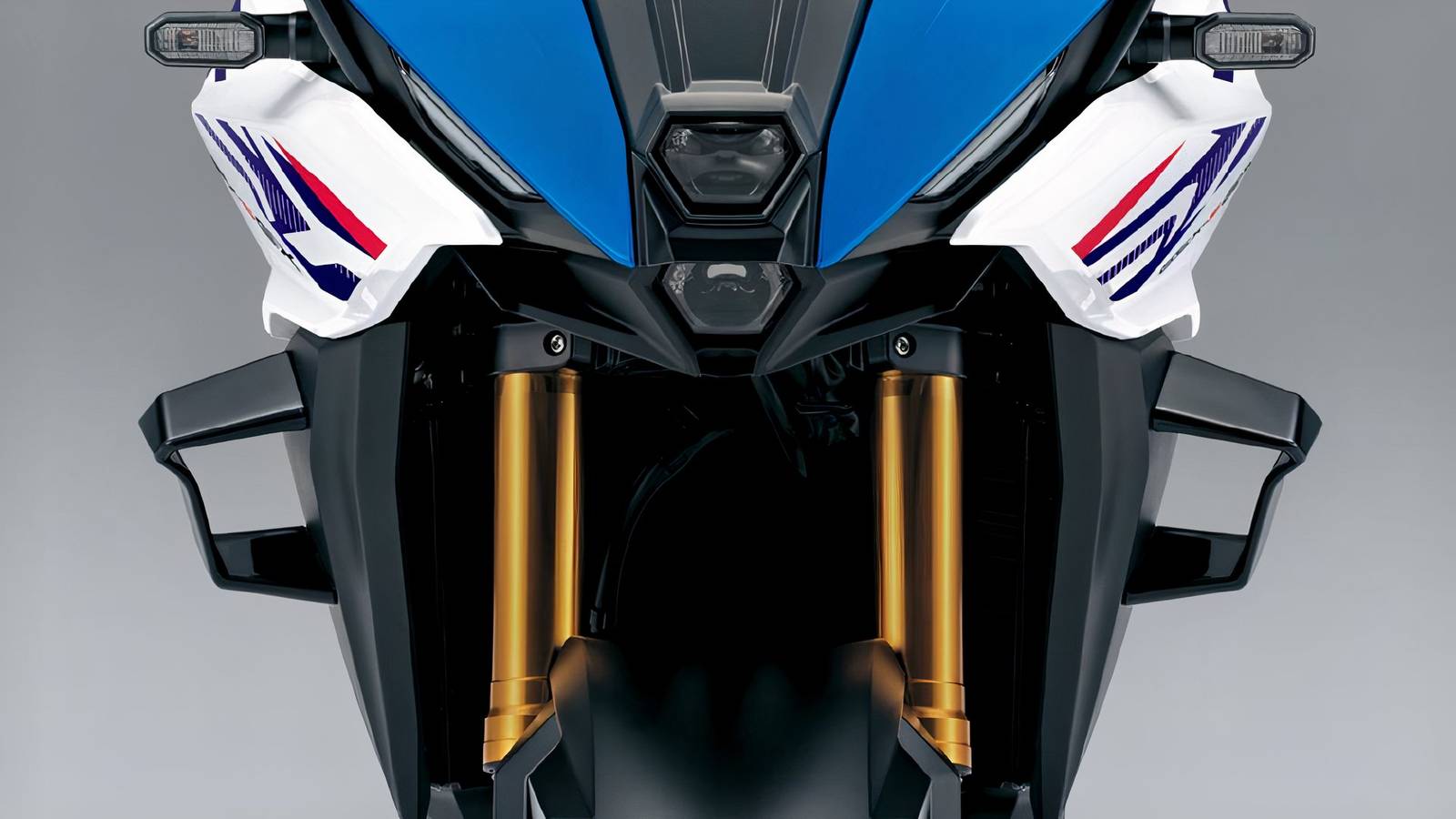
Suzuki entered the sport touring segment several decades ago. The GSX line now comprises multiple models and categories – from the supersport GSX-R to the more street- and touring-oriented GSX-S models. Of the lot, the one that arguably offers the best blend of performance and versatility is the GSX-S1000GX+, which the brand says “represents Suzuki’s vision of what a luxury crossover bike should offer.” Unlike the GSX-S1000GT, which is more of a road-biased touring model, the GX+ combines elements of both sport and adventure tourers.
The GSX-R1000 Engine Gets A Second Life

At the heart of the GSX-S1000GX+ is a familiar and potent 999cc inline-four engine derived from the championship-winning GSX-R1000. The engine produces peak output figures of 152 horsepower and 78.2 pound-feet of torque. While these aren’t segment-shattering figures on paper, Suzuki has tuned the engine to emphasize mid-range torque over peak horsepower, with the help of revised cam profiles, new intake ports, and altered fueling.

If you’ve ever ridden a modern-day Suzuki, you know these bikes have well-refined and smooth engines, and owners of the GSX-S1000GX+ also attest to the same. The six-speed transmission features close ratios optimized for spirited riding and works alongside the Suzuki Clutch Assist System, which reduces lever effort and prevents rear-wheel hop during aggressive downshifts.
The GX+ Trim Adds More Capability

The GX+ shares its core architecture with the GSX-S1000GT+ but incorporates elements from the Suzuki V-Strom 1050. The resulting motorcycle combines the aluminum twin-spar frame with upright ergonomics and longer suspension travel than the GT variant. The riding position enables a good balance between sportbike agility and touring comfort.

As the brand’s flagship sport crossover variant, standard equipment is comprehensive and includes 25.7-liter hard side cases that can accommodate a full-face helmet, a center stand, and knuckle guards. The 2026 model starts at $18,749, positioning it competitively against most other alternatives in the segment.
Electronics That Cover All Bases

The GX+ comes with the Suzuki Intelligent Ride System, which integrates multiple electronic aids into a cohesive package. The system includes three ride modes that adjust power delivery and electronic intervention levels. You also have the option to choose from five levels of traction control or disable it completely. Other features include a bi-directional quickshifter, cruise control, and slope-dependent control. Most of this can be toggled or controlled via a crisp 6.5-inch TFT that integrates Suzuki’s mySPIN connectivity system for smartphone functions including navigation, music, and phone calls.

10 Suzuki Bikes That Deliver Real Adventure For Real Riders
The rarest Suzuki motorcycle that packs real adventure is the 1980s DR750S, featuring one of the biggest single-cylinder engines ever made.
The Suzuki GSX-S1000GX+ Is A Versatile Motorcycle

Versatility requires more than just adequate performance across multiple categories, and that’s something the GSX-S1000GX+ delivers on. It allows you to use the motorcycle in different scenarios without accepting major compromises or requiring extensive modification.
Impressive Ergonomics And Suspension

One of the standout features on the motorcycle is the adaptive suspension system. The Suzuki Advanced Electronic Suspension, as the brand calls it, automatically adjusts compression and rebound damping based on riding conditions, throttle position, and brake input. You can choose between three preset modes plus a customizable option, with the suspension adapting every millisecond to changing conditions.
Aside from the adaptive suspension, another feature that enhances the bike’s practicality and usability is the ergonomics. The seat height measures a reasonable 33.3 inches, making the bike accessible for average-height riders while offering enough room for taller ones. The handlebar and footpeg placement result in a fairly neutral position that’s suitable for both relaxed cruising and more aggressive riding.
Standard Luggage Fitment

The factory-installed side cases integrate seamlessly into the GSX-S1000GX+ design. Each case holds 25.7 liters, which should be sufficient for at least a couple of days’ worth of luggage – perfect for a weekend getaway, or even longer if you pack smart. The system features rigid mounting points and a secure locking mechanism for worry-free riding, and doesn’t hinder rider or pillion comfort.

10 Versatile Motorcycles For Riders Who Want One Bike For Every Terrain
From dual sports to adventure tourers, these bikes can do almost everything you ask of them.
Suzukis Are Known For Their Reliability

Japanese manufacturers built their reputations on reliability over decades, and Suzuki maintains this tradition. The GSX-S1000GX+ is a strong example of that.
The GSX-S Platform Has Proven Itself

The GSX-S1000 platform launched in 2015, but the engine architecture dates back even further through its GSX-R lineage, with millions of miles logged across racing and street applications. This extensive development and testing period likely helped the manufacturer identify and resolve potential failure points before the platform was adapted for sport touring duty.

As such, the GX+ uses components with established track records. The aluminum frame comes directly from GSX-R superbikes, the Showa suspension components appear across multiple Suzuki models, and the ergonomics and ride have been inspired by the V-Strom 1050.

10 Best Used Suzuki Motorcycles That Are Still Absolute Workhorses
Some of these used Suzuki’s are now more affordable than ever on the used market
The Competition Costs More Or Delivers Less

The sport touring segment houses many capable alternatives from multiple manufacturers – from home competition like the Kawasaki Versys 1100 SE LT to exotic European counterparts like the Ducati Multistrada V4 and BMW S 1000 XR.
The Versys 1100 SE LT Offers Similar Capability

The Kawasaki Versys 1100 SE LT, priced marginally higher at $19,499, is arguably the GSX-S1000GX+’s closest rival on paper. The Kawasaki is powered by a 1,099cc inline-four that produces 133 horsepower and 82.5 pound-feet of torque – a whole 19 horsepower less but 4.3 pound-feet more. And like the Suzuki, the Versys also comes standard with hard side cases, heated grips, and electronic suspension.

The rest of the electronics suite – with aids like traction control, cruise control, and all the usual bits – is broadly similar between the two. However, the Kawasaki offers less ground clearance and is also heavier by about 60 pounds, which might deter some riders. Ultimately, the Versys 1100 SE LT is also based on a proven platform, and the choice between it and the GSX could simply come down to which Japanese manufacturer you prefer.
Sources: Suzuki