
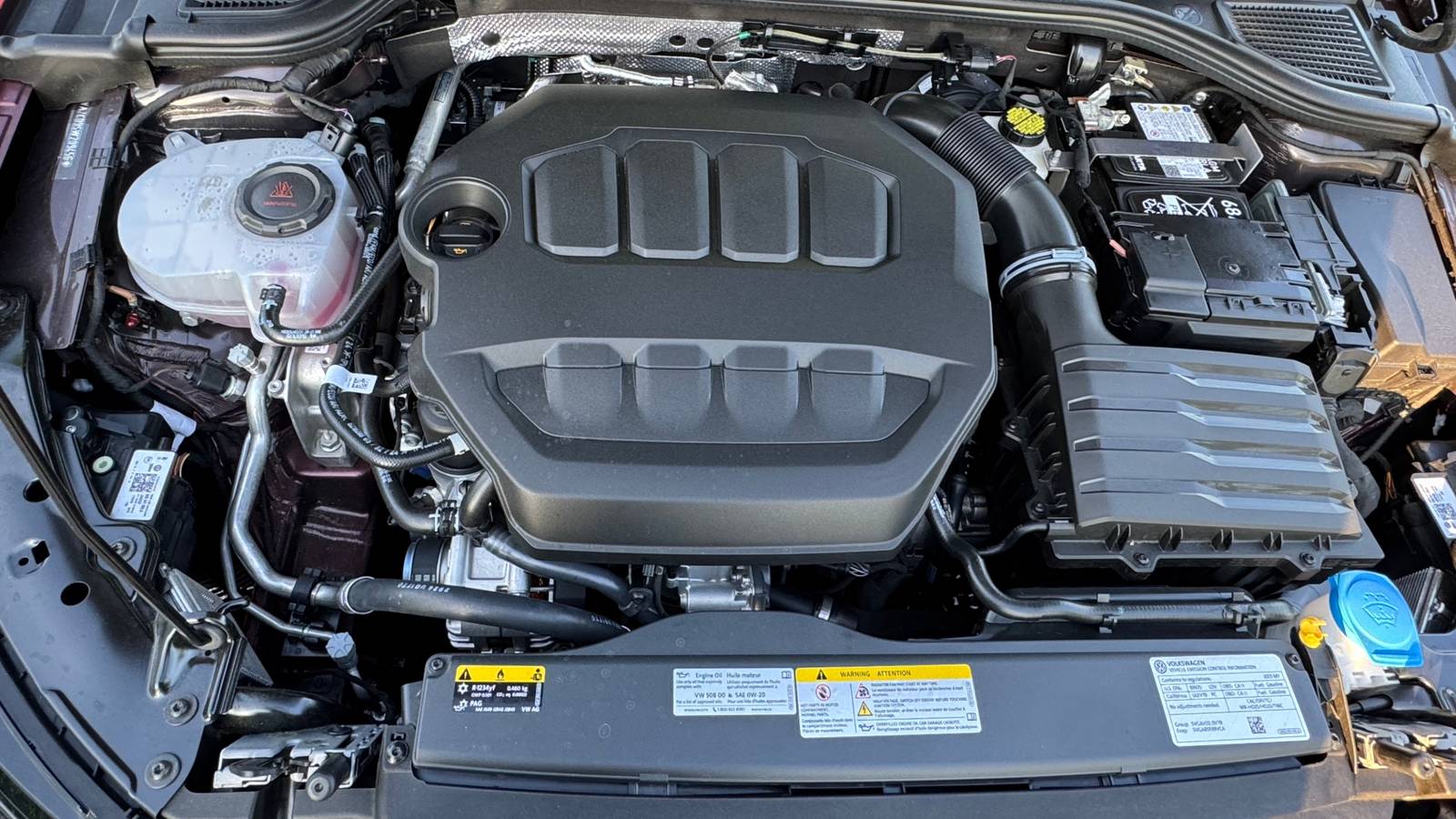
The shift toward downsized engines in both the mainstream and performance sectors has become the industry standard. Driving this is the urgent need for brands to comply with increasingly stringent global emissions and fuel economy regulations. This has resulted in companies replacing larger, naturally aspirated displacement engines with smaller, forced-induction designs. In doing so, these models have significantly reduced their CO2 output and fuel consumption during everyday operation without sacrificing peak performance.
These compact engines offer significant engineering advantages, including reduced internal friction and lower overall vehicle weight. The benefit of taking this route contributes to improved agility and handling. The integration of advanced turbocharging and fuel injection aids brands in extracting higher horsepower and torque outputs, while effectively meeting the demands of environmental mandates without compromising driving engagement. While this is a new concept for most brands, there’s one 19-year-old engine that has mastered this art and set the standard for brands across the board.
Hot Hatches Are The Blueprint For Downsizing

Hot hatches ascended to automotive icon status by masterfully blending daily-driver utility with the spirited performance of a dedicated sports car. These compact and practical body styles offer an accessible entry point into high-performance car ownership. Their rise was fueled by their unique versatility, providing a lightweight, nimble chassis that transformed mundane commutes into engaging experiences without the prohibitive costs associated with traditional performance platforms.
However, in the United States, this once-thriving segment has devolved into a niche category, largely sidelined by a profound shift in consumer preference toward larger vehicles and higher ride heights. Buyers are now increasingly prioritizing SUVs and crossovers for their perceived utility and higher seating position. There are some traditional hatchbacks that still perform well in the new market, but their high-performance variants are now reduced to niche segments. Consequently, brands have aggressively trimmed their portfolios to align with these market trends, limiting the availability of these driver-engaging compact options.
Volkswagen Popularized The Hot Hatch Segment

Volkswagen’s approach to compact performance has been defined by the consistent evolution of a singular, defining icon that effectively pioneered the hot hatch segment. For five decades, this flagship model has served as the brand’s undisputed halo, masterfully balancing accessible performance with the daily usability required of a mainstream compact.
Rather than chasing the most aggressive power figures or the most radical aesthetics, Volkswagen has prioritized a comprehensive character, relying on a poised chassis, refined power delivery, and a legacy of design cues that resonate deeply with enthusiasts. This commitment to maintaining a perfect equilibrium has allowed the badge to remain the global gold standard, anchoring the brand’s performance identity and setting the benchmark against which all other competitors are measured.

The Hatchbacks The Golf GTI Left Behind
As hatchbacks go, there isn’t much beating the Volkswagen Golf GTI. This iconic hot hatch has outlived most of its competition over the last 50 years.
The EA888 Solidified The GTI’s Dominance

Introduced by the Volkswagen Group in the mid-2000s, the EA888 engine family represents a cornerstone of modern automotive engineering. This versatile and compact turbocharged four-cylinder was popularized by the Golf GTI, but it has appeared across an expansive range of vehicles. These include other hatchbacks, luxury sedans, and versatile SUVs throughout the Volkswagen Group.
Its popularity stems from its highly modular and scalable architecture, which allows it to be effectively packaged into diverse vehicle platforms while maintaining high levels of mechanical refinement. At its core, the design features sophisticated elements such as chain-driven dual overhead camshafts, variable valve timing, and internal balance shafts to ensure smooth operation. This makes it a foundation for both everyday commuters and more spirited, performance-oriented driving applications.
The EA888’s Complex Internal Design

The 2026 iteration of the EA888 engine represents a highly refined stage of evolution, maintaining its status as a cornerstone of modular powertrain design. Volkswagen builds it upon a lightweight, precision-engineered aluminum alloy cylinder block and head. The architecture prioritizes structural rigidity while optimizing thermal management. Key internal components include lightweight connecting rods and high-strength pistons, designed to withstand the stresses of high-pressure combustion environments.
A central element of the system is the advanced turbocharger, which the engineers integrate into a water-cooled cylinder head exhaust manifold. This is done to minimize heat soaking and improve transient response. This design further incorporates sophisticated electromechanical wastegate control and variable valve timing on both the intake and exhaust sides, allowing the engine to maintain high operational efficiency and responsiveness across a broad range of driving conditions.

Why The GTI Is The Only Hot Hatch You Should Consider Today
The Golf GTI remains the only hot hatch worth considering today because it perfectly marries everyday practicality with sharp driving dynamics.
The Benchmark For VW’s EA888

The 2026 Volkswagen Golf GTI is powered by the fourth-generation EA888 family, which generates a robust 241 horsepower and 273 pound-feet of torque. This power is exclusively routed to the front wheels through a seven-speed dual-clutch automatic transmission, which you can control via steering wheel-mounted paddle shifters.
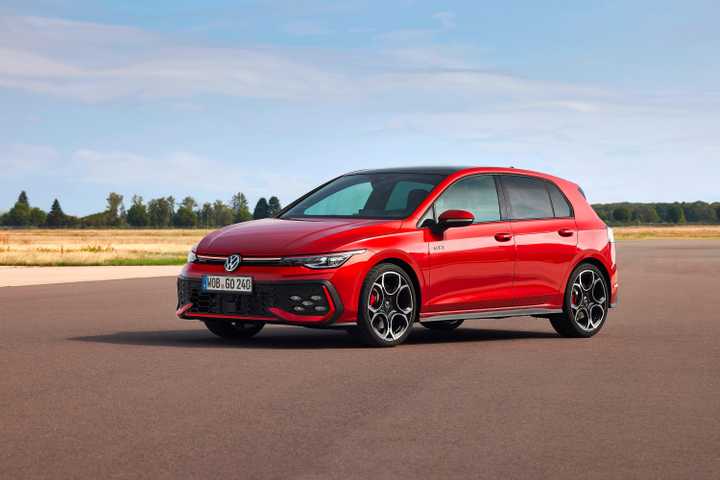

- Base Trim Engine
-
2L I4 ICE
- Base Trim Transmission
-
7-speed DSG auto-shift manual
- Base Trim Drivetrain
-
Front-Wheel Drive
- Base Trim Horsepower
-
241 HP @5000 RPM
- Base Trim Torque
-
273 lb.-ft. @ 1750 RPM
- Base Trim Fuel Economy (city/highway/combined)
-
24/33/27 MPG
- Make
-
Volkswagen
- Model
-
Golf GTI
- Segment
-
Compact Performance Hatchback
In terms of real-world acceleration, independent testing consistently places the vehicle’s 0 to 60 MPH sprint in the 5.6-second range, depending on conditions. It’s also able to clear a quarter-mile in 14.3 seconds at 99 MPH. Volkswagen limits the model’s top speed to 168 MPH.
Germany’s American-Brewed Subcompact Sedan

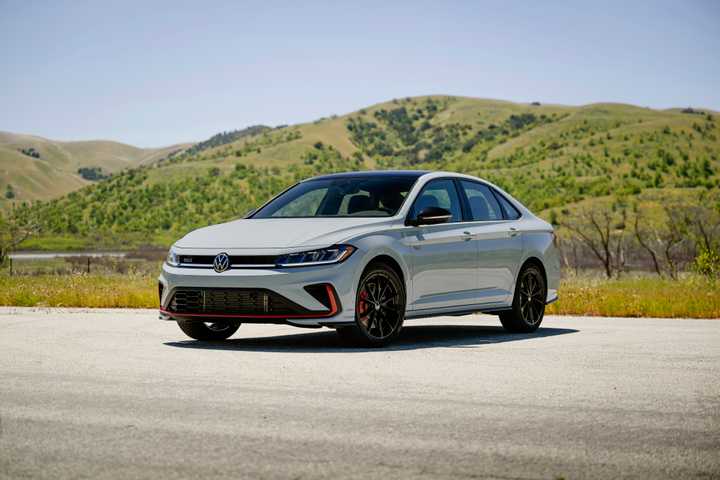
The 2026 Volkswagen Jetta GLI also adopts the EA888, but the brand detunes it to 228 hp and 258 lb-ft of torque. Unlike its hatchback sibling, the Jetta GLI caters to a traditional driver experience by offering the choice of a six-speed manual transmission or a seven-speed dual-clutch automatic. This power is also sent to the front wheels, with the added benefit of a VAQ electronically controlled limited-slip differential.
- Base Trim Engine
-
2L I4 ICE
- Base Trim Transmission
-
7-speed auto-shift manual
- Base Trim Drivetrain
-
Front-Wheel Drive
- Base Trim Horsepower
-
228 HP @6500 RPM
- Base Trim Torque
-
258 lb.-ft. @ 4000 RPM
- Base Trim Fuel Economy (city/highway/combined)
-
25/35/29 MPG
- Make
-
Volkswagen
- Model
-
Jetta GLI
- Segment
-
Compact Performance Sedan
Manual GLI models can achieve a 0 to 60 MPH time of 6.1 seconds and cover a quarter mile in around 14.6 seconds. With the throttle planted to the floor, it’ll eventually hit a limited 126 MPH.
The Best The EA888 Has To Offer

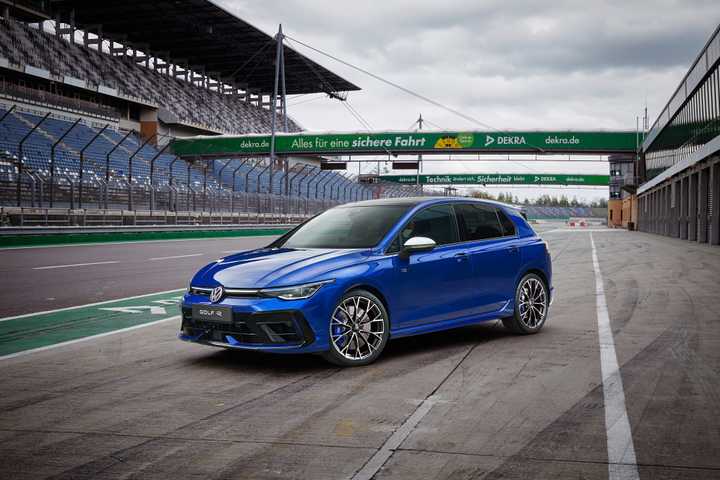
The 2026 Volkswagen Golf R serves as the pinnacle of the brand’s performance hatchback lineup and the best that the EA888 can offer. Thanks to key refinements and software upgrades, it produces 328 hp and 295 lb-ft of torque. Power is managed exclusively by a seven-speed dual-clutch automatic transmission and delivered to all four wheels through an advanced R-Performance 4Motion all-wheel-drive system. The 2026 model also features a rear differential capable of active torque vectoring for superior grip and agility.
- Base Trim Engine
-
2L I4 ICE
- Base Trim Transmission
-
7-speed DSG auto-shift manual
- Base Trim Drivetrain
-
All-Wheel Drive
- Base Trim Horsepower
-
328 HP @5600 RPM
- Base Trim Torque
-
295 lb.-ft. @ 2000 RPM
- Base Trim Fuel Economy (city/highway/combined)
-
22/31/25 MPG
- Make
-
Volkswagen
- Model
-
Golf R
- Segment
-
Compact Hatchback
In performance testing, this configuration allows the Golf R to achieve a 0-to-60 MPH sprint in 4.1 seconds, with quarter-mile times recorded in the 12.7-second range at speeds around 109 MPH. While electronically limited to a top speed of 149 mph, Volkswagen engineers the hot hatch for high-intensity driving. It does so by combining its potent powertrain with refined chassis dynamics to offer an authoritative and exceptionally capable experience on both the road and the track.

New GTI, More Power: 7 Fast Facts About VW’s Edition 50 Hatchback
The GTI has a new special edition, and this is everything you need to know.
How The EA888 Masters Efficiency

According to the EPA, the Jetta GLI is the most efficient EA888-powered performance model in its 2026 catalog. Regardless of the transmission, the German subcompact sedan consumes 26/36/29 MPG on the city/highway/combined cycle and covers 383 miles on a single 13.2-gallon tank of gas. The Golf GTI’s increased output worsens this to 24/32/27 MPG and 356 miles of range.
The flagship Golf R’s increased output and curb weight only have a minor impact on efficiency. The EPA indicates this model consumes 22/31/25 MPG and covers 362 miles of range thanks to a larger 14.5-gallon gas tank.
How To Keep The EA888 Alive For Long

The Volkswagen EA888 engine family is celebrated for its performance and versatility, but it is known for several recurring reliability concerns that you should monitor. Common issues include excessive oil consumption often linked to piston ring and PCV system wear and carbon buildup on intake valves due to the nature of direct fuel injection. There’s also the issue of premature failure of plastic cooling components like the water pump and thermostat housing.
Additionally, while timing chain issues were more prominent in earlier generations, they remain a point of vigilance. Experts often recommend monitoring chain stretch via diagnostic tools to avoid catastrophic failure. Maintenance is critical for long-term longevity, with specialists frequently advising on more conservative oil change intervals of approximately 5,000 to 10,000 miles, depending on driving conditions, rather than relying solely on extended manufacturer guidelines.

You should also ensure the use of high-quality, manufacturer-approved synthetic oil is essential to protecting internal components like the turbocharger and timing system. Over the last five years, the EA888 has been subject to several significant recall actions and legal challenges. Notably, there have been recalls concerning potentially contaminated connecting rod bearings in specific turbocharged units found in various SUV models, as well as separate campaigns addressing incorrectly torqued cylinder head cover screws. Furthermore, recent years have seen increased scrutiny, including class-action litigation and safety recalls regarding timing chain tensioner mechanisms in certain engine batches, as well as ongoing discussions surrounding oil consumption patterns.
Sources: The EPA and Motor Reviewer