
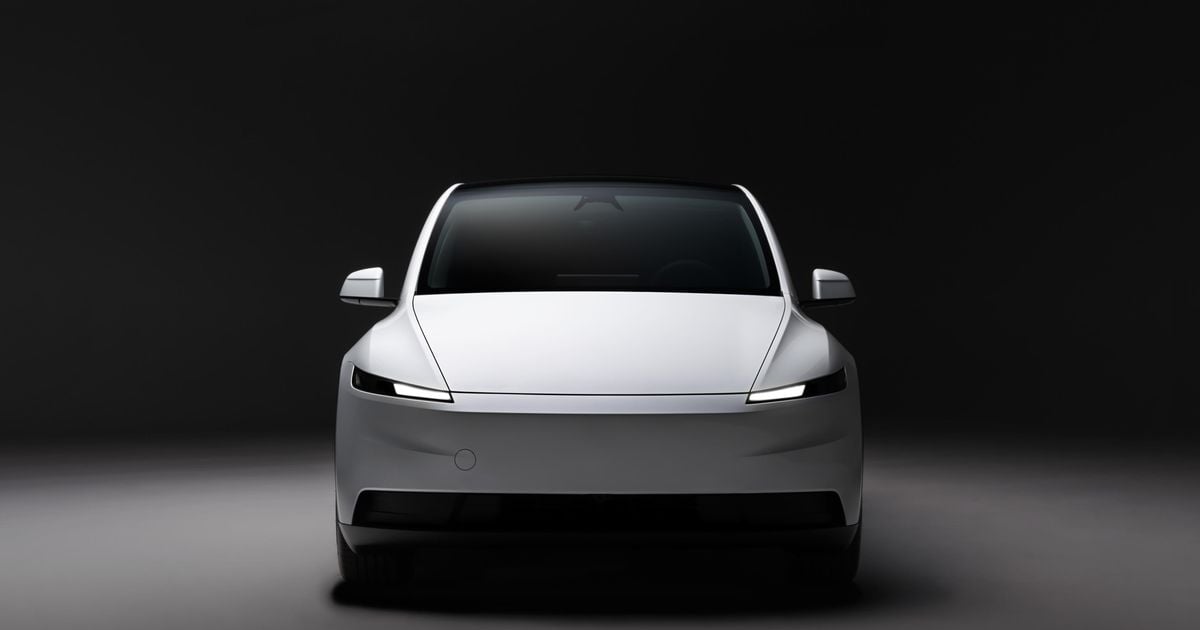
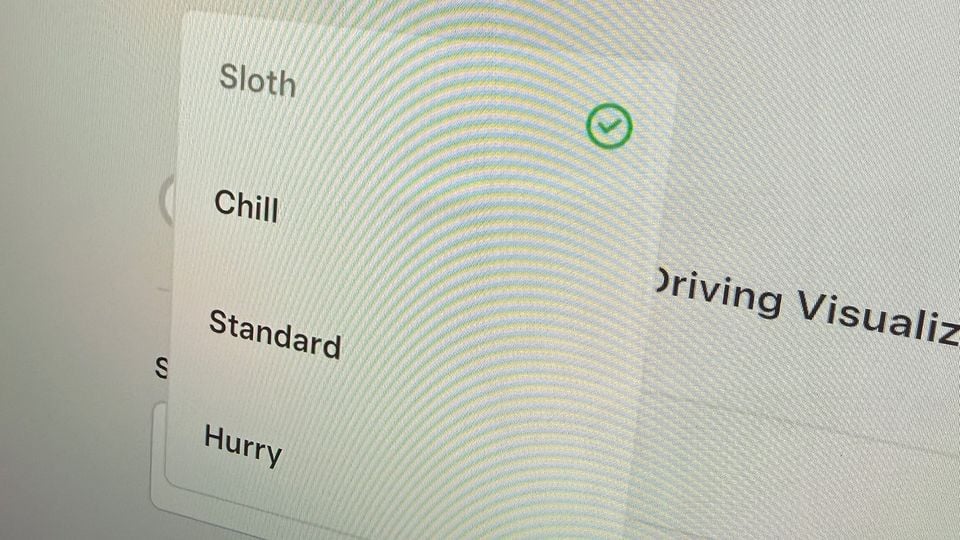
Tesla has begun rolling out the latest v14.3.3 version of its Full Self-Driving (FSD) Supervised software for Australia, where the first compatible Model Y and Model 3 vehicles received the update last Friday (June 19).
FSD (Supervised) was introduced in Australia in September 2025 for vehicles fitted with Hardware 4 (HW4) cameras, and the latest local software update is slightly different to the v14.3.3 system launched in the US in April.
It’s applicable to Australia’s current Model Y mid-size electric SUV, the most popular new vehicle across all fuel types last month (May 2026), outselling previous top-sellers including the Ford Ranger, Toyota HiLux and Toyota RAV4 to the top spot.
As well as the Model Y, Tesla Model 3 sedans currently in Australian showrooms include HW4 hardware, and both models are available with FSD (Supervised) on a subscription basis after it was initially offered as a one-off purchase.
Looking for your next car? We’ll help you research and compare so you choose with confidence.
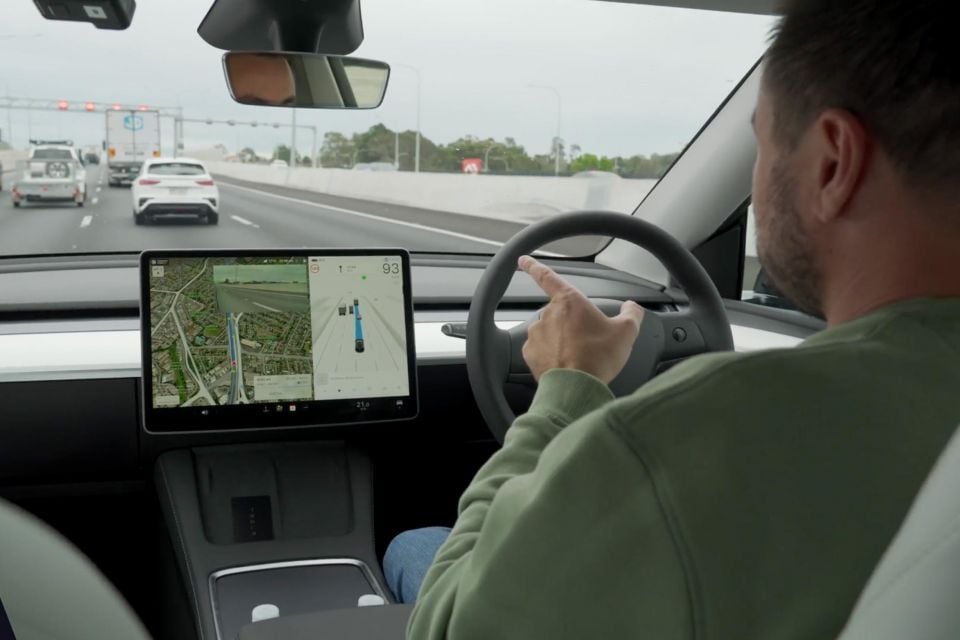
Among the changes, Tesla said the v14.3.3 software benefits from an “upgraded Reinforcement Learning (RL) stage of training the FSD neural network”, delivering “improvements in a wide variety of driving scenarios”.
This should result in fewer driver interventions being required while using FSD, with the FSD app now displaying the longest intervention-free period.
Tesla says it has also upgraded the FSD system’s neural network encoder, resulting in better understanding of traffic signs and a claimed 20 per cent faster reaction time.
Additional claimed benefits include improved responses to emergency vehicles, a reduction in unnecessary lane changes, better handling of complex intersections and roadworks, and improved interpretation of small animals.
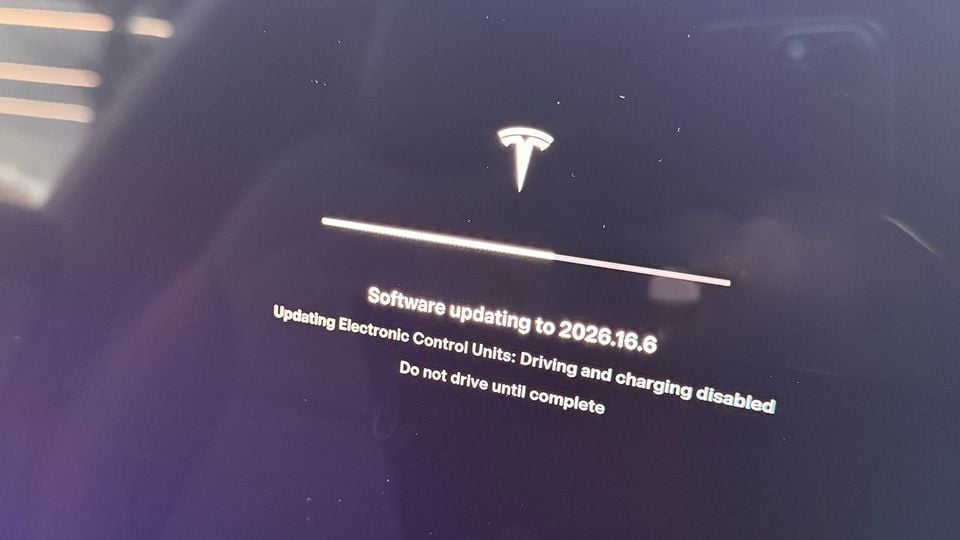
A new ‘Sloth’ Speed Profile has been added, with lower speeds and “more conservative lane selection” than Chill, which remains alongside the Standard and Hurry modes.
Tesla says there are now more distinct differences in vehicle behaviour between the various Speed Profiles.
‘Navigate on Autopilot’ – a combination of adaptive cruise control and lane-change assistance – has been renamed ‘Navigate on Autosteer’, while the FSD Computer is now known as the AI Computer.
At the start of an FSD journey, Brake Confirm is now switched off by default, meaning drivers no longer need to press and release the brake pedal to activate FSD.
At the end of a journey, new Arrival Options allow the driver to choose what the vehicle does next, such as where it parks or drops passengers off, rather than requiring the driver to take over for the final stages.
The options include ‘Car Park’, ‘Indoor Car Park’, ‘Street Driveway’ and ‘Pull Over’, with the destination adjusted based on where the driver places a navigation pin.
Drivers can also tap the touchscreen while parked or at any point during a drive to start an FSD session, and adjust Speed Profile settings and Arrival Options from the centre screen, which features updated graphics.
While FSD (Supervised) is now operating in Australia, Tesla launched its driverless Robotaxi service in the US in 2025. Two examples of its purpose-built Cybercab were spotted in New Zealand last week.
Tesla Australia told CarExpert the Cybercabs were in New Zealand for cold-weather testing.