
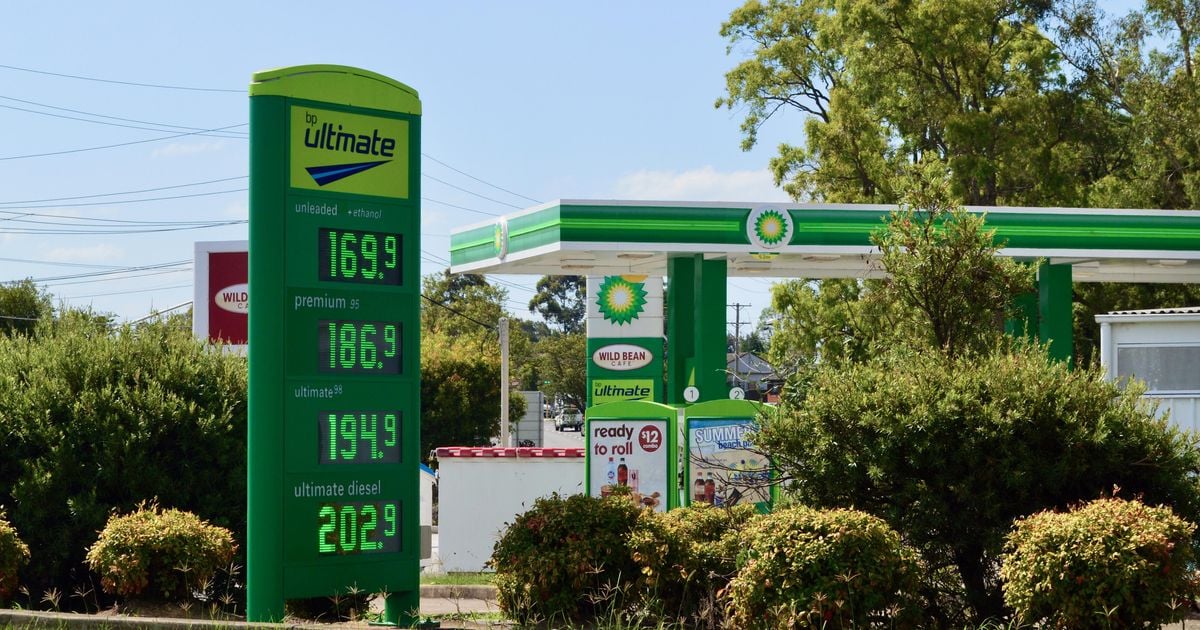
The Australian Government has announced it will extend its fuel excise cut for motorists for at least another month beyond its original June 30 expiry, and it hasn’t ruled out further extensions.
At a press conference in Sydney on Saturday (June 20), the federal government announced an extension of the temporary discount until July 31 after it was introduced on April 1 as a three-month reprieve for motorists.
An extension of the discount was not included in the Federal Budget handed down on May 12, leading to speculation it would not continue beyond its original June 30 expiry date.
Looking for your next car? We’ll help you research and compare so you choose with confidence.
In extending the discount, the federal government also reduced the temporary excise cut from 26.3 cents per litre to 16c/L, which became a 32c/L saving when state and territory contributions were included.
The 16c/L discount will take effect from July 1, but is currently scheduled to be eliminated completely from August 1, when motorists are set to once again pay the full 52.6c/L fuel excise.
The government will also extend its cut to the Heavy Vehicle Road User Charge. However, after being reduced to zero from April 1, it will increase to 16c/L – half its standard 32.4c/L rate – until August 1.
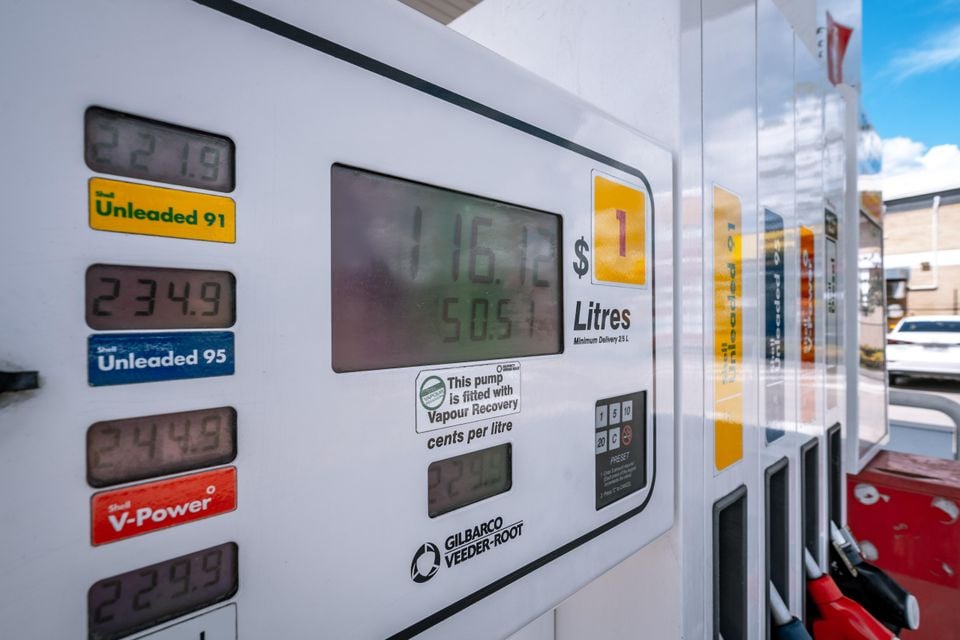
“The 16 cents a litre extension to the fuel tax cut that we’ve announced today will reduce the cost of a 65-litre tank of fuel by around $11,” Australian Prime Minister Anthony Albanese told Sky News.
For reference, Australia’s best-selling diesel and petrol vehicles year-to-date – the Ford Ranger ute and Toyota RAV4 mid-size SUV – have fuel tank capacities of 80L and 55L respectively.
The discount has seen Ford, for example, offer fuel cards worth up to $5000 (or discounts to the same value) with the purchase of some Ranger models, and $4000 discounts on the recently updated MY26.5 Ranger.
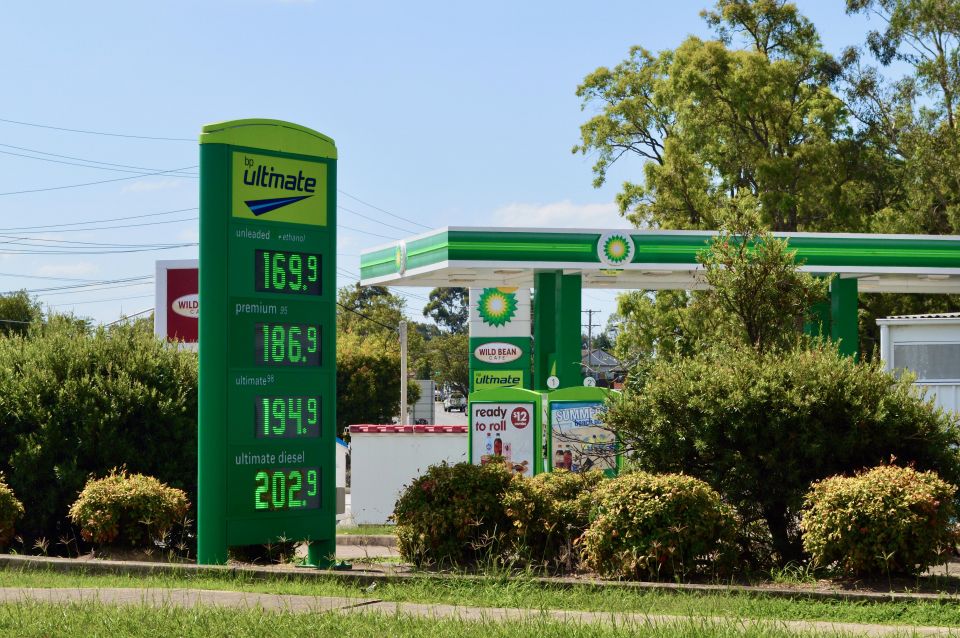
The discounts were intended to reduce the impact of record fuel costs on motorists and the transport sector, along with the knock-on effects across other industries.
They were introduced following conflict between the US and Iran, which have affected shipments of crude oil through the Strait of Hormuz in the Middle East since March.
However, with tensions continuing between the two countries, Mr Albanese did not rule out further extensions to the fuel excise cut. “We’ll continue to do what we can to shield Australians from the worst impacts of this conflict, including securing additional fuel from our partners,” the prime minister told Sky News.
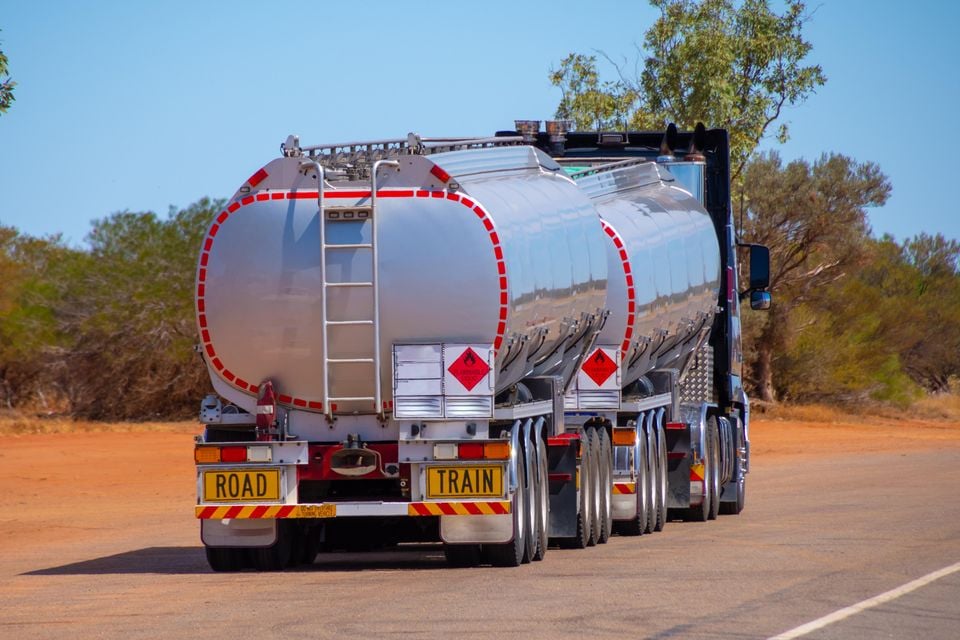
Speaking at Saturday’s press conference, the Minister for Climate Change and Energy Chris Bowen said Australia had 44 days’ worth of petrol and 32 days’ worth of jet fuel, the highest level of fuel reserves since 2023.
Record fuel prices in Australia have been a boon for electric vehicle (EV) sales, with the Tesla Model Y becoming the first EV to top the nation’s overall monthly sales charts when it was Australia’s best-selling vehicle in May.
The Model Y’s popularity contributed to EVs achieving a record 19.9 per cent market last month, up 111.6 per cent on May 2025.
MORE: Record fuel prices spark gouging probe as government threatens crackdown