
The boss of Porsche has told German media the automaker is looking to maintain profits with fewer, more exclusive models rather than needing higher sales to make money – putting a new three-row SUV in doubt.
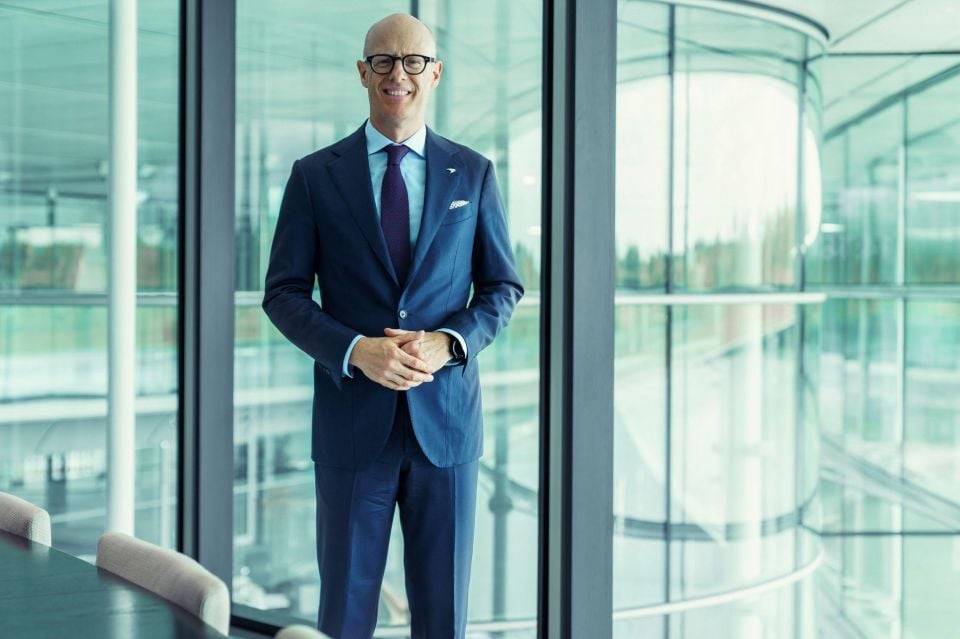
Speaking to Frankfurter Allgemeine Zeitung, CEO Michael Leiters said: “We are planning for lower capacities in the future.”
“Porsche has to make money even with fewer cars,” he added.
The Porsche boss, now in his second stint at the German brand after more than a decade at Ferrari and McLaren, said the Porsche he returned to was a much larger company where costs had “spiralled out of control”.
Looking for your next car? We’ll help you research and compare so you choose with confidence.
Porsche suffered a 10 per cent decline in global sales in 2025, posting 279,449 deliveries compared to 310,718 the previous year.
In 2023, the brand set its current sales record of 320,221 vehicles, something Mr Leiters appears to have no interest in breaking.
Instead, Porsche plans to reduce capacity to be closer in line with global demand.
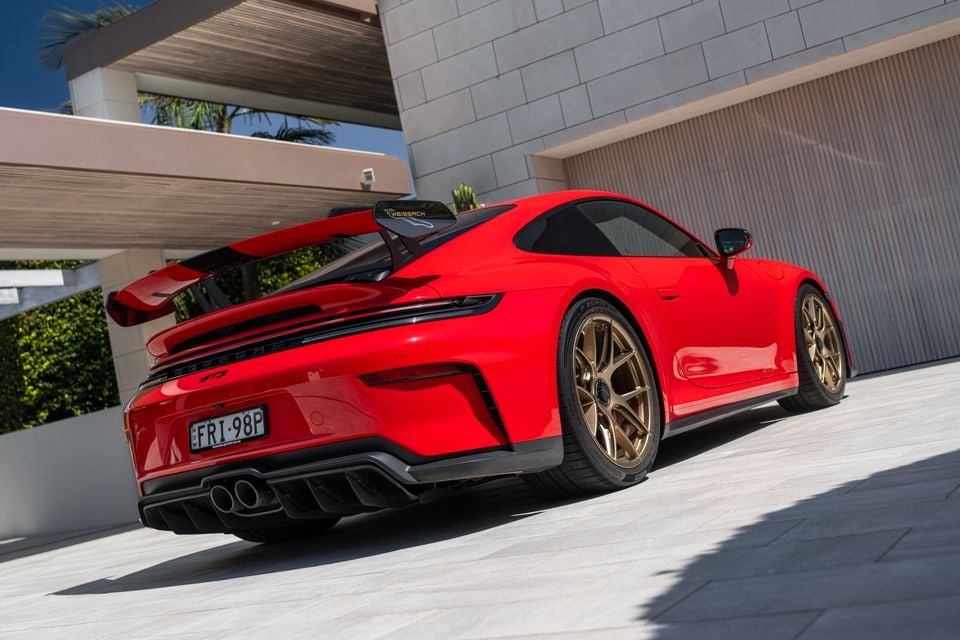
The company will focus on more profitable models rather than volume sellers, as well as ultra-low-volume special editions such as the 90-unit 911 GT3 90 F.A. Porsche and ‘Sonderwunsch’ special-request one-off models.
“We want to continue attracting new customers to the brand,” he told Frankfurter Allgemeine Zeitung, while suggesting Porsche will look to its Volkswagen Group partners for further cost savings.
“We want to deepen our collaboration with Audi again; this is a great opportunity for both sides,” the CEO said, with the two brands having previously shared platforms and technology.
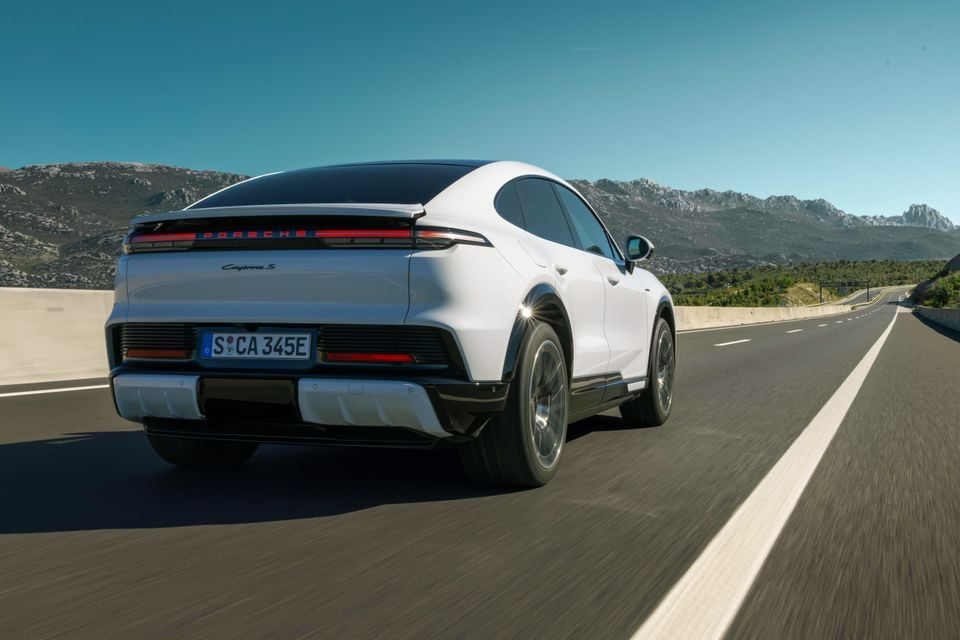
The push for lower volumes to deliver profitability puts plans for a new three-row SUV, codenamed internally as K1 and positioned above the Cayenne large SUV, in doubt, according to Frankfurter Allgemeine Zeitung.
Due for launch in 2028 as the brand’s largest SUV yet, it was initially set to be offered with a battery-electric powertrain, but plug-in hybrid (PHEV) and petrol models were later added to the proposed model plans.
The Porsche CEO said the brand had focused too heavily on electric vehicles (EVs), with plans to offer the next Porsche 718 Boxster and Cayman exclusively as EVs shelved, while internal-combustion engines (ICE) will remain available.
The brand has also ruled out a battery-electric version of its iconic 911 sports car.
The Macan mid-size SUV was launched as an EV-only model in Europe and Australia, which the automaker has since declared a mistake.
Despite this, it was Porsche’s best-selling model globally last year, while internal-combustion versions remained on sale in the United States. The Cayenne was its next-best performer, while the electric-only Taycan was its slowest-selling model.
Mr Leiters was appointed Porsche CEO in January 2026. He replaced Oliver Blume, who remains CEO of Volkswagen Group which owns a majority stake in Porsche and also controls Skoda, Cupra, Bentley, Lamborghini, Audi and Ducati, among others.
While leading Porsche, Mr Blume said the brand’s business model was unsustainable.
“Our business model, which has served us well for many decades, no longer works in its current form,” he told employees in July 2025, according to Bloomberg.
Mr Blume’s comments came as the brand cut jobs in an effort to reduce costs and stem falling revenue and sales, having posted a six per cent sales decline in the first half of 2025 before recording a 10 per cent full-year drop by December. The company’s share price has also more than halved since 2023.
Porsche has confirmed it will sell its stake in Bugatti and Rimac before the end of this year and it’s still working with employees on how its cost-cutting plan will be rolled out, with Mr Leiters saying he wants the details finalised by August to provide workers with greater certainty.