
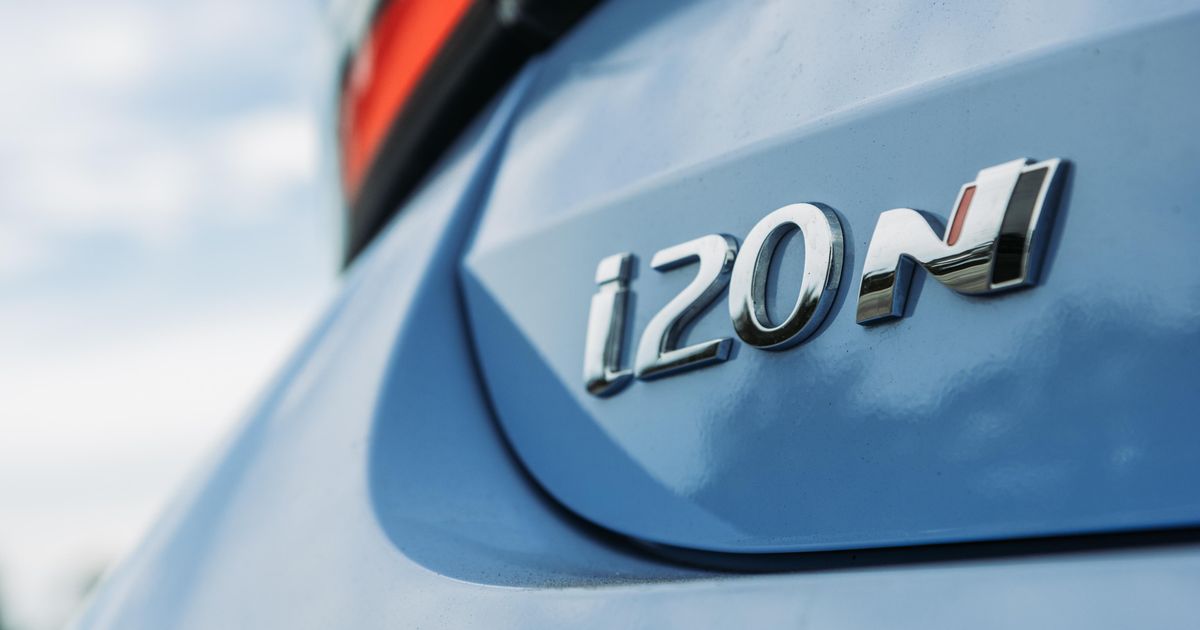
Hyundai has confirmed the upcoming fourth-generation i20 small car will include the return of the i20 N hot hatch, likely with a hybrid powertrain after the current model bows out of showrooms later this year.
“An i20 N for Europe is a must,” Hyundai’s global research and development (R&D) boss Manfred Harrer told British publication Autocar, adding the unveiling of the Volkswagen Polo GTI rival is “not so far out”.
“We need this entry-level back for our fans … we are working intensively to do this sooner rather than later,” Mr Harrer added.
Hyundai Australia couldn’t comment on a new i20 N for local showrooms.
The outgoing model is sourced from Europe, and Hyundai revealed a new-generation i20 for Brazil last week that provides the clearest indication yet of what the still-unrevealed European version may look like.
Looking for your next car? We’ll help you research and compare so you choose with confidence.
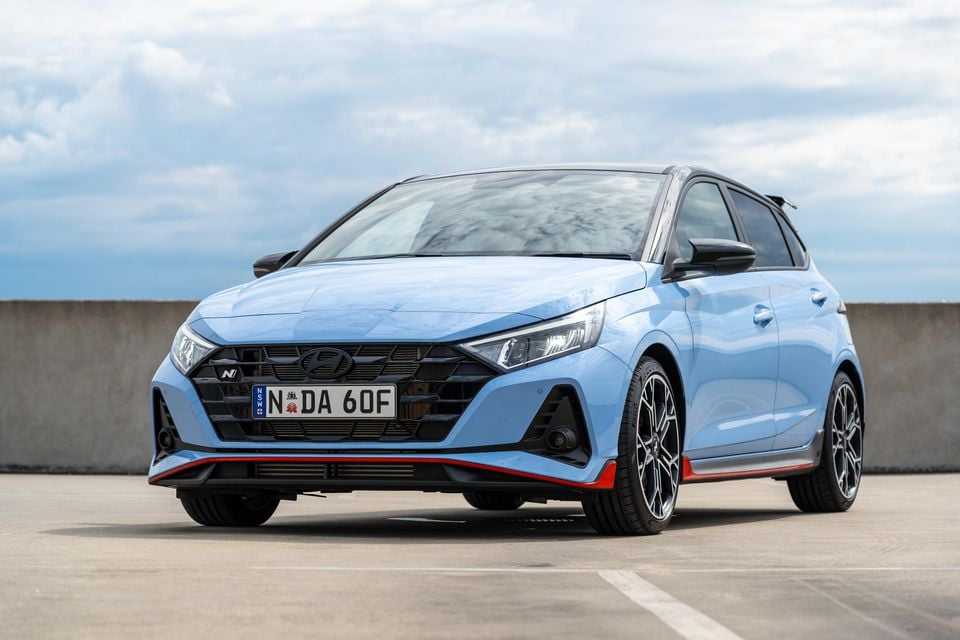
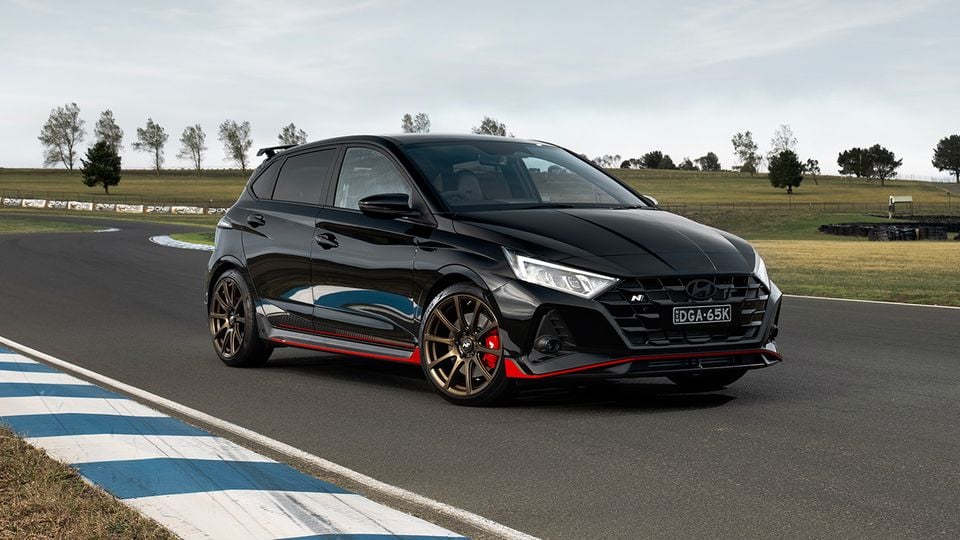
The i20 N Shadow Edition was announced last week as the current-generation model’s swansong in Australia, with a similar farewell edition expected for the larger i30 N hatchback.
In his interview with Autocar, the Hyundai R&D chief said the gap between the current petrol-powered i20 N and Hyundai’s electric performance models is “too big”.
The i20 N produces 150kW of power and 275Nm of torque from its turbocharged 1.6-litre four-cylinder engine, and is priced in Australia from $38,500 before on-road costs.
The electric Ioniq 5 N and Ioniq 6 N, which share the same E-GMP underpinnings and 448kW/740Nm dual-motor all-wheel drive powertrain, are both priced at $115,000 before on-road costs in Australia.
The Ioniq 5 N can do the 0-100km/h dash in 3.4 seconds, while the Ioniq 6 N takes 3.2 seconds and the i20 N takes 6.2 seconds.
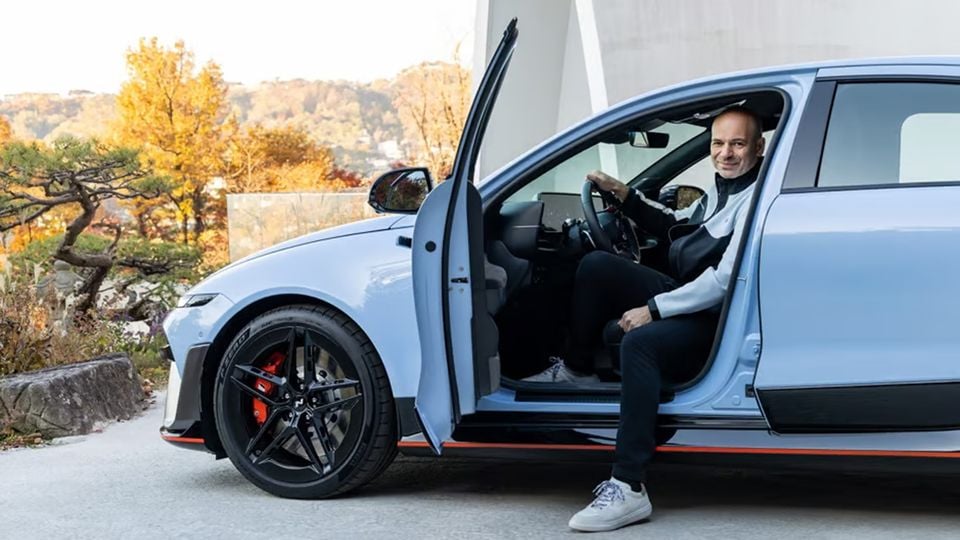
While sharing few additional details, Mr Harrer said the new i20 N would “use existing technology”.
Per Auto Express, Mr Harrer confirmed the i20 N will be “hybridised”, and hinted it could use a version of Hyundai’s 1.6-litre four-cylinder hybrid powertrain.
The comments follow plans outlined at Hyundai’s 2025 Investor Day last November, which included seven new dedicated N models by 2030 and confirmed hybrid powertrains for N vehicles for the first time.
The recently revealed Brazilian-market i20 uses the same K3 platform as the Hyundai Kona SUV, which is currently offered in Australia with a 1.6-litre naturally aspirated four-cylinder hybrid powertrain.
“I want to go to the Nürburgring and do really successful lap times — better than the existing one … but you have to work on the battery management system to get this done,” Mr Harrer said.
“The problem that we have is that there is a perception from the media and our fans that Hyundai N is only focusing on the EV [electric vehicle] world, which is not true.
“We are not limiting ourselves to EVs.”