
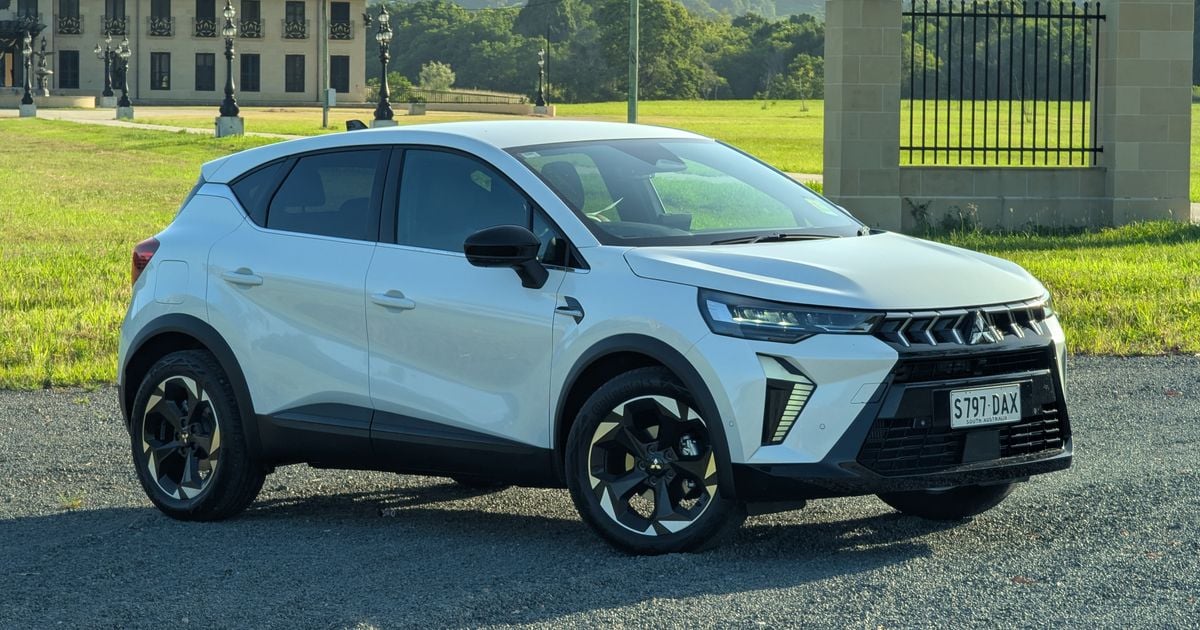
Mitsubishi Australia took a bold step by pushing the once-affordable ASX upmarket with last year’s launch of a new-generation model, and it has now admitted that its European-sourced small SUV isn’t meeting sales targets.
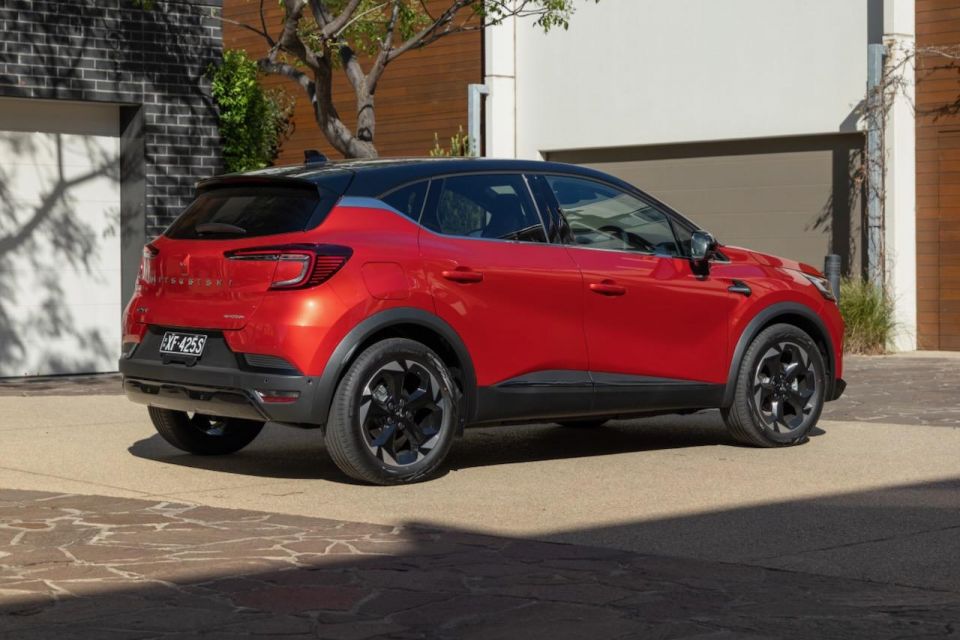
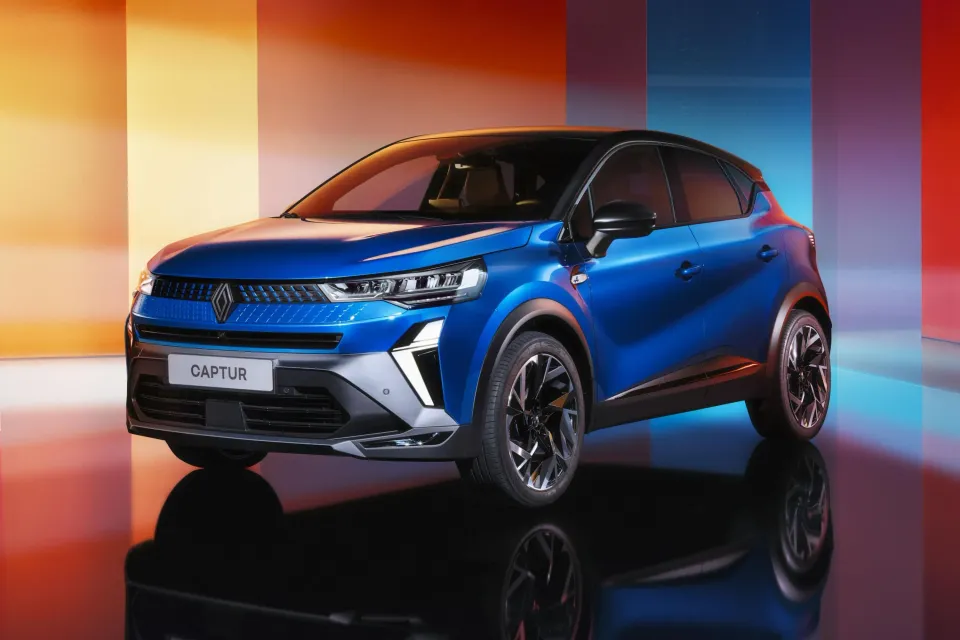
The Japanese brand launched the second-generation ASX in Australia in late 2025, rolling out a small SUV that’s little more than a rebadged version of the Renault Captur. Its Australian launch came two years after its European debut in mid-2023.
The European shift from the first-generation, Mitsubishi Lancer-based ASX naturally brought a substantial price rise, with the base price climbing by $13,300. That has resulted in a drastic sales drop, with sales in the first four months of 2026 down 88.6 per cent on the same period in 2025.
Now, Mitsubishi Australia says it’s working on ways to increase the SUV’s sales, but those efforts have hampered plans to introduce a more diverse ASX range that could include hybrid options sold overseas.
Looking for your next car? We’ll help you research and compare so you choose with confidence.
“We’ve really struggled to realise the volume aspirations we were hoping for,” Mitsubishi Australia product strategy general manager Bruce Hampel told CarExpert.
“It’s arguably a very good vehicle, but it’s just not reaching the right buyer types at this point in time.”
When asked whether there were concrete plans to introduce hybrid versions of the current ASX to Australia, which are currently sold in Europe, Mr Hampel said “not at this stage”.
“The majority of customers are still buying ICE [vehicles], it’s an option for us in future model years that has been a little bit stalled with the uptake of the current ASX in the market,” he said.
In a bid to generate more interest in the ASX, Mitsubishi launched an end-of-financial-year (EOFY) drive-away pricing offer for the SUV’s base ‘LS’ trim. Typically priced at $37,740 before on-road costs, the deal brings its cost down to $34,990 drive-away until May 31, 2026.
That’s still more than the base price of the final first-gen ASX, which started at $24,490 before on-roads, but Mr Hampel described the discount as the “first push”.
“It’s the initial reaction to see if we can entice more customers to come in and look at the vehicle, and actually get them to enjoy the test drive. It’s getting bums on seats,” he said.
“If you look at it in isolation, it looks great, but when you drive it, you’ll appreciate the value that’s actually in the product.”
Mr Hampel outlined that Mitsubishi Australia’s challenge was shifting buyer perception. The brand is targeting buyers from other European brands, as it believes the ASX’s price reflects its European roots, regardless of its predecessor’s budget-friendly status.
“We really need to try and get more showroom traffic, get more people, and I guess different customers that may be looking at Volkswagens, BMWs, those types of vehicles that are in a higher price bracket – getting them to come in and consider a Mitsubishi,” Mr Hampel told CarExpert.
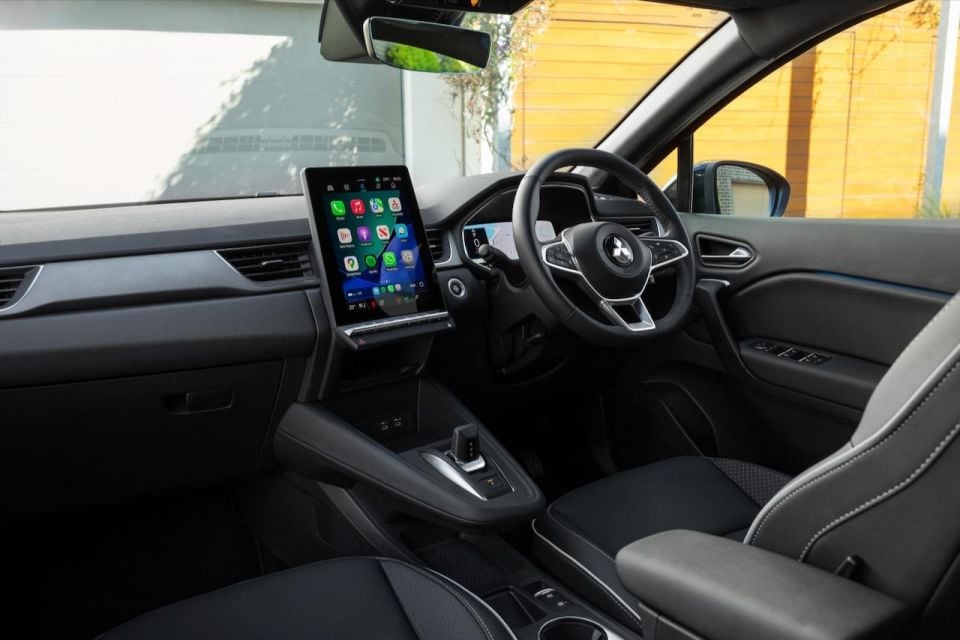
“The quality, the styling, the technology, and the features of the vehicle are now more akin to those types of higher-level aspirational brands.”
Though the ASX’s current EOFY offer will soon expire, Mr Hampel said the intention was simply to encourage more people to consider the model without diminishing the brand’s desire to sell a more premium small SUV.
“We really are hopeful that that will lead to an increase in sales going forward. We don’t want to just keep reducing the price; that’s not the intention. We need to have it as a standalone model in its own right,” he said.
Interestingly, the arrival of the second-gen ASX appears to have prompted a shift in plans from its donor brand. Renault was due to launch an updated Captur in late 2025, but the time came and went with no updated French SUV.
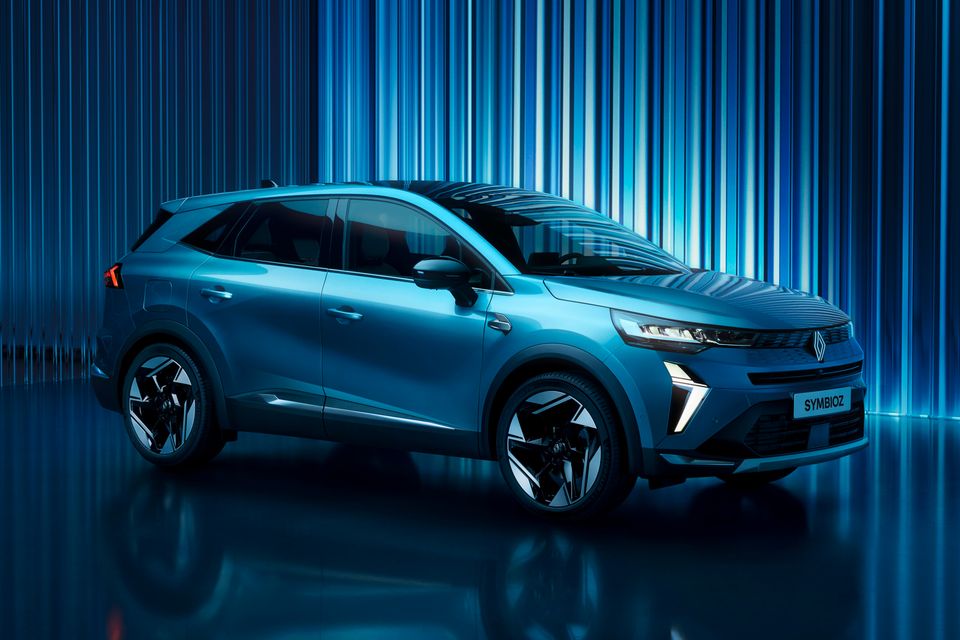
Instead, Renault announced in April 2026 that it would bring the Symbioz to Australia, effectively replacing the Captur. It’s slightly larger, and has so far been confirmed with mild- and full-hybrid power – though pricing has yet to be confirmed.
When asked whether the introduction of the Symbioz would hamper efforts to grow ASX volume, Mr Hampel told CarExpert that Mitsubishi wasn’t concerned.
“I think the products complement each other. It’s a very busy market in Australia at the moment, and very confusing for a lot of customers when they are now looking to purchase vehicles,” he said.
“The overall market isn’t growing; it’s fairly stable. There are so many more nameplates and OEMs now competing for that market. It becomes very noisy.
“It’s very difficult for everyone to enjoy a large volume share that we may have enjoyed in the past, but the market dynamics are changing very rapidly at the moment.”
In any case, Mitsubishi has plans to revitalise itself in the Australian market.
It started 2026 with just three models – the Triton, Outlander, and ASX – but it’ll finish the year with five: the Pajero is coming back as a ladder-frame SUV, and an as-yet-unnamed electric vehicle developed in conjunction with Foxtron is on the way.
Both will be exceptionally important for Mitsubishi, as it’s currently experiencing a 25.5-per cent year-on-year decrease in sales and is without several high-volume nameplates that are no longer in production.
MORE: 2026 Renault Symbioz – New small SUV locked in for Australia with hybrid power
MORE: Australia-bound Mitsubishi SUV could pack 300kW powertrain
MORE: Explore the Mitsubishi ASX showroom