
Mazda Australia is anticipating industry-wide pain when New Vehicle Efficiency Standard (NVES) fines begin to bite, despite a recent spike in electric vehicle (EV) demand.
“[EV demand is] not going to be growing at the rate that we’ve seen in the last couple of months – I don’t believe that’s going to be sustained, as that was a unique event… that has somewhat normalised,” Mazda Australia CEO Vinesh Bhindi told CarExpert at the launch of the 6e electric liftback.
“Normalised means gradual growth over the next few years… and if EV sales don’t reach 30 to 40 per cent of the market over the next few years, then there will be a problem in the industry that the fines will outweigh the credits.”
For context, EV sales represented 8.9 per cent of the total new car market – excluding heavy commercial vehicles – last year, although the 2026 figure to the end of May has risen to 12 per cent after a surge in demand triggered by the global fuel crisis.
Looking for your next car? We’ll help you research and compare so you choose with confidence.
First introduced last year, the NVES sees automakers accrue liabilities or credits depending on their performance against fleet-wide emissions targets. Brands that are in deficit after each year will be forced to pay fines to the government.
However, the first round of fines won’t be paid until 2028, as automakers have three years from receiving an annual ‘interim emissions value’ to reduce emissions.
The Australian Government released its first NVES update back in February, and around two-thirds of brands beat their emissions targets.
However, 19 brands didn’t, including Mazda but also Alfa Romeo, Aston Martin, Ferrari, General Motors, Honda, Hyundai, KGM, JLR, Mahindra, Maserati, Nissan, Porsche, Rolls-Royce, SAIC Maxus (better known as LDV), and Subaru.
Mazda had 38,465 vehicles recorded on the Register of Approved Vehicles (RAV), and accrued 508,517 liabilities – the highest of any company, and more than twice as many as second-placed Nissan (215,261).
Nevertheless, Mr Bhindi views NVES penalties as a wider industry issue, rather than a challenge specific to his brand.
“It’s an industry issue,” Mr Bhindi reiterated when asked if Mazda was worse placed than other manufacturers.
While the first set of results shows a net surplus of 15.9 million NVES units, which means there’s now a market for Mazda to buy NVES credits from other automakers, the picture is likely to change over the coming years.
Headline CO2 limits for Type 1 (passenger cars and SUVs) and Type 2 (utes, vans, and large off-road SUVs) vehicles will shrink each year until 2029, so car brands that met their target in 2025 mightn’t be so lucky in 2026 unless they continue to introduce low- or zero-emissions vehicles to offset their other vehicles.
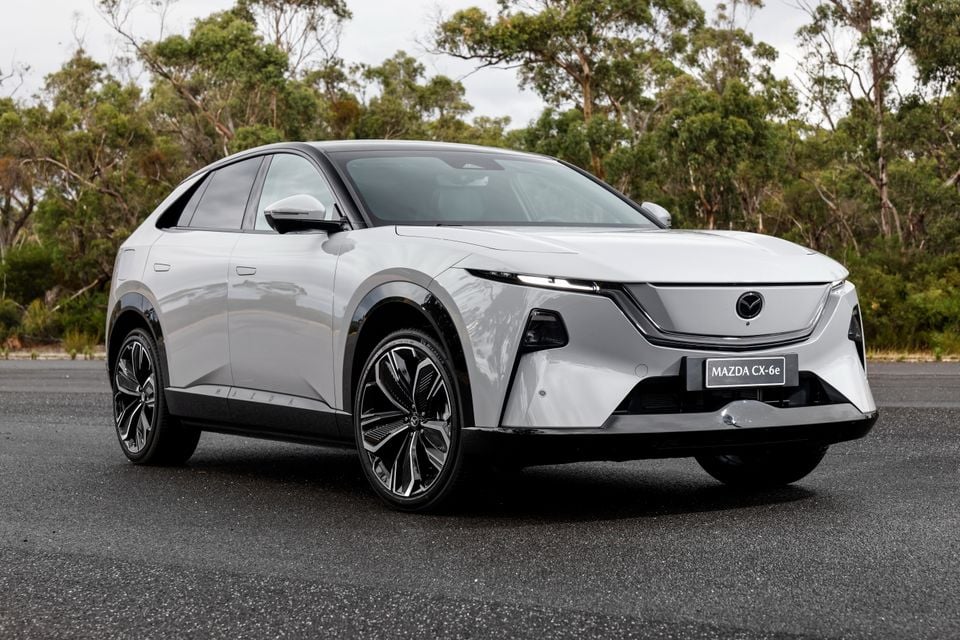
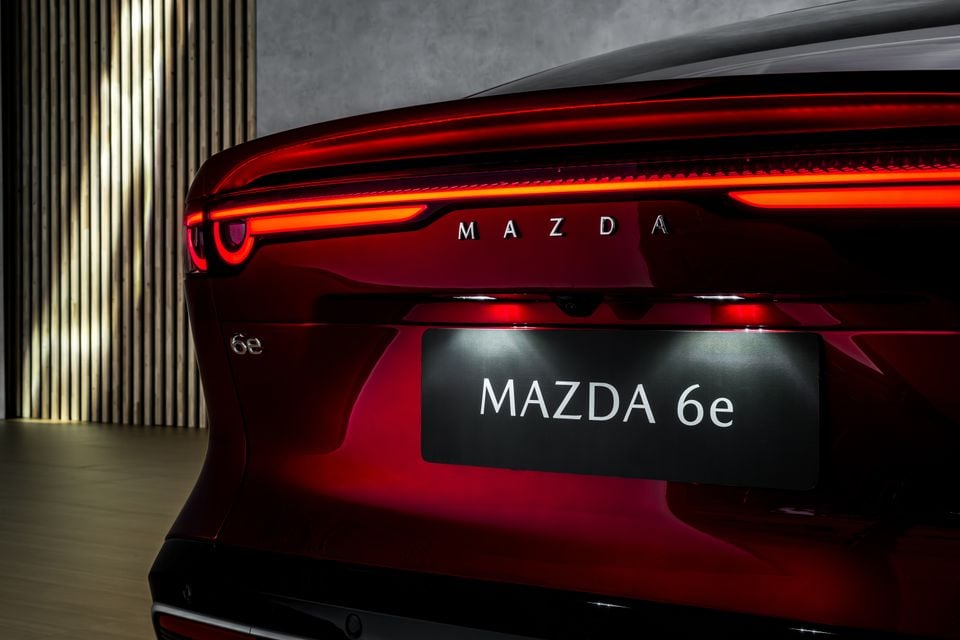
As such Mazda, which is launching the 6e and CX-6e EVs in Australia this year, might be stuck with an especially hefty fine when first payments are due in 2028.
“But we’re not thinking about that yet,” said Mr Bhindi.
“What we’re thinking about is we have got opportunity with two good products, solid offerings, great value to serve customers that want an EV.
“In the end, our plan is still to offer the customer what they want or desire, regardless of what NVES ambitions are.”
MORE: Almost 20 auto brands missed CO2 targets in Australian Government’s first NVES results