
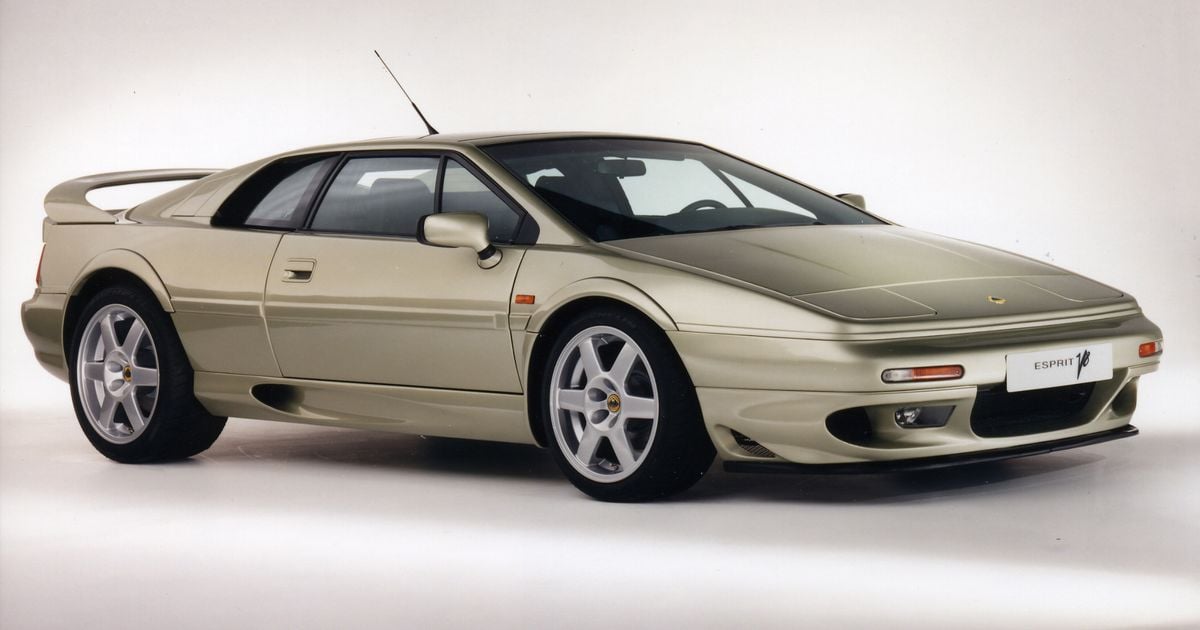
The next-generation Lotus Esprit will use a V8 being developed by Horse, the powertrain company jointly owned by Geely and Renault.
In a rare interview Feng Qingfeng told Automotive News Lotus will move away from sourcing petrol engines from other manufacturers. Currently the Emira uses a four-cylinder petrol from Mercedes-AMG and a V6 from Toyota.
He confirmed the upcoming mid-engine supercar, codenamed Type 135, will use a V8 from Horse. Mr Feng says because the V8 is being developed from scratch Lotus “will make a lot of effort to improve the volume and weight of the engine”.
Looking for your next car? We’ll help you research and compare so you choose with confidence.
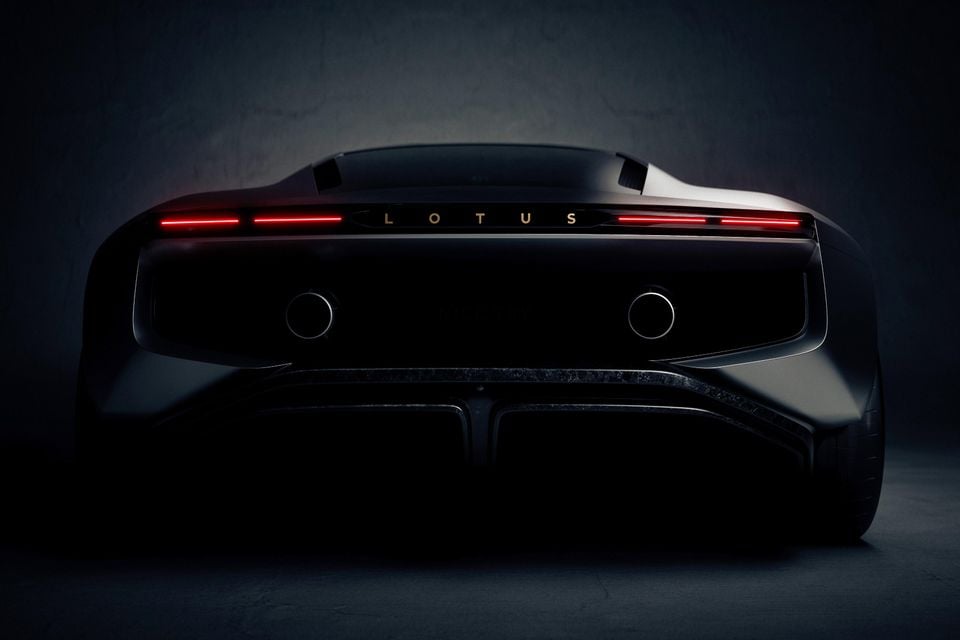
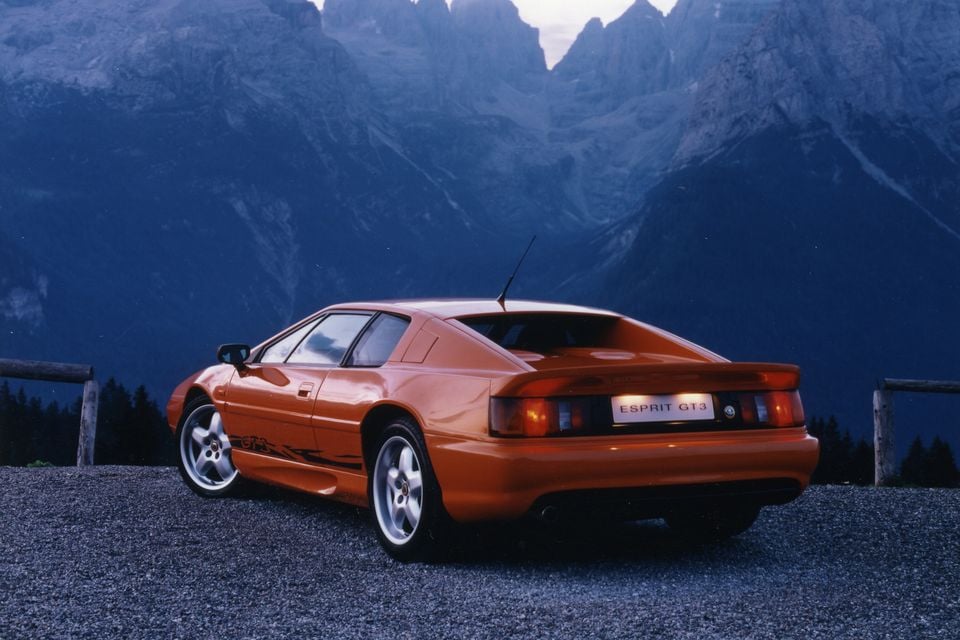
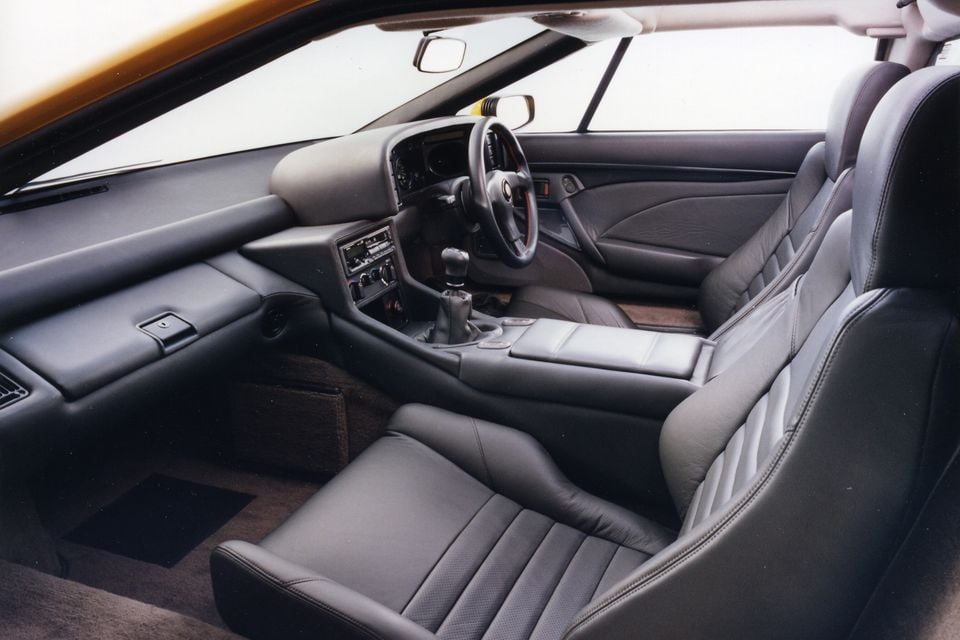
Speculation has been rife the supercar will revive the Esprit name, which was retired in 2004. While Mr Feng wouldn’t confirm the nameplate’s return, he said it was a “logical legacy connection” and a car “is still in the hearts of minds of many of our customers”.
In addition to the Esprit, he claims the new V8 will be used by other brands within the Geely empire, including “some off-road SUVs”, but only Lotus will employ the V8 in a sports car.
The Emira was originally conceived as the last Lotus ever with a petrol engine, but with the company’s lifestyle EVs failing to meet their lofty sales targets and sports car buyers preferring internal combustion, its replacement will once again be petrol-powered.
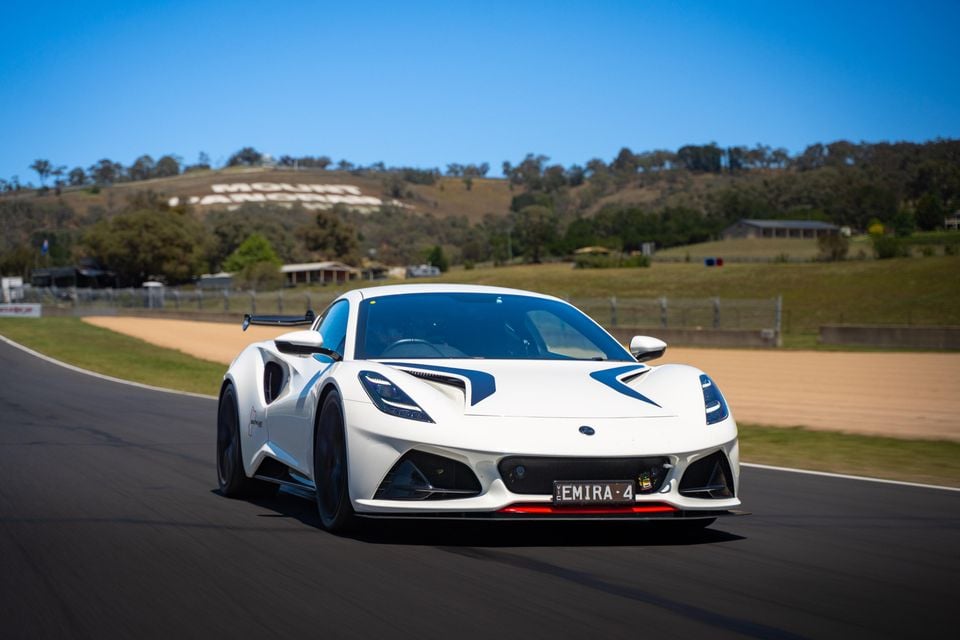
Powering the Emira replacement will be a V6 hybrid drivetrain from Horse. This setup is likely to be related to the 3.0-litre twin-turbo V6 Horse is developing for Geely’s plug-in hybrid 4×4 ute.
According to the Lotus boss, there will be no follow up to the AMG four-cylinder Emira replacement will be a six-cylinder only car as “people prefer the V6”.
An earlier report from AutoExpress claims the hybrid V6 Emira could surface as early as 2027.
Both the new Emira and Type 135 supercar are part of the company’s new Focus 2030 plan, which includes Lotus setting itself a more realistic sales target of 30,000 cars per year. In 2025, the company made just 6520 vehicles and is nowhere close to meeting the 150,000 sales target laid out in its Vision 18 strategy.
At the turn of the decade Lotus, like many other automakers, planned to go all-electric by 2030, with the Emira being the company’s last ever petrol-powered car. Now Mr Feng admits the company “did act too fast”, and that “is why we made a change and decided to go hybrid”.