
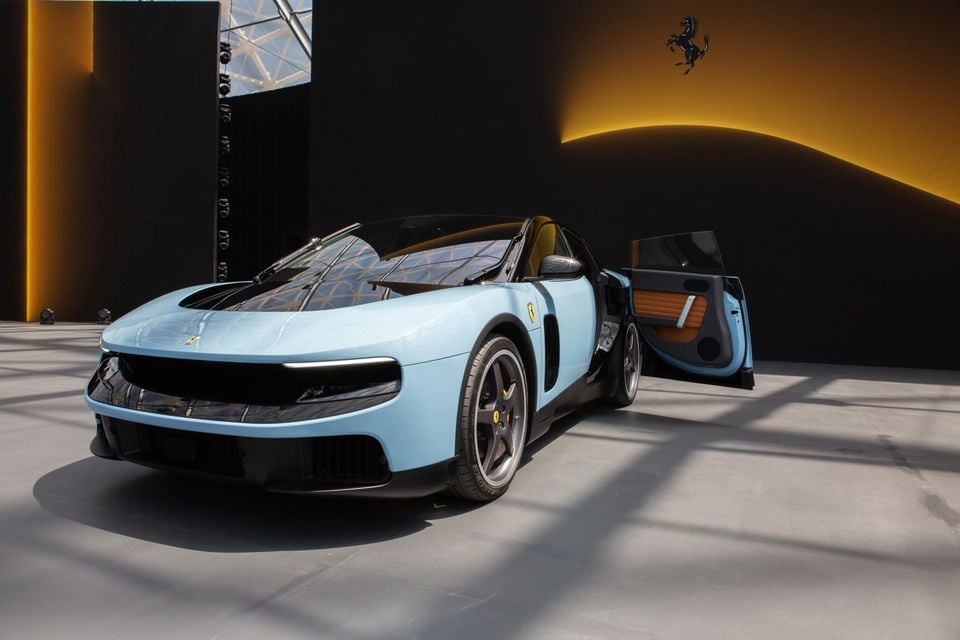
Battery longevity is one of the biggest worries for anyone buying an electric vehicle (EV), and Ferrari says it has engineered the new Luce with a clever answer to it.
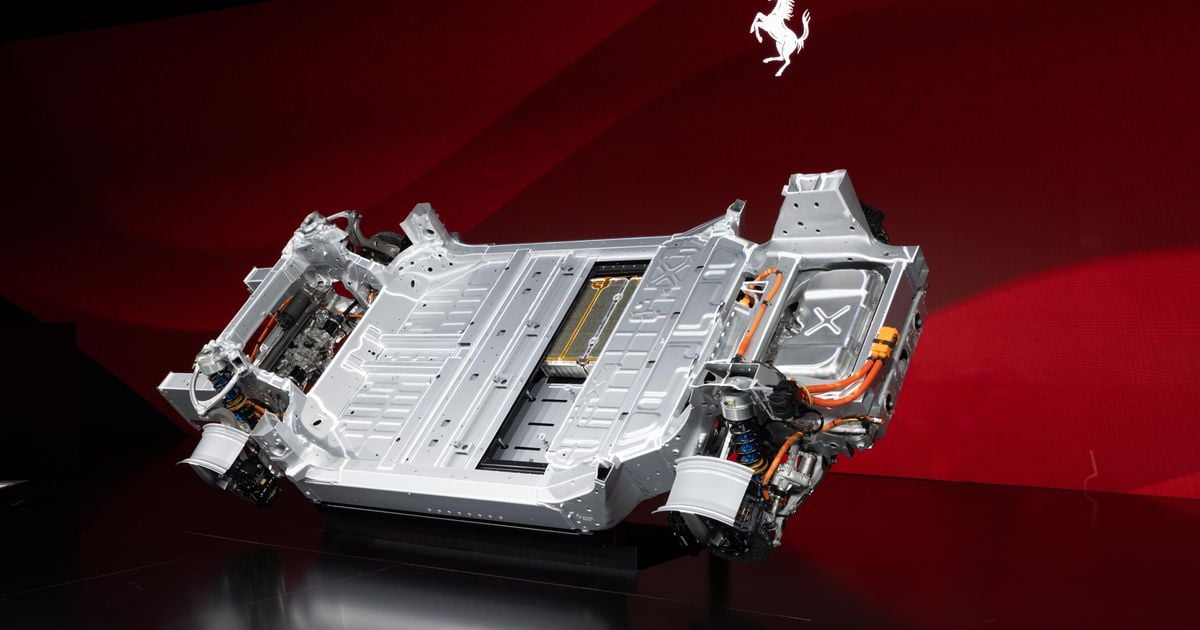
The Luce uses a 122kWh battery running on an 800V electrical architecture, and Ferrari says the pack has been designed so its cells can be replaced with newer technology well down the track. The chassis and battery housing are built to be permanent, but what goes inside isn’t locked in.
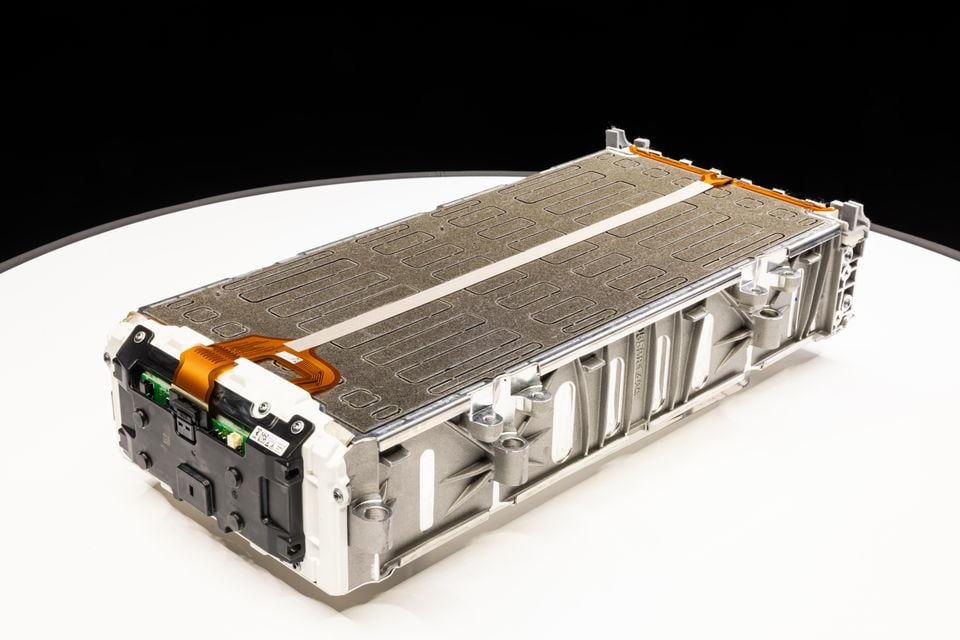
Ferrari says the modules sit in a grid inside the housing, rather than being fixed in place, which is what makes future swaps possible. The idea is that even if today’s cells stop being produced in 20 years, the Luce can be updated with whatever battery technology exists at the time.
“The chassis, the car and the battery housing are forever,” said Elena Ligabue, head of battery pack development for Ferrari. “What we can do is replace the technology inside with something new in the future. That is why there is no fixed grid inside the housing. We create the grid with the modules.”
Looking for your next car? We’ll help you research and compare so you choose with confidence.
It fits neatly with the brand’s broader thinking. Ferrari already offers a seven-year maintenance program across its range, and the Luce adds a dedicated eight-year warranty covering the key electric components, including the axles, battery and charging system. A battery you can refresh rather than replace wholesale plays directly into that long-term ownership promise.
The pack itself is assembled in-house. Ferrari says it made the strategic decision to construct the battery and its modules at a dedicated facility it calls the “e-building” at Maranello. Cells arrive at the building, and complete modules and battery packs leave it. That mirrors the way Ferrari has always built its engines in-house, keeping control over quality and process.
Ferrari says the Luce uses large pouch-style cells chosen for their balance of energy and power, with a gravimetric energy density of around 305Wh/kg. The cells are connected in series and grouped into modules of 14, with every pair sharing a plate that manages both cooling and the swelling that happens as a battery charges and discharges. There are 15 modules in total, with 13 in the floor and two under the rear seats.
That structural approach is central to the whole car. Ferrari says the battery’s aluminium plates also form part of the load path for the chassis.
“At the end, you cannot distinguish what is chassis and what is battery pack, because the two elements are fused together,” Ms Ligabue said.
Building the pack into the structure this way helps stiffen the car and lower its centre of gravity.
Each module also has its own controller, which Ferrari says monitors temperature every second and voltage every millisecond, keeping the cells balanced so performance stays consistent as the battery ages.
It’s a thoughtful bit of engineering, and the swappable-cell idea in particular could prove genuinely valuable for owners holding onto their Luce for the long haul.
MORE: Explore the Ferrari showroom
MORE: Ferrari Luce revealed: First electric Ferrari takes bold design approach