
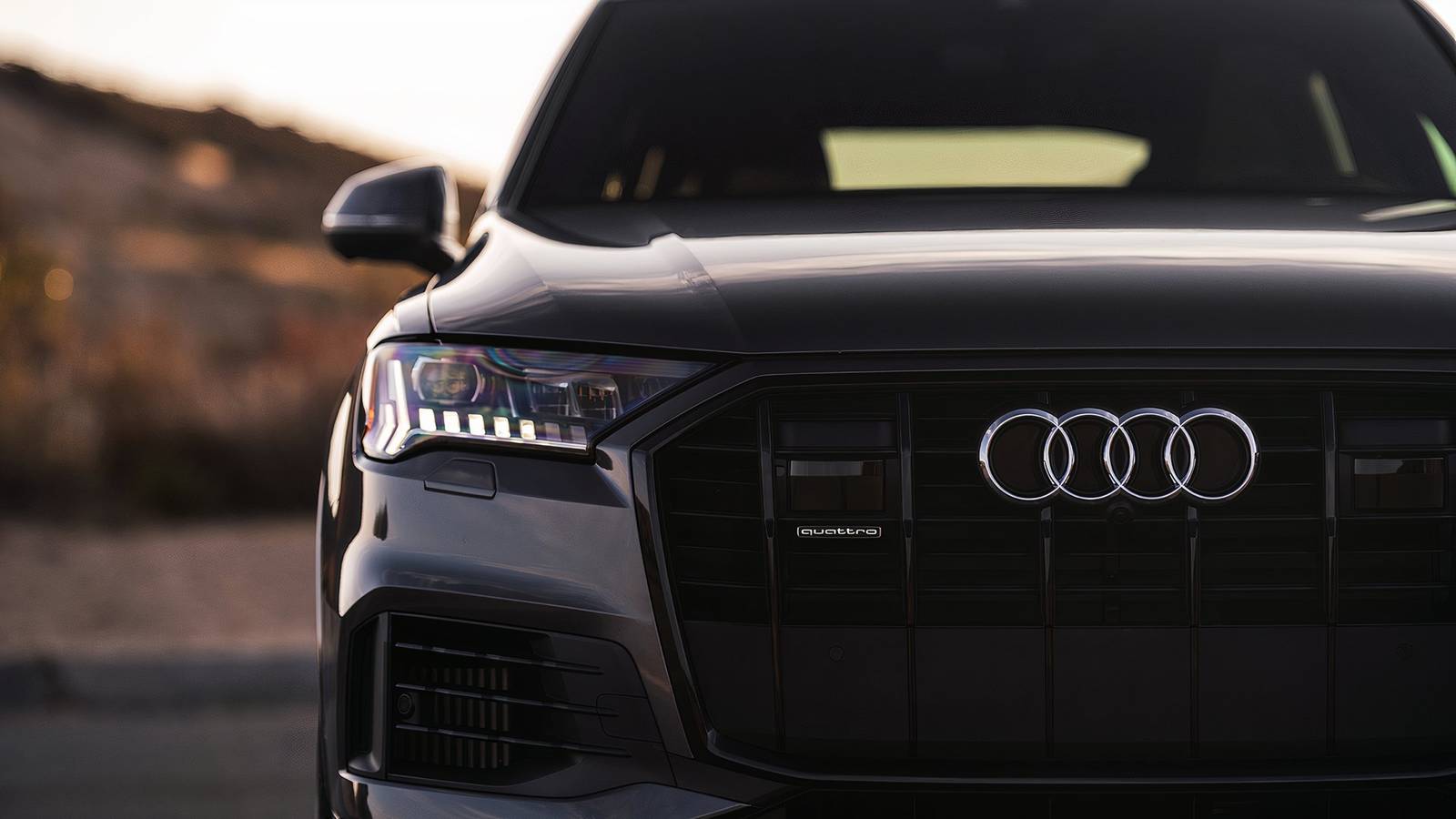
The silent killer of car ownership expenses is depreciation. When resale values reveal how much of that original investment has dissipated, the single largest financial impact often arrives years later, notwithstanding buyers’ obsession with pricing, performance metrics, option packages, and technology. Depreciation is often more expensive than the owners spend on fuel, servicing, and insurance put together. However, this fact is seldom brought up during the purchasing process. Some car types are prone to aggressive depreciation in resale value, according to large-scale resale studies. Electric cars, tech-heavy models, and luxury cars are some of the worst at keeping their value over time.
Automotive analytics company iSeeCars, which looks at hundreds of thousands of used car sales every month, says that high purchase prices, costly repairs, fast-changing technology, and changing consumer tastes all speed up the depreciation of these types of vehicles. Not even SUVs, which are always popular, can be called outliers. Even though SUVs and crossovers are the most popular cars in the world, many high-end models lose a lot of value when their warranties run out, and newer models set the bar for what people expect. The following SUVs, ranked by how much they lose value over time, show how the market can change a car’s financial story even after it has lost its appeal.
Models are listed in ascending order based on 5-year depreciation, from the lowest to the highest.
2020 Volvo XC90
5-Year Depreciation: 45–50%

With its trademark Scandinavian restraint rather than aggressive overtones, the Volvo XC90 stands out in the luxury SUV market. In keeping with Volvo’s long-standing efficiency policy, the powertrain options were mainly four-cylinder engines, either turbocharged or hybridized. The XC90’s improved road manners and silky ride quality made it a more appealing luxury family vehicle, even though its lack of bigger engines had some people scratching their heads.
Performance Specifications
|
Engine |
2.0-liter turbo & supercharged four-cylinder / plug-in hybrid |
|
Transmission |
8-speed automatic |
|
Horsepower |
316 hp / 400 hp (T8) |
|
Torque |
295 lb-ft / 472 lb-ft |
|
Driveline |
All-wheel drive |
|
Fuel Efficiency |
~21–27 mpg combined (variant dependent) |
One of the XC90‘s best features is still its design. The classic design of Volvos, with their clean lines, understated chrome accents, and iconic Thor’s Hammer LED lighting graphics, manages to look great for years to come. Inside, you’ll find a vertically oriented infotainment screen that feels distinctly modern, along with an emphasis on natural materials and simple architecture. Although premium pricing and constant competition will eventually put pressure on resale prices, the depreciation patterns here more closely reflect the behavior of the luxury category as a whole rather than any particular flaws.
Pros
- Beautiful Scandinavian interior design
- Outstanding seat comfort
- Strong safety reputation
Cons
- Small-displacement engine lacks drama
- Infotainment can feel laggy
- Luxury depreciation patterns persist
2020 Audi Q7 (55 TFSI Typical)
5-Year Depreciation: 50–55%

With its calm demeanor and understated design, the Audi Q7 offers a driving experience that prioritizes practicality over stage presence. Whether you’re zipping around town or traveling across the country, turbocharged V6 engines will keep you entertained. Instead of going for blatant sportiness, the Q7 focuses on refinement, providing the same large-vehicle hallmarks of Audi: predictable handling and outstanding ride comfort.
Performance Specifications
|
Engine |
3.0-liter turbocharged V6 |
|
Transmission |
8-speed automatic |
|
Horsepower |
335 hp |
|
Torque |
369 lb-ft |
|
Driveline |
Quattro all-wheel drive |
|
Fuel Efficiency |
~19–21 mpg combined |
Elegant restraint is the visual preference of the Q7. The design is well-suited to the used market because of its clean surfaces, conservative proportions, and strong lighting graphics. Though previous versions can feel surprisingly antiquated soon enough, the cabin, which is centered on Audi’s Virtual Cockpit technology, remains a technological standout. Leasing returns have a significant impact on depreciation trends, as high volumes of new-vehicle leases lead to an excess of used vehicles on the market, which in turn lowers resale prices.
Pros
- Clean, understated styling
- Excellent interior tech integration
- Comfortable yet composed ride
Cons
- Third row tight for adults
- Lease volume pressures resale
- Conservative design may feel anonymous
2020 Cadillac Escalade (Standard V8)
5-Year Depreciation: 50–55%

You won’t see many SUVs that command attention, like the Cadillac Escalade. It offers a uniquely American take on luxury motoring, with seamless acceleration from its naturally aspirated 6.2-liter V8 engine. Comfort and seclusion, rather than precise dynamics, define this premier cruiser, making it ideal for commanding highway travel.
Performance Specifications
|
Engine |
6.2-liter Naturally Aspirated V8 |
|
Transmission |
10-speed automatic |
|
Horsepower |
420 hp |
|
Torque |
460 lb-ft |
|
Driveline |
Rear-wheel drive / Optional all-wheel drive |
|
Fuel Efficiency |
14–16 mpg city / ~19–20 mpg |
The Escalade‘s exterior design embraces visual drama. Make your mark with striking lighting, clean lines, and commanding proportions. A visually stunning cabin environment is created inside, featuring large digital screens and luxury materials. Despite widespread familiarity with the brand and its cultural allure, the number of people willing to purchase a used vehicle is limited by factors such as fuel efficiency, maintenance expenses, and the vehicle’s overall size, all of which contribute to depreciation rather than attractiveness.
Pros
- Commanding presence and bold styling
- Spacious, tech-rich interior with premium materials
- Strong low-end torque and effortless power delivery
- Comfortable, composed ride for a full-size SUV
Cons
- Fuel economy is very low (typical for this class)
- Size can feel unwieldy in urban environments
- Depreciation and ownership costs remain high
- Infotainment can feel dated compared to European rivals

10 Full-Size SUVs That Depreciate The Most After 5 Years Of Ownership
These models struggle to retain value in a class that is experiencing a downtick in popularity.
2020 Infiniti QX80
5-Year Depreciation: 55–60%

The 2020 Infiniti QX80 represents one of the last truly old-school luxury SUVs, pairing imposing road presence with a naturally aspirated 5.6-liter V8 engine that delivers smooth, linear power. Unlike many modern rivals that rely on smaller turbocharged units, the QX80 leans into traditional displacement and effortless torque, prioritizing refinement and relaxed cruising over outright efficiency. Its exterior design emphasizes size and boldness, with a tall stance, flowing body lines, and a large chrome-heavy grille that reinforce its flagship character.
Performance Specifications
|
Engine |
5.6-liter Naturally Aspirated V8 |
|
Transmission |
7-speed automatic |
|
Horsepower |
400 hp |
|
Torque |
413 lb-ft |
|
Driveline |
Rear-wheel drive / Optional all-wheel drive |
|
Fuel Efficiency |
14–15 mpg city / ~20–21 mpg highway (varies by drivetrain) |
Inside, the QX80 focuses heavily on comfort. The cabin offers generous space, plush seating, and a premium-leaning material mix designed for long-distance ease rather than cutting-edge minimalism. However, the vehicle’s aging platform and dated infotainment system contribute heavily to its depreciation profile. As newer competitors introduce sharper digital interfaces and modernized interiors, the QX80 can feel technologically behind the curve, which in turn dampens used-market demand. High fuel consumption and ownership-cost perceptions further narrow the pool of second-hand buyers, accelerating value loss despite the SUV’s strong reliability reputation.
Pros
- Strong, linear V8 power delivery
- Very spacious, comfortable three-row cabin
- Traditional SUV feel with straightforward mechanics
- Good towing capacity for class
Cons
- Outdated infotainment and tech compared to rivals
- Fuel economy is very low
- Conservative interior and exterior design feels dated
- Depreciates heavily relative to more modern competitors
2020 Mercedes-Benz GLS
5-Year Depreciation: 55–60%

Frequently referred to as the “S-Class of SUVs,” the GLS combines large dimensions with sophisticated turbocharged six-and eight-cylinder engines. A quiet cabin, a comfortable ride, and effortless acceleration define the experience. By emphasizing luxury isolation over sporty aim, Mercedes’ suspension tuning further solidifies its place as a flagship vehicle.
Performance Specifications
|
Engine |
(GLS 450) 3.0-liter turbocharged inline-six with EQ Boost |
(GLS 580) 4.0-liter twin-turbo V8 with EQ Boost |
|
Transmission |
9-speed automatic |
9-speed automatic |
|
Horsepower |
362 hp |
516 lb-ft |
|
Torque |
369 lb-ft |
516 lb-ft |
|
Driveline |
All-wheel drive (4MATIC) |
All-wheel drive (4MATIC) |
|
Fuel Efficiency |
~19–21 mpg combined |
16–18 mpg combined (varies by configuration) |
The GLS exudes subtle sophistication through its external lines and proportions. With ambient lighting and layered materials, the MBUX system takes center stage in the cabin. The high purchase prices and short technology cycles contribute to depreciation. For example, the modern Mercedes interiors quickly change people’s expectations, making older models seem outdated.
Pros
- Exceptionally smooth and refined ride quality
- Opulent interior with MBUX tech and ambient lighting
- Tons of passenger and cargo space
- Available V8 delivers strong, effortless power
Cons
- Fuel economy is unimpressive, especially with the V8
- Large size can be intimidating in urban environments
- Ownership and maintenance costs are high
- Resale values tend to erode quickly in the luxury SUV segment
2020 Land Rover Discovery
5-Year Depreciation: 55–60%

Designed to balance family practicality with genuine off-road capability, the Discovery occupies a distinctive space within the luxury SUV segment. Engine options typically include turbocharged four- and six-cylinder powertrains delivering smooth, composed performance rather than outright drama. Ride comfort and interior packaging efficiency remain central to the vehicle’s appeal, particularly for buyers prioritizing versatility and space.
Performance Specifications
|
Engine |
2.0-liter turbocharged four-cylinder (base) |
3.0-liter supercharged V6 (optional) |
|
Transmission |
8-speed automatic |
8-speed automatic |
|
Horsepower |
296 hp |
340 hp |
|
Torque |
295 lb-ft |
332 lb-ft |
|
Driveline |
All-wheel drive |
All-wheel drive |
|
Fuel Efficiency |
19–21 mpg combined |
17–19 mpg combined (varies by engine and trim) |
The Discovery’s design language blends modern Land Rover minimalism with subtle rugged cues. Its stepped roofline and unique rear styling give it an instantly recognizable silhouette, while the cabin emphasizes functionality, visibility, and premium materials. Depreciation patterns largely mirror broader brand trends, where ownership-cost perceptions and reliability concerns weigh heavily on used-market demand. Even with strong capability credentials, resale values often reflect buyer caution rather than product strength.
Pros
- Excellent blend of on- and off-road capability
- Spacious, versatile interior with clever seating configurations
- Comfortable ride with adaptive suspension options
- Distinctive design that stands out in the luxury SUV segment
Cons
- Depreciation is strong due to ownership-cost perceptions
- Reliability concerns impact buyer confidence
- Base four-cylinder can feel underpowered with a loaded Discovery
- Technology interfaces can feel laggy compared with rivals

10 Compact SUVs That Depreciate The Most After 5 Years Of Ownership
From luxury sport to mainstream commuter, these small utility vehicles can lose up to half their value in the first five years.
2020 Range Rover (Base / V8 / Plug-In Hybrid)
5-Year Depreciation: 60–65%

There aren’t many cars that can boast the Range Rover‘s combination of off-road credentials, luxury, and reputation. Smooth and elegant six-cylinder engines were one part of the 2020 model’s extensive powertrain lineup, which also included commanding supercharged and twin-turbocharged V8 versions. Performance was always going to be the headline, no matter what you did to the Range Rover. Its allure was in the way it handled power with relative ease.
Performance Specifications
|
Engine |
3.0-liter turbocharged inline-six (base) |
3.0-liter turbo inline-six with 48V mild hybrid |
5.0-liter supercharged V8 (optional) |
|
Transmission |
8-speed automatic |
8-speed automatic |
8-speed automatic |
|
Horsepower |
355 hp |
395 hp |
518–557 hp (varies by spec) |
|
Torque |
365 lb-ft |
406 lb-ft |
518–557 hp (varies by spec) |
|
Driveline |
All-wheel drive (standard) |
All-wheel drive (standard) |
All-wheel drive (standard) |
|
Fuel Efficiency |
18–20 mpg combined |
18–20 mpg combined |
15–18 mpg combined (varies by model) |
Its design is still instantly recognizable as a top-tier SUV. The Range Rover has an air of classic good looks that defies fads thanks to its smooth surfaces, spare accents, and proportional perfection. The cabin’s dual touchscreen interfaces, wood veneers, and plush leather upholstery all contribute to the car’s understated elegance. Resale values, however, paint a more negative picture. The pool of potential used-car buyers is severely limited, even though the vehicle is still highly desirable, due to factors such as long-standing views of reliability and the reality of high repair costs once warranties expire, which, in turn, affect depreciation.
Pros
- Timeless, authoritative exterior design and presence
- Exceptional ride comfort with advanced air suspension
- Luxurious cabin with rich materials and cutting-edge tech
- Multiple powertrain options offer a breadth of capability
Cons
- High ownership and maintenance costs
- Depreciation is steep due to repair cost concerns
- Fuel economy is low for larger engines
- Some advanced tech can age quickly
2020 BMW X7
5-Year Depreciation: 60–65%

Built to be more of a technical, comfort-focused showcase than an aggressive performance machine, the X7 is the biggest and most opulent SUV BMW offers. Customers can choose between a powerful twin-turbocharged V8 and an extraordinarily refined 3.0-liter turbocharged inline-six, both of which deliver seamless power and remarkable refinement for a car of this size. Driving the BMW X7 is all about maintaining calm and a comfortable ride, thanks to its composed chassis and responsive drivetrain that make its large dimensions seem much smaller. The exterior features a prominent presence and contemporary BMW design language.
Performance Specifications
|
Engine |
(xDrive40i) 3.0-liter turbocharged inline-six |
(M50i) 4.4-liter twin-turbocharged V8 |
|
Transmission |
8-speed automatic |
8-speed automatic |
|
Horsepower |
335 hp |
523 hp |
|
Torque |
330 lb-ft |
553 lb-ft |
|
Driveline |
All-wheel drive (xDrive) |
All-wheel drive (xDrive) |
|
Fuel Efficiency |
20–21 mpg combined |
16–18 mpg combined (varies by trim and setup) |
The contoured bodywork creates unmistakable road authority, sleek LED lighting signatures, and a massive kidney grille. Expansive screens, layered materials, and ambient lighting support the interior’s luxury positioning, which aligns with BMW’s digital-forward concept. Depreciation trends remain steep, even with these strengths. Concerns about long-term ownership expenses, high initial pricing, and expensive upkeep all contribute to low demand in the used market. Plus, there’s a constant influx of vehicles coming off lease, which boosts supply and, in turn, lowers resale values in the full-size luxury SUV market.
Pros
- Expansive, premium interior with tech-rich displays
- Smooth, refined ride for such a large SUV
- Strong power across drivetrain options
- Commanding exterior presence that feels flagship-worthy
Cons
- Fuel economy is modest (especially V8)
- High ownership costs weigh on used-market demand
- Very large size feels unwieldy in tight spaces
- Depreciation in the luxury SUV segment remains steep
2020 Tesla Model X
5-Year Depreciation: 60–65%

For electric SUVs, the Tesla Model X ushered in a new era of promise. The car handles more like a high-performance sports sedan than an SUV thanks to its dual-motor electric powertrain, which delivers immediate torque and impressive straight-line acceleration. Throttle response is characterized by Tesla’s philosophy of the drivetrain: immediate, silent, and unrelenting. The Model X‘s identity is also greatly influenced by its design. The sleek, minimalist exterior language is reminiscent of Tesla, while the falcon-wing rear doors create a dramatic visual theater.
Performance Specifications
|
Powertrain |
Dual-motor electric drivetrain |
|
Transmission |
Single-speed direct drive |
|
Horsepower |
670 hp (varies by version/battery calibration) |
|
Torque |
Instant electric torque (not traditionally rated) |
|
Driveline |
All-wheel drive (Dual Motor) |
|
Fuel Efficiency |
90–100 MPGe combined/ Estimated ~250–295 miles range (EPA, varies by wheel/tire setup) |
The cabin is similarly minimalist, with the touchscreen display as its focus. Depreciation trends are still somewhat high, even though it has strong performance and innovative characteristics. There is significant downward pressure on older models due to the rapid development of EV technology, including increased battery efficiency, longer range, and frequent price changes. Technological advancements in the electric car industry frequently surpass the lifespans of conventional vehicles, hastening the depreciation of even the most innovative goods.
Pros
- Supercar-like acceleration and instant torque delivery
- Futuristic design with dramatic falcon-wing doors
- Spacious, airy cabin with panoramic views and a minimalist interface
- Cutting-edge EV tech and standard driver-assist features
Cons
- Build quality and panel-fit inconsistencies have been noted
- Rapid EV tech evolution hurts resale values
- Falcon-wing doors remain divisive (“cool but cumbersome”)
- Range and charging expectations shifted quickly after launch

The Small BMW SUV Most Buyers Don’t Consider
The BMW X1 may not have the fame of its bigger siblings, but it embodies much of what makes the brand desirable.
2020 Audi e-tron 55 Quattro
5-Year Depreciation: 65–70%

Blending signature Audi elegance with fully electric propulsion, the e-tron was Audi’s first major foray into the luxury electric SUV market. Reinforcing its nature as a luxury vehicle, its dual-motor all-wheel-drive system provides consistent power delivery without the neck-snapping drama. Conforming to Audi’s well-established luxury standards, the ride quality, cabin isolation, and general poise are all top-notch.
Performance Specifications
|
Engine |
Dual electric motors (front + rear) |
|
Transmission |
Single-speed automatic |
|
Horsepower |
355 hp (boost mode 402 hp) |
|
Torque |
561 lb-ft |
|
Driveline |
All-wheel drive (Quattro electric) |
|
Fuel Efficiency |
78 MPGe combined / EPA range ~204–222 miles (varies with wheels/conditions) |
The e-tron deliberately shies away from the futuristic excesses of some of its electric-vehicle competitors, opting instead for understated elegance. Characterized by digital displays, layered materials, and clean design execution, the interior is unmistakably Audi. But resale performance reflects the bigger problems with first-generation EVs. Buyer behavior is greatly affected by factors such as a limited range compared to newer competitors, changing expectations for charging infrastructure, and rapid advances in battery technology. Regardless of the quality of the build or the strength of the brand, older electric SUVs depreciate disproportionately steeply because newer models surpass efficiency and range standards.
Pros
- Smooth, refined electric power delivery
- Quiet, composed ride with premium comfort
- High-quality interior with classic Audi design cues
- Full-size cabin with practical cargo space
Cons
- Range lags behind newer EV rivals
- Heavy weight impacts agility and efficiency
- Depreciation is steeper than many ICE counterparts
- Charging network experience can vary by region