
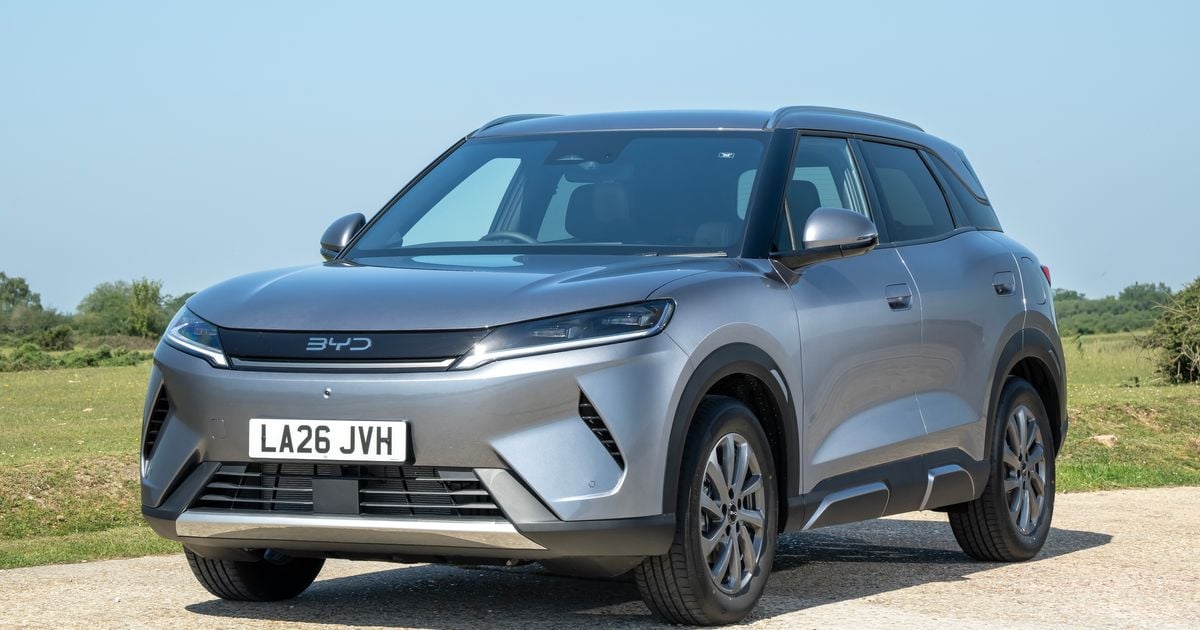
The BYD Atto 2 DM-i plug-in hybrid (PHEV) small SUV has received Australian Government type approval, indicating a local launch is just around the corner.
CarExpert understands it’ll arrive here during the third quarter (July to September) of 2026.
We reported in May that the Atto 2 DM-i, revealed last October, was headed for local showrooms after having already been confirmed for right-hand drive markets such as the UK.
The Australian Design Rule certification documents list a pair of powertrains: one with a total system output of 122kW, the other with 156kW. Both use a naturally aspirated 1.5-litre four-cylinder engine.
The electric Atto 2 was launched in Australia late last year as the Chinese brand’s smallest and cheapest electric SUV, which could mean the DM-i will become the cheapest PHEV on the market, too.
Looking for your next car? We’ll help you research and compare so you choose with confidence.
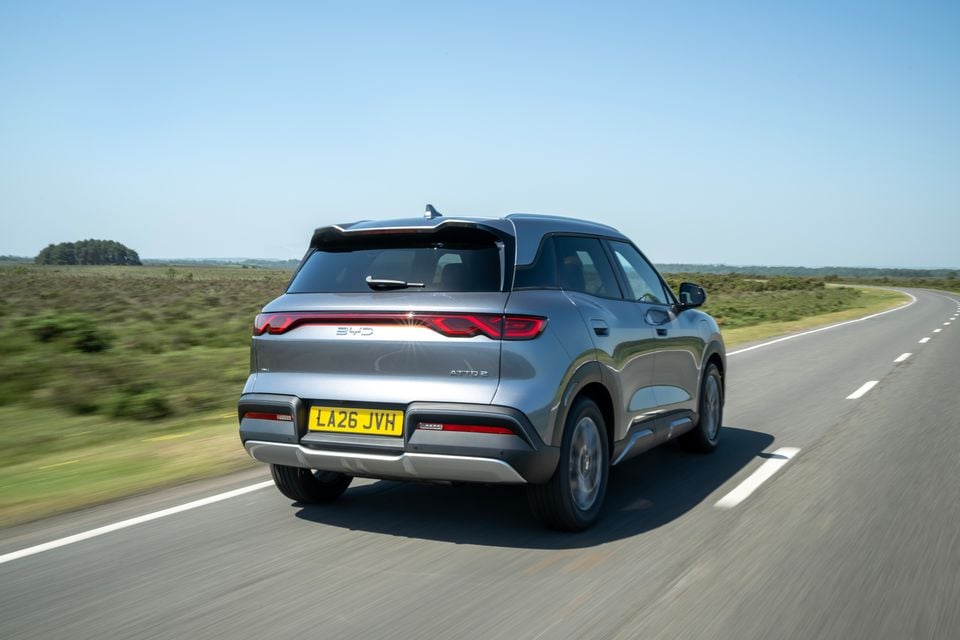
The UK-market Atto 2 DM-i is priced at £26,995 (~A$50,200) in Active trim and £29,995 (~A$55,800) in Boost guise, slotting it in under the all-electric Atto 2 Boost at £30,875 (~A$57,400) and the longer-range Comfort at £34,975 (~A$65,000).
In Australia, the electric Atto 2 is priced at $31,990 before on-road costs in Dynamic guise and $35,990 plus ORCs in Premium form, both of which use the same 51.1kWh battery as the UK-market Atto 2 Boost instead of the larger 64.8kWh pack.
That suggests the Atto 2 DM-i could come to Australia with a base price of under $30,000 before on-road costs.
BYD Australia would have to ensure the Atto 2 DM-i isn’t more expensive than the larger Sealion 5 PHEV SUV it launched last year, which is currently Australia’s cheapest PHEV with a base price of $33,990 plus on-roads. The next cheapest PHEV in Australia is the BYD Seal 6 sedan, priced at $34,990 plus on-roads.
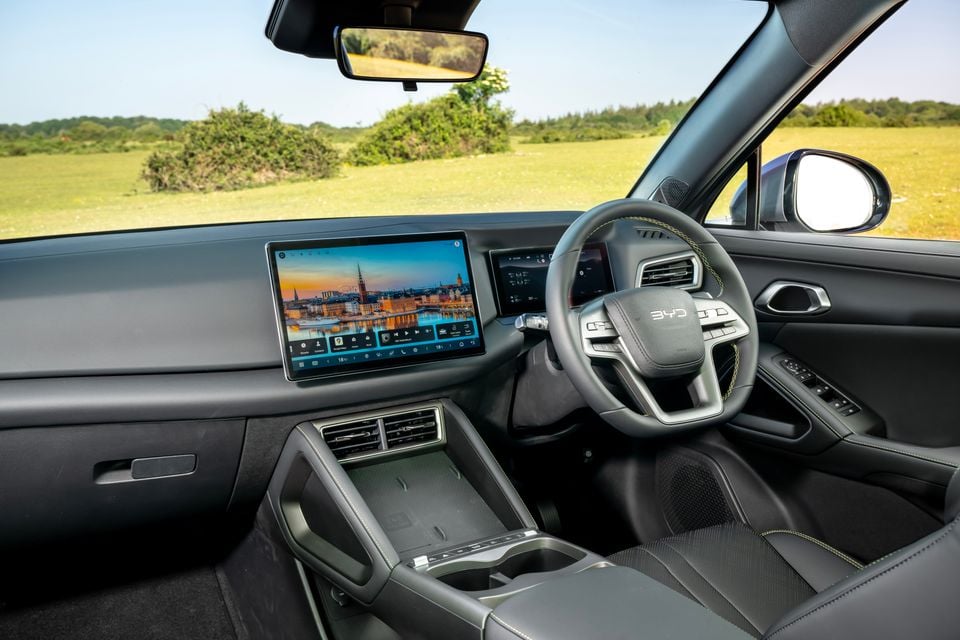
While the approval documents don’t list full specifications, we can look to BYD in the UK to fill in the gaps.
Over there, the Atto 2 DM-i is available with the two different powertrains listed in the Australian documents, incorporating a naturally aspirated 1.5-litre four-cylinder petrol engine producing 71kW of power and 122Nm of torque.
In the base Active variant, this is mated with an electric motor and a 7.8kWh lithium iron phosphate (LFP) battery that can be charged at up to 3.3kW on AC power.
Total outputs are 121kW and 300Nm, with a claimed 0-100km/h time of 9.1 seconds and electric range of 39km on the WLTP cycle.
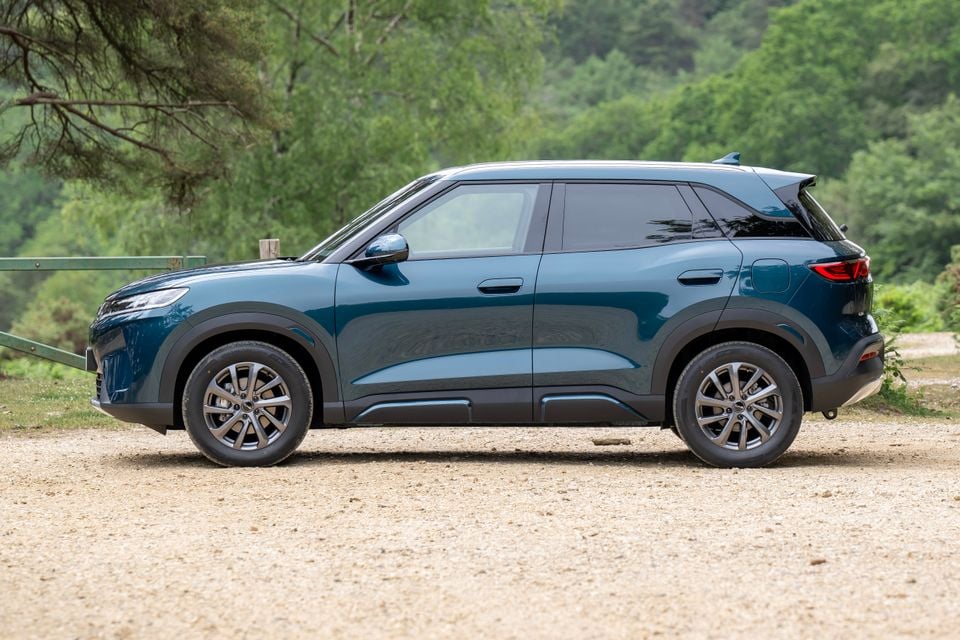
Stepping up to the Boost grade brings a slightly more powerful electric motor and a larger 18kWh LFP battery that can be charged at up to 6.6kW.
Total system power is upped to 156kW (torque is unchanged), cutting the claimed 0-100km/h time to 7.5 seconds, while electric range increases to 89km.
Standard equipment across the UK lineup includes LED headlights, an 8.8-inch digital instrument cluster, and a 12.8-inch touchscreen infotainment system with Google Built-in, with the Boost adding niceties like a panoramic sunroof, heated front seats and steering wheel, and a surround-view camera.
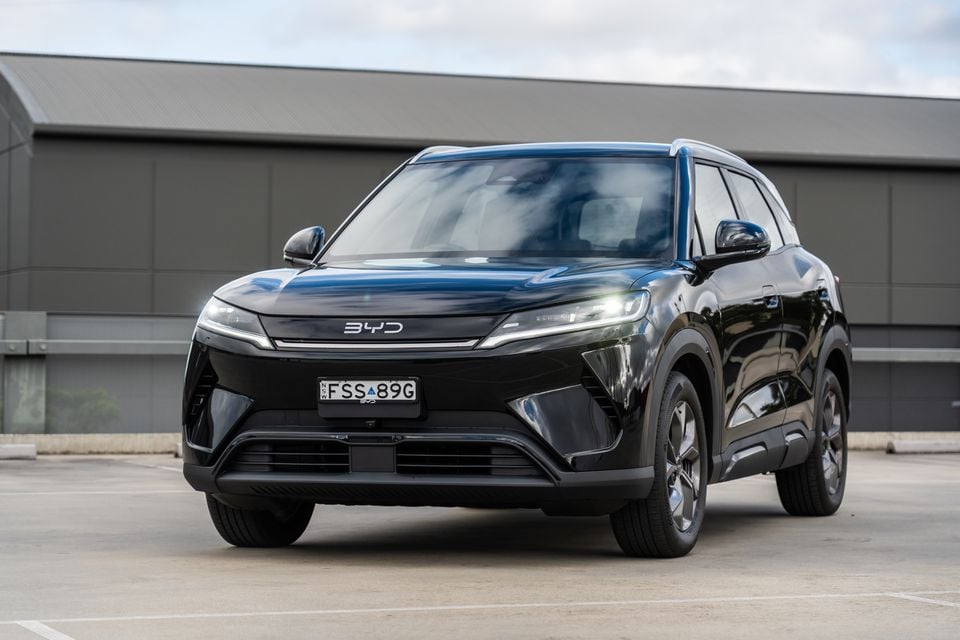
The Atto 2 DM-i will be the only PHEV in Australia’s mainstream small SUV segment following the discontinuation of the Mitsubishi Eclipse Cross PHEV. There are numerous hybrid and electric options, however, the latter of which includes the Atto 2 already on sale.
So far this year, BYD has delivered 2919 Atto 2s, making it the brand’s fifth best-selling model behind the Sealion 7 (7786), Shark 6 (6095), Sealion 8 (3419) and Sealion 6 (3094).
BYD has delivered 33,454 vehicles year-to-date, up 120.1 per cent on the same period last year, and its rapid lineup expansion is helping to boost its sales as it eyes an annual top-three spot in our market.
It’s currently sitting in third position this year, behind only Toyota and Kia, after finishing 2025 in eighth spot.