
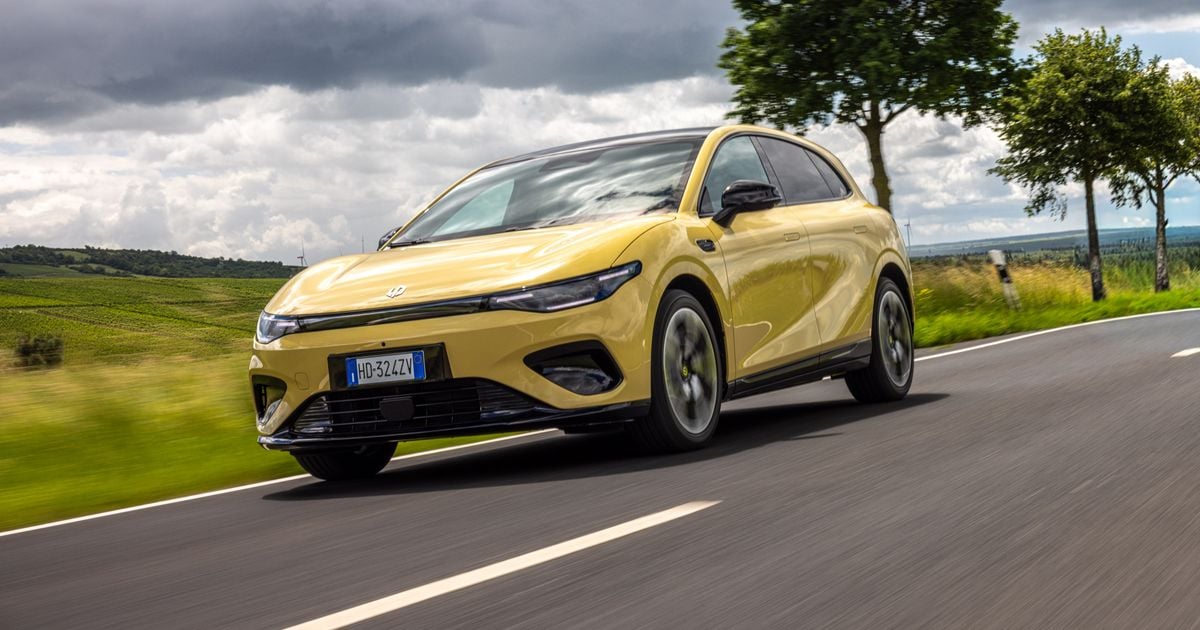
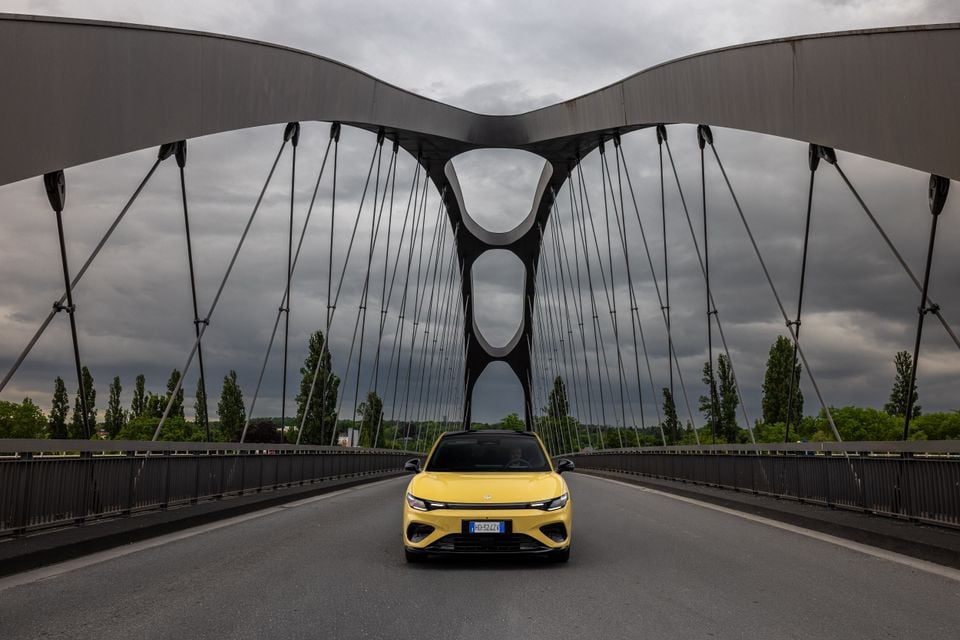
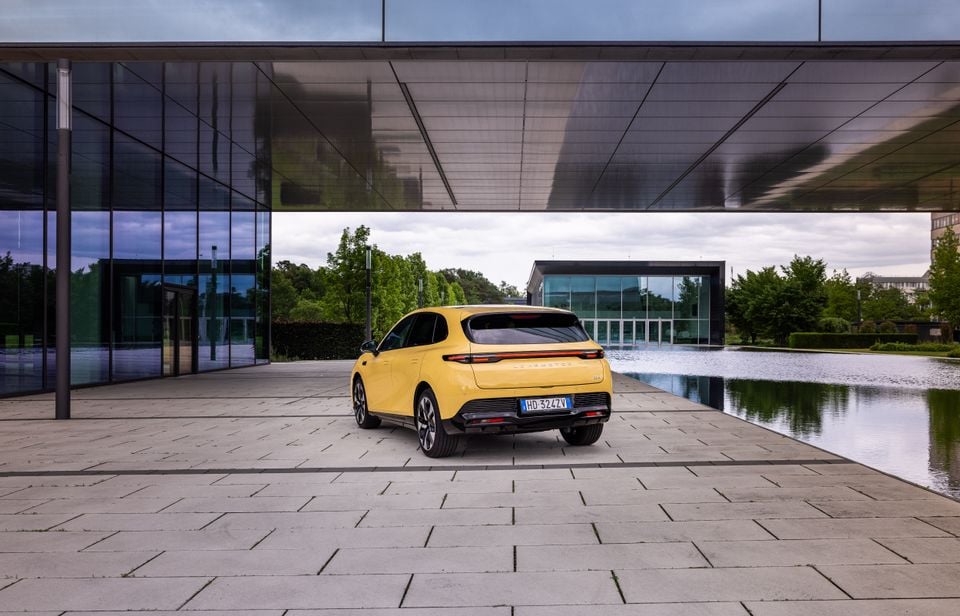
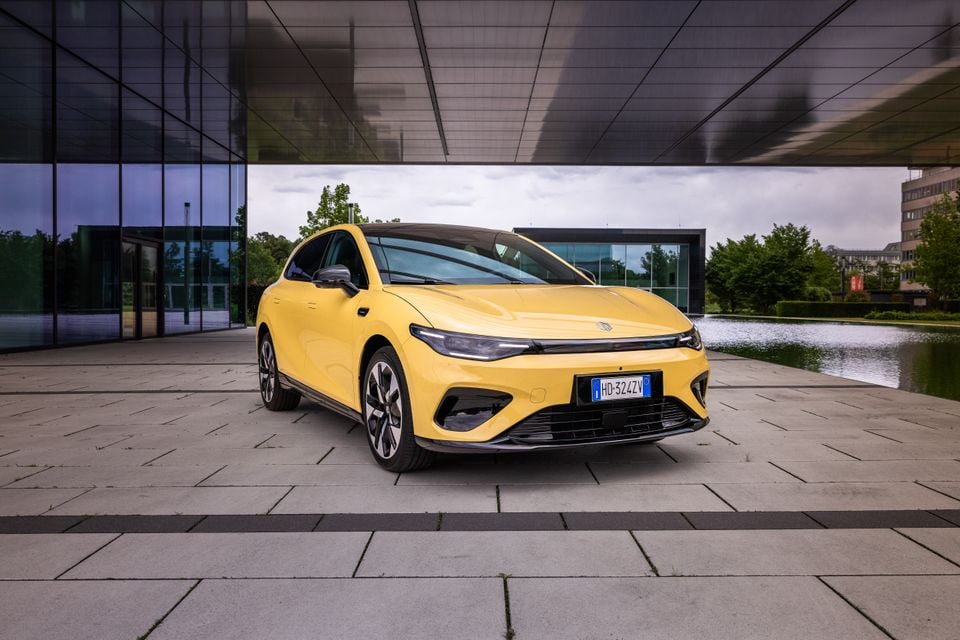
The Leapmotor B05 might be the most convincing car the Chinese brand has shown us so far.
That’s a fairly big call, because the B10 small electric SUV already proved Leapmotor is capable of producing something that feels far more mature than its price point might suggest. Nonetheless, the small B05 hatchback does that in a smaller, lower and arguably more interesting package.
Think of it as Leapmotor’s answer to the MG 4. It’s an electric hatch, it’s rear-wheel drive, it has proper multi-link rear suspension, and it is expected to land in Australia at a price that should make it one of the more compelling electric vehicles (EVs) in the small-car segment.
At this month’s international press launch, the indication was that the base B05 could land in Australia priced at around $36,000, though that figure is not confirmed and should not be treated as final. European pricing starts from €26,900, but that is not a straight guide to what we will pay here.
What matters more for now is how the car drives, because this was our first chance to sample the European/export-market tune that should be much closer to what Australia will receive… and the answer is: very well.
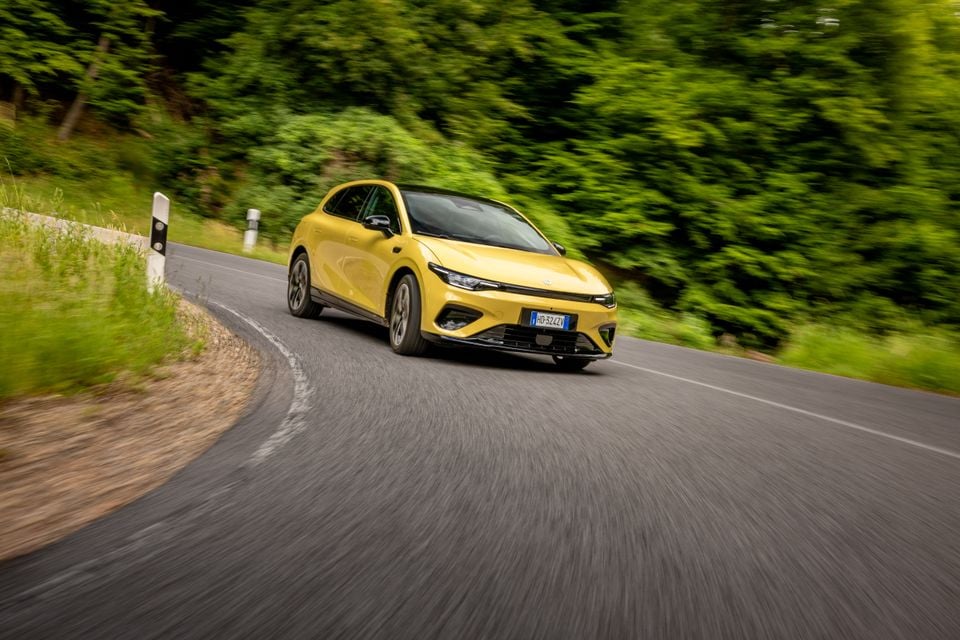
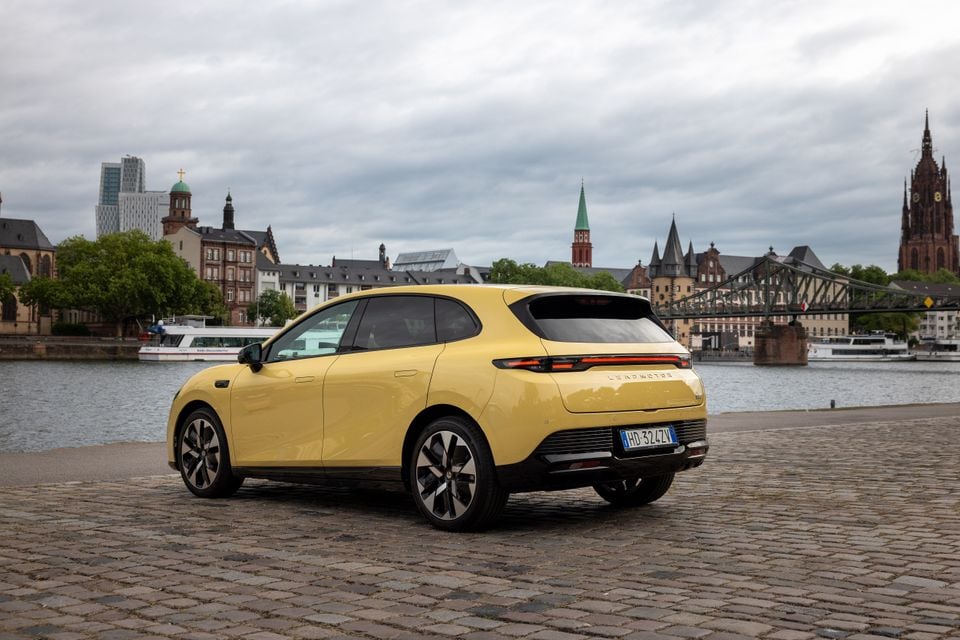
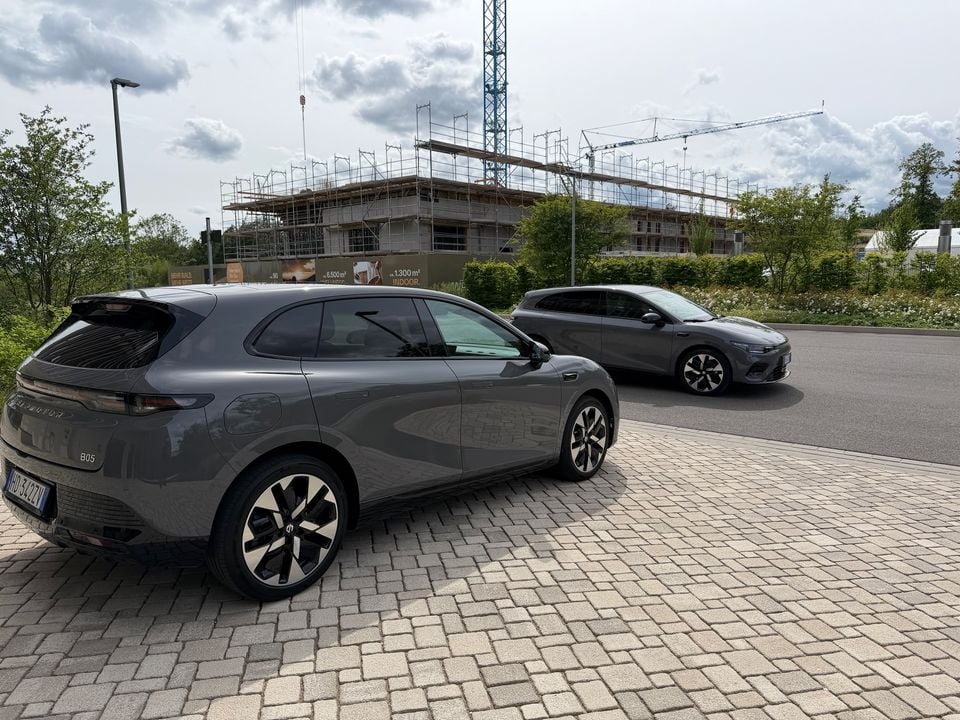
We drove the B05 on a mix of roads outside Frankfurt in Germany, including smooth country roads, tighter sections through villages, and those typical European cobblestone surfaces that can make a badly tuned car feel cheap very quickly, and the B05 did not feel cheap.
In fact, the biggest surprise was not the performance, the touchscreen, or the amount of standard equipment. It was how comfortable and quiet this thing is.
You expect an EV to be quiet in terms of powertrain noise, but that also means road noise, tyre roar and suspension thump become far more obvious. Leapmotor has clearly spent a lot of time on the basics here, because the B05 feels properly isolated from the road without becoming floaty or vague.
This is great news because the Chinese-market tuning we have experienced in some Leapmotor products before has leaned heavily towards soft and wafty. Great for being chauffeured around Beijing, less so if you actually want to drive around Brisbane.
This export-market B05 feels different. It still rides with a lot of compliance, but it is not loose or bouncy. It feels more European in the way it settles, and we were told the changes include more than just a damper retune.
Find your perfect new car with CarExpert
How much does the Leapmotor B05 cost?
Australian pricing has not been confirmed. At the car’s European launch, the indication was that the entry B05 could sit around $36,000 in Australia for the entry-level variant, which puts it in good contention against the likes of the MG 4. In Europe, the B05 starts from €26,900, while the higher-grade Design LR version tested here costs about €32,000.
The likely Australian range will see the base B05 Style paired with a 56.2kWh battery, and the Design LR paired with a larger 67.1kWh battery.
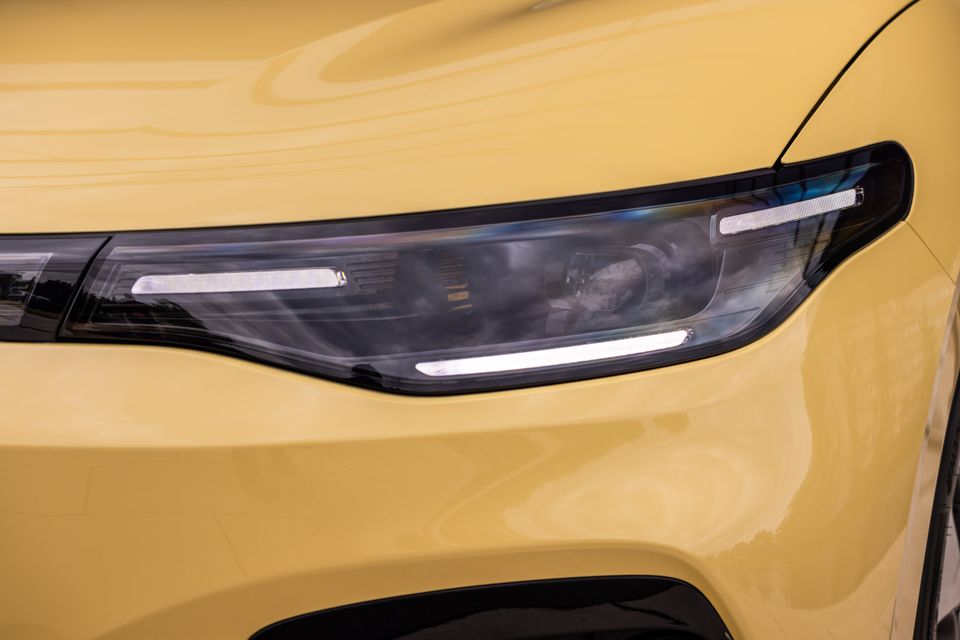
The B05 will have to land here with sharp pricing. The MG 4 is the obvious benchmark, and there are more Chinese EVs entering this space all the time.
If Leapmotor Australia can price this car from the mid-$30,000 mark with a decent level of standard equipment, it will have a pretty strong argument. It feels substantially more upmarket inside than the original MG 4, and based on this first drive it is close enough dynamically to be taken seriously.
To see how the Leapmotor B05 lines up against the competition, check out our comparison tool
What is the Leapmotor B05 like on the inside?
This is where the B05 really starts to make a case for itself. The cabin is typical modern Chinese EV in some ways, because almost everything is controlled through a large central touchscreen, but the execution is better than expected.
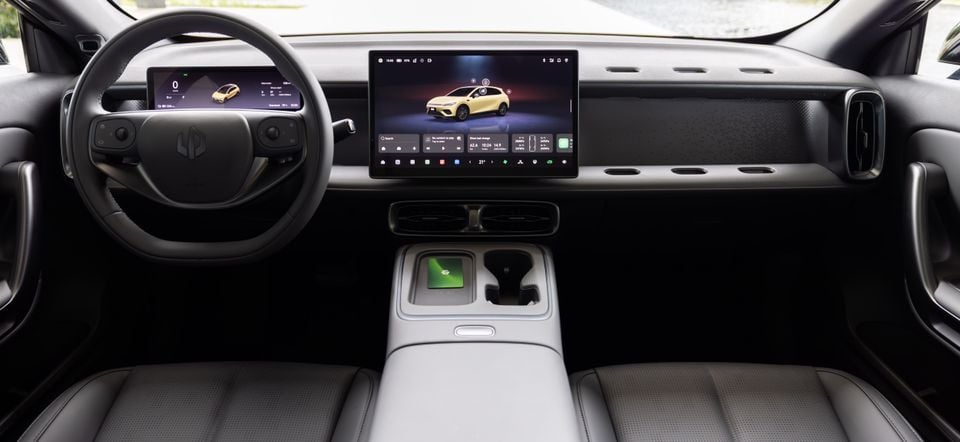
The centre screen measures 14.6 inches and it is backed by an 8.8-inch digital instrument cluster. The graphics are sharp, the response time is quick, and the whole system feels far more modern than what most legacy auto brands offer at this sort of money.
The air-conditioning controls sit permanently at the bottom of the screen, which makes them easier to live with than the buried climate systems found in some other EVs. We still prefer proper physical climate controls, but this is at least one of the better touchscreen implementations.
There is also a shortcut menu and plenty of vehicle settings, including acceleration modes, steering modes, regenerative braking settings, charging controls, and a number of more EV-specific functions.
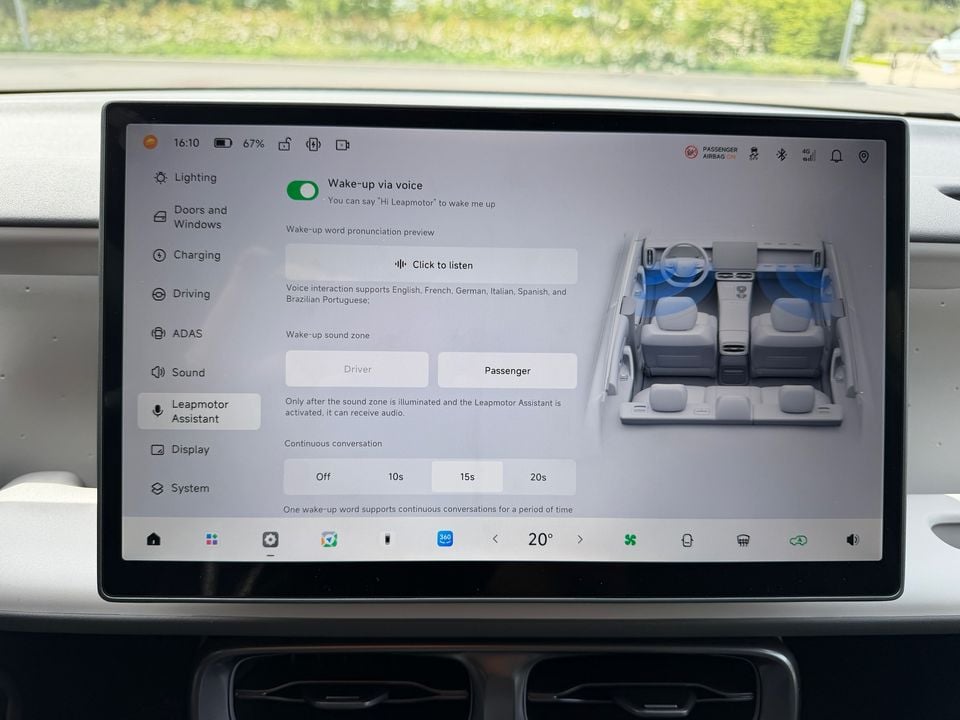
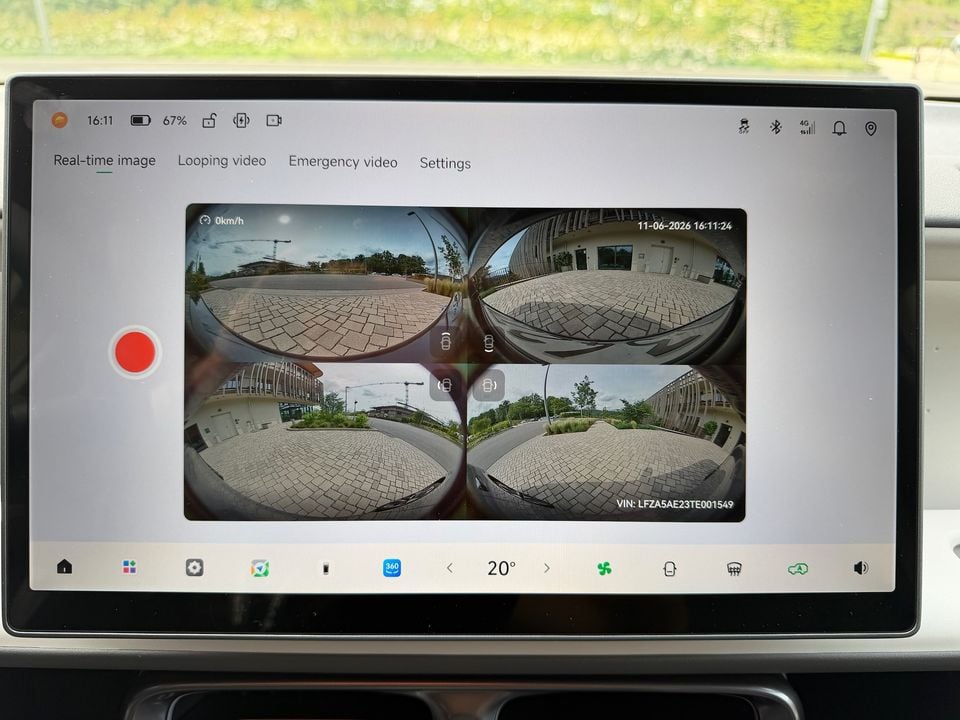
The B05 has a few clever lifestyle-type modes as well. The screen shows Guard mode, Camp Mode, Cleaning mode, Demo mode, and a vehicle-off power supply mode.
Camp Mode keeps the air-conditioning running when the car is locked and powered off, provided the battery charge is above 20 per cent, while the vehicle-off power supply mode is tied to the car’s discharging function.
There is also a built-in camera recording interface with real-time image, looping video, emergency video and settings tabs. Footage is saved to a configured USB storage device and is not sent to Leapmotor.
It all looks good, but some of the wording still feels very Chinese-market translated, rather than fully localised. That’s not a deal-breaker, but it is the sort of thing that still separates these brands from more established players.
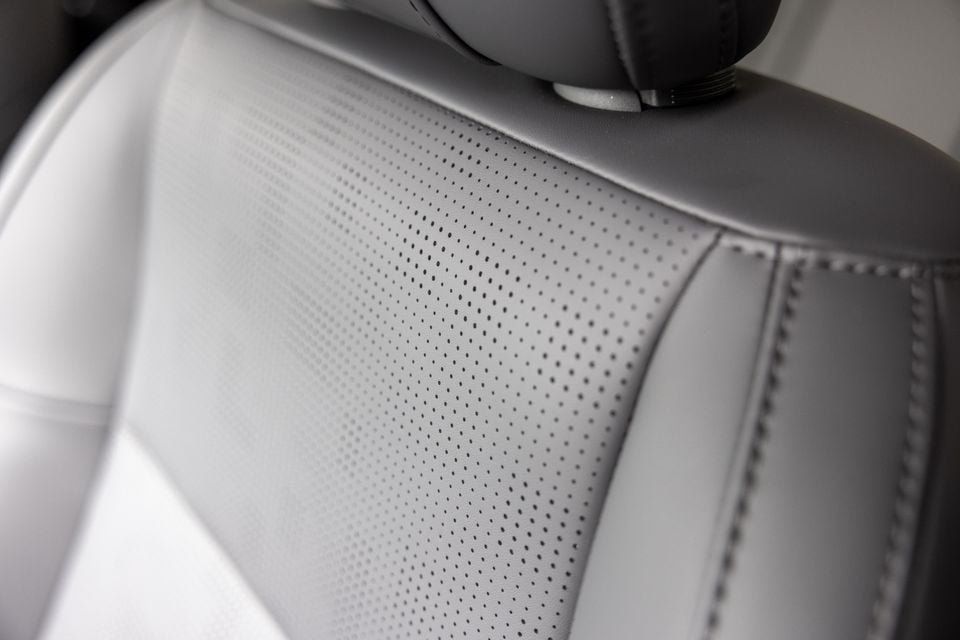
The seats are excellent. They are comfortable, supportive and nicely bolstered without feeling too tight. The front seating position is good and the major touchpoints are better than expected.
The material across the upper dash has an interesting texture that does not feel like the cheap, hard plastic you might expect in an affordable EV. The door cards are nicely finished as well, the armrests are soft where your elbows land, and even the window switches feel reasonably premium.
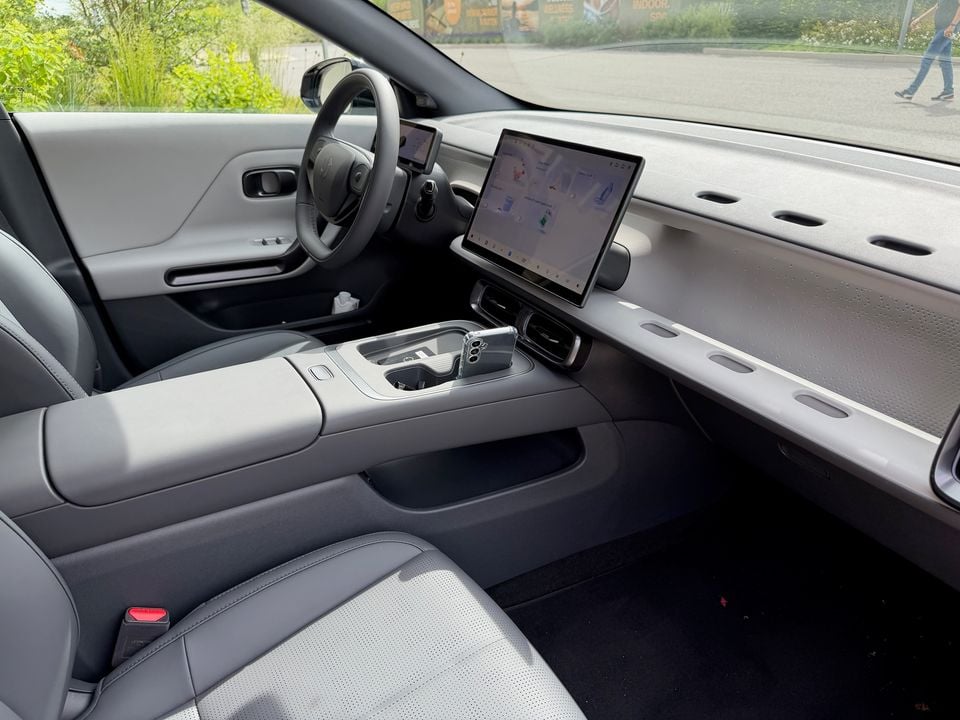
It’s the kind of cabin that makes a strong first impression, which Chinese brands are generally very good at. The bigger question is always how it will hold up after five years and 150,000km, but based purely on what you touch and use, the B05 feels more expensive than it is likely to be.
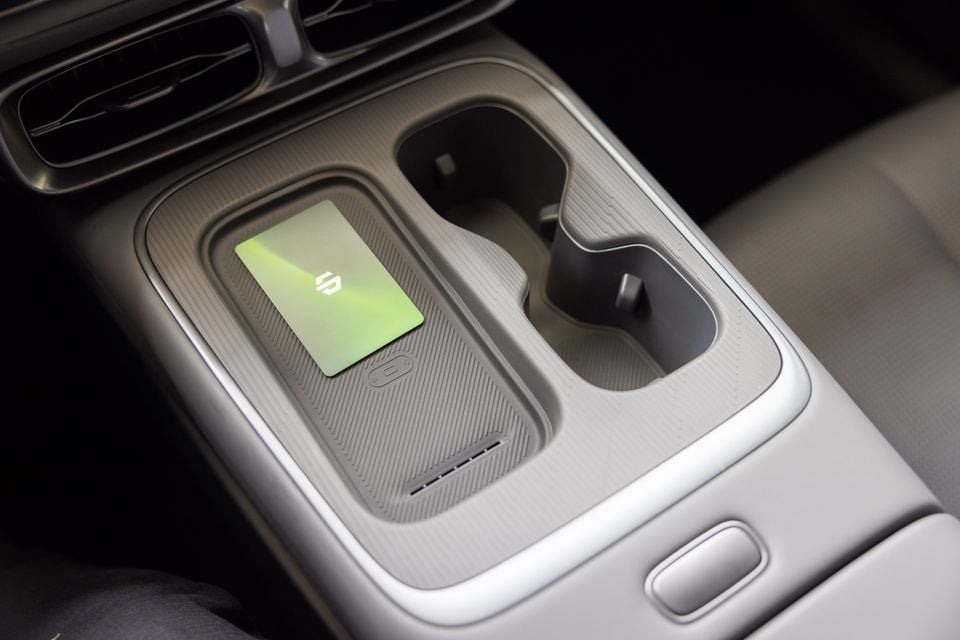
Storage is decent. The door bins are useful, the cupholders are good, and there is a wireless phone charger in the centre console. That phone charger is a bit tight, though. A large modern phone fits, but only just. If phones get any bigger, it could become a problem.
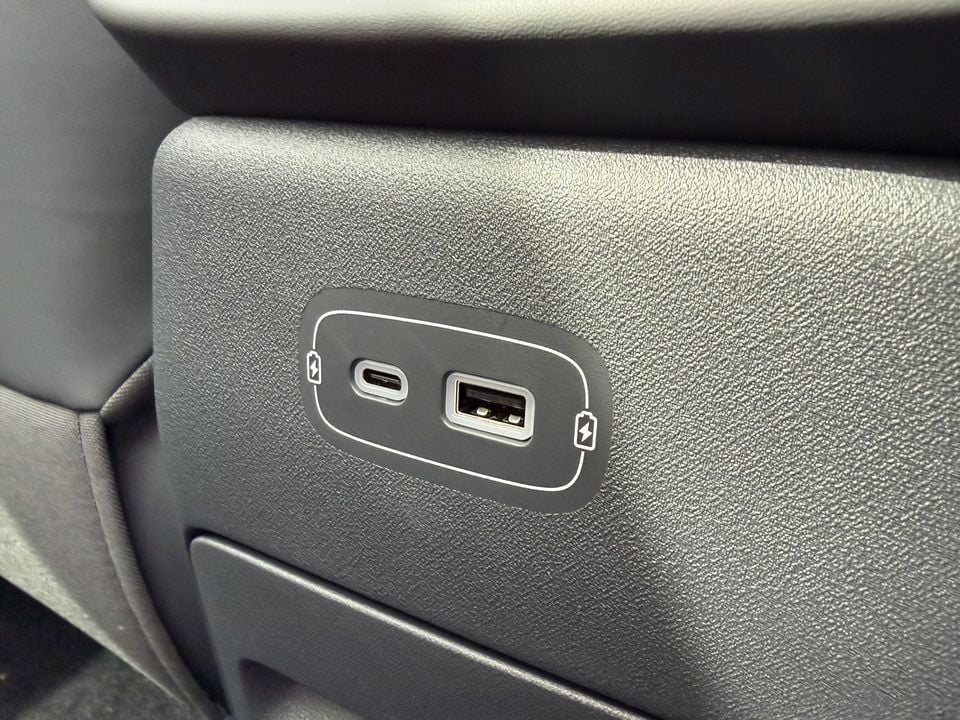
The USB ports are also oddly placed. There are USB-A and USB-C outlets, which was reasonable in 2020 but nobody needs USB A anymore and the USB-C port in the centre console is hidden so well that you almost need to get out of the seat and look underneath to find it. Once something is plugged in, it is fine, but the placement feels unnecessarily awkward.
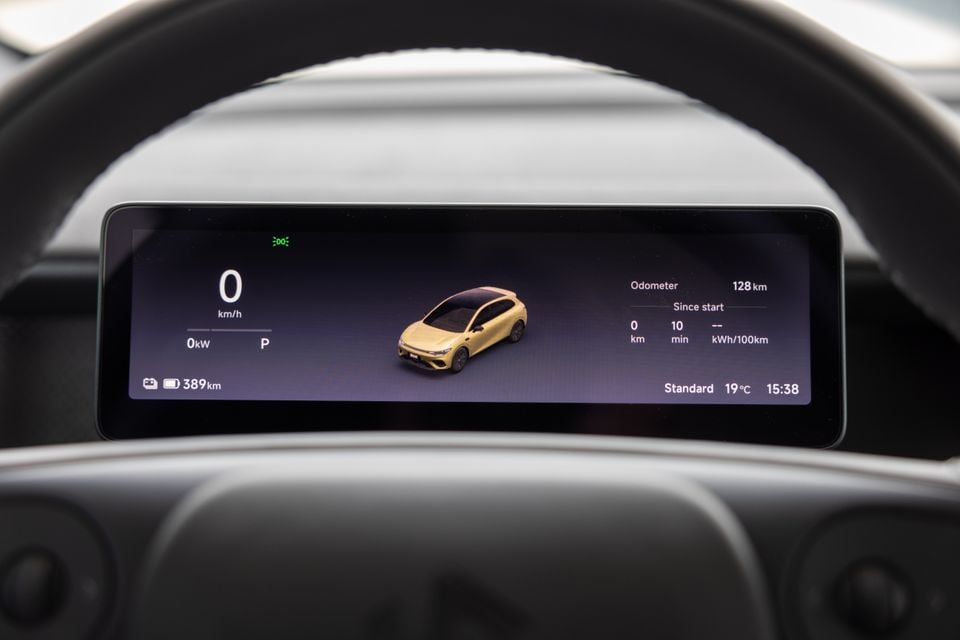
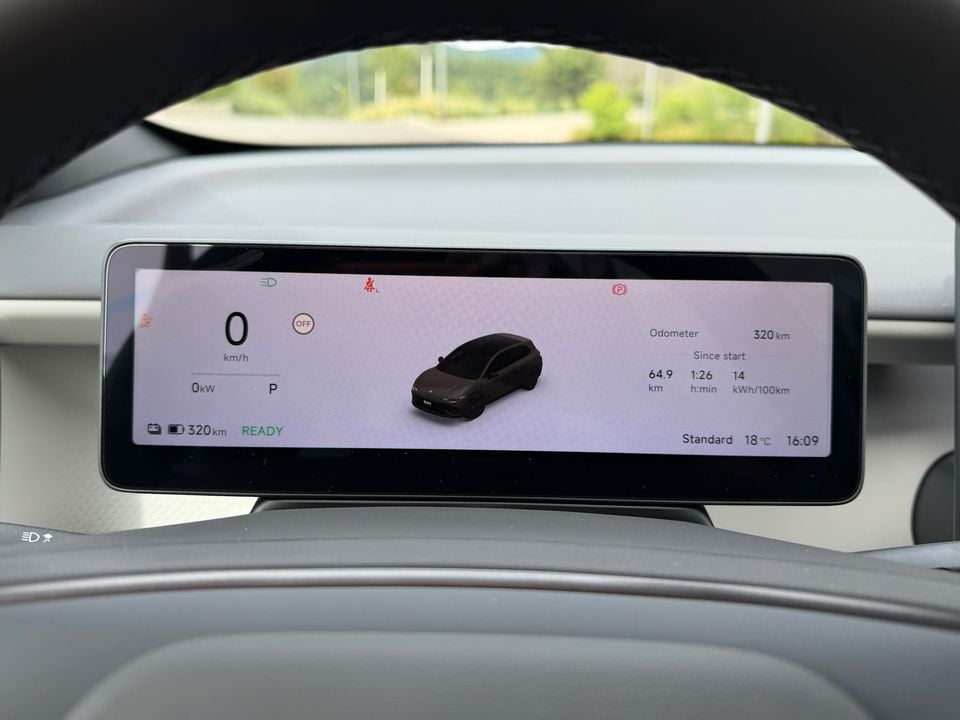
The digital instrument cluster is clear enough, but the layout needs work. The speed readout sits to the left of the display, while the most natural place your eyes fall is occupied by a graphic showing the car and surrounding objects.
That makes very little sense. I already have eyes to see the cars around me. Put the speed in the middle!
A head-up display would fix this, and it is the sort of feature that should not be impossible to add, particularly on higher-grade versions.
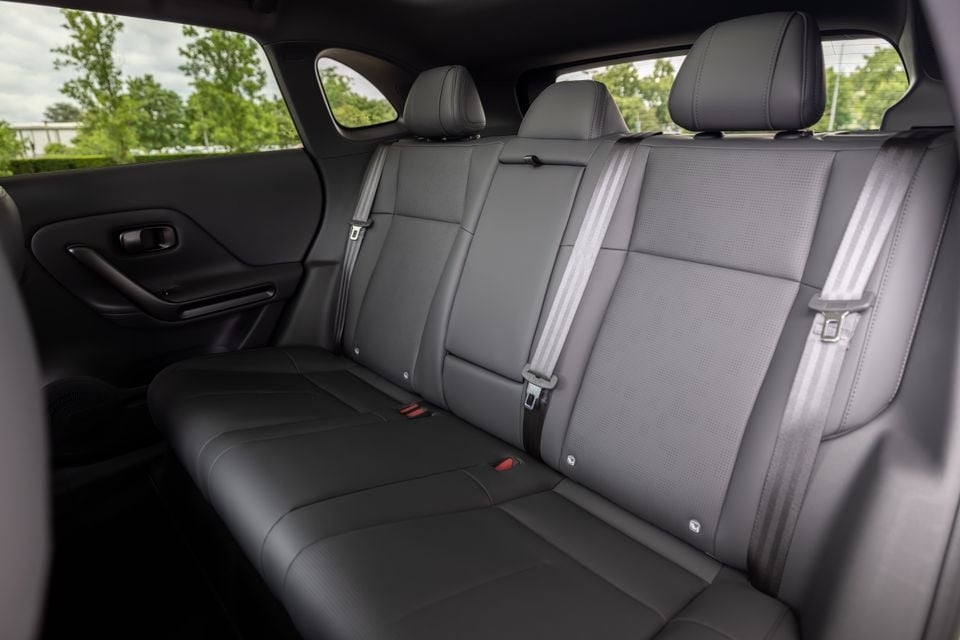
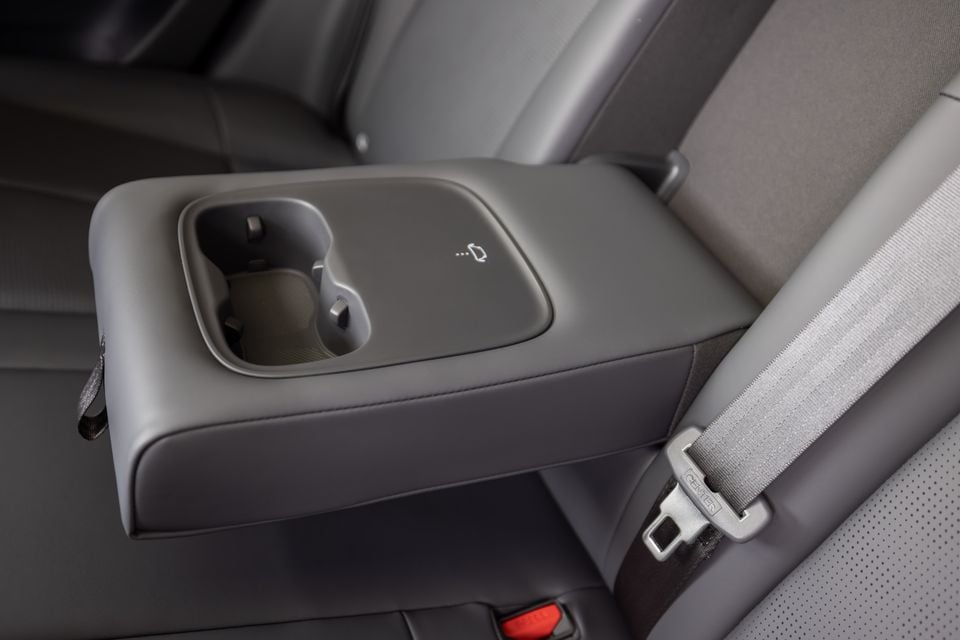
The second row is better than you might expect for a hatchback. There is enough space for four larger adults to fit in comfort, and the rear seatbacks have a 27-degree recline that makes it pretty comfortable. Boot space is listed at 345 litres, expanding to 1400L with the rear seatbacks folded.
To see how the Leapmotor B05 lines up against the competition, check out our comparison tool
What’s under the bonnet?
The B05 has a rear-mounted electric motor driving the rear wheels. In the international Design specification tested here, it produces 160kW of power and 240Nm of torque. Leapmotor claims a 0-100km/h acceleration time of 6.7 seconds and a top speed of 170km/h.
|
Specification |
Leapmotor B05 Design |
|---|---|
|
Drivetrain |
Single-motor electric |
|
Drive type |
Rear-wheel drive |
|
Power |
160kW |
|
Torque |
240Nm |
|
Battery |
67.1kWh |
|
Claimed range |
482km WLTP |
|
Claimed energy use |
15.9kWh/100km |
|
0-100km/h |
6.7 seconds |
|
Top speed |
170km/h |
|
Max AC charge rate |
11kW |
|
Max DC charge rate |
168kW |
|
DC charge time |
17 minutes, 30-80 per cent |
|
Front suspension |
MacPherson strut |
|
Rear suspension |
Multi-link |
|
Wheels |
19-inch alloy |
|
Front tyres |
225/45 R19 |
|
Rear tyres |
235/45 R19 |
There are two battery options internationally. The smaller 56.2kWh battery is listed with up to 401km of WLTP range, while the larger 67.1kWh battery provides up to 482km.
The B05 also uses Leapmotor’s Cell-to-Chassis architecture, which integrates the battery into the vehicle structure. The company says this helps packaging, weight and rigidity.
The claimed DC fast-charging speed is very good for the class. A 30 to 80 per cent charge time of 17 minutes, if it can repeat that reliably in the real world, would make the B05 one of the easier affordable EVs to live with on longer trips. But good luck finding a charger that can supply 170kW of power in Australia, where you will be lucky to get 50kW.
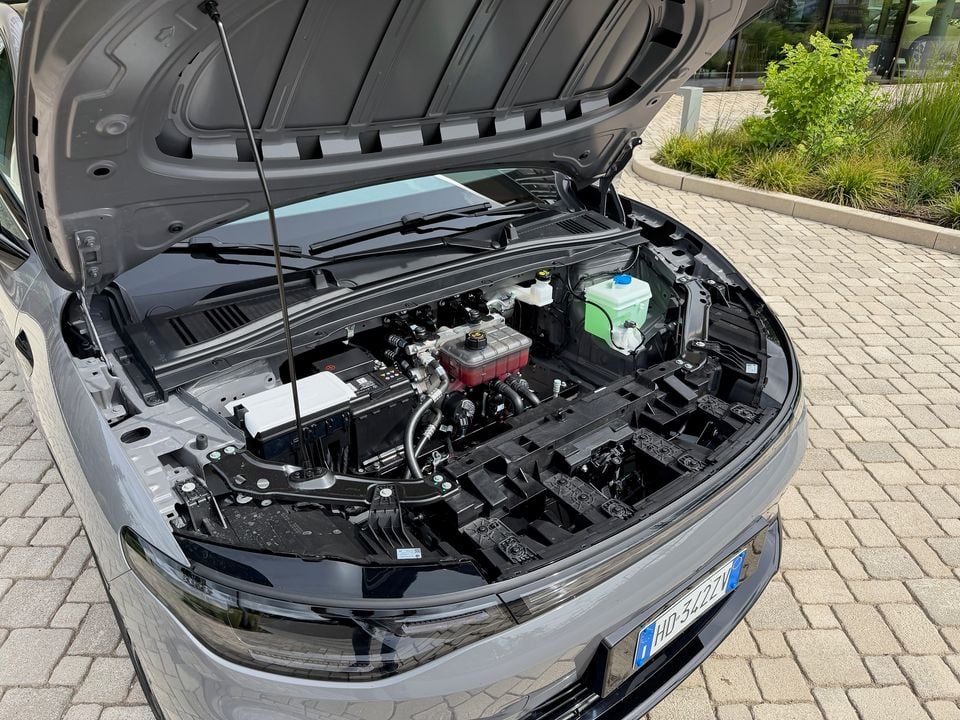
There is also an 11kW onboard AC charger (which is a huge improvement over the 7kW in the MG4), scheduled charging, a heat pump and V2L capability listed in the supplied technical sheet.
To see how the Leapmotor B05 lines up against the competition, check out our comparison tool
How does the Leapmotor B05 drive?
This is the best part of the car. The B05 is not a sports car and, despite the 6.7-second 0-100km/h claim, it does not feel especially rapid. It accelerates well enough, and there is more than enough performance for urban and suburban driving, but it feels slightly slower than the number suggests.
That is not a criticism in itself. Plenty of EVs chase acceleration numbers and forget the rest of the driving experience. The B05 is more impressive because of how well it rides, how quiet it is, and how confident it feels behind the wheel.
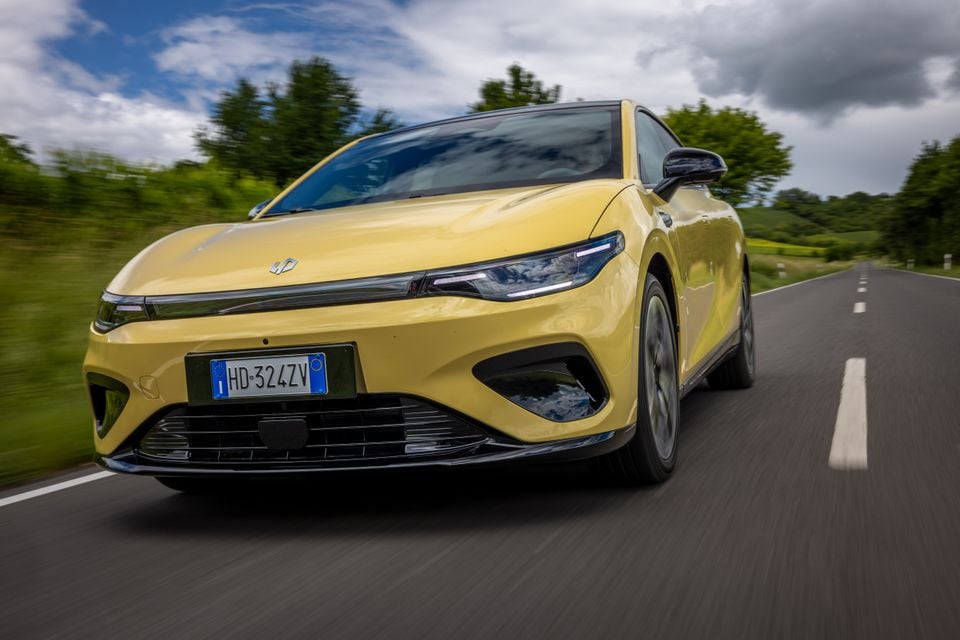
On cobblestone streets and broken European road surfaces, the suspension is genuinely terrific. It does not crash, thump or feel brittle, even though the car is riding on 19-inch wheels. The damping feels controlled, and the body does not float around after bigger hits.
That is the bit that really stands out. It is comfortable without being sloppy.
Leapmotor says the B05 was co-developed with Stellantis’ global chassis team and tuned for European expectations. This is the same team that tunes cars for Alfa Romeo and Maserati, and based on this drive that’s not just marketing talk. The car feels very European in the way it navigates bends and poor surfaces.
The steering is pretty reasonable and accurate enough, but it is not as sharp or communicative as the best versions of the MG 4. We would need to drive them back-to-back to be definitive, but my memory suggests the MG 4 has a slightly better steering tune.
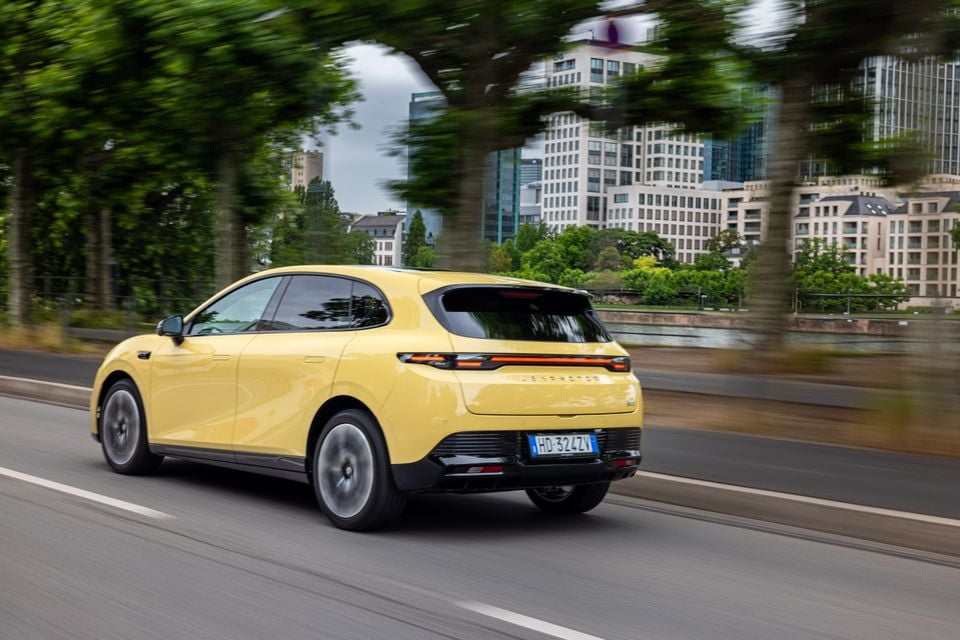
That said, the B05 counters with a more premium-feeling cabin, better perceived quality, and a calmer overall driving experience.
The rear-wheel drive layout also helps. It gives the car a more natural balance than a front-drive EV, and it avoids that slightly nose-heavy, traction-limited feeling you get in some affordable electric cars.
Grip is good, body control is strong, and the B05 feels composed even when you push it harder than most owners ever will.
Cabin refinement is excellent, too. There is very little wind noise, not much tyre noise, and only a faint electric motor sound in the background. Some of that is artificially generated EV noise, but it is not intrusive.
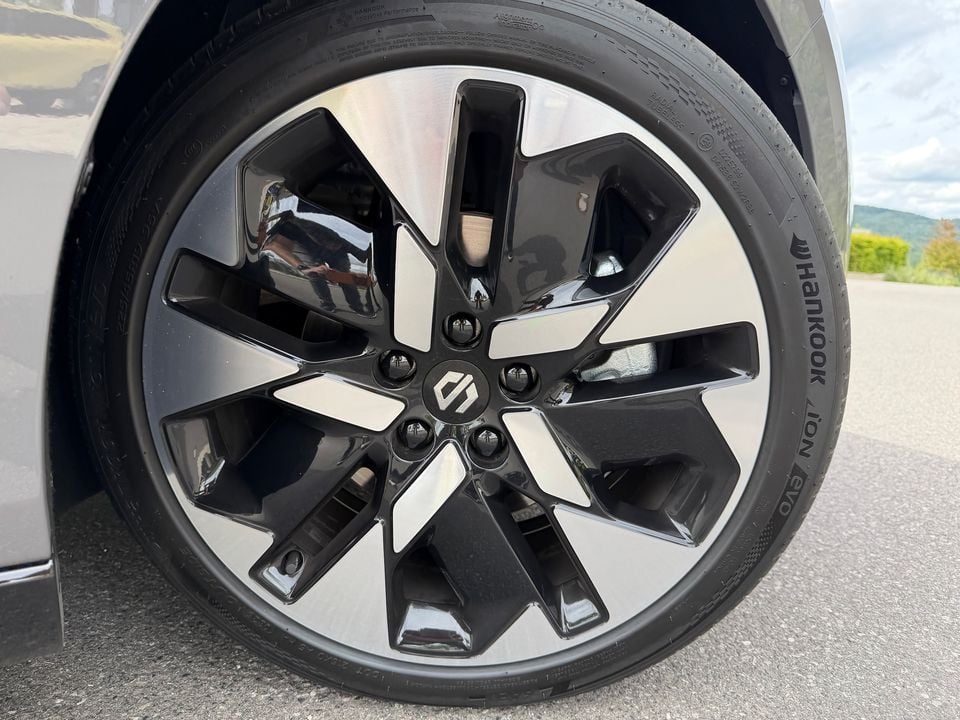
In fact, the quietness might actually be the most impressive part of the whole car. Cheap EVs can feel noisy very quickly because there is no combustion engine to hide everything else. The B05 does not have that problem.
The brake pedal feel is decent and the regenerative braking settings give you enough adjustment, though we will need a longer Australian drive to assess the B05’s one-pedal driving behaviour, highway efficiency, and how it handles coarse-chip road surfaces.
The biggest issue is not the chassis, the powertrain, or the ride. It is the advanced driver-assistance systems.
The B05 beeps constantly, ‘warning’ you about your speed, your lane-keeping, cars up ahead, and seemingly anything else it can find. If it could win an award for beeping, it would. It is the kind of system that makes an otherwise very good car insanely annoying.
You can turn a lot of it off through the screen menus, and there appears to be a profile function that should let you save those settings. In our test car, the supplied profile did not disable everything as expected, so we had to go through the screen and switch systems off manually.
Once that was done, the car was far more enjoyable. This is the same problem we have seen with several Chinese cars. The hardware is there, and often the actual assistance capability is pretty good, but the warning strategy is too aggressive and too noisy.
It needs further calibration for real-world use or you need to be comfortable with turning it off each and every time you jump behind the wheel.
To see how the Leapmotor B05 lines up against the competition, check out our comparison tool
What do you get?
Final Australian equipment has not been confirmed, so the following should be treated as international Design specification.
The B05 Design grade gets the larger 67.1kWh battery, 19-inch alloy wheels, a 14.6-inch central screen, 8.8-inch digital instrument cluster, online navigation, Apple CarPlay and Android Auto, Bluetooth, a 12-speaker sound system, OTA software updates, and voice control.
It also gets electrically adjustable and heated front seats, a heated steering wheel, automatic air-conditioning, a heat pump, a panoramic sunroof with powered shade, ambient lighting, V2L, rain-sensing wipers, frameless doors, rear privacy glass, 360-degree camera, rear parking sensors, and 19-inch alloy wheels.
There are also three acceleration modes, three steering modes and three regenerative braking levels.
The touchscreen has plenty of functionality, and the 360-degree camera view is clear. The car also has a dashcam-style recording function, with looping and emergency recording modes.
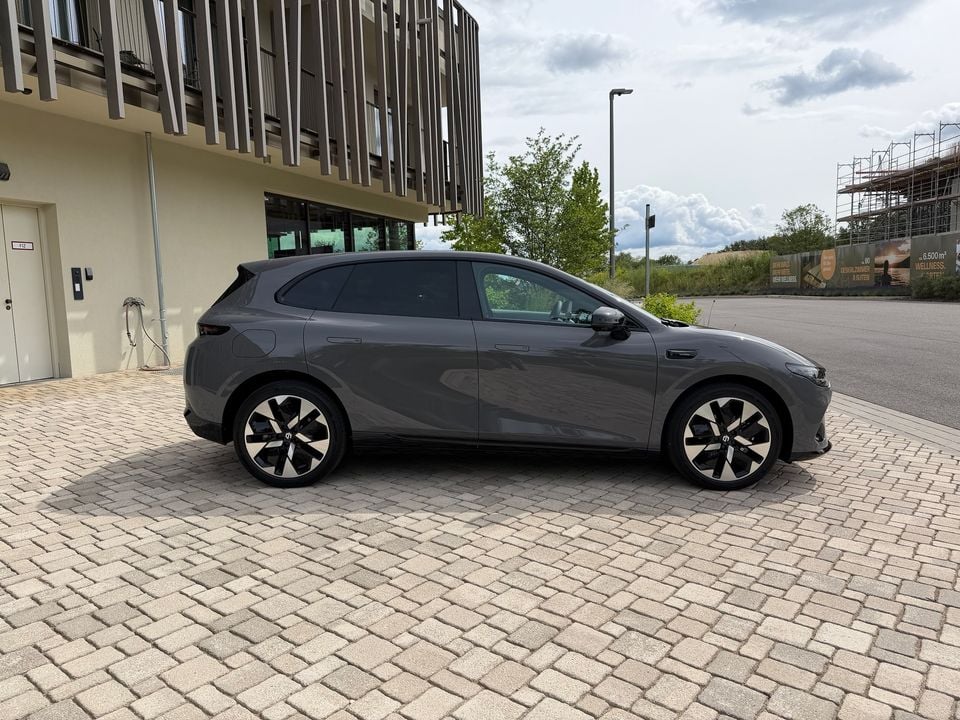
The exterior paint colour palette listed for the international model includes Lightning Yellow, Starry Night Blue, Windy Grey, Metallic Black, and Galaxy Silver.
Interior trims include black fabric in the Life, while the Design grade is listed with Shadow Grey ECO Leather or Misty Horizon Grey Eco-Leather.
To see how the Leapmotor B05 lines up against the competition, check out our comparison tool
Is the Leapmotor B05 safe?
The Leapmotor B05 does not yet have an ANCAP safety rating.
However, its international specification includes seven airbags including front, side, curtain and far-side airbags, along with 21 ADAS functions. Leapmotor says the B05 uses 14 sensors and cameras, and the body structure has a claimed torsional stiffness of 34,500Nm/degree.
Safety equipment listed in the supplied material includes rear parking sensors and a 360-degree camera with dynamic guidelines.
The company says Euro NCAP has already tested the vehicle and it is expected to award it a five-star safety rating as the B05 is based on the B10, which has already achieved that result.
To see how the Leapmotor B05 lines up against the competition, check out our comparison tool
How much does the Leapmotor B05 cost to run?
Local servicing costs have not been confirmed. For energy consumption, Leapmotor claims 15.9kWh/100km for the 67.1kWh B05 Design on the WLTP cycle.
During our drive, the car’s trip computer showed 17kWh/100km over 112.7km of driving over seven hours and 41 minutes in mixed driving during the media launch. The same screen showed 88 per cent of energy used for driving, four per cent for air-conditioning, and eight per cent for other functions.
That was not a controlled real-world efficiency test, because the car was being driven hard at times and the route was not representative of an Australian commute. But at least it showed a result that was close enough to the official claim to be encouraging.
At slower speeds, the car was showing closer to 12kWh/100km, but we would not read too much into that without a longer test.
The B05 supports DC fast-charging at up to 168kW and has an 11kW AC onboard charger. Leapmotor claims a 30 to 80 per cent DC charging time of 17 minutes.
Expected warranty periods are six years or 150,000km (whichever comes first) for the vehicle, and eight years or 160,000km (whichever comes first) for the high-voltage battery
To see how the Leapmotor B05 lines up against the competition, check out our comparison tool
CarExpert’s Take on the Leapmotor B05
The Leapmotor B05 is a very pleasant surprise. It is not perfect, and it is not a hot hatch, but it feels like a properly engineered electric hatchback rather than a cheap EV built around a big screen and a low price.
The ride quality is excellent, the cabin is quiet, the interior feels far more premium than expected, and the infotainment system is fast and modern. It also has useful EV functions, including Camp Mode, vehicle-off power supply, V2L, scheduled charging, and a built-in camera recording interface.
There are annoyances. The ADAS beeping is the biggest one, and it is bad enough that it genuinely detracts from the driving experience until you turn the systems down or off. It’s not dramatic to say it makes the car undriveable, because it does. So you simply must turn it off.
The speedometer placement is also silly. The screen has enough space to put the most important number directly in the driver’s line of sight, and there is no good reason for it to sit off to the side while the centre of the display shows an animated car graphic that serves zero purpose.
On first impressions, the B05 is very good. If Leapmotor Australia can get the price right, and if the local-spec model comes with this European chassis tune (as is expected), it could be one of the best affordable electric hatchbacks on the market.
For buyers looking at an MG 4, the B05 absolutely needs to be on your shopping list.
CarExpert can save you thousands on a new Leapmotor B05. Click here to get a great deal.
Click the images for the full gallery