
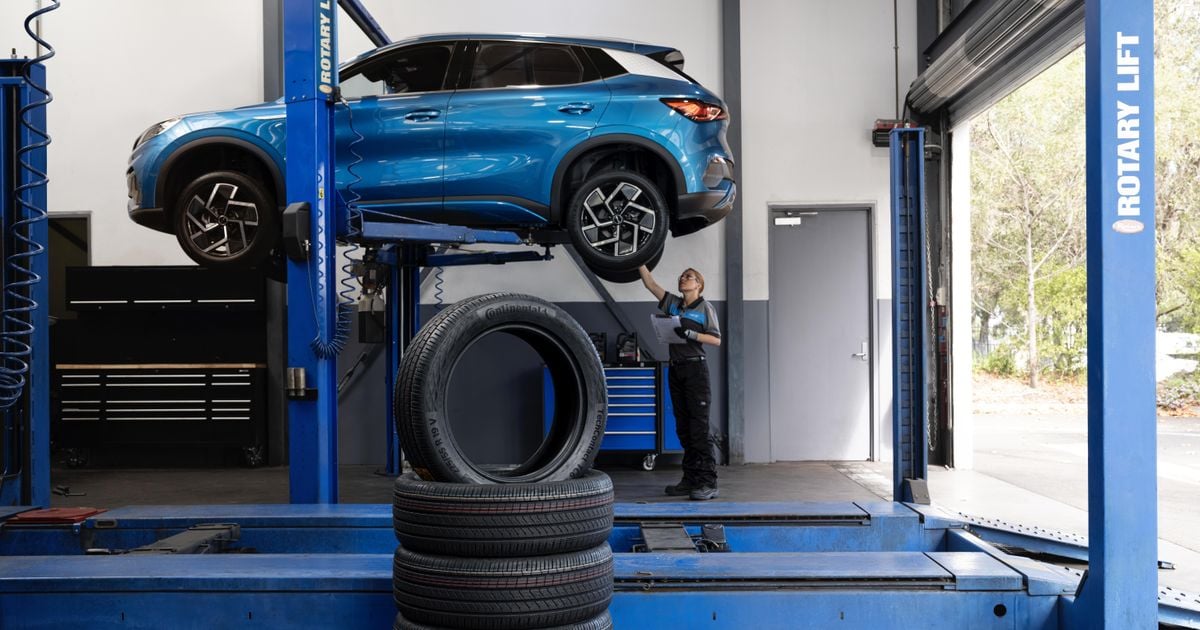
Keeping a car on the road has become one of Australia’s most significant cost-of-living pressures, and a growing number of drivers are deferring essential maintenance to cope, according to new research from insurer Youi.
Youi’s 2026 Generational Car Care and Costs Report found 56 per cent of Australians are spending more on car-related expenses than they were a year ago, placing driving almost level with groceries (57 per cent) as the household cost causing the most strain. One in two Australians now say driving is less affordable than it was 12 months ago.
As costs climb, more drivers are putting off maintenance. In 2024, 35 per cent of drivers reported delaying at least one maintenance task, not including car cleaning. By 2026 that figure had jumped to 47 per cent, one of the most significant behavioural shifts in the study.
The three most commonly deferred tasks are car cleaning, tyre replacement and oil changes, with cost cited as the main reason by 60 per cent of respondents, far outweighing time or motivation at 15 per cent.
Looking for your next car? We’ll help you research and compare so you choose with confidence.
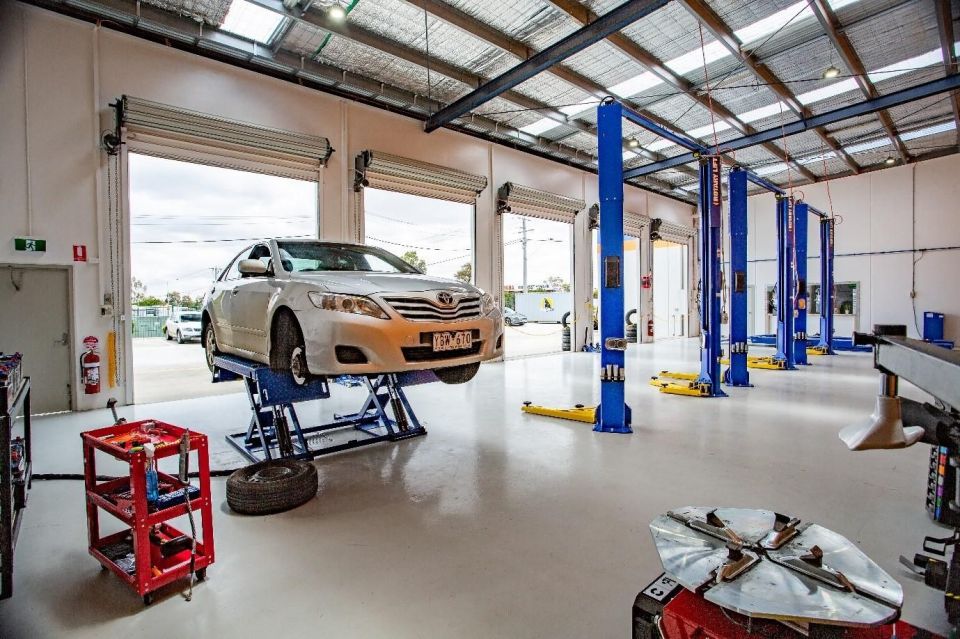
Servicing frequency is sliding too. While most Australians (84 per cent) still service their car at least once a year, just 32 per cent now do so every six months or more, down from 46 per cent in 2024. Over the same period, the share of those servicing less than once a year has risen from 7 per cent to 16 per cent.
Youi warns the trend carries a safety cost. Worn tyres, low oil and missed servicing can increase the risk of breakdowns or avoidable incidents, and deferring routine work can lead to larger, more expensive repairs down the track.
The squeeze is being felt hardest by younger drivers. The research found 79 per cent of Gen Z and 76 per cent of Millennials have delayed maintenance or a cleaning task, compared with 62 per cent of Gen X and 37 per cent of Boomers.
That mirrors monthly running costs, with Gen Z (24 per cent) and Millennials (26 per cent) around three times more likely than Boomers (7 per cent) to spend $600 or more a month. Boomers are the most likely to spend under $200.
Despite the rising costs, Australians’ reliance on their cars has barely eased. The report found 51 per cent of drivers would face major disruption within five days of losing access to a car, rising to 71 per cent within seven days. Only 11 per cent say it wouldn’t be a major issue.
Rather than giving up driving, Australians are rationing it. Youi found 88 per cent have made at least one behavioural change in response to rising costs, focused on reducing, optimising or rationing trips.
Boomers are the most likely to drive less frequently (51 per cent), plan trips carefully (49 per cent) and combine errands (43 per cent), while Gen Z are more inclined to use public transport (36 per cent), delay refuelling or recharging (31 per cent) and cut back elsewhere to afford driving costs (41 per cent).
The report also points to a shift in how Australians choose their next car, with value-driven factors now outranking brand. Fuel efficiency and running costs recorded the biggest movement of any attribute, with 79 per cent rating them more important than a year ago, followed by affordable purchase price (71 per cent) and reliability (63 per cent).
Youi is encouraging drivers to stay on top of servicing and safety-related upkeep even in tight financial conditions, noting it is one of the few areas where cutting back can prove more costly than it saves.
The findings are drawn from a survey of 2061 Australians aged 18 and over from all states and territories, conducted by Dynata Global between April 13 and 21, 2026.