
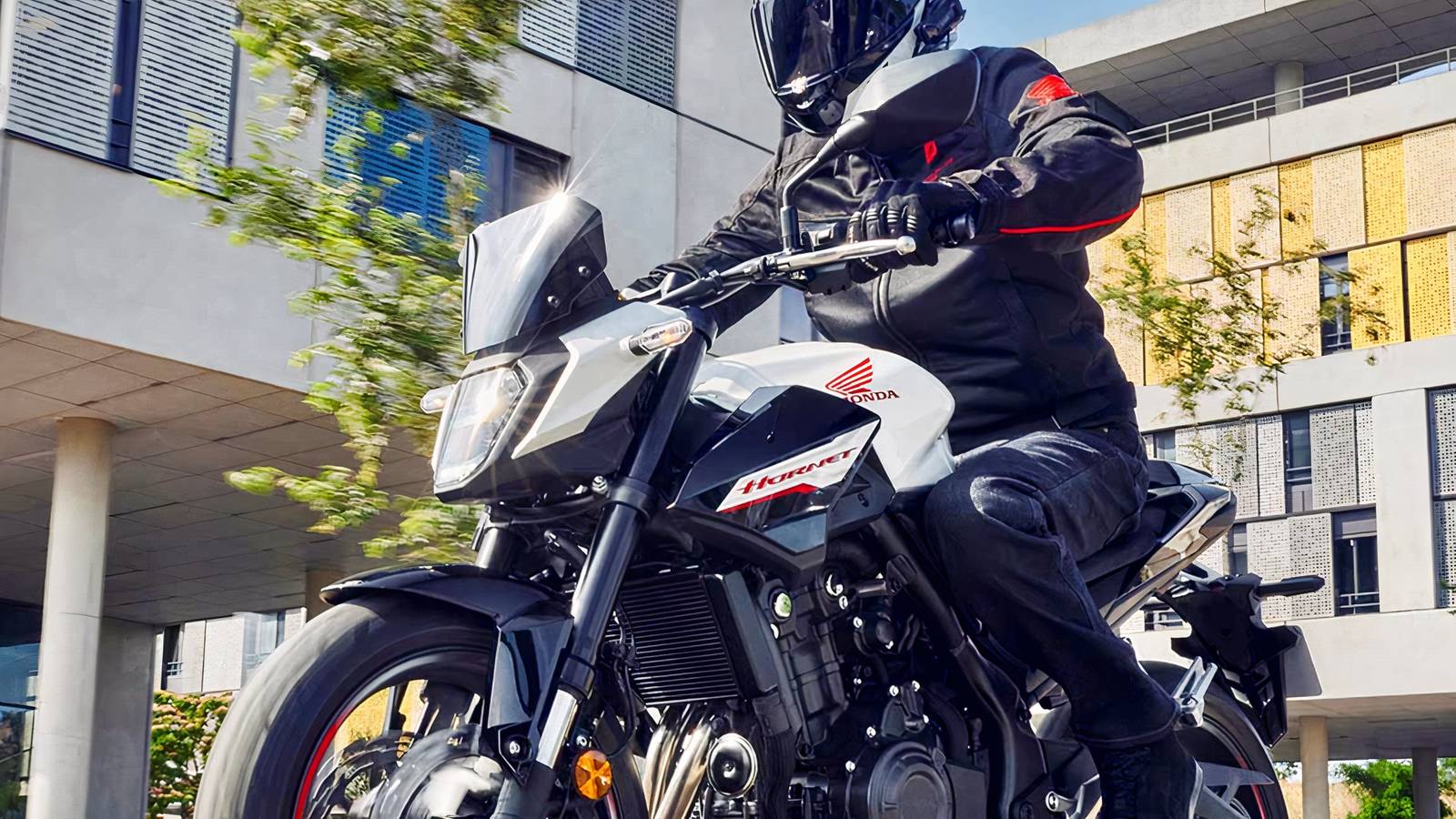
There’s a subtle shift happening in the motorcycle world right now. Riders are starting to move away from bikes that feel like rolling tech showcases and toward machines that actually make sense to live with. Bigger isn’t exactly better, and more features don’t always translate to more enjoyment. When everything starts to feel overbuilt, overpriced, and overcomplicated, the appeal of something simple, balanced, and honest becomes a lot stronger.
That shift isn’t just about cost. It’s about usability. Riders want bikes they can jump on every day without thinking about ride modes, menus, or ownership headaches. The modern street bike doesn’t need to be the fastest or the most advanced. It just needs to work. And when it does, it becomes the kind of bike you actually ride more, not just admire in the garage.
The Sweet Spot Between Performance, Simplicity, And Real-World Usability

There’s a reason mid-displacement street bikes have been gaining traction again. They sit right in that sweet spot where performance is more than enough for real-world riding, but not so excessive that it becomes difficult to manage or enjoy. You don’t need superbike-level power to have fun on public roads. In many cases, too much performance just makes a bike harder to use properly.
These bikes also strike a better balance when it comes to weight and ergonomics. They’re light enough to feel nimble in traffic, yet stable enough for highway riding. They don’t demand constant attention, and they don’t punish mistakes. Instead, they build confidence. That’s what makes them appealing, especially for riders who actually use their bikes every day.
Why Mid-Displacement Bikes Make More Sense For Everyday Riders

In daily riding scenarios, usability wins every time. A bike that’s easy to maneuver, predictable in traffic, and comfortable over long distances ends up being far more enjoyable than something that’s constantly begging to be pushed hard. Mid-displacement engines deliver power in a way that’s accessible, not intimidating, which makes them easier to ride well.
There’s also the practicality factor. These bikes are generally more fuel-efficient, cheaper to insure, and easier to maintain. Tires last longer, consumables cost less, and the overall ownership experience feels more manageable. For many riders, that translates to more time riding and less time worrying about costs.

10 Commuter Motorcycles You’ll Never Regret Owning
From versatile bikes to thrilling rides, these 10 motorcycles will change the way you think about commuting forever.
The Honda CB500 Hornet Can Do It All Without Breaking The Bank

Previously known as the CB500F, this latest version now carries the Hornet name, aligning it with Honda’s sharper, more aggressive naked bike lineup. But beneath the updated identity, the formula remains the same. It focuses on getting the fundamentals right, delivering a well-rounded experience that works in the real world instead of chasing spec sheet numbers.
A Parallel-Twin That Delivers Smooth, Usable Performance

At its heart is the tried and tested 471cc liquid-cooled parallel-twin engine that produces about 47 horsepower and 32 pound-feet of torque. It’s paired with a six-speed gearbox and a slipper-assist clutch that keeps shifts smooth and light. The power delivery is linear and predictable. Torque comes in early and builds in a smooth way, making the bike easy to ride in both city traffic and on the highway. You’re not constantly chasing revs or relying on aggressive riding just to feel like the bike is alive.
On paper, the numbers may not look impressive compared to larger bikes, but out on the road, it’s more than enough. The CB500 Hornet can cruise comfortably at highway speeds, overtake when needed, and still feel relaxed doing it. It delivers performance that fits real-world riding rather than exaggerated expectations.
|
Engine |
471cc, liquid-cooled, parallel-twin, DOHC, 8-valve |
|
Output |
47 horsepower @ 8,600 rpm, 32 pound-feet @ 6,500 rpm |
|
Transmission |
6-speed manual, slipper-assist clutch |
|
Final Drive |
Chain |
Lightweight, Upright, And Built For Daily Riding

Weighing around 416 pounds wet, the CB500 Hornet balances stability and agility well. It feels planted at speed but remains easy to manage in tight urban environments. The upright riding position and accessible seat height of about 31.1 inches make it comfortable for a wide range of riders. The chassis setup supports its everyday usability. Up front, it gets a Showa 41 mm SFF-BP forks, paired with a preload-adjustable rear monoshock. Braking comes from dual 296mm front discs with radial-mount Nissin four-piston calipers and a single rear disc, all backed by ABS. It’s a setup that inspires confidence without feeling overwhelming.
|
Frame |
Steel diamond frame |
|
Suspension |
Front Suspension: Showa 41mm SFF-BP USD fork | Rear Suspension: Preload-adjustable monoshock |
|
Wheels and Tires |
17-inch cast aluminum | 120/70 (front), 160/60 (rear) |
|
Brakes |
Front: Dual 296mm discs, radial-mount Nissin 4-piston calipers, ABS | Rear: Single disc, ABS |
|
Wet Weight |
416 pounds |
|
Seat Height |
31.1 inches |
Built To Handle The Real World, Not Just Spec Sheets
Beyond performance, what really sets the CB500 Hornet apart is how well it handles everyday ownership. This isn’t a bike that demands constant attention or specialized care. It’s designed to be used regularly, whether for commuting, weekend rides, or longer trips. Everything about it feels built with real-world use in mind.
Honda’s reputation for durability plays a big role here. The build quality feels solid, and the components are proven over time. You’re not dealing with overly complex systems or fragile parts that could become expensive issues later on. It’s straightforward in a way that makes ownership less stressful and more enjoyable.
Real Reliability, Low Running Costs, And Everyday Toughness

Ownership costs are where the CB500 Hornet really stands out. Fuel efficiency is strong, often landing in the 60 to 70 miles per gallon range, depending on how you ride. Maintenance intervals are reasonable, and parts are widely available. There’s also a level of toughness that adds to its appeal. It can handle less-than-perfect roads and everyday wear without feeling delicate. It’s not trying to be overly refined or fragile. Instead, it focuses on being dependable, and that’s something riders tend to appreciate more over time.

Why The CB300R Is Honda’s Fuel-Saving Star In The Commuter Bike World
It’s also one of the lightest naked bikes you can buy today
The Kind Of Bike You Keep Riding Long After The Honeymoon Phase Ends

Some bikes impress you right away and then slowly lose their appeal. The CB500 Hornet works differently. The more you ride it, the more it makes sense. It doesn’t overwhelm you with features or demand constant attention. It just delivers a consistent, enjoyable riding experience every time you throw a leg over it. That kind of long-term appeal is hard to measure on a spec sheet, but it becomes obvious over time. It’s the difference between a bike you occasionally take out and one you rely on regularly.
Why Simplicity And Balance Matter More Over Time

As the miles add up, balance becomes more important than peak performance. A bike that’s easy to ride, comfortable over distance, and affordable to own tends to stick around longer. You don’t feel the need to replace it because it continues to meet your needs in a meaningful way. The CB500 Hornet captures that idea perfectly. It’s not the flashiest bike in its class, and it doesn’t try to be. Instead, it delivers a well-rounded experience that works day in and day out.
At a starting price of $5,899, the Honda CB500 Hornet lands right where it needs to. It undercuts a lot of bigger, more powerful naked bikes while still delivering a level of performance and refinement that feels complete. You’re not paying for excess horsepower or unnecessary tech, just a well-rounded machine that does everything competently. For newer riders, it’s an accessible entry point into big-bike ownership, and for experienced riders, it’s a practical option that won’t feel like a compromise.
Source: Honda Powersports