
The luxury segment offers some of the most sought-after features available in the entire industry. When you pair that with a traditional sedan, the consumer is treated to vehicles that feel modern in spec, but distinctly retro in formula. As SUVs become the popular approach to expressing both luxury and ruggedness in 2026, sedans offer a classier driving experience. Despite the status that comes with such cars, there also comes a substantial price tag. To make matters worse, after pouring all your well-earned money into one of these cars, they then suffer from rapid depreciation.
While the average car’s depreciation in this segment hovers around 40 percent, like the Jaguar XF and Audi A8, other vehicles exceed 50 percent in just three years. Due to a combination of a high MSRP and an even higher cost to keep on the road long-term, prices tend to fall sharply and quickly, even if the cars are from brands with high opulence and performance.
Models are ordered based on three-year depreciation, from the lowest to the highest. All depreciation values sourced from CarEdge.
BMW 7 Series
Three-Year Depreciation: 51-Percent

What makes the BMW 7 Series a wonderful car from new is what makes it a second-hand nightmare. The 7 Series is Bimmer’s flagship sedan, showcasing all of BMW’s latest and greatest technology. While the 2026 7 Series allows for incredible immersion from a 31.3-inch 8K screen, the BMW bypasses the industry’s iPad-sized infotainment and moves into condensed home cinema territory. Theater mode enhances this vision too. This is a setting that shuts out natural light and immerses you in the world of cutting-edge automotive expression.
2026 7 Series Specifications
|
i7 M70 xDrive (electric) |
760i xDrive (hybrid) |
|
|
Powertrain |
Dual electric motors |
4.4-liter Twin Turbo V8 (mild hybrid) |
|
Transmission |
Electric drive unit |
8-speed ZF Sport Steptronic |
|
Horsepower |
650 |
536 |
|
Torque |
749 Ib-ft |
553 Ib-ft |
|
Economy |
268 miles |
21 mpg (combined) |
|
Price |
$168,500 |
$124,700 |

Whilst all of this gear takes the BMW into the realms of luxury far beyond a standard car of its class, there are downsides when focusing on the depreciation aspect. With an emphasis on the latest equipment, there often isn’t enough time to truly test its durability in the long term. This means that once a 7 Series finds itself on the road in the real world, the car is exposed to the reality of longevity pressures that haven’t been accounted for in testing. Once the warranty expires, second-hand buyers are wise to the car’s potential disadvantages. With issues often far more specific and complex than what any standard garage can tackle, owners are often exposed to the prices of specialized BMW technicians. Very much a trade-off for being able to experience such a bleeding-edge vehicle.
Audi e-tron GT
Three-Year Depreciation: 53-Percent

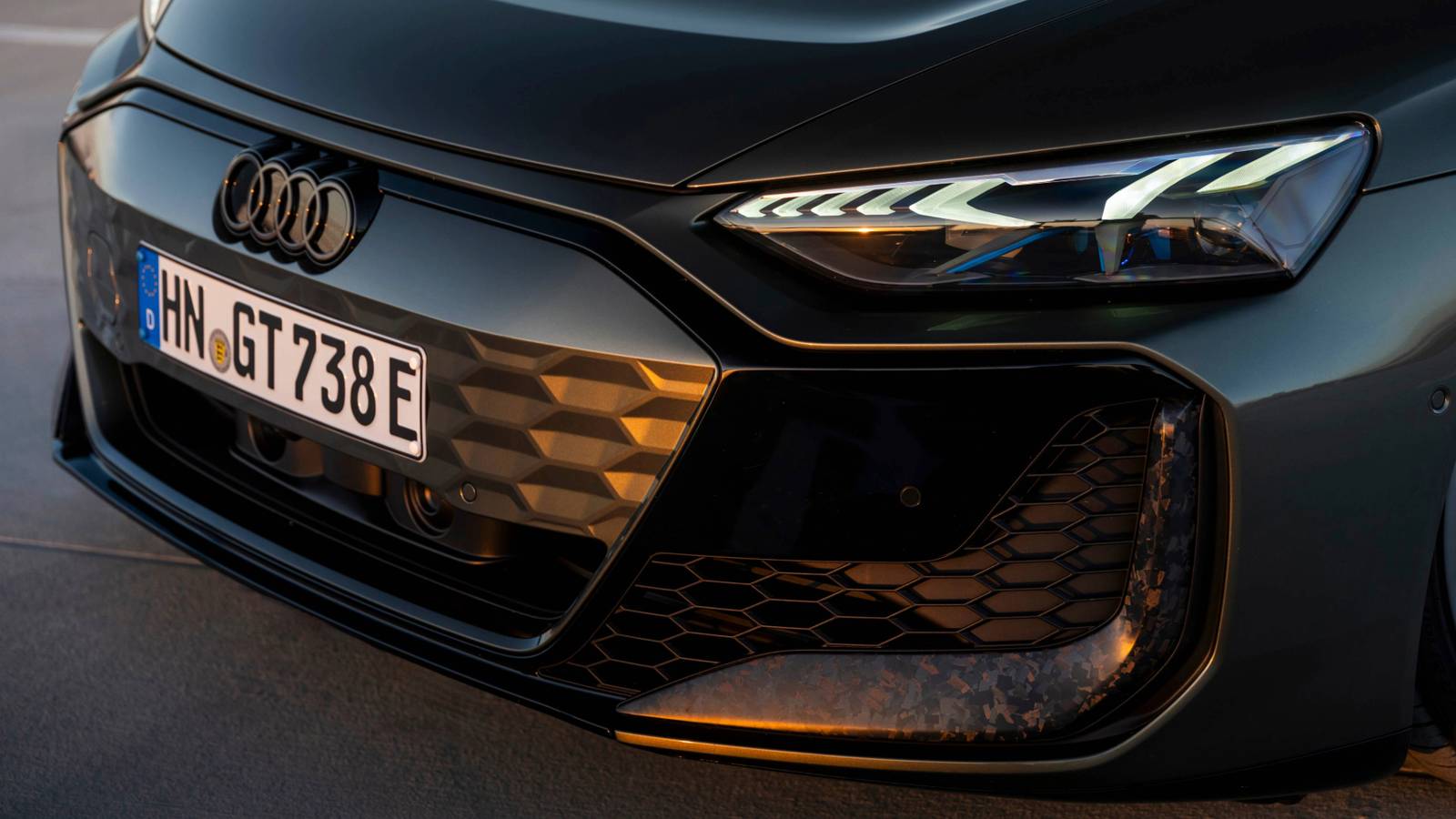
The Audi e-tron GT has a head-turning effect on people compared to a flagship luxury BMW, which may lead you to believe that its sporty mystique allows the car to hold its value better. Unfortunately, you’d be mistaken. While yes, a sleek Audi that looked like a true supercar loaded with creature comforts sounded like a reason to be excited, electric technology moved on so fast in the subsequent years after its 2021 launch. Original models had a truly forward-thinking outlook on what a 2020s Audi should look like, but within a few years, its 230-mile range was rendered obsolete compared to some versions of the 2026 e-tron‘s 300 miles. When you are spending lots of money on a bleeding-edge prestige vehicle, the older e-trons feel comparatively inadequate.
2026 Audi RS e-tron GT Specifications
|
Powertrain |
Dual-motors (one on each axle) |
|
Transmission |
2-speed transmission |
|
Horsepower |
912 |
|
Torque |
758 to 885 (boost mode dependent) |
|
0-60 mph |
2.1 to 2.4 seconds |
|
Economy |
280 miles |
|
Price |
$170,500 |

With reliability concerns about the complex powertrain, air suspension, and transmission, second-hand owners fear the repair costs that the e-Tron could yield. That doesn’t stop the 2026 e-tron from being a wildly impressive vehicle, though. With exciting features like the push-to-pass button, which adds a 95-horsepower boost for 10 seconds, the e-tron is simply an exhilarating vehicle with performance strong enough to pin you back in your seat as you have never experienced before. This higher performance ceiling for newer models, the increased range, and much faster charging have made earlier e-trons look like inconvenient dinosaurs in comparison.
Alfa Romeo Giulia
Three-Year Depreciation: 59-Percent

Alfa Romeo has always been the passionate choice. Full of bold flair, Italian lust, and sensational beauty, it’s no wonder that the heart often beats the head in buying an Alfa Romeo for some people. With a reputation for reliability almost as poor as its reputation for good looks, it’s no wonder that customers run from second-hand Alfa Romeos as if they are tornadoes. However, the brand has seemingly upped its game in recent years, with a reliability and quality score of 81/100 — this actually puts it above many of its German rivals. The issue is, Afla’s reputation for poor dependability is deep-rooted and culturally embedded. Such a strong notoriety could take decades to shake.
2024 Alfa Romeo Giulia Quadrifoglio Specifications
|
Powertrain |
2.9-liter Twin Turbo V6 |
|
Transmission |
8-speed ZF automatic |
|
Horsepower |
505 |
|
Torque |
443 Ib-ft |
|
0-60 mph |
3.8 seconds |
|
Economy |
20 MPG (combined) |
|
Price |
$85,000 |

With a 56 percent depreciation rate after three years, the Giulia certainly looks like a terrible financial decision at first glance. Look further, and there is the potential to own an incredibly soulful car with unparalleled charm for one of the cheaper MSRP’s on this list. With a thumping V6 developed by Maranello engineers offered on previous years, its carbon fiber driveshaft, and its emphasis on mechanical purity, there will still be a special place in petrol heads’ hearts for an Alfa Romeo. The Giulia wears its heart on its sleeve, and once you’ve been captured by its spell, terrible financial decisions become secondary.
Tesla Model S
Three-Year Depreciation: 66-Percent

Tesla‘s approach to propulsion, interiors, and its own business model will make for a fascinating case study in future years. Some of these aspects have made Tesla’s resale value laughable, considering the semi-affordable pricing for many trim levels of the 2026 Model S. The brand regularly offers random discounts, which has a domino effect on used pricing. Many customers would rather buy a brand-new one for a reduced cost than deal with Tesla’s obsolete tech. With software updates ruling the roost on what your Tesla can and can’t do, buyers are encouraged to buy the latest Model S to avoid confusion about what features your car has. Whilst this is an intelligent strategy for enticing consumers to new models, it also plummets second-hand value, potentially swaying buyers into a cheap, used Tesla Model S.
2026 Tesla Model S Plaid Specifications
|
Powertrain |
Tri-electric motor |
|
Transmission |
Single-speed fixed gear |
|
Horsepower |
1,020 |
|
Torque |
1,050 Ib-ft |
|
0-60 mph |
1.99 seconds |
|
Economy |
359 miles |
|
Price |
$90,000 to $110,000 |

While $100,000 sounds like a lot of money, and it certainly is, the Plaids’ insane performance makes this price seem like a steal. With hypercar-level acceleration in a sensible vehicle that can be used for a vacation or a comfortable daily commute, the Plaid is a staggering all-rounder for a fraction of the cost. However, that relatively lower cost makes it even more astonishing how poor the Model S‘s depreciation is.
Maserati Quattroporte
Three-Year Depreciation: 66-Percent

If depreciation were an Olympic sport, the Quattroporte would win gold. Even with Tesla’s unique business decisions, which feel somehow specially devised to reduce resale value, you can’t beat the king. Matching the Model S’s 66 percent depreciation after three years, the Maserati wins out over the Tesla, with its huge MSRP, and the enormous loss of money when it comes to selling it. With certain aspects like switches and software shared with more budget-oriented vehicles like the Jeep Grand Cherokee, and the loss of Maranello-engineered powertrains, buyers are wise to the absurd $165,000+ price tag of the Quattroporte. Therefore, they aren’t willing to spend a huge amount of money on a statistically overpriced vehicle with extremely questionable reliability and pricey maintenance.
2024 Maserati Quattroporte Specifications
|
Powertrain |
3.0-liter Twin-Turbo V6 |
|
Transmission |
8-speed ZF automatic |
|
Horsepower |
424 |
|
Torque |
428 Ib-ft |
|
0-60 mph |
4.6 seconds |
|
Economy |
18 mpg (combined) |
|
Price |
$165,000 to $215,000 |

Putting all of those major quibbles aside, the Maserati is similar in its heart-over-head philosophy for appealing to consumers. When it comes to its appeal to the core instincts of any driving enthusiast, the Maserati is intoxicating. Despite all of that, resale value is still poor. The Maserati Quattroporte is for two types of people. First, the people who want an exhilarating twin-turbo V6-propelled ride, oozing with Italian goodness. The second is those who are looking to successfully burn through $100,000 as quickly as possible by selling a Quattroporte three years after purchasing one at MRSP.
Sources: J.D. Power, CarEdge