
The Toyota RAV4 has become a sales juggernaut since the evergreen mid-size SUV went all-hybrid in its previous generation, outselling the Japanese giant’s own HiLux ute for the first time in seven years to become Australia’s most popular SUV in 2024.
But it’s always been more popular among district nurses and rental companies than driving enthusiasts, thanks largely to the electronically controlled continuously variable automatic transmission (e-CVT) that makes many of Toyota’s hybrid models unexciting to drive.
The Mazda CX-5, on the other hand, has long been popular – in fact it was Australia’s favourite SUV for seven consecutive years between 2013 and 2019 – due in large part to its solid value, sprightly petrol engines, and class-leading ride/handling package.
CarExpert can save you thousands on a new car. Click here to get a great deal.
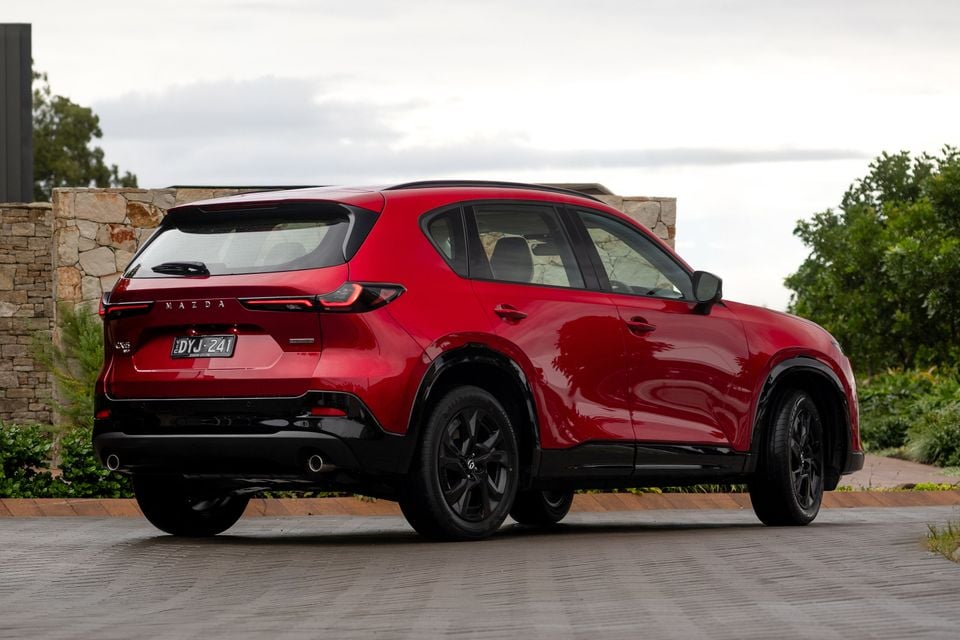
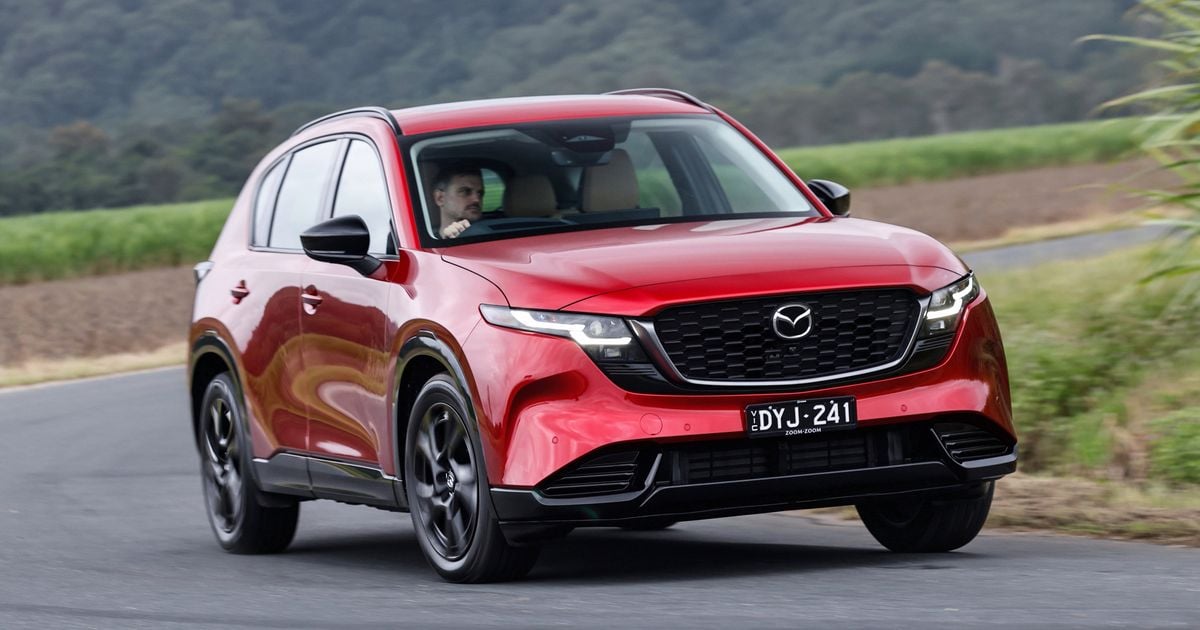
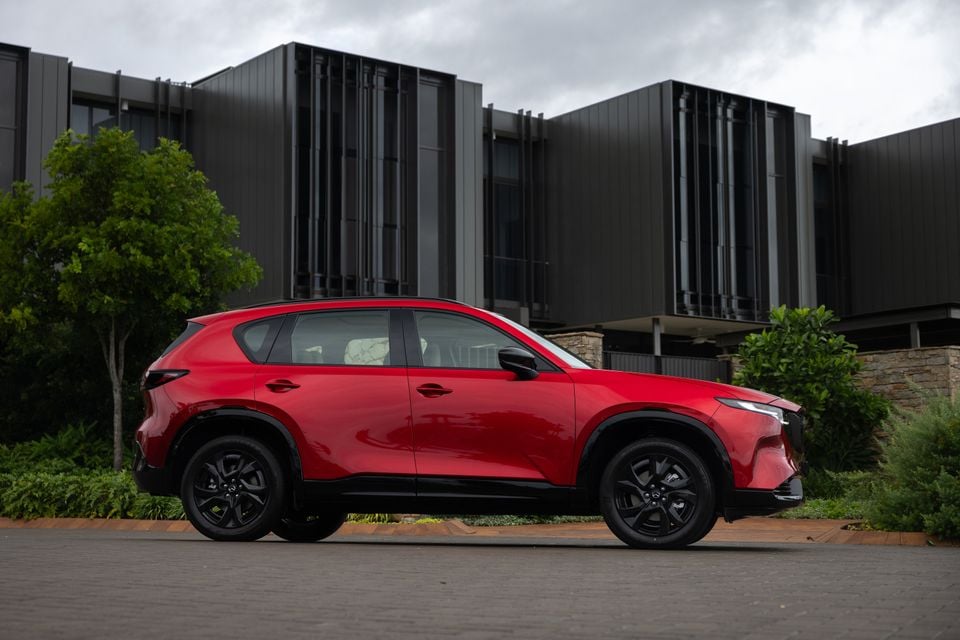
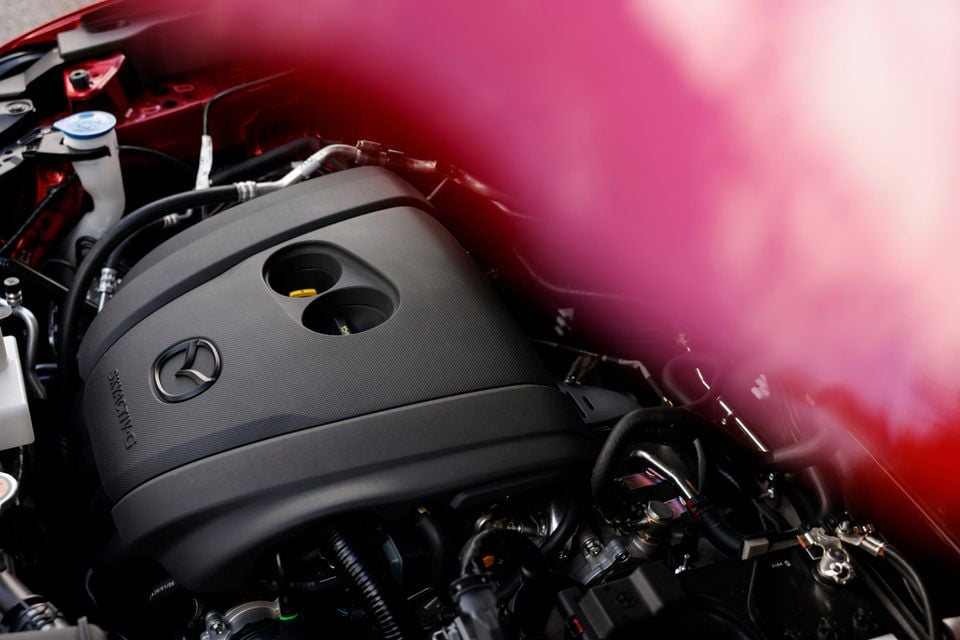
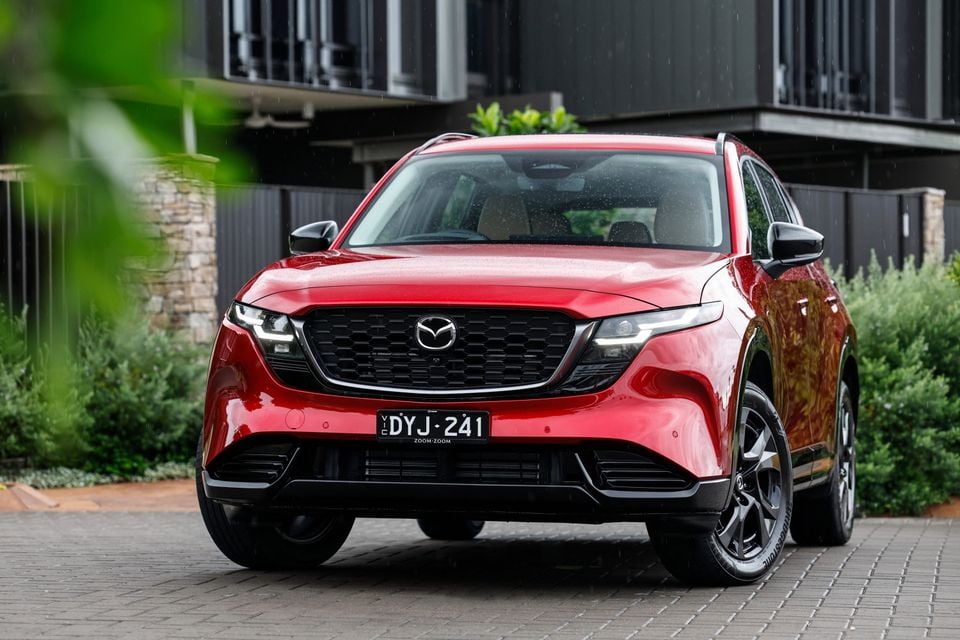
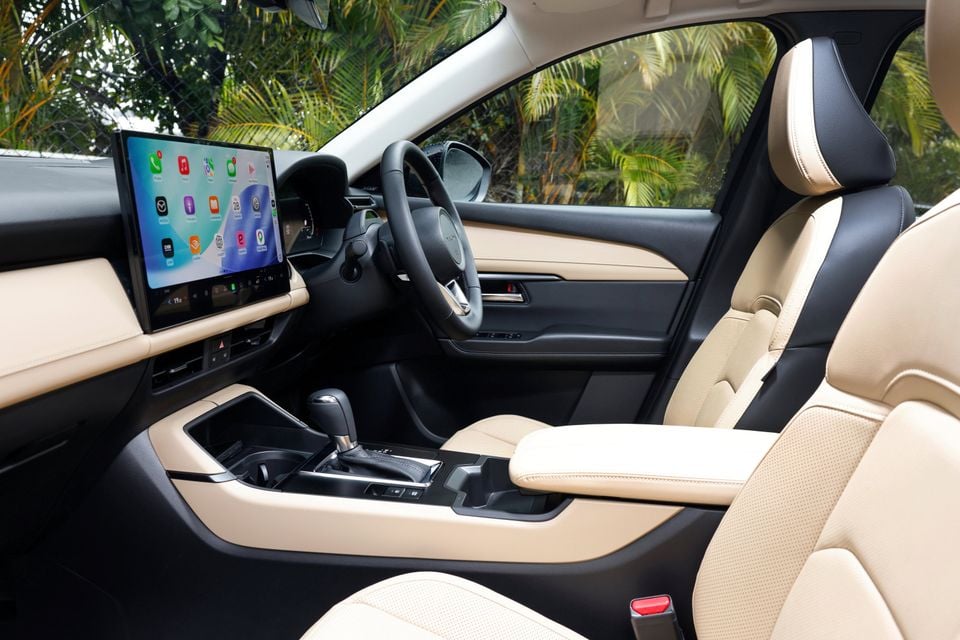
It’s a formula that continues with the third-generation CX-5, which launches this month with just five all-wheel drive variants – all powered by a mostly carryover 2.5-litre four-cylinder petrol engine without forced induction or electrification, including the 24V ‘e-Skyactiv G’ mild-hybrid system offered in Europe.
For reference, the 2026 Mazda CX-5 is being launched in Australia with a single naturally aspirated petrol engine making 132kW of power and 242Nm of torque, teamed with a six-speed automatic transmission and AWD as standard.
That means it’s down 8kW and 10Nm on the outgoing model’s G25 engine, and Mazda has confirmed that’s due to Australia mandating CO2 emissions limits aligned with the Euro 6d standard, which came into effect late last year for new models.
But Mazda has committed to releasing its first CX-5 Hybrid sometime in 2027, and it will debut the company’s new ‘Mazda Hybrid’ system, developed in-house and based around a new Skyactiv-Z petrol engine and hybrid technology that won’t be borrowed from Toyota like the existing CX-50 does overseas.
Senior Mazda Motor Corporation officials previously told CarExpert that when it came to hybrid power for the next generation of its top-selling model, the automaker opted to develop its own petrol-electric drivetrain – and take more time to bring it to market – rather than lean on its existing technical relationship with Toyota.
“We are making a unique Mazda Hybrid system because we really care about Mazda’s ‘jinba ittai’ philosophy,” the general manager for global sales and marketing at Mazda Motor Corporation, Manabu Osuga, told us in March.
‘Jinba ittai’ is a Japanese phrase that translates to “horse and rider as one body”, which has become a Mazda mantra.
“The two reasons [are] – one, we want to clearly understand what the hybrid is in-house, by doing in-house engineering. And the second is that hybrid [powertrains] have several [layouts], but the system we chose is the direct system which directly connects to the transmission to move the transaxle,” explained Osuga-san.
“So that will give us the direct and linear feeling of acceleration. That is the reason why we [have chosen] to go with the Mazda unique system.”
Speaking at the recent local launch of the new CX-5, program manager Koichiro Yamaguchi confirmed to CarExpert that – unlike most Toyota hybrids – the first CX-5 Hybrid wouldn’t incorporate a CVT auto, providing a key point of difference to its biggest competitor.
“I can’t give you any details on that [powertrain] yet, but I can tell you that it is not going to be a CVT transmission,” he said through a translator.
“As we said, our mission is to make sure that we provide fun to drive for customers – that’s our mission, so it’s not same as others.
“I’m sure that’s something that will satisfy your expectation.”
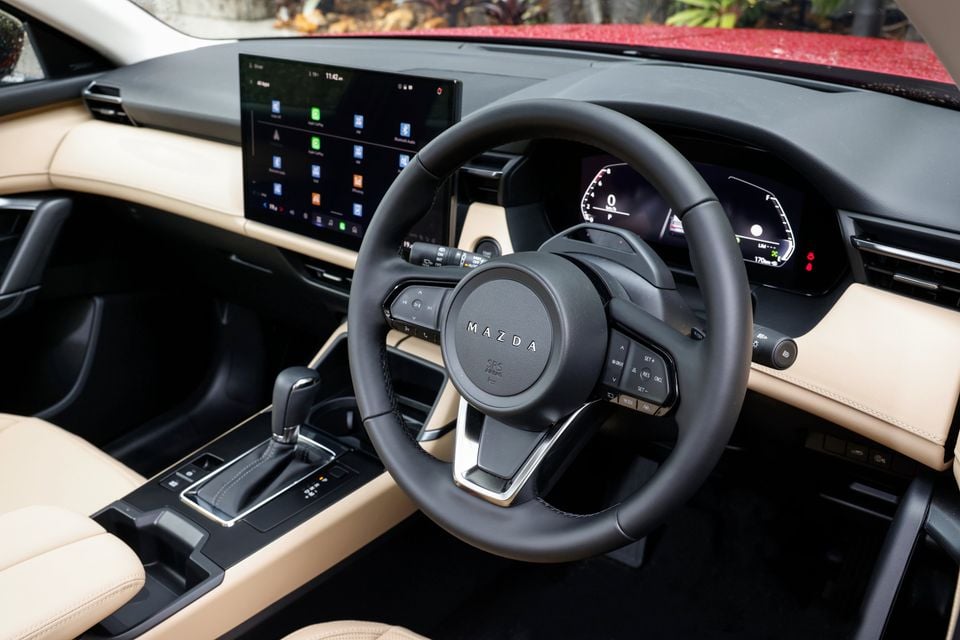
That’s perhaps no surprise given Mazda long ago made a conscious choice to avoid CVTs in favour of traditional torque-converter autos. The one major exception is the US market’s CX-50, which employs an e-CVT as part of its Toyota-sourced hybrid powertrain.
Yamaguchi-san wouldn’t reveal what kind of transmission the CX-5 Hybrid will employ, but there’s a good chance it will be based on the automaker’s widely applied ‘Skyactiv-Drive’ six-speed auto, as seen in the new CX-5.
Further details remain under wraps, but we know the Australian CX-5’s first electrified drivetrain will launch in the Americas next year, when it will also debut Mazda’s new Skyactiv-Z petrol engine.
This new engine, which will share components with the brand’s existing 2.5-litre G25 mill, will offer greater performance and fuel economy than before, while also meeting strict Euro 7 emissions regulations in Europe, and both LEV4 and Tier 4 regulations in North America.
Mazda claims the Skyactiv Z engine, which is designed to maximise the thermal efficiency of an internal combustion engine and integrate into a high-voltage hybrid system, achieves lower emissions without any drop in output, as opposed to conventional engines which it says would result in a 30 per cent output reduction.
While mainstream hybrids generally focus on lowering fuel consumption and CO2 emissions, the VP of strategic planning for Mazda North American Operations told CarBuzz last year that “the [Mazda] hybrid system will have performance that is comparable to or exceeding the [now-discontinued G35 2.5T] turbo powertrain”.
We understand Mazda’s new hybrid powertrain will be available across the latest CX-5 lineup, for a relatively minor price premium – potentially undercutting the RAV4.
The new CX-5 is priced from $39,990 before on-road costs in base Pure guise, powered by the naturally aspirated G25 petrol engine and with all-wheel drive as standard.
The new RAV4, meanwhile, is priced from $45,990 with a hybrid powertrain as standard, though the cheapest AWD version costs $49,340 plus ORCs.
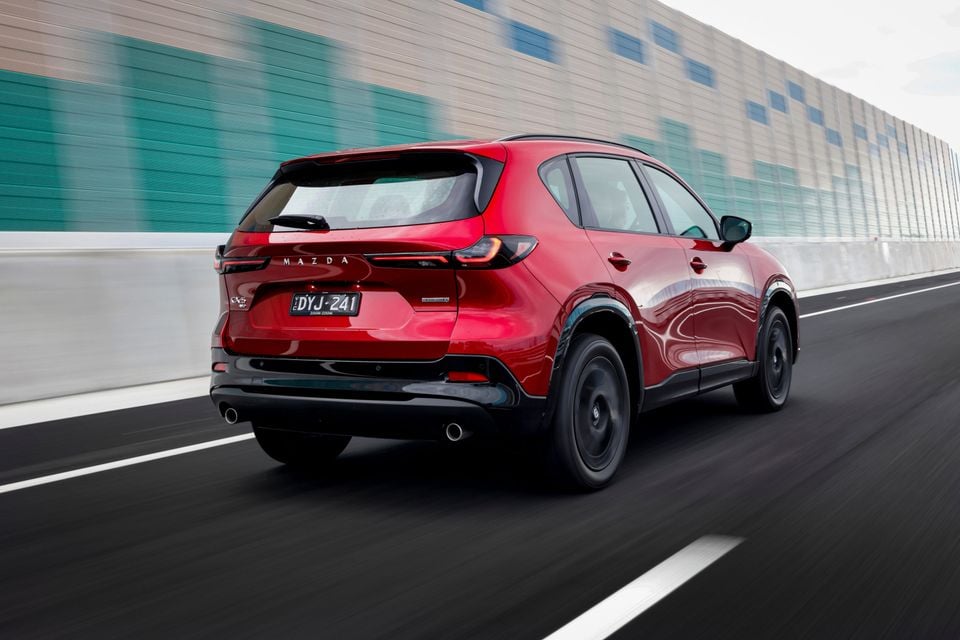
Other mainstream AWD hybrid mid-size SUV rivals include the Subaru Forester (from $46,490), Kia Sportage (from $47,450), Nissan X-Trail (from $48,915), and Hyundai Tucson (from $50,850), all excluding on-roads.
So if Mazda can keep its hybrid price premium under $6000, the CX-5 Hybrid could not only be one of the most dynamic hybrid family SUVs from a legacy auto brand, but also one of the most affordable.
However, while Mazda Australia has confirmed the CX-5 Hybrid for local showrooms, exact release timing is yet to be communicated. All we know at this stage is it’s coming after it launches in the US sometime next year.