
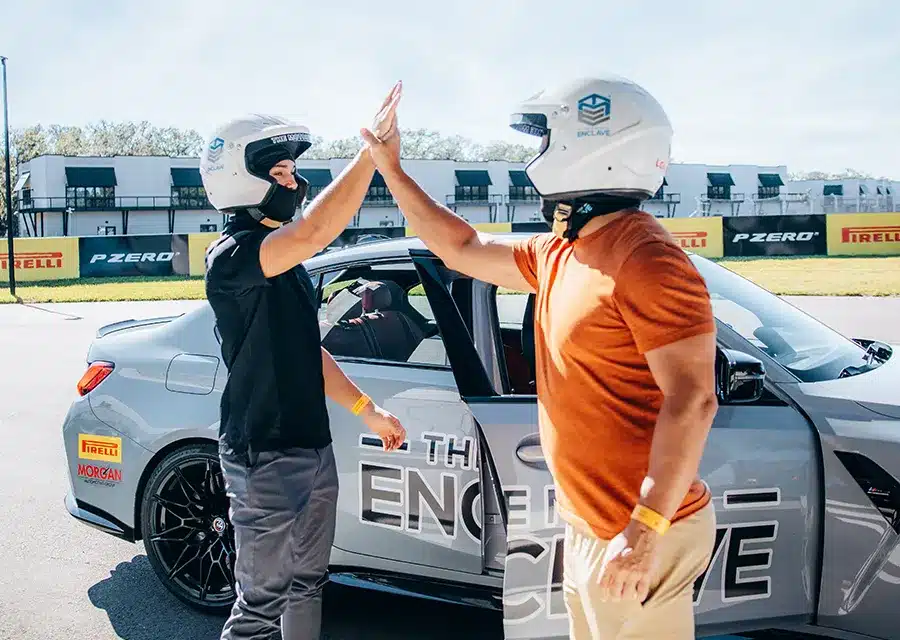

Track day guide. The buzz hits you hard. Heart pounds as you slide into the driver’s seat, knowing this isn’t your daily commute. Street driving means stoplights and traffic jams, but a track day flips that script. You get a closed course to push your car and skills without worry of cops or crashes. If nerves mix with that rush, you’re not alone. Many first-timers feel the same pull between fear and fun.
This guide breaks it all down for your first track day. You’ll learn what to prep, how sessions run, and tips to stay safe. Think of it as your roadmap to turn anxiety into adrenaline. Safety comes first, always. Tracks enforce rules to keep everyone alive and having a blast. Prep right, and you’ll leave with stories and a grin.
Section 1: Preparation is Paramount: Before You Arrive at the Track
Getting ready starts weeks ahead. Skip this, and your day could end early with a breakdown or worse. Focus on your car, gear, and mindset to build confidence. Track day guide
Vehicle Readiness Checklist on Track day guide
Check your ride like it’s heading into battle. Start with fluids: oil, coolant, and transmission all need fresh levels. Top them off to avoid heat issues on the track.
Tires matter most. Pump them to the cold pressure your manual says—often higher than street use. Worn treads? Replace them now; grip saves lives in turns.
Brakes get the spotlight. Inspect pads for wear; thin ones fade fast under hard stops. Rotors should look even, no cracks.
- Oil: Change if it’s been over 3,000 miles.
- Coolant: Flush if old; overheating kills engines quick.
- Belts and hoses: Look for cracks that could snap.
One key move: swap brake fluid. Go for DOT 4 or better, matching your car’s specs. Old fluid boils under track stress, leaving you with mushy pedals. Flush it yourself or hit a shop. This simple step prevents scary moments.
Safety Gear Essentials Track day guide
Gear isn’t optional; it’s your shield. Tracks demand basics to protect you in a spin or tap.
Helmet tops the list. Get one with a Snell SA2020 rating or newer—old ones won’t cut it. It must fit snug, no wobble.
Fire-resistant suit? Some events require it for novices. Gloves and shoes too—closed-toe, no sandals.
Neck brace adds extra guard against whiplash. Long pants and sleeves complete the kit.
High Performance Driving Education groups like SCCA set these standards. They check helmets at the gate. Skip compliant gear, and you sit out. Real talk: a good helmet once saved a friend from a minor flip. Invest here; cheap thrills aren’t worth the risk.
Understanding Track Day Terminology
Words fly fast on track days. Know them to avoid confusion.
HPDE means High Performance Driving Education—your beginner class on wheels.
Pace car leads the pack for warm-ups. Hot lap? That’s a full-speed solo run after instruction.
Apex is the inside clip of a turn. Turn-in marks where you steer in.
Flags signal trouble or go. More on those later. Track day guide
Research the track’s layout online. Sites like YouTube show laps at places like Laguna Seca. Visualize corners before you arrive. This tip cuts the shock when you’re on site.
Section 2: Registration, Tech Inspection, and Instructor Assignment
Sign up early to lock your spot. Events fill quick, especially for newbies. Budget $200 to $400, depending on the track and group.
Navigating the Sign-Up Process
Go online for pre-registration. It saves hassle at the gate and often cuts fees.
Costs cover track time, instruction, and sometimes lunch. Factor in gas and wear on your car.
Insurance? Your street policy skips track crashes. Buy event coverage or join a club like NASA for extras.
Pro coaches say set aside 20% of your budget for gear upgrades. One told me: “First event teaches what you lack.” Plan for that learning hit.
The Mandatory Technical Inspection
Tech inspection happens on arrival. Crew checks your car for safety.
They eye brakes for pad thickness and fluid condition. No leaks allowed—oil or coolant spells trouble.
Loose items? Stow or remove them; flying stuff distracts. Battery needs ties to stay put in bumps.
This step keeps the group safe. One overlooked hose could spray fluid and cause a pile-up.
Prep smart: Clean your car, tape lights if needed, and fix drips. Arrive early; lines build. Pass tech, and you’re cleared to roll.
Instructor Pairing and Group Placement
Tracks split drivers by skill: Novice for first-timers, Intermediate next, Advanced for pros.
As a newbie, you get paired with an instructor. They ride shotgun, guiding your lines and brakes.
Groups run in sessions, rotating on and off track. Novices go first, slowest pace.
Stay open to tips. Your coach spots habits you miss. Ask questions; they love eager students. This setup turns raw drive into smooth control.
Section 3: Orientation and Classroom Session: Learning the Rules of the Road (and Track)
Classroom kicks off the day. Sit tight; this info sticks with you out there.
The Ground School Briefing
Briefing covers basics you can’t ignore. Track etiquette means no cutting lines or showboating.
Passing zones? Stick to marked spots, signal clear. One wrong move endangers all.
Driver accountability rules: Own your mistakes, report close calls. No blame game.
Sessions last 20-30 minutes, with breaks. Absorb it; questions get answered here.
Mastering the Flag System
Flags are your track traffic lights. Learn them cold.
Green means full go, clear path.
Yellow flags a hazard—slow down, no passing, hold your spot. Don’t speed to peek; that’s a recipe for wreck.
Red stops everyone; pull off safely.
Black flag means you—check station for issues like smoke.
Checked or waved signals session end; cool down easy.
Yellow isn’t “find a gap.” It’s “ease off now.” Ignore it, and you risk black flag or worse. Practice spotting colors in your mind.
Introduction to Track Walk Sessions
Walk the track before wheels hit pavement. It’s your chance to map the path on foot.
Spot curbing—those edges guide your line. Find apexes where turns tighten.
Runoff areas show safe outs if you miss. Measure braking zones with steps.
Experienced drivers pace it out, noting where brakes bite. Newbies gain huge from this view. It builds that gut feel for the layout. Do the full loop; half-assed walks leave blind spots.
Section 4: Hitting the Asphalt: Your First On-Track Laps
Finally, the moment. Line up with your group, engine humming.
Out Lap and Warming Up Your Equipment
Enter via point-by system. Wait for the car ahead to hit a marker, then follow.
Pace car or lead instructor sets a slow roll. No heroics; this builds heat in tires and brakes.
Do 2-3 easy laps. Scrub speeds gentle, feel the grip wake up.
Warm rubber sticks better. Rush it, and you’ll slide early. Patience pays off here.
Driving Mechanics: Looking Ahead and Smoothness
Eyes up—scan 10 cars ahead. Avoid target fixation; staring at walls pulls you in.
Smooth inputs rule: Ease the wheel, roll on throttle, brake late but firm.
Stick to the line: Outside wide, clip apex, out wide again. Consistent speed trumps fast bursts.
Don’t chase speed yet. Vision leads; it smooths your flow. One lap focused on eyes beats ten wild ones.
In-Car Coaching and Debriefing
Instructor jumps in for rides. They call out “Brake now” or “Look left.”
After, debrief in the pits. Note what felt good, fix the wobbles.
Criticism stings, but it’s gold. “You turned too early” beats guessing wrong.
Repeat this loop per session. Skills stack quick with feedback.
Section 5: Post-Session Cool Down and Data Review
Wrap each run right. Hot gear needs care. Track day guide
Cooldown Procedures and Car Care
End with cool-down laps. Slow rolls bleed off heat from brakes and motor.
No sudden stops; let rotors spin free. This stops warping.
Park in shade, pop the hood. Fans help air out the engine.
Checking Vehicle Health Post-Drive
Inspect after. Look for low fluids—top up quick.
Tires show wear? Uneven patterns mean line tweaks next time.
Brakes hot? Feel for fade; smoke means flush soon.
Catch issues early. A post-check saved my pads once from total burnout.
Mental Debrief and Logging Experience
Jot notes right away. What scared you? Where’d you shine?
Log lap feels, instructor tips. Apps or a notebook work.
Fresh memory sharpens growth. Review before bed; it cements the day.
Conclusion: Integrating Your Track Experience into Future Driving
Your first track day boils down to three big wins: Prep your car and self, listen to your instructor, and chase smooth over speed. These steps turn a wild ride into solid skill.
Now, sign up for round two. The high fades, but momentum doesn’t. Hit that next event while it’s hot. You’ll drive streets smarter, too. Ready to lap again?