
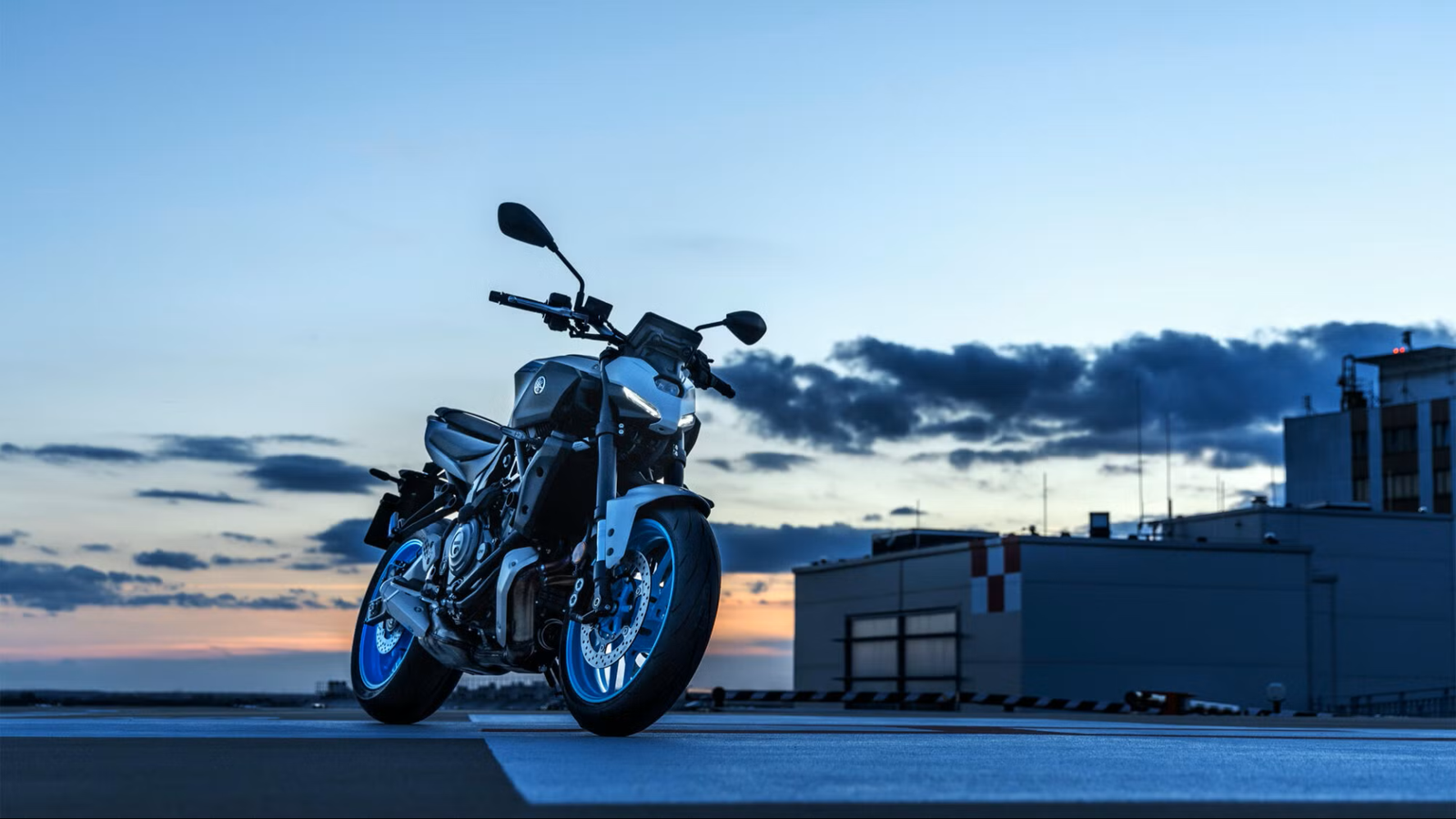
That shift isn’t necessarily a bad thing. Modern motorcycles are easier to live with, easier to ride fast, and far more forgiving when things go wrong. But the tradeoff is that they can sometimes feel a bit distant, like the machine is doing part of the work for you. The connection that once made even slow rides exciting isn’t always front and center anymore. And that’s where a different kind of motorcycle starts to stand out.
Performance Has Overtaken Personality

There’s no question that performance has become the headline act. Manufacturers are locked in a constant race to outdo each other with bigger numbers, quicker acceleration, and more aggressive setups. Middleweight bikes now produce horsepower figures that would’ve been considered outrageous not too long ago. On paper, it’s impressive. On the road, it can feel like overkill.
But more power doesn’t always translate to more fun. In fact, it can sometimes do the opposite. When a bike is constantly begging to be ridden at ten-tenths just to feel alive, it becomes harder to enjoy everyday situations. You end up chasing moments instead of living in them. And for a lot of riders, that’s not what they signed up for.
Electronics Are Doing More Of The Riding

At the same time, electronics have stepped in to manage all that performance. Ride-by-wire throttles, traction control systems, and multiple riding modes have become standard even in the middleweight category. These systems are incredibly effective, smoothing out power delivery and adding a layer of safety that’s hard to argue against. But they also shape how the bike feels.
When everything is filtered through layers of software, the experience can lose a bit of its edge. Inputs feel softer, responses feel calculated, and the sense of mechanical connection gets muted. It’s not that the bike is worse. It’s just different. And depending on what you’re looking for, that difference can either be reassuring or a little disappointing.

The Yamaha Built For Riders Who Want It All
This is a bike blending sport, comfort, and chaos into one ride that can commute, tour, and carve corners without breaking a sweat.
The Most Enjoyable Bikes Aren’t Always the Fastest

If there’s one thing riding teaches you over time, it’s that speed isn’t everything. The bikes that leave a lasting impression aren’t always the fastest or the most advanced. They’re the ones that make you want to keep riding, the ones that turn a quick errand into an excuse to take the long way home. They’re engaging at normal speeds, not just when you’re pushing the limits.
That kind of enjoyment comes from a mix of factors that don’t always show up on a spec sheet. Balance, responsiveness, and a sense of playfulness matter more than outright performance. It’s about how the bike feels underneath you, how it reacts to your inputs, and how willing it is to let you explore without punishing mistakes.
Lightweight and Simple Still Wins

Weight plays a huge role in that equation. A lighter motorcycle is easier to control, easier to maneuver, and generally more forgiving. It responds quicker to inputs and feels more connected to the rider. That immediacy creates a sense of confidence that encourages you to push just a little further, not because you have to, but because you want to.
Simplicity also helps. When a bike isn’t overloaded with features or overly complicated systems, it becomes more transparent. You can feel what it’s doing without having to think about it. That clarity makes the experience more intuitive, and ultimately, more enjoyable. It’s a reminder that sometimes, less really is more.
Real-World Riding Matters More Than Spec Sheets

Even if you have a sports bike, most riding doesn’t happen on a racetrack. It happens in traffic, on back roads, and in the kind of conditions where outright speed isn’t the priority. What matters in those situations is how usable the bike is. How easy it is to ride smoothly, how predictable it feels, and how willing it is to adapt to whatever the road throws at you.
A bike that shines in the real world doesn’t need extreme numbers to be impressive. It just needs to feel right. It needs to deliver performance in a way that’s accessible, not intimidating. And more importantly, it needs to make you want to ride more often. That’s the kind of quality that doesn’t show up in brochures, but you know it when you feel it.
The Yamaha Built For Riders Who Want It All
This is a bike blending sport, comfort, and chaos into one ride that can commute, tour, and carve corners without breaking a sweat.
The Yamaha MT-07 Reminds Riders Why Riding Is Fun

This is where the Yamaha MT-07 comes into focus. It’s a bike that doesn’t try to outgun everything else in its class, but instead leans into what actually makes riding enjoyable. At the heart of it is Yamaha’s 689cc parallel-twin engine, built around the brand’s crossplane philosophy. It produces 74 horsepower at 8,750rpm and 49 lb-ft of torque at 6,500rpm, and the way it delivers that torque is what defines the experience.
A Torquey Engine That Feels Alive

The engine feels eager right from low revs, with a strong midrange that makes it incredibly satisfying to ride in everyday conditions. You don’t need to hit redline to get the most out of it. Just a twist of the throttle delivers a surge of usable power that feels immediate and engaging. It’s the kind of response that makes even short bursts of acceleration feel exciting.
The 270-degree crank gives it a character that’s closer to a V-twin, with a distinctive pulse that you can feel through the bike. It’s not just about speed, it’s about sensation. The six-speed gearbox is smooth and well-matched to the engine, and while a quickshifter is available as an accessory, the stock setup already feels natural and intuitive.
|
Engine |
689cc liquid-cooled parallel-twin, DOHC |
|
Output |
74 horsepower / 49 pound-feet |
|
Transmission |
6-speed, assist, and slipper clutch |
A Chassis That Encourages Playfulness

The chassis complements that engine perfectly. Built around a compact steel frame, the MT-07 keeps things light and agile, with a wet weight of about 406 pounds. The upright riding position, wide handlebars, and narrow waist make it easy to move around on the bike, whether you’re carving through corners or navigating tight city streets.
The suspension setup, with a 41mm telescopic fork up front and a rear monoshock with preload and rebound adjustability, has been improved in recent updates. It’s still on the softer side, but that works in its favor for real-world riding. It absorbs bumps well and keeps the ride comfortable, while still offering enough control to have fun when the road opens up. Braking comes from dual 298 mm discs up front with four-piston calipers, paired with a 245 mm rear disc, delivering solid stopping power with ABS.
|
Frame |
Steel diamond frame |
|
Suspension |
Front: 41mm inverted telescopic fork | Rear: Monoshock (adjustable) |
|
Brakes |
Front: Dual discs, ABS | Rear: Single disc, ABS |

10 Affordable Used Naked Bikes That Can Breach 150 MPH
With motorcycles getting excessively expensive, speed on a budget is mostly reserved for the used market. And these 10 nakeds prove that well
It’s Not Perfect, And That’s the Point
Of course, the MT-07 isn’t flawless. The suspension, while improved, isn’t as sharp as what you’d find on more premium models. Push it hard enough, and you’ll start to feel its limits. The brakes are good, but not exceptional. And depending on the rider, the lack of more advanced electronics might feel like a step behind.
But those imperfections are part of what makes it what it is. The MT-07 doesn’t try to be everything to everyone. It doesn’t chase perfection on paper. Instead, it focuses on delivering a riding experience that feels genuine. It’s honest about what it offers, and that honesty is refreshing in a segment that often feels overengineered.
Accessible Pricing Keeps The Fun Within Reach

Then there’s the price, which plays a huge role in the MT-07’s appeal. In the US, it starts at $8,599, putting it right in that sweet spot between entry-level affordability and middleweight performance. It’s not the cheapest option out there, but when you factor in what it delivers, it feels like strong value. That accessibility means more riders get to experience what it offers. It’s not a bike reserved for a select few. It’s something you can realistically own, ride daily, and enjoy without constantly worrying about costs or complexity.
And in a landscape where motorcycles are becoming more expensive and more complicated, that matters more than ever. In the end, the MT-07 reminds you that riding doesn’t have to be complicated to be fun. It doesn’t need to be the fastest, the most advanced, or the most expensive. It just needs to make you want to get on and ride. And sometimes, that’s all it takes.
Source: Yamaha Motorsports