
There’s a disturbance in the air, a crackle of electricity whenever someone brings up JDM cars from the ’80s and ’90s. These aren’t just cars anymore. This automotive sub-genre has bloomed into something so huge that the mainstream car nerds have no choice but to make space for it in the larger conversation. Japan didn’t just compete with the West during this era; it reinvented the idea of performance entirely. What emerged from Toyota, Nissan, and Honda in those two decades still shapes modern car enthusiasm because these cars were unique, interesting, fun, and, in some cases, very fast.
But here’s the part people miss: each brand built greatness from a totally different philosophy. They didn’t share a blueprint. They didn’t share priorities. They didn’t even share the same definition of performance. Instead, each carved a distinct lane that reflected its corporate soul. Toyota engineered stability until it accidentally created legends. Nissan chased adrenaline and ended up with chaos-fueled heroes. Honda worshiped mechanical purity and turned tiny engines into operatic instruments.
So the question isn’t just who made the best car. It’s who mastered the art. Who built icons that became mythology? Let’s break this three-way rivalry down by the philosophies that shaped them.
Toyota: Engineering Conservatism That Accidentally Created Legends

Toyota in the ’80s and ’90s didn’t wake up every morning thinking about performance glory. This was the era when the brand was obsessed with bulletproof reliability, longevity, and consistency. Well, actually, power and speed were in the mix too. Toyota’s engineers were the kind who would reinforce a bolt not because it needed it, but because the idea of it failing in 25 years would be shameful. And in that obsessive conservatism, Toyota unintentionally forged monsters.
The MK4 Supra (A80)

The Supra wasn’t supposed to become an icon. It was just a grand tourer with a stout inline-six. Then Toyota bolted two turbos onto the 2JZ-GTE, overbuilt the internals to a degree bordering on comedy, and created an engine that tuners push past 1,000 horsepower without breaking a sweat. The Supra became a legend not because Toyota meant to start a tuner revolution, but because it accidentally built an engine that did whatever you wanted it to.
AE86 Corolla

The AE86 wasn’t exotic. It wasn’t fast. It wasn’t even particularly glamorous. It was light, simple, beautifully balanced, and engineered with such earnestness that loving it felt mandatory. Drift culture adopted it, manga immortalized it, and Toyota watched in mild bewilderment as an economy coupe became one of the most recognizable JDM silhouettes ever created.
Celica GT-Four (ST185/ST205)

Toyota’s rally warrior reflected the brand’s obsession with structural integrity and mechanical overengineering. The GT-Four didn’t have the flamboyant personality of some contemporaries, but its turbocharged 3S-GTE engine and all-wheel-drive system delivered the kind of durability that allowed it to dominate WRC stages. Again, Toyota built a car to survive abuse, and in doing so, built a car people came to worship.
Toyota’s icons weren’t risky or overly flashy. They weren’t trying to convince buyers of anything other than that they were quality cars. In fact, they were designed from a place of performance restraint and preparedness. That’s the paradox. That’s the magic. The brand that hated surprises became the source of some of the most tunable, abuse-resistant, long-lasting performance cars ever made.

10 Iconic JDM Movies Every Car Fan Needs To Watch
Japanese sports cars have become a dominant force in street racing culture as well as cinema.
Nissan: Risk-Taking Chaos That Birthed Fan-Favorite Monsters

Where Toyota was deliberate, Nissan was volatile — creatively, financially, spiritually. The Nissan of the ’80s and ’90s was a brand that sometimes felt like it was sprinting downhill, at full speed, and hoping it didn’t trip. Nissan built cars as if they were auditions for a sci-fi car movie. And that excitement is exactly why Nissan’s icons are irresistible to this day.
R32 Skyline GT-R

This was the monster that changed everything. With the RB26DETT under the hood and the ATTESA E-TS all-wheel-drive system, the R32 was Nissan at its most experimental, most technical, and most unhinged. It blew the doors off Japanese touring car racing, earned the “Godzilla” nickname overseas, and created a performance hierarchy that still echoes today. It wasn’t just fast. It was brutal.
240SX / Silvia (S13/S14)

The Silvia line represents Nissan’s chaotic good energy better than any other car. Light, rear-drive, torque-happy, and infinitely modifiable, the S-chassis became the building block for drift culture worldwide. I know it might not make me many friends, but I think this is one of Nissan’s more boring offerings. Nissan didn’t intend to create the drift community’s favorite canvas; it just built a playful, affordable coupe, and the enthusiasts took care of the rest. It’s hard to separate the S-chassis from the image of smoking tires and sideways corner exits — it’s practically baked into its ethos.
300ZX Twin Turbo (Z32)

If the Supra was Toyota’s unintentional monster, the 300ZX was Nissan intentionally showing off. Twin turbos. A complex, tech-stuffed chassis. A body shape that still looks futuristic. The Z32 wasn’t simple, and it wasn’t cheap, but it was loud, bold, and thrilling. Nissan packed it with innovation and hoped buyers were ready for the ride. Many were. This, maybe more than any of the other JDM icons, escaped the niche. Americans who weren’t into the JDM thing couldn’t resist this monster wedge.
Nissan’s offerings feel like they came from engineers who were trying to see how far they could go before getting fired. That’s why they resonate. They’re imperfect, dramatic, and legendary.

10 JDM Legends You Can Import And Daily Drive In 2025
Enthusiasts rejoice! These JDM icons can now be legally imported in the U.S. Just remember that the driver’s seat is on the other side.
Honda: Precision-Obsessed Purity That Made Ordinary Engines Sing

Honda didn’t build performance cars the way anyone else did. Where Toyota chased stability and Nissan chased speed, Honda chased perfection. Weight distribution. Throttle response. Chassis feedback. This was a company that would redesign a camshaft profile because the engine note didn’t “feel right” at redline. The Honda we know and love today only exists because the folks designing and building JDM Hondas back in the day went so hard that Honda’s reputation is unimpeachable even 30 years later.
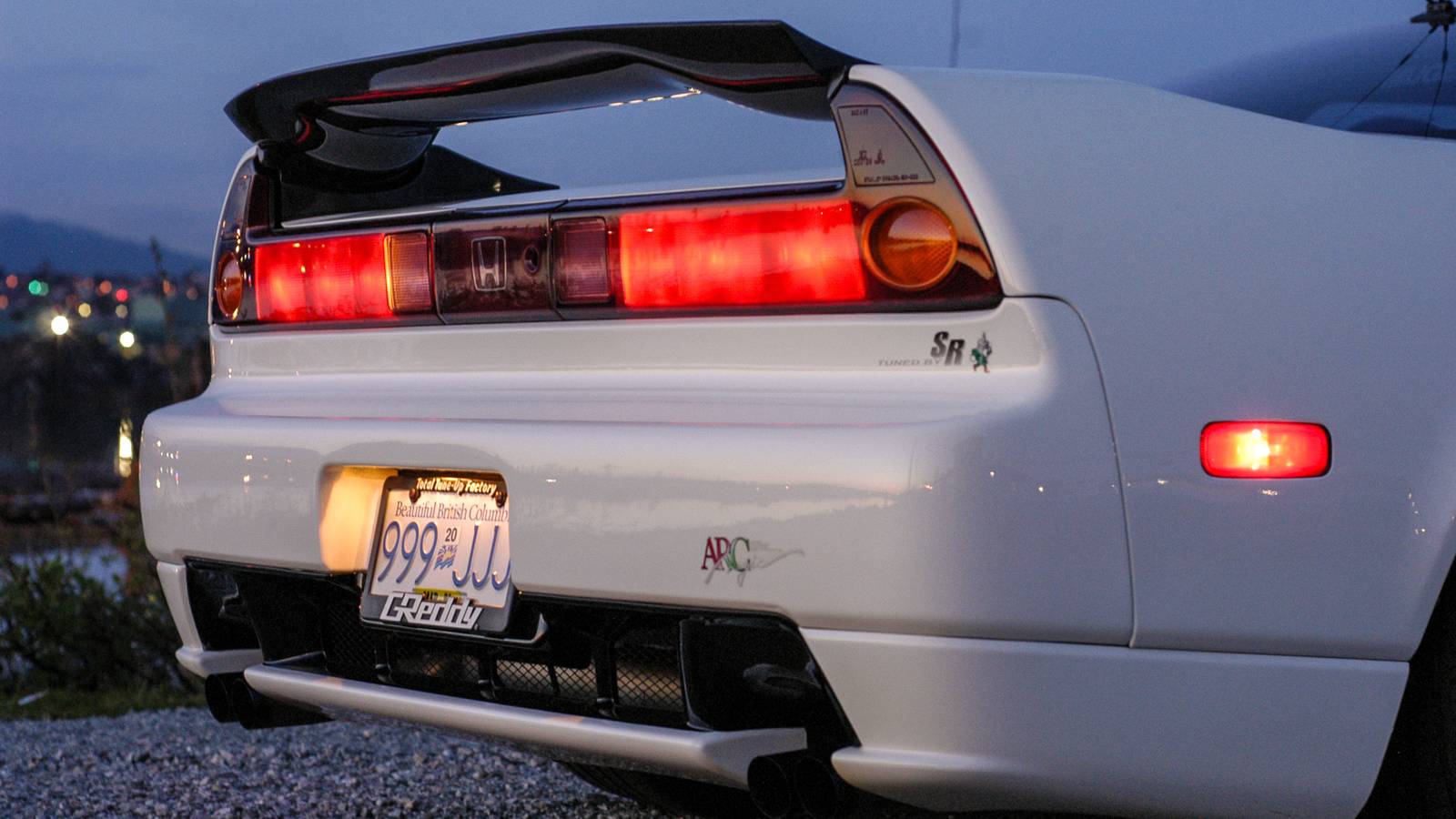
NSX

The NSX is fundamentally different from any of the others on this list, and is simply one of the coolest cars ever made. Honda didn’t need to explain why the power-to-weight ratio or tunability made the NSX special; it was special because it was clearly a supercar. Honda set out to prove that an exotic could be reliable, usable, and perfectly engineered. Aluminum construction, a high-revving, mid-engined V6 that was immaculately balanced — the NSX became the supercar that taught other supercar makers how to be better. Ayrton Senna helped tune it. That alone tells you everything you need to know about Honda’s mindset.
Civic Type R

Take an economy hatchback. Inject it with an engine that revs to 1 million. Reinforce everything. Sharpen it like a scalpel. The early Type Rs proved that front-wheel drive could be thrilling, precise, and fast – so damned fast. Honda’s B16B engine became a living legend.
S2000

The S2000 is Honda’s engineering philosophy distilled into a roadster. A 9,000-rpm redline, a chassis so communicative it felt like an extra limb, and proportions that still look timeless. It was a real roadster, as sporty as any European offering except — no turbos, no all-wheel drive, just a meticulously crafted inline-four singing at full volume. Honda didn’t build its creations by overpowering a small chassis. Honda built icons by respecting them for what they are.

The Most Over-Engineered Inline-Six Engine Ever Built
The 2JZ’s engineering would go on to make it one of the most iconic inline-six engines ever made, beloved by tuners.
So, Who Built The Best JDM Icons?

There is no way to answer this in any way that many people can agree with, because these three companies all built iconic cars, but from very different points of view; so, here’s the honest truth: all three brands mastered different dimensions of greatness. Toyota created legends by overengineering everything until the cars accidentally became indestructible and endlessly tunable. Nissan created legends by taking risks and setting power trends that enthusiasts still worship today. Honda created legends by chasing mechanical perfection so relentlessly that even basic economy engines became performance art. So, if you want bulletproof engineering, Toyota wins. If you want drama, heavy racing heritage, and vehicles that shaped entire subcultures, Nissan takes the crown. If you want mechanical purity and driver-car harmony, Honda stands alone.
And maybe that’s the real answer: the “best” JDM icons aren’t defined by one brand. They’re defined by an era when three philosophies collided, overlapped, and, together, pushed each other toward greatness. Together, Toyota, Nissan, and Honda didn’t just build cars. They built an automotive mythos that captivated millions of people over multiple decades. And if recent buying trends are any indicator, these same old cars still have many of us by the soul.