
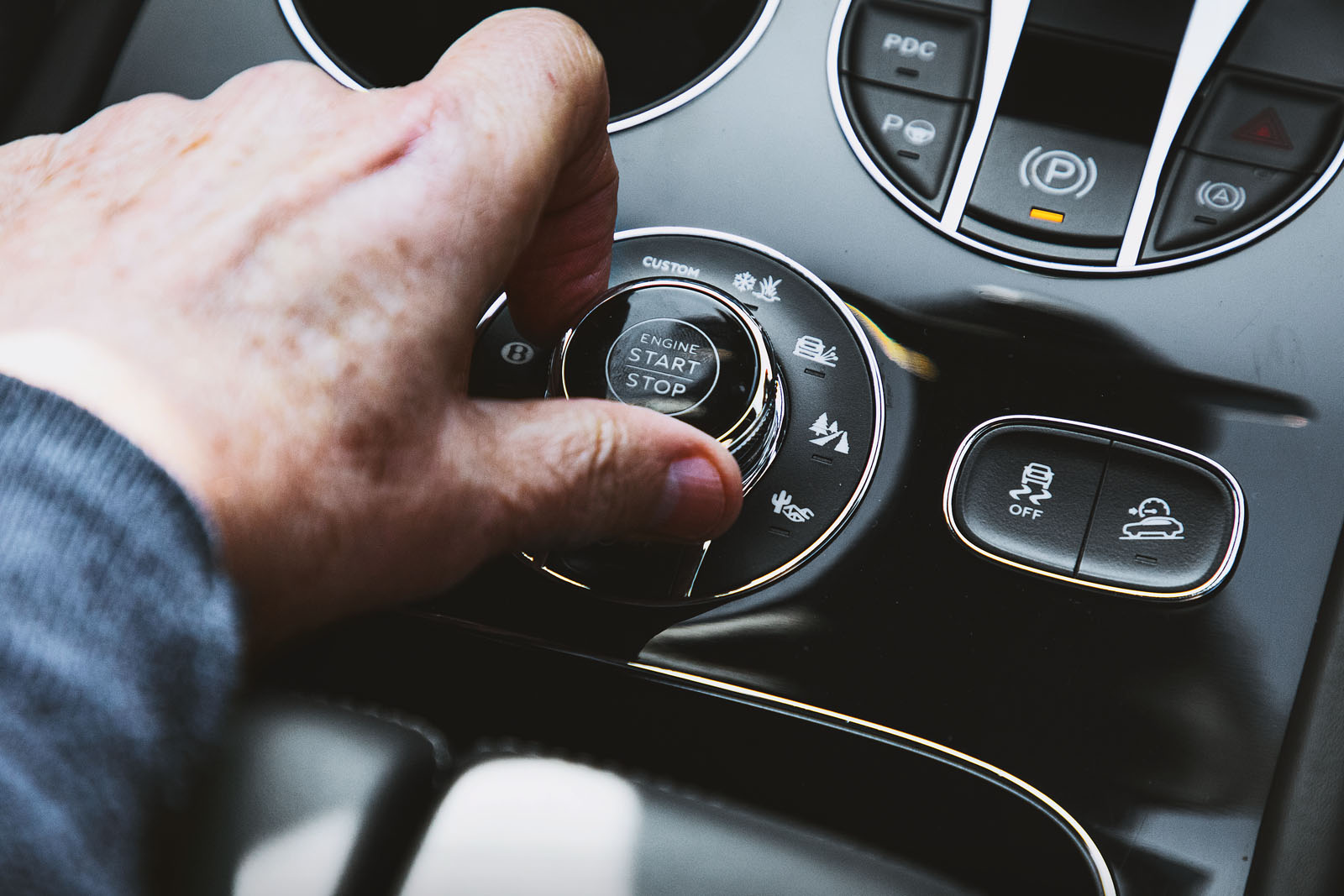
Physical car controls will become an increasingly crucial way for car brands to stand out in the future, according to a leading design firm.
“You can see how screens have made their way into vehicles and they’re upgradable, but unless they’re dealt with well, it can be quite a lazy intervention,” Luke Miles, founder of NewTerritory, told Autocar. “There is a moment [coming] when there’s going to be a new level of value in some of the analogue bits, some of the real high-value bits that you interface with.”
NewTerritory has historically focused on aviation, designing interiors for US giant Delta and Virgin Atlantic, but it has now moved into the car industry, with clients including Ford and Mercedes. Miles himself previously led design at LG Europe and Virgin Atlantic.
The increasing sophistication of voice and gesture controls gives manufacturers a means of moving away from the screen’s dominance in car interiors, according to Miles. “When things are voice-activated or gestural, then you’re in a space where those moments – whether they are analogue or more physical – become really valuable,” he said. “You boil down the brand into these really beautiful, well-engineered, well-crafted human moments.”
He added: “You can imagine this very lovely space where you’re blending the foreground and the background – background technology being voice, illumination, gestures maybe. The foreground is beautifully crafted moments of interaction, whether it’s a metallic piece or maybe it’s [a control] which is built out a little bit more with a digital capability embedded in it.”
Physical controls, according to Miles, create those “human moments” that foster the connection between car and driver. “The sense of feedback of a knurled object, or a click, gets you to a place where you realise it’s been beautifully assembled,” he said.
Meanwhile, voice controls “could mean the screen shrinks again”, he said. “You don’t necessarily need it [at all].”
Major players have already started a move back towards physical buttons. Volkswagen brand chief Thomas Schäfer, for instance, has said the company’s previous shift away from buttons did “a lot of damage”.
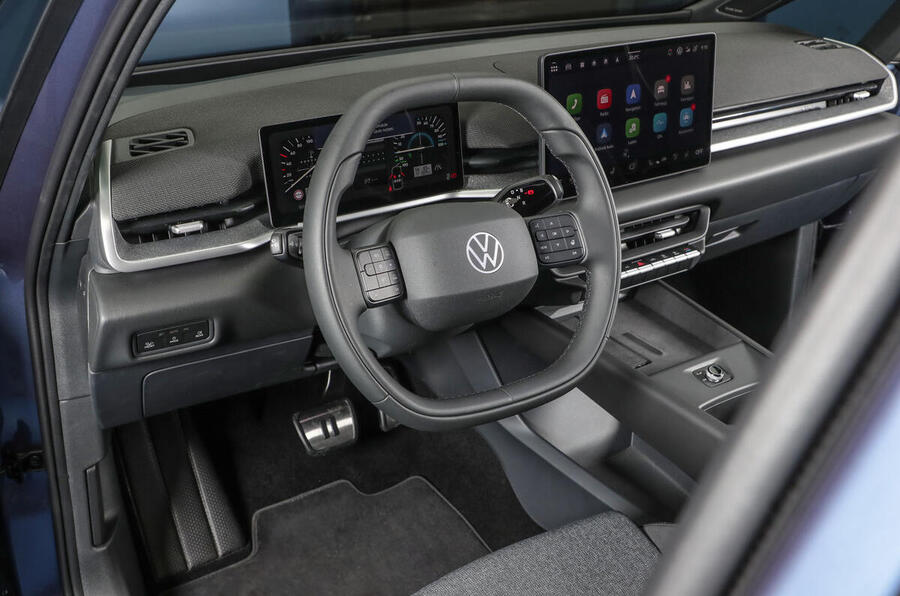
VW’s revised approach to interior design – described as a “premium haptic” concept, majoring on switchgear and rotary dials – is exemplified by the forthcoming ID Polo, ID Cross and the updated ID 3.
Overall, suggested Miles, manufacturers will “want to invest in moments of positive friction”, providing touchpoints that differentiate them from the competition in terms of how they look and feel.