
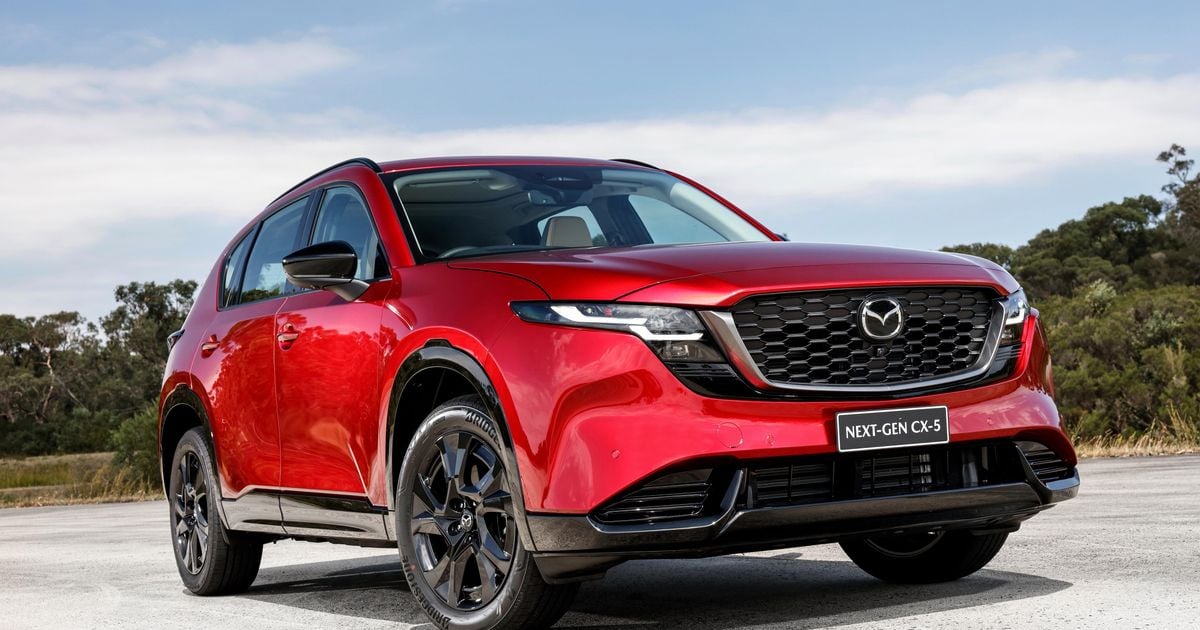
Mazda Australia intends to make hybrid power available right across the new CX-5 range, aligning the mid-size SUV with its main rivals.
The third-generation CX-5 launched Down Under just weeks ago with a carryover 2.5-litre four-cylinder petrol engine without forced induction or electrification, although a new ‘Mazda Hybrid’ system will be introduced in 2027, based around a new petrol engine and in-house hybrid technology.
And while the Japanese automaker hasn’t yet locked in a list of hybrid variants for Australia, local CEO Vinesh Bhindi says the aim is to offer a broad range of petrol-electric options.
“It’s still a bit too early to lock it down,” Mr Bhindi told CarExpert.
Looking for your next car? We’ll help you research and compare so you choose with confidence.
“We’re still figuring it out, but making it available in every grade is definitely an option for us. And at this stage, sitting here right now, that’s our thinking.”
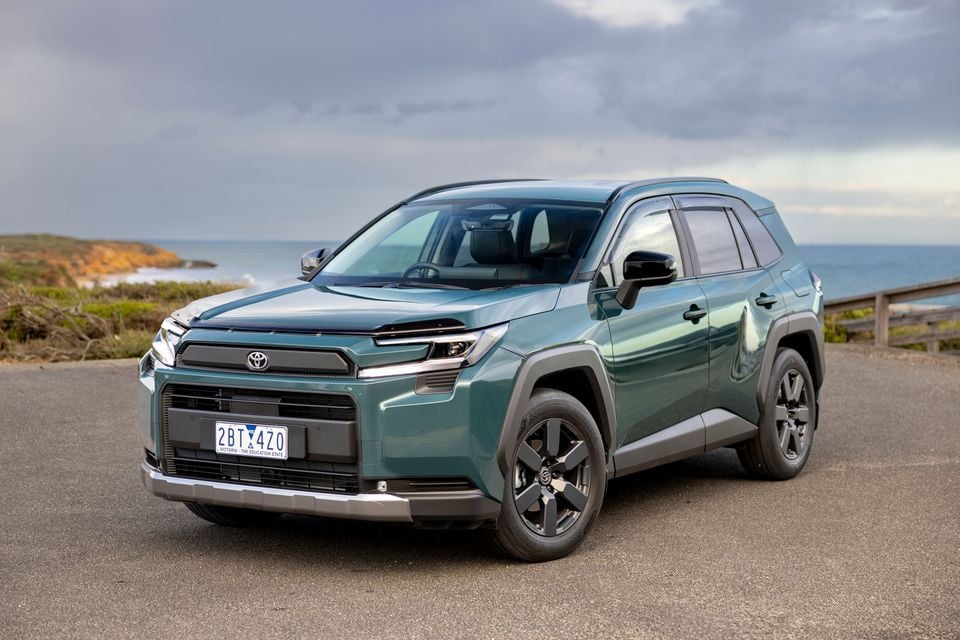
Doing so would help the CX-5 to compete with the best-selling, hybrid-only Toyota RAV4, priced from $45,990 before on-road costs up to $60,340 before on-roads for the Cruiser AWD and $66,340 plus ORC for the flagship plug-in hybrid (PHEV) GR Sport.
CarExpert understands Mazda’s new hybrid powertrain will attract a relatively minor price premium in the CX-5, allowing the mid-size SUV to potentially undercut the rival RAV4. For context, the base CX-5 G25 Pure costs $39,990 plus ORC, while the top-spec Akera comes in at $54,990 plus ORC.
All CX-5s are all-wheel drive, compared to just over half the RAV4 lineup.
Apart from the RAV4, the CX-5’s most direct competitors continue to be the Mitsubishi Outlander (from $39,990), Hyundai Tucson ($39,100), Kia Sportage ($38,490), Nissan X-Trail ($38,140) and Subaru Forester ($43,490), all excluding on-roads.
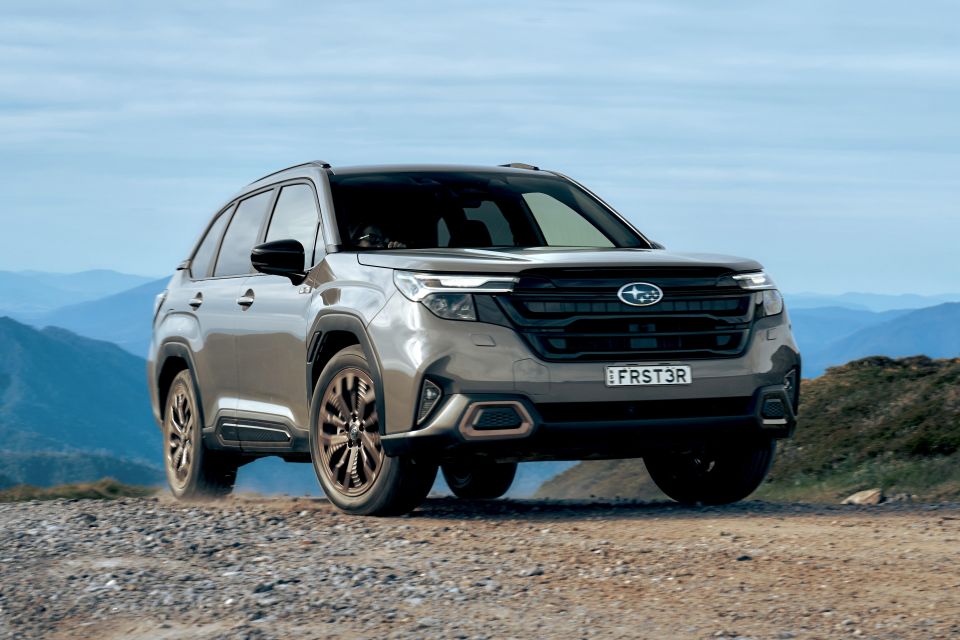
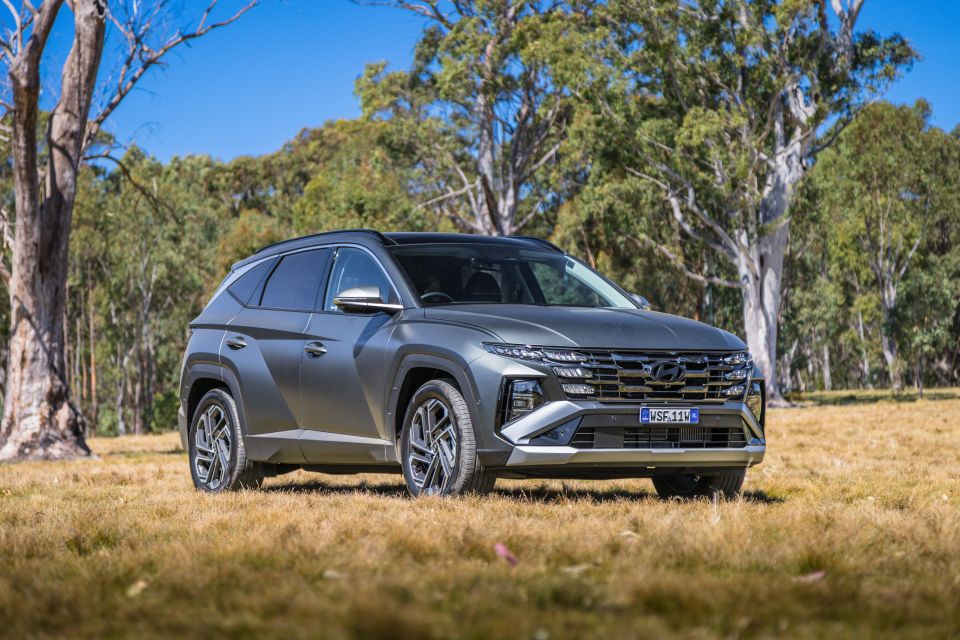
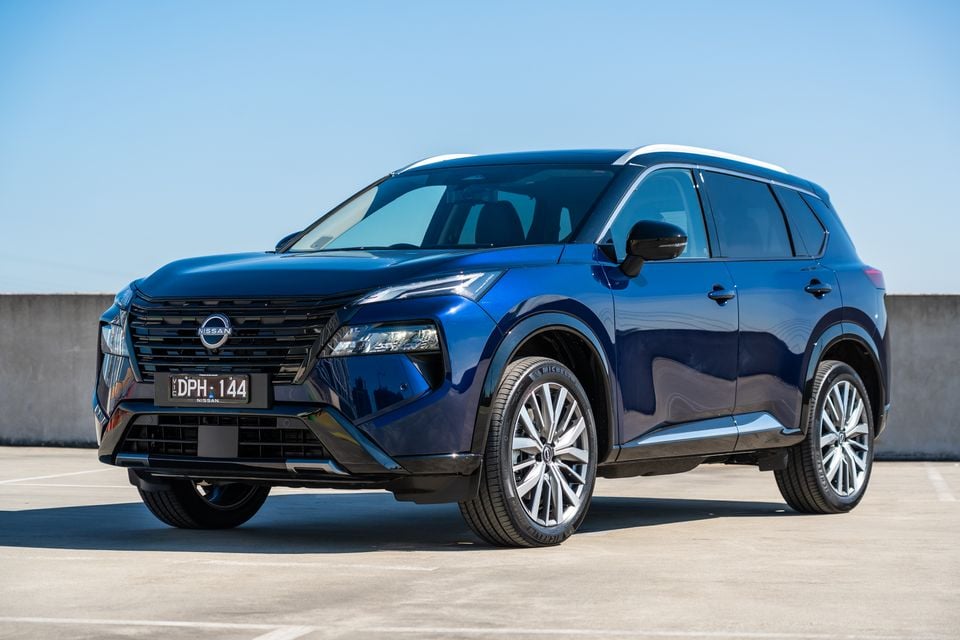
However, hybrid versions of the aforementioned models can’t be had for less than $42,850 before ORC, the price of the base Tucson Hybrid FWD.
So, if Mazda can keep its hybrid tax low, the CX-5 Hybrid could be one of the most affordable hybrid family SUVs from a non-Chinese brand.
It could also be one of the most dynamic, given that Mazda has chosen to develop its own hybrid system rather than lean on its existing technical relationship with Toyota.
“We are making a unique Mazda Hybrid system because we really care about Mazda’s ‘jinba ittai’ philosophy,” the general manager for global sales and marketing at Mazda Motor Corporation, Manabu Osuga, told us in March.
‘Jinba ittai’ is a Japanese phrase that translates to “horse and rider as one body”, which has become a Mazda mantra.
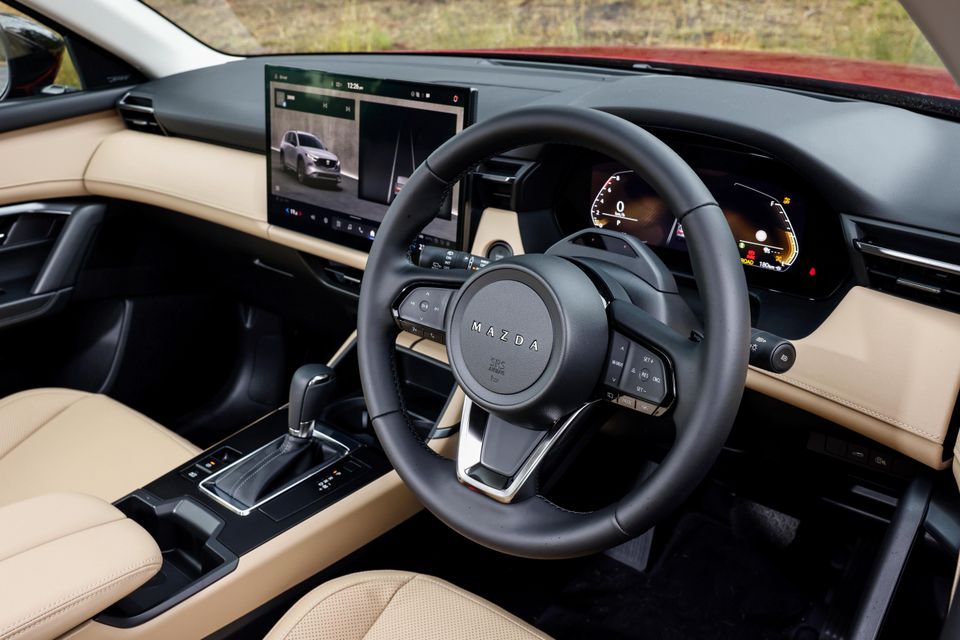
“The two reasons [are] – one, we want to clearly understand what the hybrid is in-house, by doing in-house engineering. And the second is that hybrid [powertrains] have several [layouts], but the system we chose is the direct system which directly connects to the transmission to move the transaxle,” explained Osuga-san.
“So that will give us the direct and linear feeling of acceleration. That is the reason why we [have chosen] to go with the Mazda unique system.”
While Mazda Australia has confirmed the CX-5 Hybrid for local showrooms, exact launch timing has yet to be communicated. For now, all we know is it will arrive after the hybrid launches in the US sometime next year.