
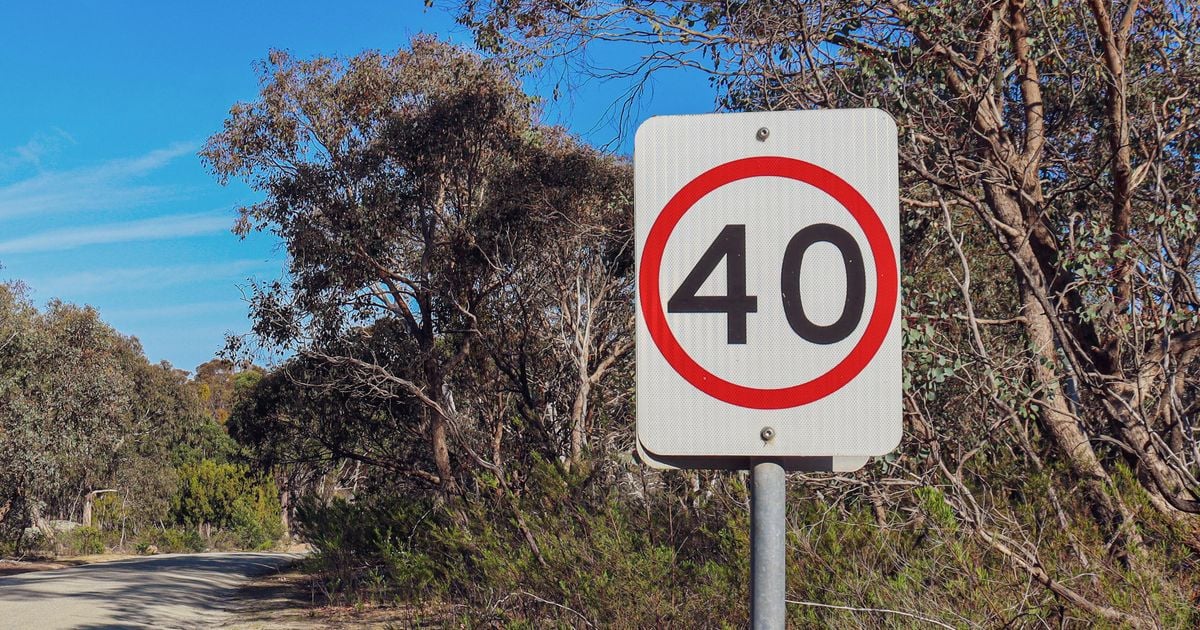
A recent study has found that lowering speed limits to 40km/h can result in a significant reduction in casualty rates.
The analysis, conducted by the Monash University Accident Research Centre (MUARC), found injuries from vehicle crashes dropped by 9.7 per cent in areas where 40km/h limits had been introduced.
But it’s those not travelling by car who benefit most, with a 23.8 per cent reduction in accidents between vehicles and pedestrians.
CarExpert can save you thousands on a new car. Click here to get a great deal.
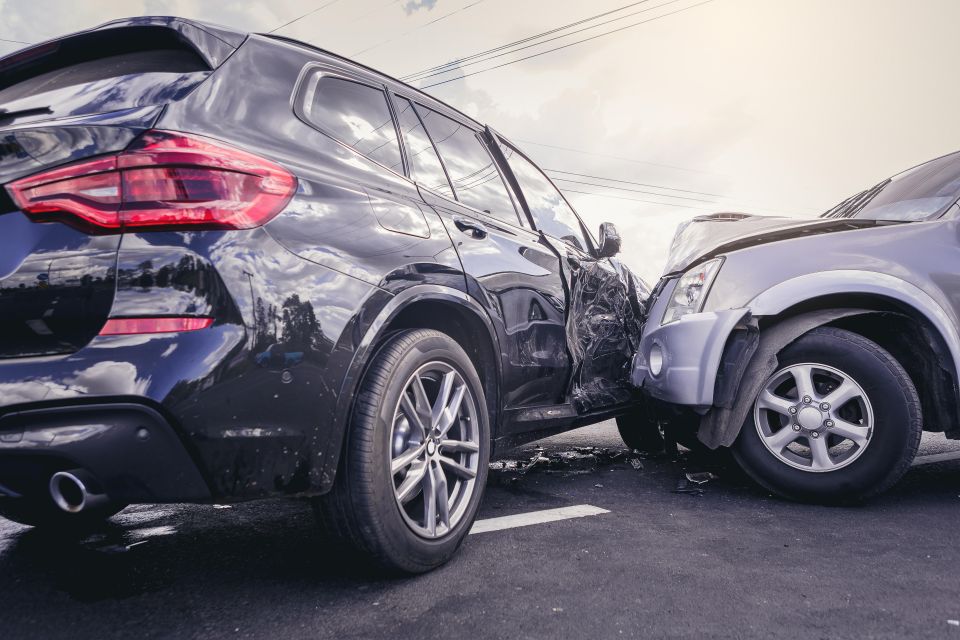
The results were taken from areas that had dropped to 40km/h from either 50 or 60km/h limits.
“Our study shows that implementing 40km/h zones has proven benefit in reducing crash and injury rates, especially in areas where pedestrians are most at-risk,” said MUARC director, Professor Stuart Newstead.
A survey of Victorian drivers also found that fewer admitted to speeding in 40km/h zones compared to areas with higher speed limits.
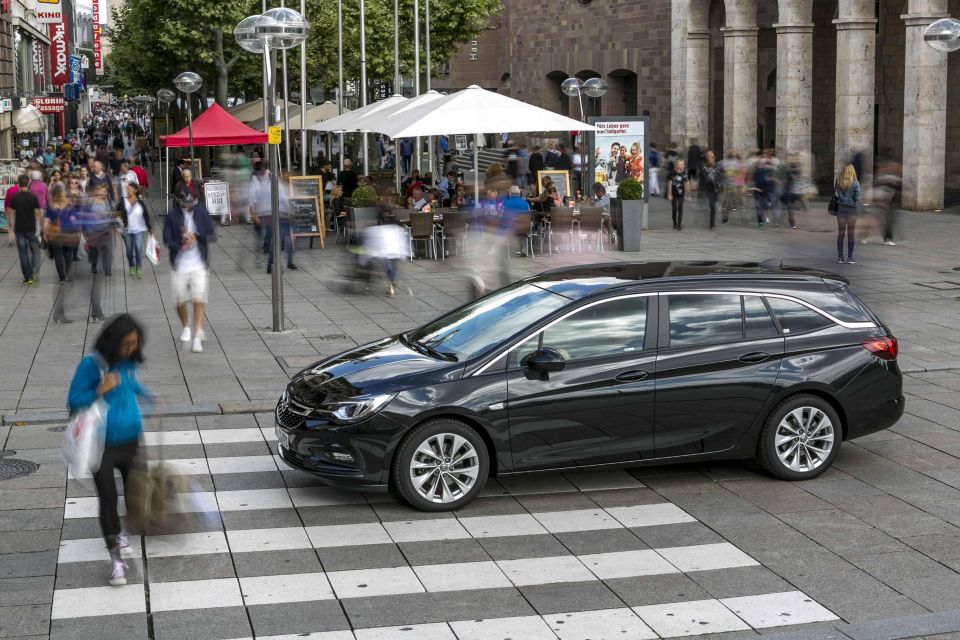
However, this contradicts available data used in the report, which showed “much higher” rates of speeding in 40km/h zones compared to 60km/h zones.
While the paper suggests further research on these topics, it also says this study provides evidence to further expand the lowering of speed limits both in cities and regional areas.
“Expanding these lower speed zones in local streets and busy pedestrian areas could contribute significantly to reducing road trauma,” the report says. “But to be effective, this must be coupled with improved signage, education and data collection.”

MORE: Australian Government scraps plans for lower speed limits