
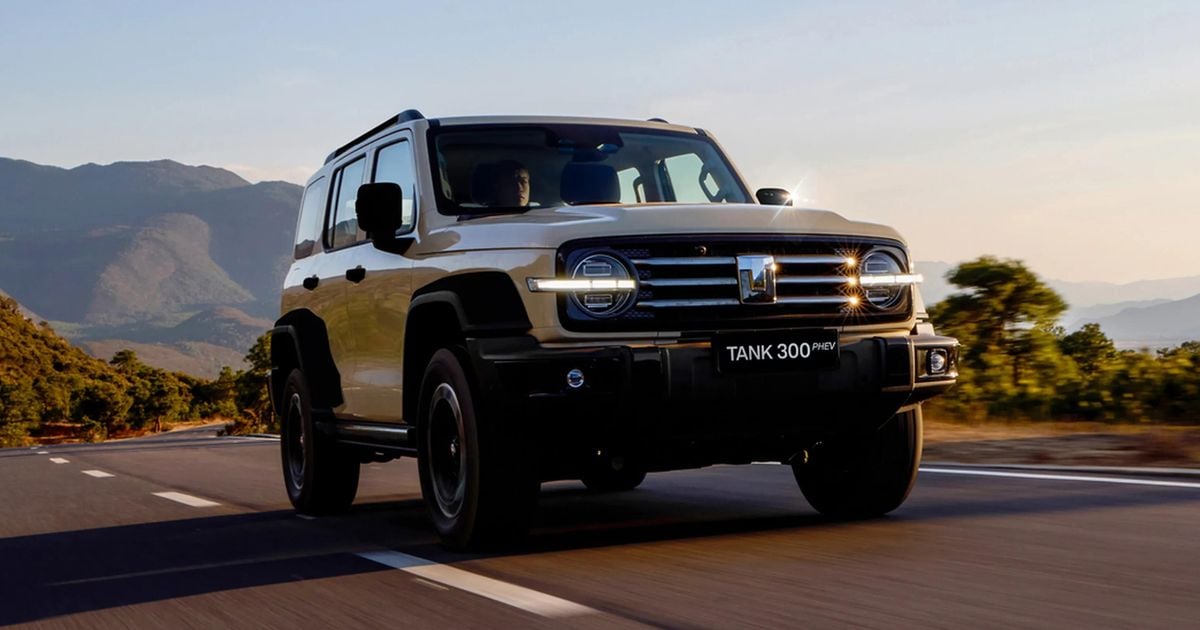
The GWM Tank 300 has gained a new plug-in hybrid powertrain in Australia, but the large off-road SUV will lose its regular petrol option – and it still won’t get the new interior available in China.
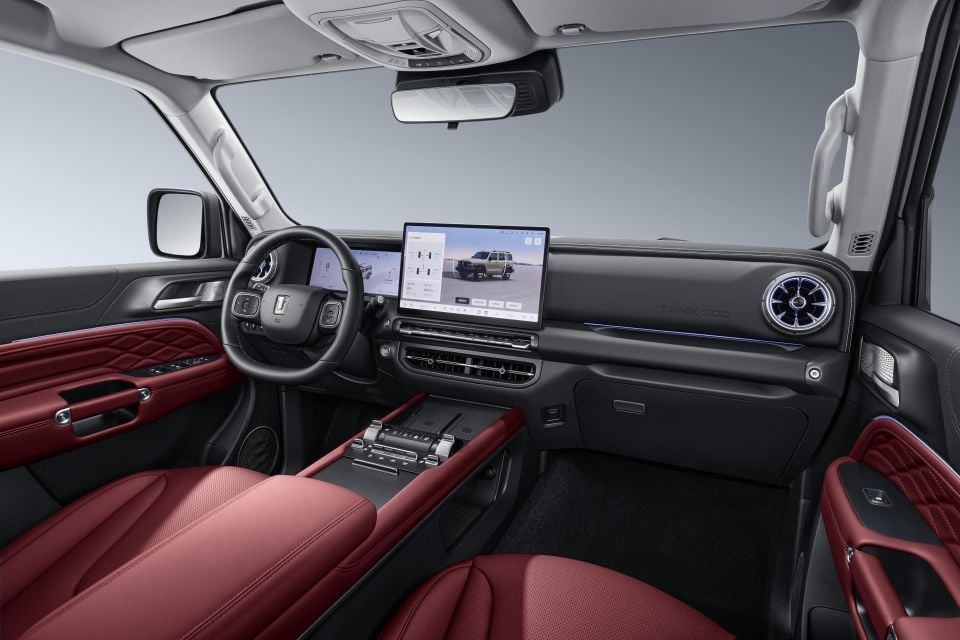
Revealed in March 2025 in China, the updated Tank 300 has a redesigned dashboard with a 12.3-inch digital instrument cluster and a free-standing 14.6-inch infotainment touchscreen running the latest Coffee OS 3.0 operating system.
It also has new rocker switches on the centre console and a second 50W wireless phone charger, among other upgrades.
CarExpert can save you thousands on a new car. Click here to get a great deal.
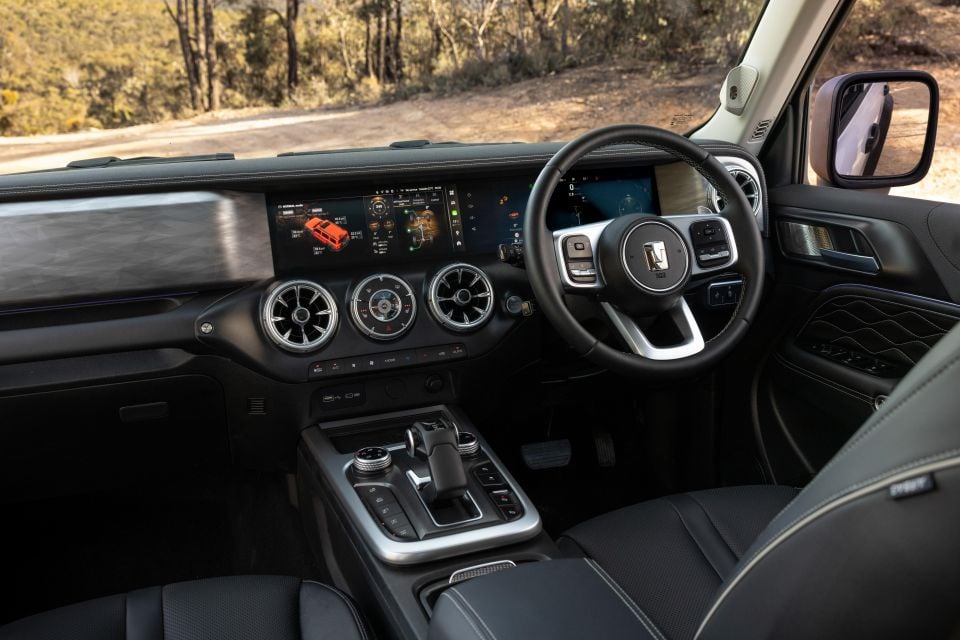
The current Australian-market Tank 300 also has a 12.3-inch digital instrument cluster, but features a smaller 12.3-inch touchscreen running a previous generation of multimedia technology.
The reason we won’t get the new interior is simple, and has nothing to do with the screen size but rather the gear shifter.
The updated Tank 300 ditches its chunky console-mounted gear shifter in favour of a slim, column-mounted stalk.
This is seen in other GWM models like the Haval H6 and is similar in execution to shifters from the likes of Mercedes-Benz – but is something less desirable for a rugged off-roader.
“With our research, people didn’t like the column shifter,” GWM Australia product planning manager Tim Leong told CarExpert.
“This [new] interior is locked in with the column shifter,” he added, indicating GWM Australia has to take it all or receive none of the new cabin. It chose the latter.
“If you look at the timing of the vehicle, [the new interior] has launched for a while, but from a facelift point of view we are just a little bit off, so that’s going to all align with our future facelift when it comes,” Mr Leong told CarExpert earlier in April, confirming GWM is “trying to do a bit of a mix and match interior for the future [facelift]”.
However, it may not have a choice next time, should the next-generation Tank 300 debut with a column shifter.
GWM typically works on model cycles of around four to five years, and the Tank 300 is the oldest member of the automaker’s Tank line of off-road SUVs. The current Tank 300 entered production in 2020, so it may be nearing the end of its lifecycle.
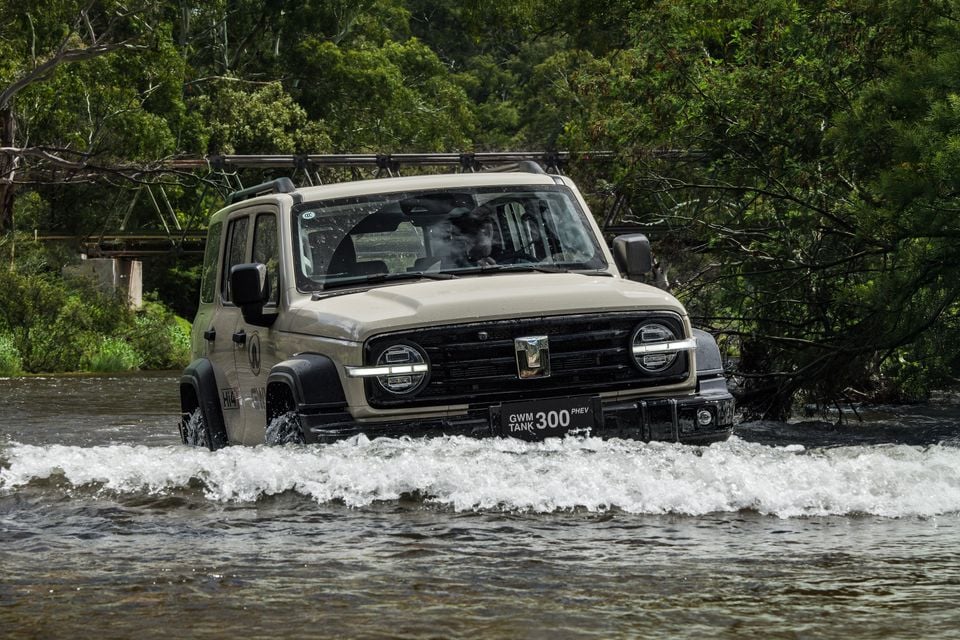
Australian customer deliveries of the Tank 300 began early in 2023, when the model was released first as a hybrid before gaining a petrol powertrain later that year, followed by a diesel in 2025, and a plug-in hybrid (PHEV) this year.
That brings the number of powertrain types available in the current Tank 300 lineup to no fewer than four, which is a rarity in Australia. The Kia Sorento is another notable example, also boasting petrol, diesel, hybrid and PHEV options.
Last year, hybrid vehicles accounted for 13.3 per cent of all Tank 300 deliveries in Australia, which numbered 5035 units in total across petrol, diesel and hybrid variants. That made it GWM’s fourth best-selling model, after the Haval Jolion small SUV (19,413), Haval H6 mid-size SUV (13,217) and Cannon ute (7800).
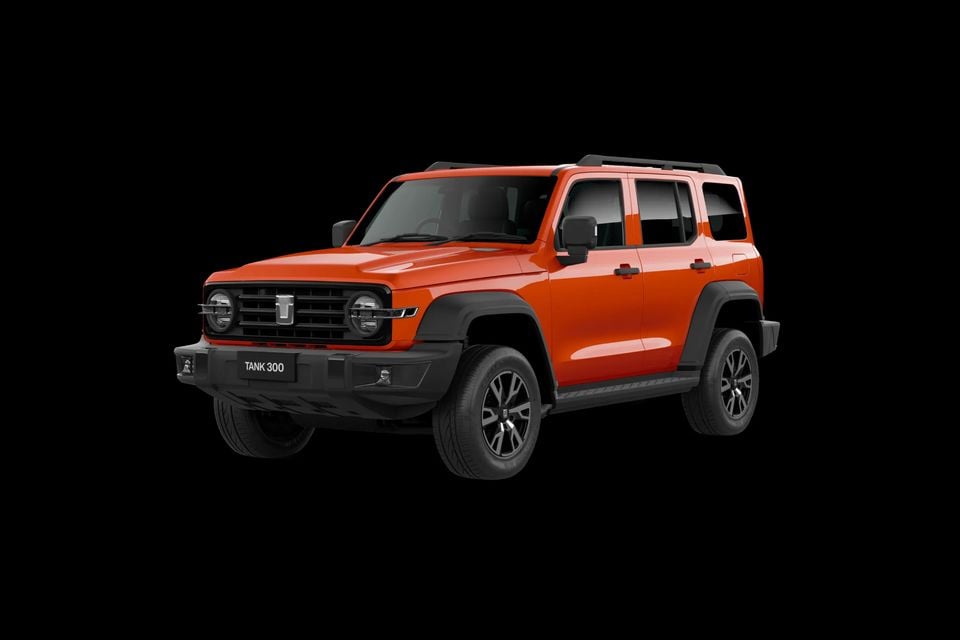
But the powertrain count will drop down to three come mid-year, with GWM phasing out the base turbocharged 2.0-litre four-cylinder petrol engine.
GWM is doing the same with the Haval H6 GT, which will drop to a single plug-in hybrid variant.
The Tank 300 is currently available with petrol power only in Ultra trim, priced at $50,990 drive-away.
That positions it between the base Lux diesel ($48,990 drive-away) and Ultra diesel ($52,990 drive-away), and the Ultra petrol undercuts its hybrid counterpart by $6000.
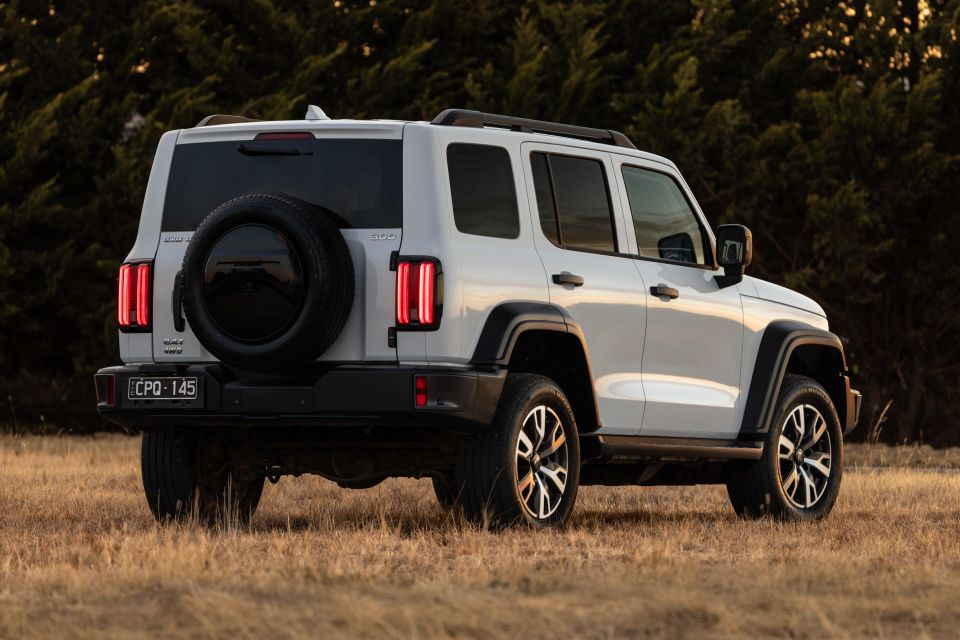
However, it misses out on features found on other Ultra-spec Tank 300s, including driver’s seat and mirror memory, DAB+ digital radio, satellite navigation, and semi-autonomous parking assist.
It’s also the only Tank 300 sold in Australia without GWM App connectivity, which allows you to use a smartphone to remotely control the locks and climate control, among other features.
The Australian-market Tank 300 may miss out on the new interior design, but there are other updates coming.
GWM has confirmed the Tank 300 is next in line for local chassis tuning under the local AT-1 program led by former Holden chassis engineer Rob Trubiani, with the focus being on diesel and PHEV variants.
Hi4-T PHEV variants will launch with a tune that differs from the Chinese-market tune, but which isn’t an AT-1 tune. However, the locally developed tune is expected to enter production within the next six to eight weeks, with AT-1 diesel and PHEV variants expected to arrive Down Under in the coming months.