Yet it also made the task of actually creating the thing more difficult. Paper sketches can’t realistically capture the way a car looks and producing full-size metal models would have been prohibitively costly.
So Earl gathered a haul of clay and began rendering his ideas in three dimensions. In doing so, he established a practice that still forms a critical part of any car designer’s repertoire.
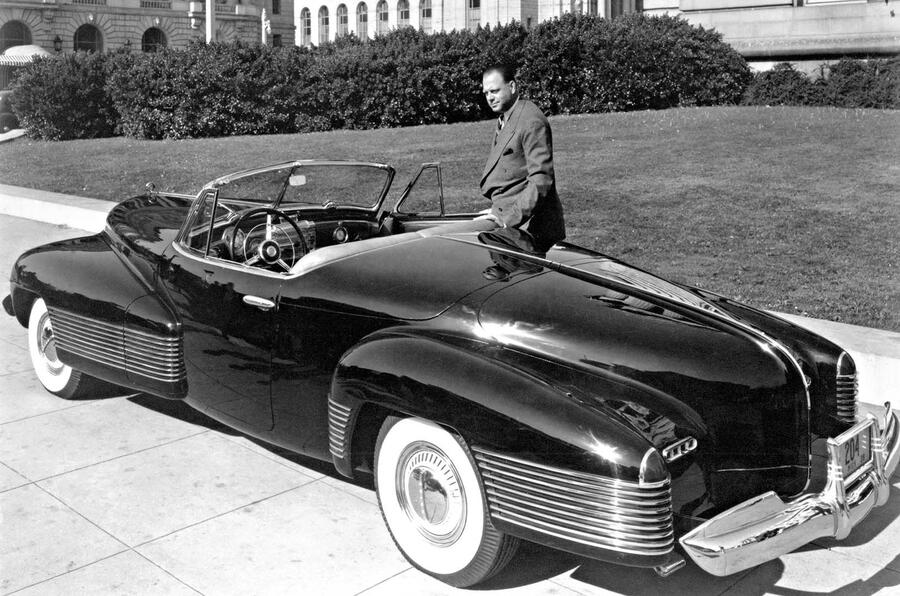
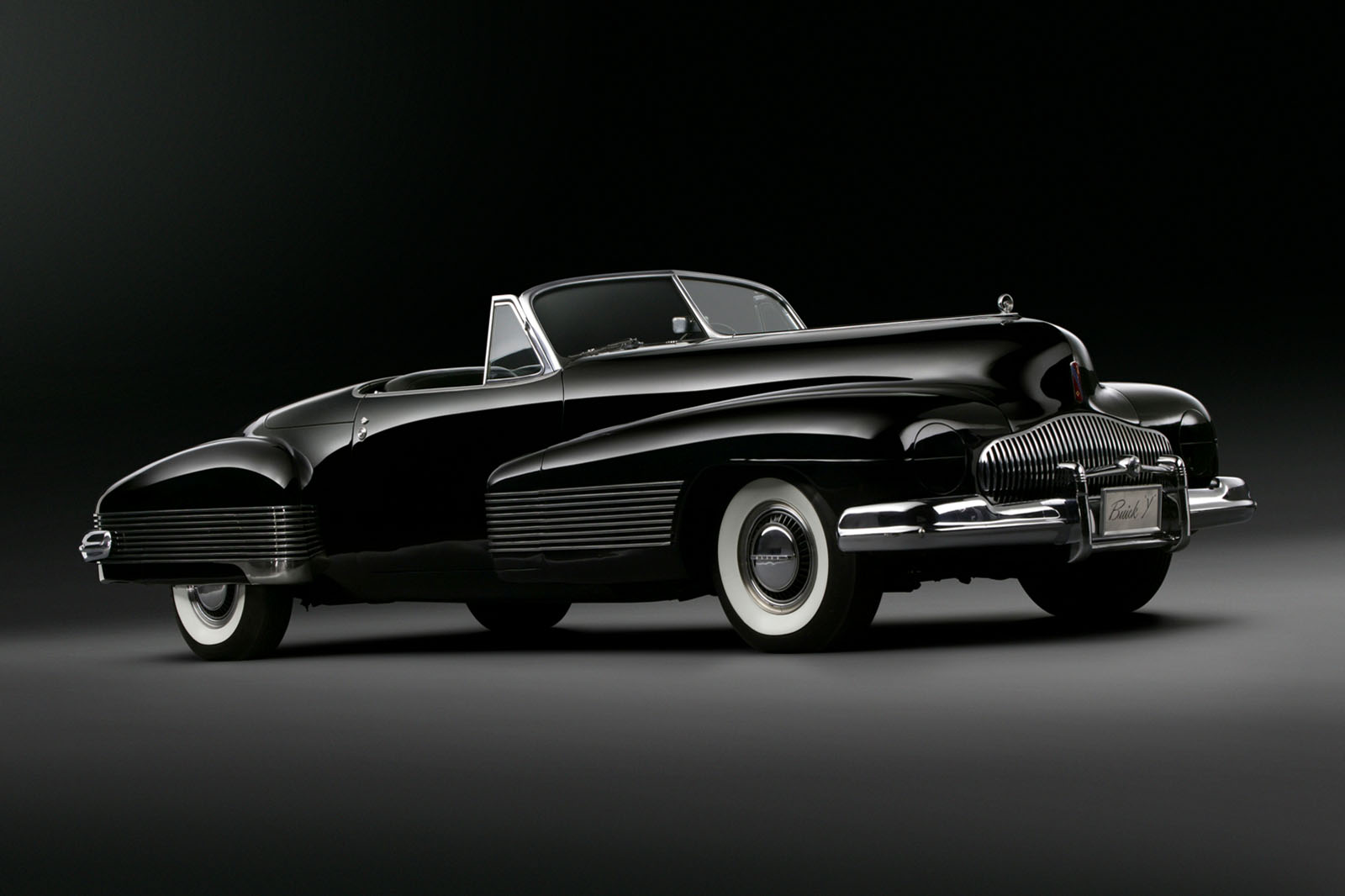
The Y-Job was finished in 1938, but it didn’t see the light of day until 5 April 1940.
“The modern trend toward speedy appearance is carried to an extreme by means of body lines closely resembling those of racing cars,” we reported that July.
“Most ingenious of all and interesting, however, is the automatic hood: an electrically operated mechanism controlled by a push button on the instrument panel lifts the deck lid on hinges, raises the folding top and lowers the deck lid into normal position again.”
Enjoy full access to the complete Autocar archive at the magazineshop.com
We continued: “Also noteworthy is an unusual arrangement of the instrument panel, with a radio unit inset at the middle and its controls mounted on top. Speedometer and gauges are placed in front of the steering wheel with the large speedometer dial high on the panel for best visibility.”
This all seems elementary now, yet we only perceive it as so because Earl looked into his crystal ball and laid the foundations for the future of motoring.