
Last month was the strongest July for new car sales in the UK since the Covid pandemic, as a significant rise in sales of hybrid, plug-in hybrid and electric cars drove growth.
A total of 156,571 new cars were registered during July, an increase of 11.7% compared with July 2025 and close to the 157,580 recorded during the same month in 2019.
EV registrations rose by 44.5% compared with July 2025, to 43,106. That means that for the year so far, EVs have accounted for just over one in four of all new cars sold – a significant improvement on a year ago but still short of the 33% target set by the government’s zero-emission vehicle (ZEV) mandate.
The Society of Motor Manufacturers and Traders (SMMT) attributed the rise in EV sales to the continued roll-out of the government’s Electric Car Grant and discounting.
It also suggested the rise in petrol and diesel fuel prices triggered by the Iran war may have swayed buyers towards EVs and hybrids.
PHEV sales rose 33.6% year on year, to 23,359, while sales of conventional (or ‘self-charging’) hybrids rose 11.6%, to 20,711.
Registrations of pure-petrol cars, meanwhile, declined significantly. They fell from 66,271 to 62,799, a reduction of 5.2%.
Although they remain the predominant choice of UK buyers, petrol cars’ market share fell from 47.3% in July 2025 to 40.1% in July 2026.
This means that electrified cars – ie those capable of driving solely on electric power – now account for more than half of all new car sales in the UK.
SMMT chief Mike Hawes warned, however, that this growth “cannot be sustained”. He claimed that car makers are “haemorrhaging billions” by discounting their EVs in order to stimulate demand sufficient to meet their ZEV mandate targets.
Hawes has previously called on the government to accelerate its review of the ZEV mandate and smooth the annual inclines in EV sales targets, as the UK approaches its 2035 deadline for sales of new ICE cars.
EV-focused transport research organisation New Automotive said that, taking into account the credit-banking and credit-trading flexibilities built into the ZEV mandate scheme, sales are tracking ahead of targets.
Although the official target for EV sales for 2026 is 33%, New Automotive estimates a real target of 24.6%, and the EV market share for the full year currently stands at 25.3%.
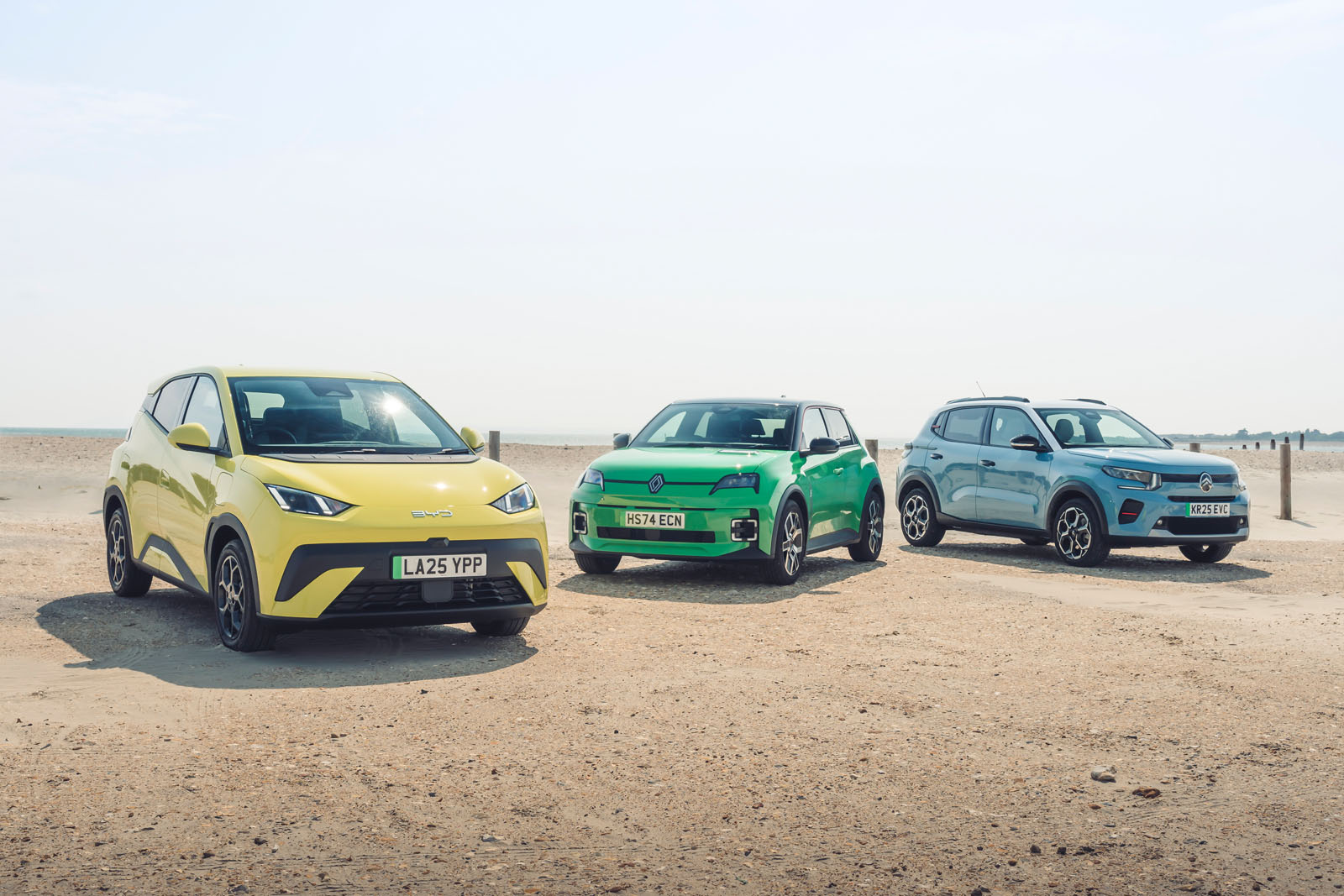
The best-selling car in July was the Ford Puma, a regular chart-topper, with 3531 registrations. It was followed by the Nissan Qashqai (3224) and Kia Sportage (3205). The best-selling EV, meanwhile, was the Renault 5 (1805).
Notably, Chinese newcomer Jaecoo had two models in July’s top 10 best-sellers. Its 5 and 7 SUVs scored 2481 and 2709 registrations respectively.