
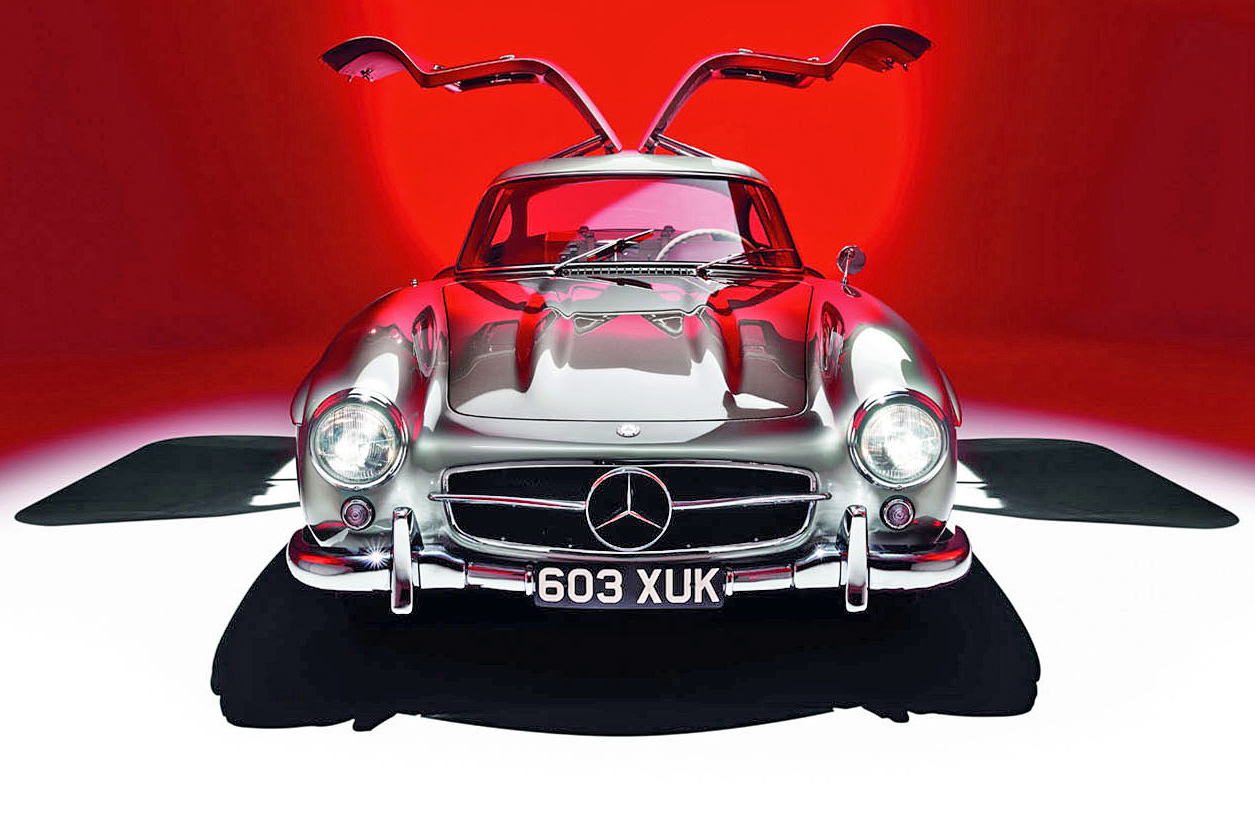
Built under licence in Germany, the Seven was the first car produced by BMW. It was also, despite its humble station in life, very tunable, and performed exceptionally well in both racing and record breaking. Production ended in 1939, but the Seven remains popular (as both a road and a competition car) among classic enthusiasts to this day.
Austin-Healey 3000
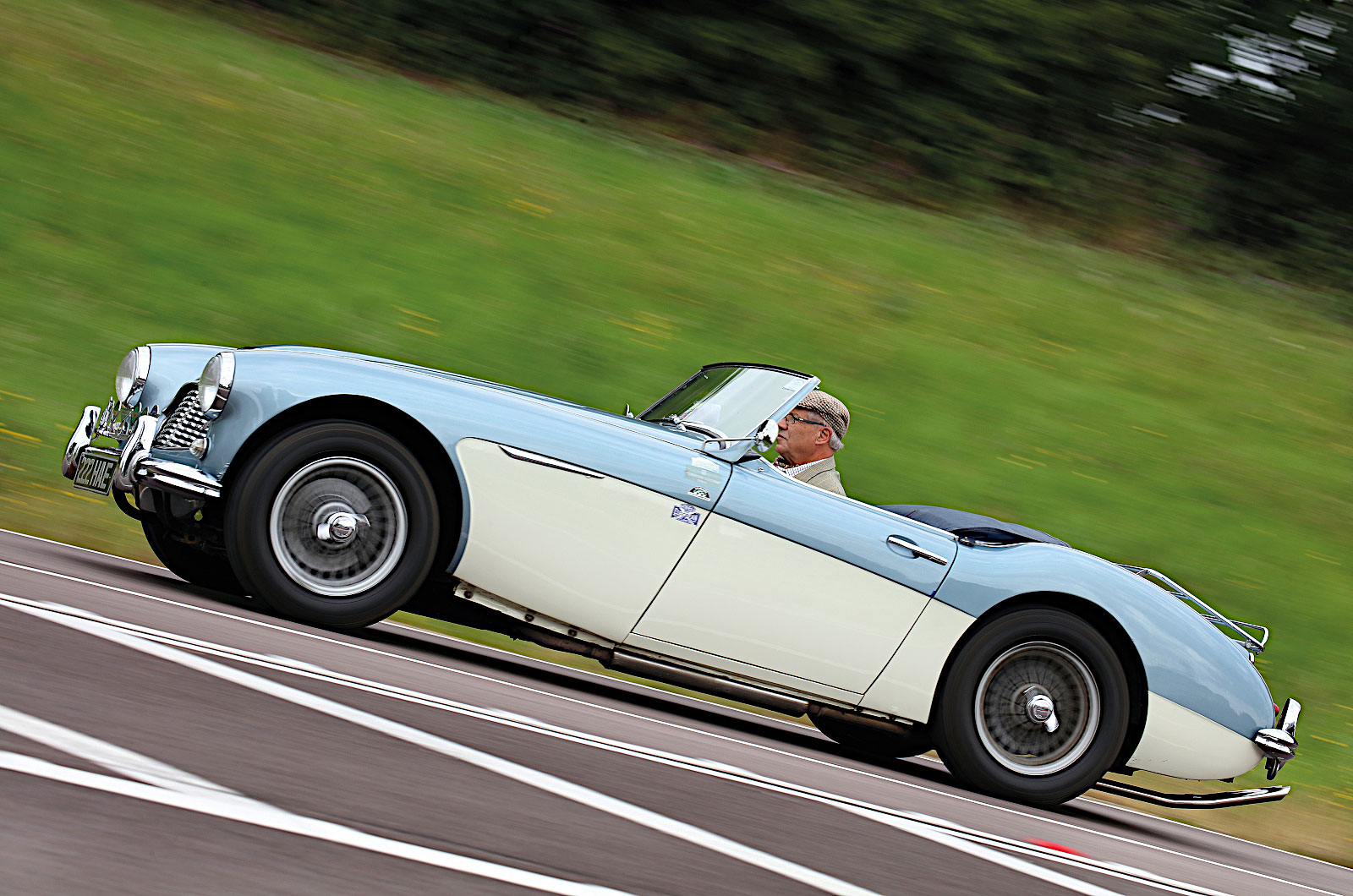
The 3000 was the last and greatest of the ‘big Healeys’ co-developed by BMC and the Healey sports car company. Derived from earlier 100-series models, it was fitted with a 2.9-litre version of the BMC C-Series engine more commonly found in large saloons.
As well as being the epitome of the ‘hairy-chested sports car’ in road-going form, the 3000 was one of the most formidable rally cars of the early 1960s, and performed well (if less successfully) in long-distance sports car races.
Bentley Arnage
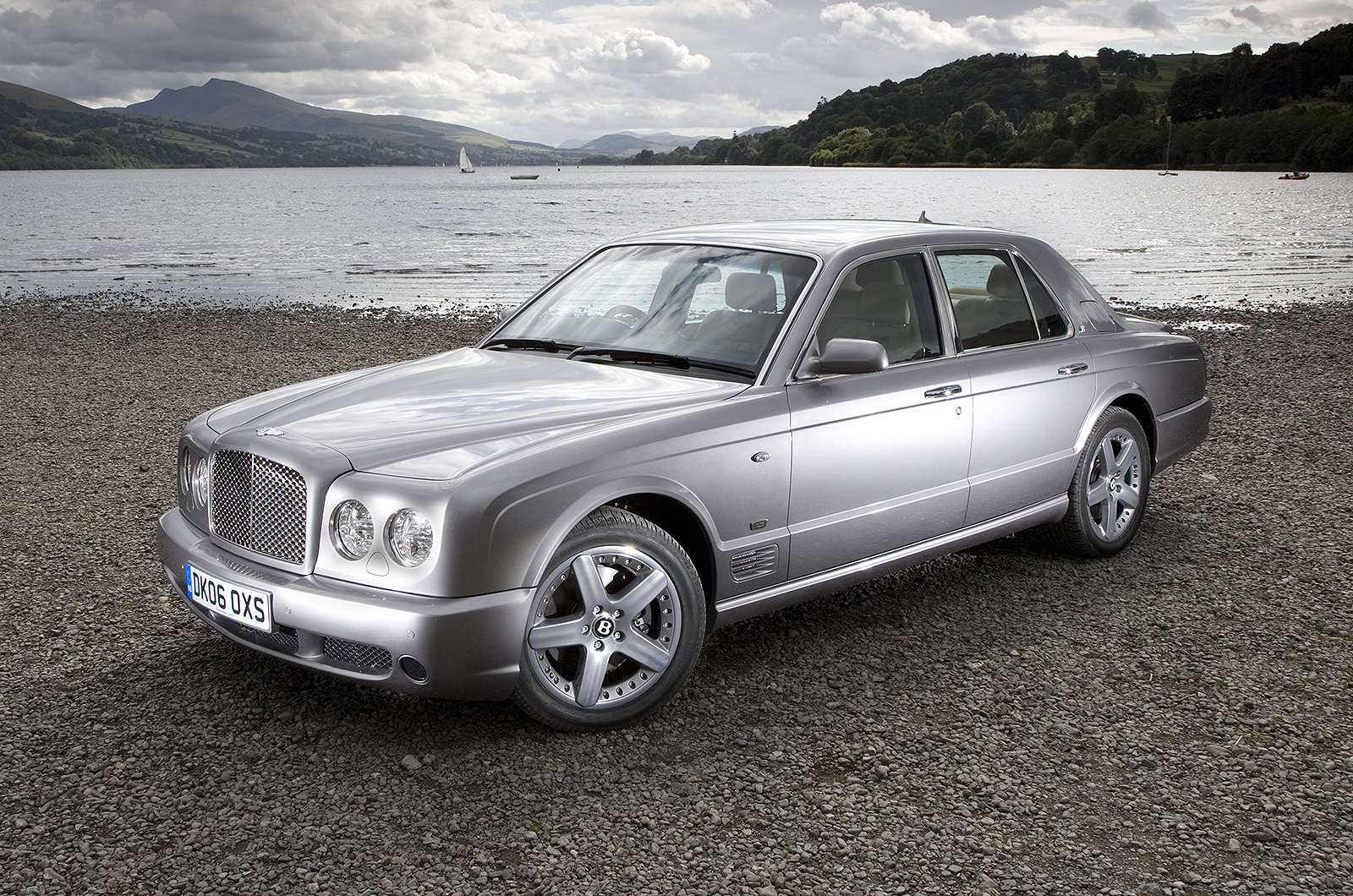
If one car represents the entire history of the Bentley marque, it’s the Arnage. It was named after a corner at the Le Mans circuit, where Bentley won the 24-hour race five times between 1924 and 1930, and was mostly powered by a development of the 6.75-litre L-Series V8 engine which dated back to 1959.
Yet it was also a thoroughly modern car, introduced near the end of the 20th century and surviving for the first decade of the 21st. Its spirit lived on in the later Mulsanne, and still does in today’s Flying Spur.
BMC Mini
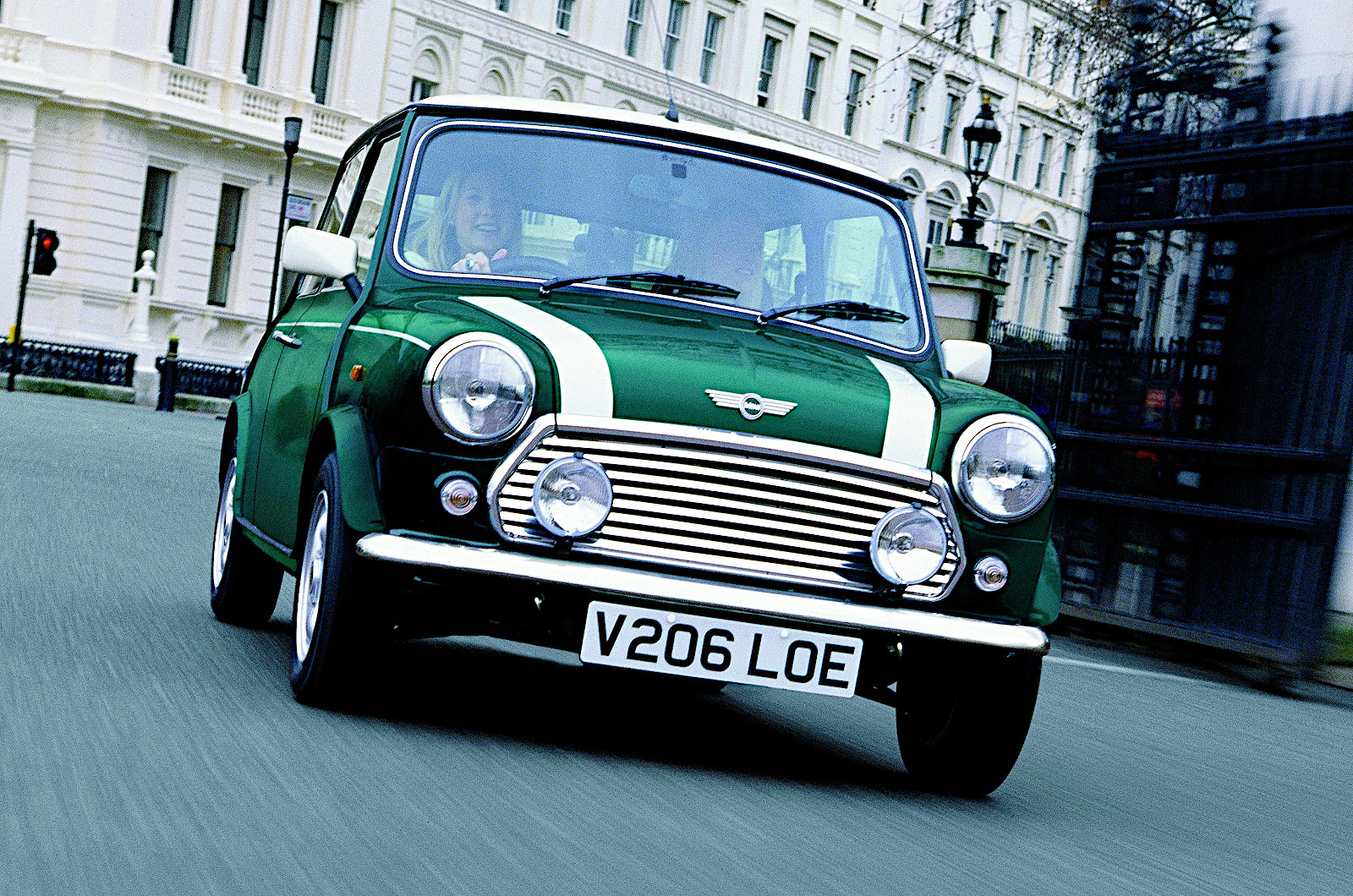
At least historically, if not financially, the Mini was the crowning achievement of the British Motor Corporation. In fact, it was never branded BMC (because nothing was) but instead wore the badges of Austin, Morris, Innocenti, Authi and, in three-box saloon form, Riley and Wolseley, though it was eventually sold simply as Mini.
Less than a decade into its production life, which began in 1959, it was three things at once: everyday family transport (that was much more comfortable and safer than the microcars it largely supplanted), a car celebrities wanted to be seen in and a ferocious competitor in racing, rallying and almost every other form of motorsport. It was already seriously dated by 1980, but was so well loved that it remained on sale for a further 20 years, finally disappearing shortly after it was placed second behind the Ford Model T in the one-off Car of the Century list.