
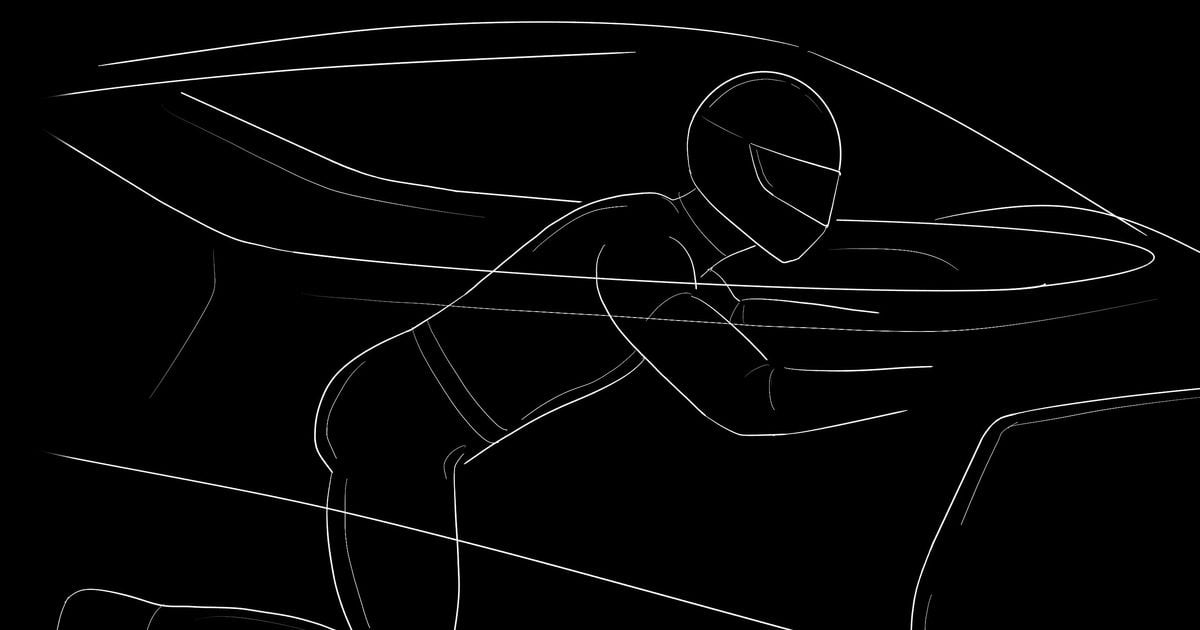
We’ve seen single-seat hypercars before, but we’ve never seen one that puts its driver in a prone position like a motorcycle drag racer.
That’s exactly what Dutch startup Sanrivatti is proposing with its debut hypercar, a wild new single-seat, mid-engined sports car that could redefine the way humans fit into cars.
Indeed, Sanrivatti says its debut model’s unique new ‘Apex Position’ – which rather than seating its drivers, places them in a motorcycle-style riding stance – was inspired by vehicles on two wheels not four.
Based in the Netherlands, Sanrivatti is the brainchild of its young founder and CEO, Santiago Sánchez Rivero, who started his career at low-volume Dutch hypercar specialist Donkervoort.
Looking for your next car? We’ll help you research and compare so you choose with confidence.
A number of senior executives from high-end British auto brands including McLaren, Lotus and Bentley have also joined the fledgling automaker, which is yet to produce a single vehicle.
Nor has Sanrivatti revealed any powertrain details about its unnamed sports car, or whether it will seek engineering partners to help create and develop it.
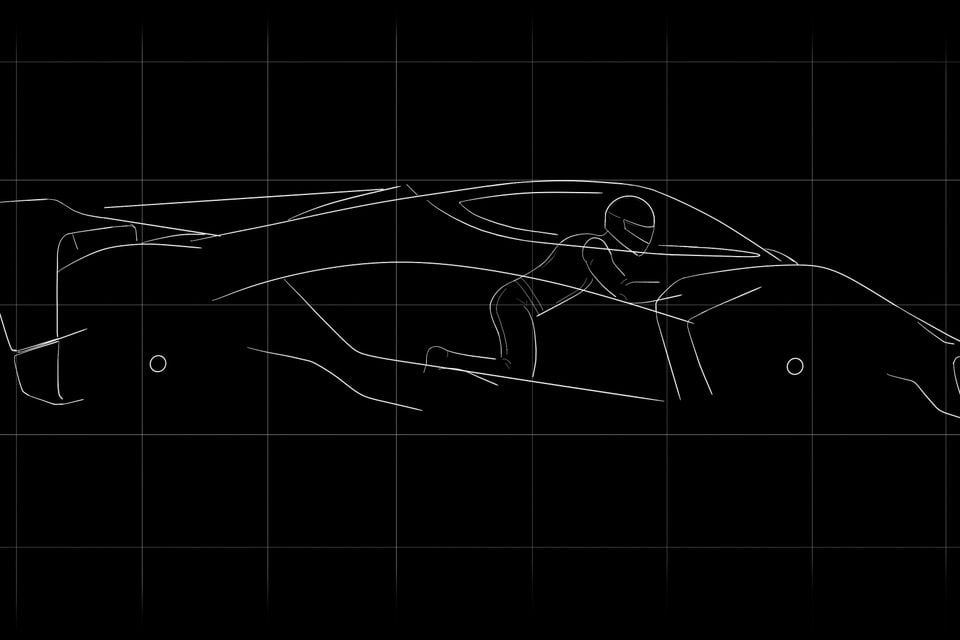
In fact, the unique selling proposition of Sanrivatti’s first model, which remains in the concept stage, appears to be its radical new driving position, which is claimed to blend superbike with supercar.
Sanrivatti says its inaugural hypercar will be designed, developed and honed around the driver rather than the machine, and that its world-first head-forward Apex Position will rewrite the rulebook for ultra-high-performance cars.
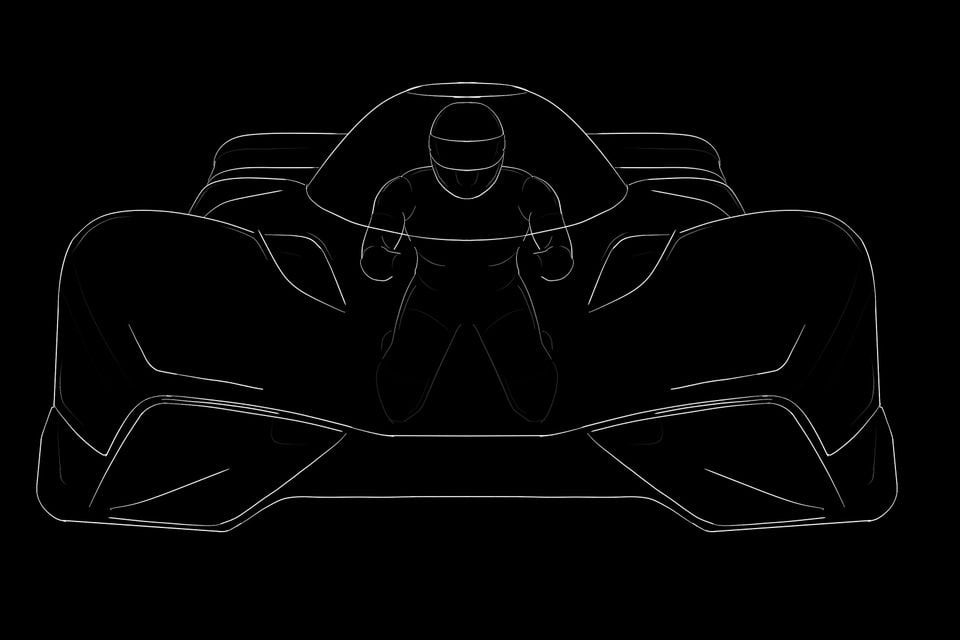
It claims the revolutionary driving concept places the driver at the very centre of the hypercar experience, creating a fundamentally different relationship between human and machine, and delivering “unparalleled benefits in field of vision, vehicle placement on track, and physical immersion and engagement.”
“On a high-performance motorcycle, rider and machine move as one,” said Mr Rivero, who grew up in Uruguay then pursued automotive engineering in the Netherlands in order to realise his lifelong ambition of establishing his own car brand.
“The connection is immediate, physical and instinctive. Every movement of the body directly influences the experience; every change in balance, posture and perception becomes part of the interaction.
“By contrast, even the world’s most capable performance cars frequently separate driver and machine through layers of architecture, packaging, systems technologies and convention.”
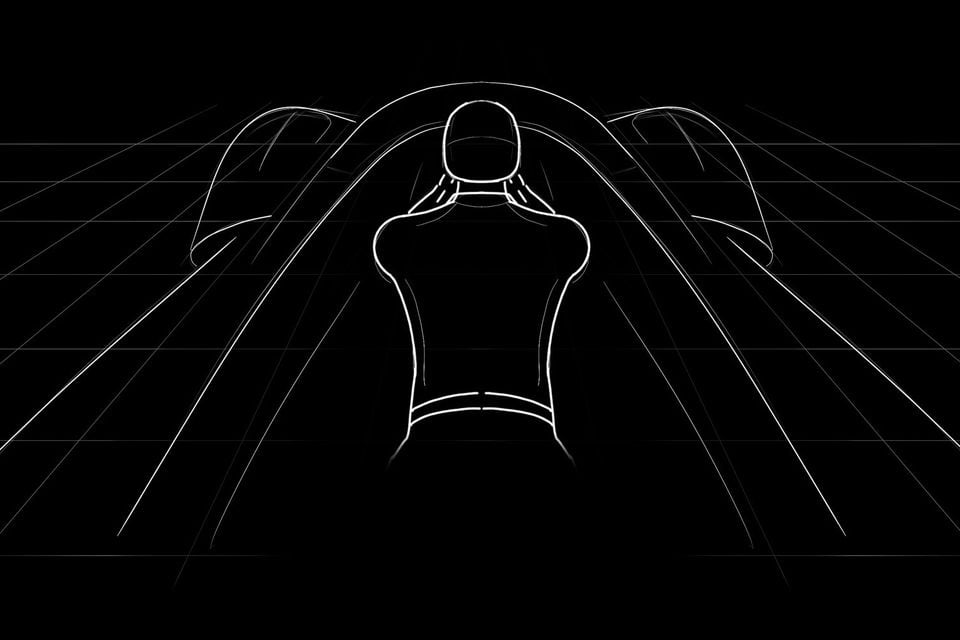
Sanrivatti says that by placing the driver in a central, forward-leaning position within the vehicle, rather than further behind the front axle in a reclined cockpit, Apex Position brings immersive benefits including enhanced body alignment, an extended field of vision, and controls designed around natural human movement.

The company claims proprietary Sanrivatti technologies currently under development will also enable the driver to move more naturally with the vehicle, helping to create a heightened sense of awareness, superior balance, and an enhanced feeling of connection during acceleration, braking, and cornering.
“For decades, the automotive industry has relentlessly evolved the driving machine yet rarely questioned the position of the human being inside it,” explains Mr Rivero.
“I became fascinated by the possibility that a different driving position could fundamentally change how a vehicle is experienced. So Sanrivatti was founded to explore that very possibility.
“For me, the question was never how to create more power or more speed. The question was how to create a deeper connection between driver and machine. Sanrivatti was founded with the belief that the human body should play a much greater role in shaping the driving experience. Everything we are developing today stems from that philosophy.”
Sanrivatti’s experienced management team includes executive director of technology partnerships Paul Arkesden, who over the past three decades has held roles including vice-president of engineering at Singer, head of engineering at McLaren Special Operations, and project leader for the McLaren P1 hypercar program.
“What attracted me to Sanrivatti was the originality of the thinking behind it,” he said. “The automotive industry has become incredibly effective at refining established ideas, however, opportunities to explore genuinely new perspectives are much rarer.
“The philosophy Santiago has envisaged and the solution being created places the human being at the very centre of the driving experience. That initiates fascinating opportunities from both an engineering and experiential perspective, and it is one of the reasons I became involved.”
Commercial strategic advisor Geoff Dowding, who has previously held senior executive roles at Lotus, Bentley and Harley-Davidson, said: “Throughout my career, I have seen many ambitious automotive projects, but what stands out about Sanrivatti is the clarity of the vision behind it.
“The team is not chasing trends or attempting to replicate what already exists. It is pursuing a genuinely differentiated idea, and that creates a compelling foundation for the future.”
So far Sanrivatti has revealed only these line drawings of its radical hypercar, but says it will announce more details in the coming months. For now, our only question is will it also feature handlebars with a twistgrip and brake lever/s?