
Two-and-a-half decades after Jaguar began its journey to become the British BMW, the brand is about to embark on a new voyage with a controversial design language, and a high-price, low-volume playbook.
In an interview with Top Gear, Rawdon Glover, managing director of Jaguar, said “Jaguar didn’t work commercially” when it was competing in the “volume premium space” that’s dominated primarily by BMW, Mercedes-Benz, Audi, and to a lesser degree Lexus and Volvo.
“So we were at a crossroads, because just continuing as we were and saying ‘well, let’s just do what we’re doing and sell more’, doesn’t work,” he continued.
Mr Glover was keen to point out that for most of its history Jaguar had a small range of high-end vehicles.
This changed in late 90s, during Ford’s ownership of the brand, when the brand began its quest to become the British BMW and started introducing smaller, more affordable models to slot in underneath the existing XJ sedan, and XK coupe and convertible.
CarExpert can save you thousands on a new car. Click here to get a great deal.

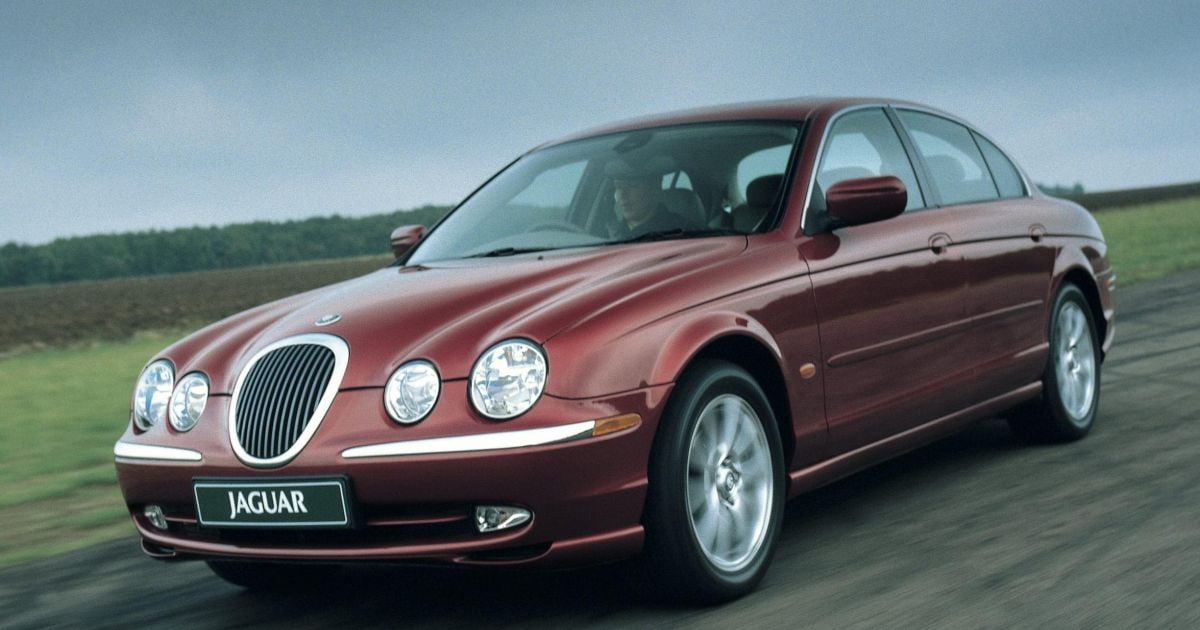
First with the retro S-Type in 1999 to take on the 5 Series, and then in 2001 there was the Mondeo-based X-Type to tackle the 3 Series, and which famously became Jaguar’s first front-wheel drive model.
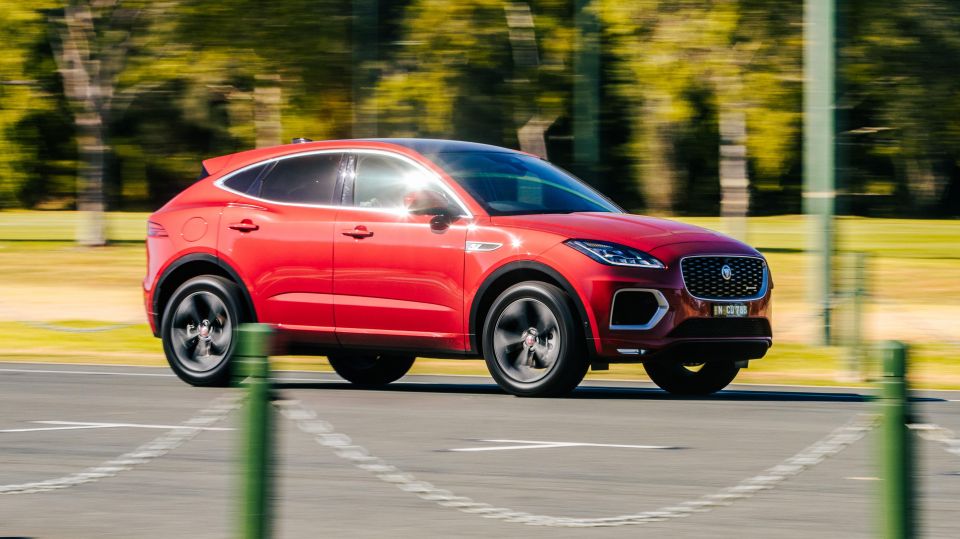
These were followed up, respectively, by the more modern XF in 2007, and XE in 2015. Jaguar also followed into competitors into the SUV arena with E-Pace and F-Pace.
Despite two decades of effort, Jaguar failed to reach Lexus levels, less alone challenge the Germans. In 2020, Jaguar sold 102,494 cars globally, while both BMW and Mercedes-Benz moved just a shade over 2 million units each. Audi sold just shy of 1.7 million cars, while Lexus (718,715) and Volvo (661,713) were also in a league beyond.
According to Mr Glover, prior to Jaguar’s gradual exit from the mainstream luxury sector its average transaction price in the UK was around £55,000 (A$111,000).
With its new range of boldly-styled EVs Jaguar is aiming for an average sale price of £120,000 (A$242,000). The managing director says the launch edition of its electric GT sedan will start from £140,000 (A$283,000).
This means the new Jaguar range will sit somewhere between the mainstream luxury brands, which top out at around £130,000, and Bentley and Rolls-Royce that typically sell for £200,000 (A$400,000) and beyond.
The first model in Jaguar’s relaunch will be a four-door GT with styling borrowed from the Type 00 concept. Mr Glover says public reaction mirrored what the company saw in its clinics, with some people getting it, others loathing it, and another group understanding it, but not feeling it.
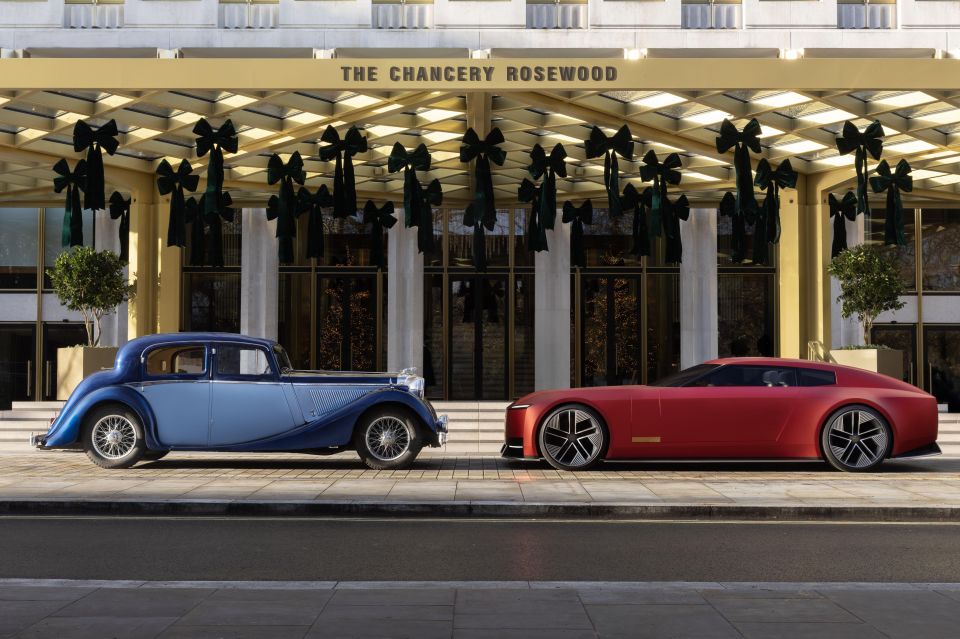
He went on to say, the design of the new models are purposefully different because the company wants to make cars that “people are talking about in 50 years’ time” and at their price point “people buy emotionally”.
Mr Glover also noted the E-Type wasn’t designed to be nice, but to be bold and “time will tell” if Jaguar got it right with its new EVs.