
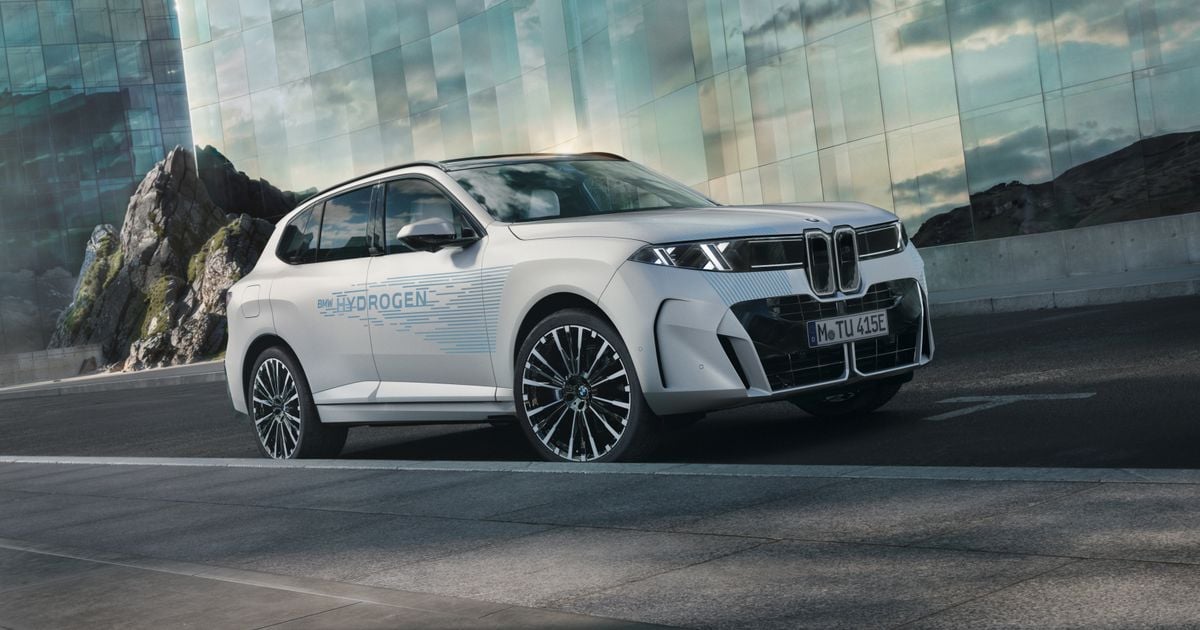
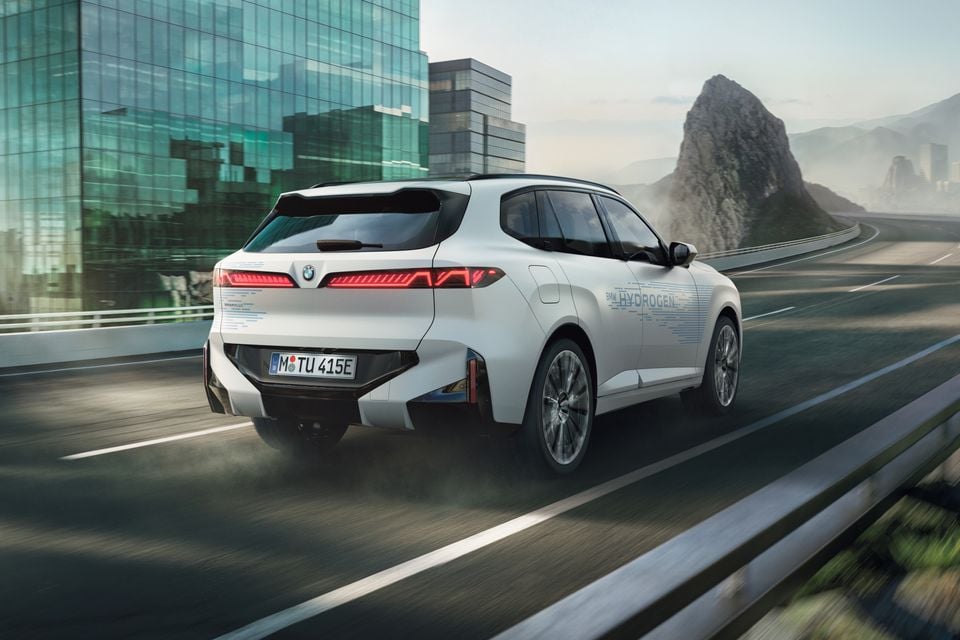
The new fifth-generation BMW X5 has been revealed with five powertrain types – petrol, diesel, plug-in hybrid (PHEV), electric (EV) and hydrogen fuel-cell (FCEV) – but Australians will miss out on the latter when the redesigned SUV lands here later this year.
BMW Australia pointed to limited infrastructure as the reason why it wouldn’t bring the X5 FCEV Down Under.
“It’s not planned for us at the moment,” BMW Australia’s head of product and market planning, Brendan Michel, told CarExpert.
Due to go on sale overseas in 2028, the X5 FCEV will be BMW’s first series-production hydrogen fuel-cell vehicle, which it says can be manufactured on the same assembly line as petrol, diesel and electric models.
It’ll use the automaker’s new Gen3 FCEV technology, developed with Toyota.
Looking for your next car? We’ll help you research and compare so you choose with confidence.
In Australia, only a handful of brands have offered hydrogen fuel-cell electric vehicles (FCEVs) locally, including Toyota with the Mirai sedan and Hyundai with the Nexo SUV – both introduced here in 2021.
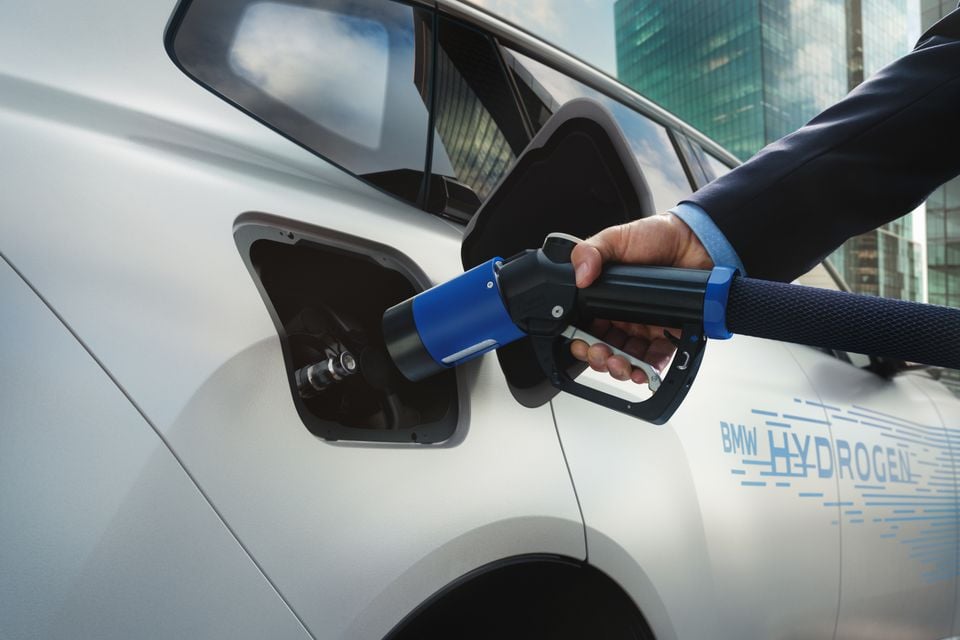
There are currently only six hydrogen filling stations in Australia, according to the latest CSIRO (Commonwealth Scientific and Industrial Research Organisation) data, including public and commercial sites.
Globally, BMW rival Mercedes-Benz has also developed hydrogen FCEVs, with Mercedes-Benz offering the GLC F-CELL SUV on a limited lease program in Germany until 2020.
BMW Australia has openly considered hydrogen – a technology the automaker has also experimented with for decades – for local showrooms, having previously brought an iX5 Hydrogen FCEV to Australia, which CarExpert tested in 2024.
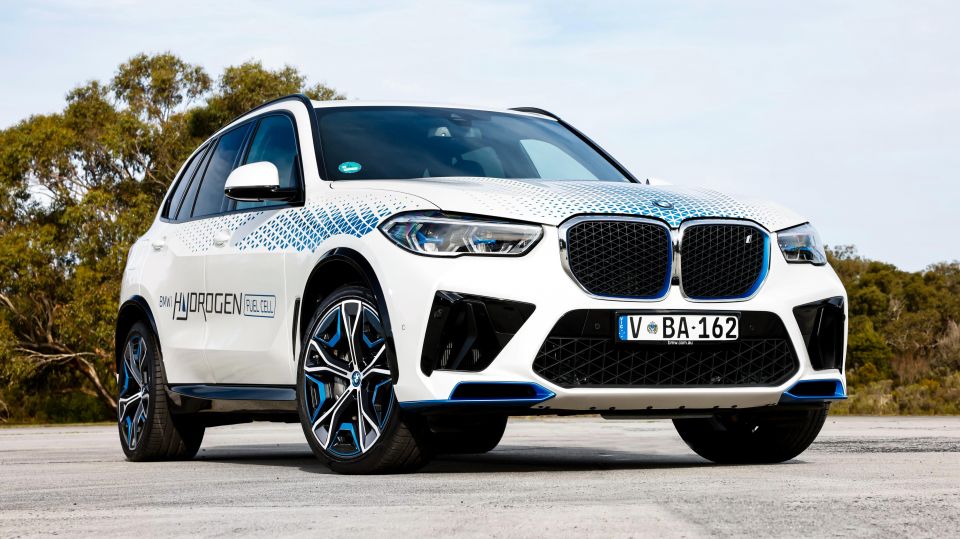
Badged iX5 – as the upcoming electric and hydrogen X5s will be – the test model used a 125kW fuel cell to convert compressed hydrogen into electricity, feeding a battery pack of less than 10kWh which powered the rear-mounted electric motor.
Full details of the new-generation X5 FCEV haven’t been announced, though it’ll have a claimed 750km of range. Refuelling will take under five minutes, and all-wheel drive will be standard.
While ruling out hydrogen for now, Mr Michel was coy on the percentage of sales each powertrain would make up for the new X5 in Australia.
The new model will kick off with the X5 40 xDrive petrol and X5 40d xDrive diesel – both with 48V mild-hybrid technology – due here by the end of 2026.
“What we know at the moment, even last year’s full year results – 65 per cent of what we sold was diesel, so we know diesel still going to remain in 65 per cent [range] in Australia,” the BMW product planner said.
BMW Australia delivered 3673 examples of the current X5 in 2025 – a year-on-year gain of 16.3 per cent – with diesel accounting for about 2388 of those sales.
“[The diesel is] one of our highest-selling individual variants that we bring into the Australia market; it ticks all boxes from performance, power, torque, efficiency, touring and towing capabilities,” said Mr Michel.
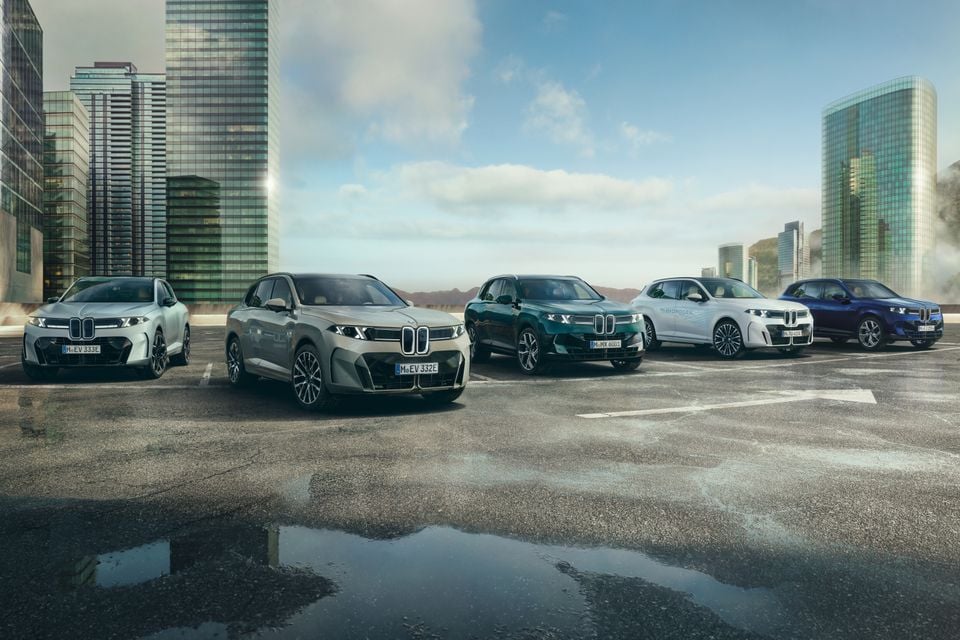
“We’ll still keep that with this new generation, but now we’ll also have a fully electric offering, which offers really impressive driving range as well as up to 845 kilometres from one single charge”.
The electric iX5 and plug-in hybrid X5 are due in Australia by mid-2027.
“That might see our customers maybe move start to slowly move away from diesel or internal combustion and into fully electric, plus we expect this to conquest a lot of our of our competitors,” Mr Michel said.