
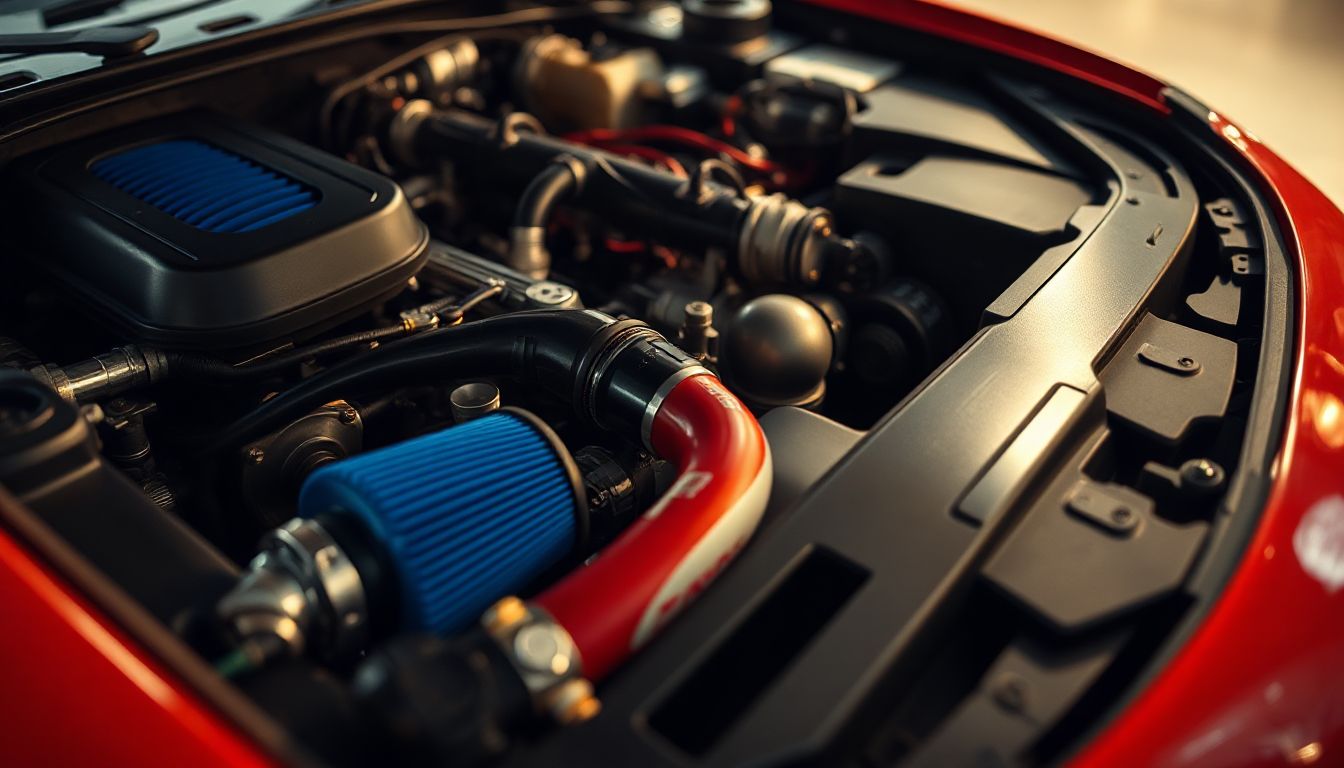
Cheap car mods performance. You crave that extra kick from your engine. More horsepower means quicker acceleration and pure driving joy. Yet many think big power demands big bucks. Wrong. You can snag solid gains with smart budget mods under $500. These tweaks target weak spots in your car’s setup. They deliver real results without draining your wallet. Budget mods mean upgrades costing less than $500 each. They’re perfect for daily drivers and gearheads alike. Expect noticeable boosts, like 5-15 extra horses, not supercar levels. Let’s dive into affordable ways to wake up your ride.
Section 1: Foundational Maintenance – The Cheapest Power You Can Buy
Start here. Basic upkeep often unlocks hidden power. Your engine runs best when it’s clean and tuned. Skip this, and fancier mods fall flat.
Comprehensive Tune-Up: Fresh Fluids and Filters
Dirty parts choke your engine’s output. Swap out old spark plugs first. Gap them right for better spark. This alone can add a few horses by firing fuel cleanly.
Air filters matter too. A clogged one starves the motor. Grab a high-flow drop-in filter for under $50. It lets in more air, boosting efficiency by 2-5 HP on most cars.
Don’t forget fluids. Fresh oil and coolant keep things smooth. Check them monthly. This prevents drag and supports steady power.
Clean the throttle body and MAF sensor with a spray kit. Costs about $10. It removes gunk that slows response. Your car feels peppier right away.
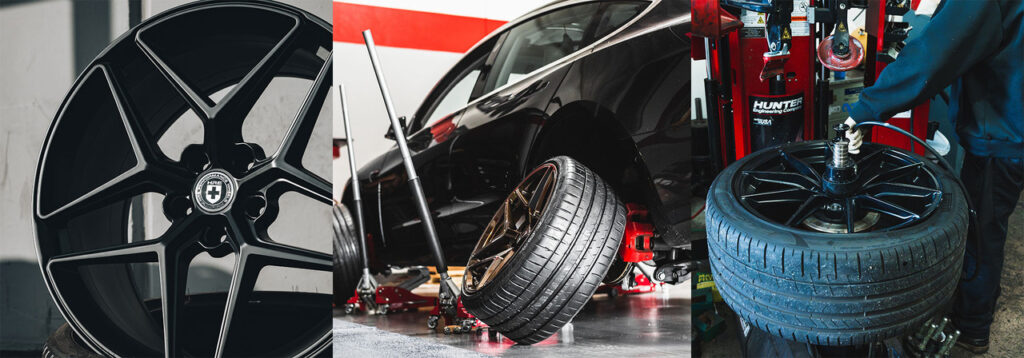
The Power of Proper Tire Pressure and Alignment
Tires grip the road. Underinflated ones create drag. They steal power before it hits the pavement.
Pump them to the specs on your door sticker. This cuts rolling resistance. You might save 1-2% on fuel and feel quicker starts.
Alignment fixes pull and uneven wear. A shop charges $75-100. Straight wheels transfer power better. No more wasted energy fighting scrub.
Think of it like a bike chain. Loose links slow you down. Aligned tires keep the drive clean.
Decarbonization and Fuel System Cleaning
Carbon builds up over miles. It coats valves and clogs injectors. This messes with combustion and drops efficiency.
Pour in a good fuel system cleaner every 5,000 miles. Brands like Sea Foam work for $10 a bottle. It dissolves junk and restores flow.
Follow maker guidelines. Most say clean every 30,000 miles or so. This tweak can free up 3-5 HP by improving burn.
Run a tank through it. Notice smoother idle and better throttle snap. It’s cheap insurance against power loss.
Section 2: Breathing Easier – Maximizing Airflow for Cheap
Engines need air like lungs need oxygen. Stock setups restrict flow. Loosen that up without spending a fortune.
These mods help your motor gulp more. Gains stack with maintenance. You get that growl and pull you want.
High-Flow Drop-In Air Filters vs. Cold Air Intakes (CAI)
Drop-ins fit right in your airbox. They cost $30-60. Swap the stock paper for reusable foam or cotton. Gains? About 2-4 HP from freer breathing.
Cold air intakes pull cooler outside air. Entry models under $200 add pipes and a cone filter. On a Honda Civic, dyno tests show 5-7 HP up top.
CAIs shine on naturally aspirated cars. They reduce heat soak too. Pick one with a heat shield for best results.
Compare costs. Drop-ins are quick DIY. CAIs need more install time but pay off in sound and speed.
- Pros of drop-ins: Easy, cheap, no tools needed.
- Pros of CAIs: Bigger gains, better looks under the hood.
Improving Exhaust Flow with Muffler Upgrades
Backpressure hurts scavenging. Gases need to exit fast for fresh air to enter. A stock muffler often chokes this.
Swap to an axle-back system or high-flow muffler for $150-300. It bolts on without welding. Expect 3-5 HP from less restriction.
This adds a deeper tone too. Feels sporty without drone. On trucks like the Ford F-150, it wakes up the V8 nicely.
Focus on cat-back if budget allows, but muffler alone works. It frees top-end pull. Your passes feel stronger.
Porting and Polishing Stock Components (DIY Approach)
Got tools? Smooth your intake paths yourself. Port the throttle body edges lightly. This cuts turbulence.
Clean runners with a kit. No need to grind much. Just even the surfaces for better flow.
Labor’s free if you DIY. Gains hit 4-8 HP on older engines. Practice on scrap first.
Warn: Overdo it and you hurt vacuum. Keep it mild. YouTube guides help beginners.
Section 3: Electronic Tweaks – Unleashing Hidden Potential
Your car’s computer limits power. Stock tunes play safe. Adjust maps to squeeze more.
These hacks tap factory potential. No major rewiring needed. Stay under budget and legal.
The OBD-II Port Advantage: Reflashing and Tuning Devices
Every modern car has an OBD-II plug. Handheld tuners like the Hypertech plug in for $200-400. They flash base maps.
Tweak timing and fuel curves. Naturally aspirated rides gain 5-10 HP. Turbos see more from boost tweaks.
On a Subaru WRX, users report quicker spool. Check forums for your model. It’s reversible too.
Pick one with data logging. Monitor air-fuel mix. This ensures safe runs.
Correcting Factory Air/Fuel Ratios with O2 Sensor Spacers (For Off-Road Use Only)
Emissions setups run lean sometimes. Spacers fool the O2 sensor. They cost $20 and thread on.
This richens the mix for power. But only for off-road or track. Street use voids warranties and breaks laws.
Gains? 5-10 HP on tuned motors. Test on a dyno. Emissions tests fail with this.
Legal note: Tamper at your risk. Stick to compliant mods for daily drives.
Improving Throttle Response with Pedal Commanders
Drive-by-wire throttles lag. Pedal commanders sharpen input. Devices under $300 remap the signal.
No real HP add, but it feels alive. Mash the pedal and go. No delay.
On Jeeps or trucks, it transforms off-road snap. Modes let you pick sport or eco.
Users love the instant response. It’s like shedding 100 pounds. Pair with other mods for max fun.
Section 4: Drivetrain Efficiency and Traction
Power’s useless if it doesn’t reach the wheels. Cut losses in the chain. These tweaks free up horses.
Efficiency mods pay quick. Low cost, high return. Your car hooks better too.
Upgrading Drivetrain Lubricants
Stock gear oil thickens over time. It creates drag in diffs and trans. Switch to synthetic for $50-100 a change.
Lower friction means more power down. Gains equal 2-5 HP at the wheels. Smoother shifts too.
Change every 30,000 miles. For AWD cars like Audis, it’s key. Keeps clutches happy.
DIY with a jack. Drain, refill, done. Feels like a refresh.
Lightweight Pulley Kits (Underdrive vs. Full Replacement)
Heavy stock pulleys rob power. They spin accessories like alternators. Underdrive kits slow them a bit for $100-250.
This cuts parasitic loss. Free up 5-8 HP. Full aluminum swaps under $400 reduce mass more.
On Mustangs, dynos confirm the bump. Less weight spins easier. Crank works less hard. cheap car mods performance
Note: Check belt tension. Overdo underdrive and lights dim. Balance is key.
Performance Spark Plugs and Coil Packs

Iridium plugs last longer and fire hotter. Gap to spec for $40 a set. They improve burn for 2-4 HP.
If coils weaken, upgrade packs for $150. Stronger spark on high-mile cars. No misfires.
Focus on heat range match. Wrong ones hurt. Brands like NGK fit most.
Test with a scanner. Weak coils sap power. Fresh ones restore zip.
Conclusion: Sustaining Your Budget Power Build cheap car mods performance
You now know top budget mods to boost horsepower. Start with maintenance for free gains. Add air and exhaust tweaks next for easy wins. Electronic bits unlock more, but stay safe.
The big three? Tune-up, high-flow filter, and synthetic fluids. They cost little and deliver big. Use saved cash for bigger projects later.
Build smart. Track your changes with a log. Enjoy the ride as it grows. What’s your first mod? Hit the road and feel the difference.
[…] Another pick: Team O’Neil in New Hampshire. They blend rally with open-wheel basics. Great for versatile skills. […]
[…] Hybrid sports cars amp up what you love about speed. They mix quick electric hits with engine heart. No more trade-offs; you gain torque and smarts. […]