
BMW’s modern car lineup lives in a strange, fascinating tension. On one hand, the brand is still engineering some of the best-driving luxury sedans and coupes on the planet. On the other hand, complexity has crept in like kudzu. Screens everywhere. Electrification in stages. More trims than anyone needs. Reliability, once assumed or ignored depending on your tolerance for warning lights, has become part of the conversation again.
Using J.D. Power’s reliability scores, here’s how BMW’s 2026 car lineup actually stacks up. This isn’t about which one is fastest or most prestigious. It’s about which BMWs are most likely to keep doing BMW things without asking for your time, patience, or a relationship with a shop manager.

The Most Reliable BMWs Of The 1990s That Still Run Strong
If you want the best the era had to offer, it was likely one of these picks.
2026 BMW 7 Series
J.D. Power Reliability Score: 86

The surprise winner, at least on paper, is BMW’s biggest, most technologically loaded sedan. The 7 Series has no business being the reliability champ, yet here it is, topping the chart with that “big ol’ face.” At least part of this success comes down to maturity. BMW has spent decades refining its flagship architecture, and while the tech is cutting-edge, much of the mechanical foundation is well understood.

The 2026 BMW 7 Series continues with a range of powertrains, including turbocharged six-cylinder and V8 options, along with the fully electric i7. The gas models lean heavily on the B58 inline-six and the latest iteration of BMW’s V8, both paired with the familiar ZF eight-speed automatic. Air suspension, rear-wheel steering, and a rolling IMAX screen inside don’t exactly scream “simple,” but the execution has proven more stable than skeptics expected.
What makes the 7 Series unique in the lineup is that it’s designed to be insulated, not edgy. Owners tend to drive them gently, maintain them properly, and option them carefully. Reliability here isn’t about fewer parts; it’s about BMW finally learning how to make complexity behave.
- Average Yearly Maintenance Cost: $1060 (RepairPal)
- Est. Maintenance Cost During The First 10 Years: $16,021(CarEdge)
- Total Recalls: 2 (2025)
- Worst Years To Buy Used: 2002, 2003


Find 2026 BMW 7 Series and more cars for sale on our Marketplace
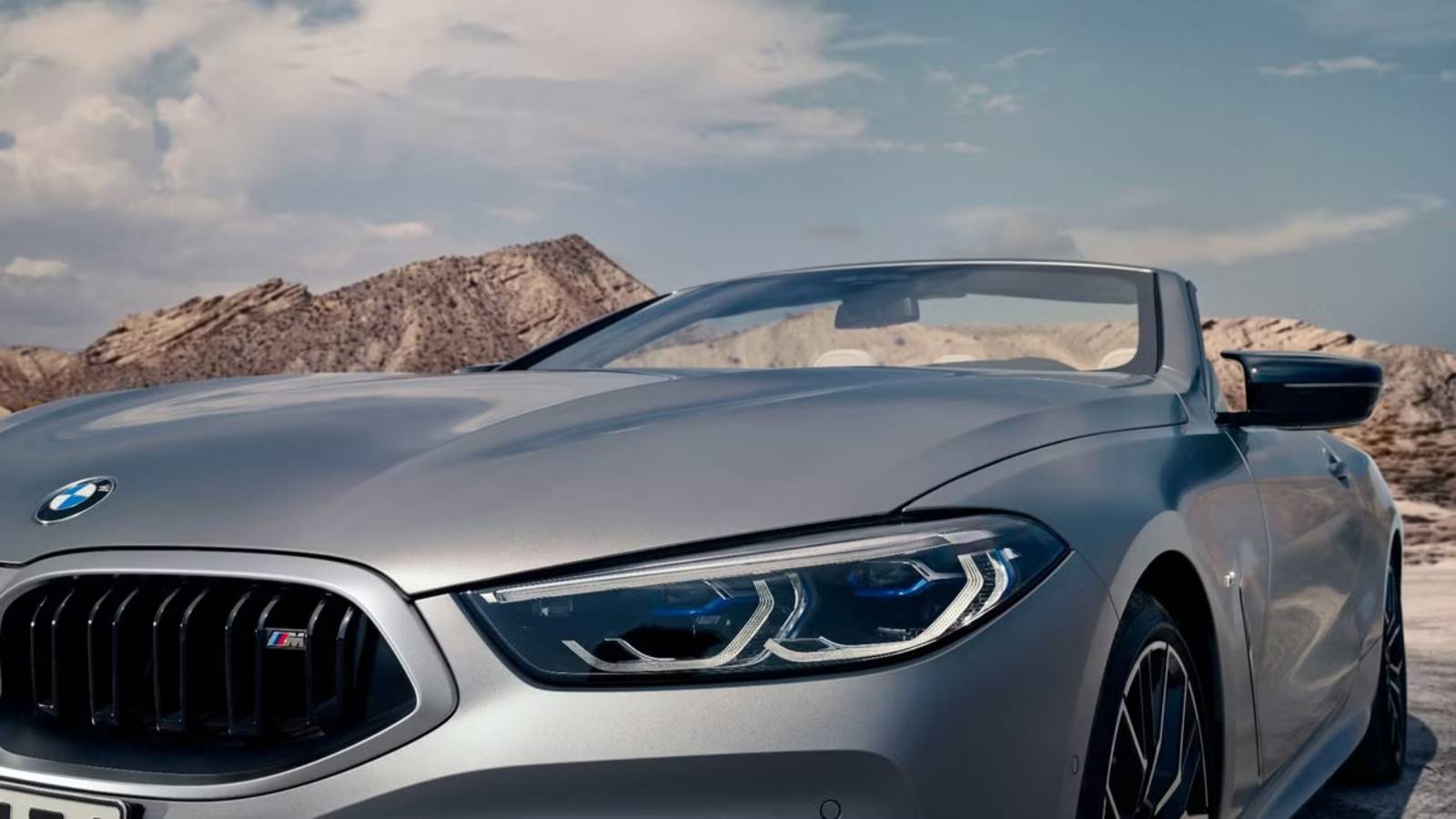
2026 BMW 8 Series
J.D. Power Reliability Score: 85

The 8 Series sits in a strange, almost old-school place within BMW’s range. It’s expensive, glamorous, and increasingly rare, which may actually work in its favor. The 2026 8 Series lineup includes coupe, Gran Coupe, and convertible body styles, all built on a platform that emphasizes stiffness and refinement over novelty.

Powertrains range from turbocharged inline-six engines to the full-fat V8 found in the M850i. The key here is that BMW hasn’t rushed radical changes into the 8 Series. The engines are familiar, the transmissions proven, and the electronics are largely shared with other models that have had time to settle.
Reliability-wise, the 8 Series benefits from being a low-volume, premium product. Buyers tend to spec them conservatively, and BMW tends to lavish more attention on assembly and materials. It’s not a cheap car to own, but it’s a surprisingly stable one, especially considering how much performance is on tap.
- Average Yearly Maintenance Cost: $1,207(RepairPal)
- Est. Maintenance Cost During The First 10 Years: $16,234 (CarEdge)
- Total Recalls: 1
- Worst Year To Buy Used: 2018
Find 2026 BMW 8 Series and more cars for sale on our Marketplace
2026 BMW 4 Series
J.D. Power Reliability Score: 84

The 4 Series has aged into itself. Early controversy over styling has faded, leaving behind a genuinely competent lineup of coupes, convertibles, and Gran Coupes that sit comfortably between sport and daily usability. By 2026, the mechanical formula is well established.

The 2026 4 Series models get a choice between BMW’s turbocharged four-cylinder or six-cylinder engines, paired with rear-wheel drive or xDrive all-wheel drive. The B48 and B58 engines have proven to be among BMW’s most reliable modern powerplants, especially when left largely stock and maintained on schedule.
The 4 Series also benefits from scale. It shares components with the 3 Series but avoids some of the fleet and high-mileage abuse that the smaller sedan sees. The result is a car that feels sporty without being fragile, and modern without feeling experimental. That balance shows up clearly in the reliability score.
- Average Yearly Maintenance Cost: $968 (RepairPal)
- Est. Maintenance Cost During The First 10 Years: $9,828 (CarEdge)
- Total Recalls: 1
- Worst Year To Buy Used: 2016

10 Used BMW M Models That Are Affordable In 2025
The used market offers plenty of opportunities for enthusiasts to experience BMW’s Motorsport engineering without breaking the bank.
Find 2026 BMW 4 Series and more cars for sale on our Marketplace
2026 BMW 3 Series
J.D. Power Reliability Score: 81

The 3 Series remains the backbone of BMW’s brand identity, even as SUVs dominate sales charts. For 2026, it continues as a compact luxury sedan offered with turbocharged four-cylinder and six-cylinder engines, rear-wheel or all-wheel drive, and a broad trim structure that ranges from sensible to properly quick.

Reliability here is good, but not exceptional, largely because the 3 Series lives a harder life. These cars are driven more aggressively, leased more often, and maintained less lovingly than BMW’s higher-end sedans. That reality matters. The hardware is solid, but the usage pattern introduces more variability.
Still, the 3 Series benefits from decades of refinement. Steering, suspension, and drivetrain components are well sorted, and the core mechanicals have few surprises left. As long as buyers resist the temptation to over-option or ignore maintenance schedules, the 2026 3 Series remains one of the safer bets in BMW’s catalog.
- Average Yearly Maintenance Cost: $748 (RepairPal)
- Est. Maintenance Cost During The First 10 Years: $14,345 (CarEdge)
- Total Recalls: 3
- Worst Years To Buy Used: 2006–2011
Find 2026 BMW 3 Series Sedan and more cars for sale on our Marketplace
2026 BMW 2 Series
J.D. Power Reliability Score: 81

Sharing a score with the 3 Series but living a very different life, the 2 Series is BMW’s smallest and most driver-focused car. Available as a coupe or Gran Coupe, depending on configuration, it straddles the line between entry-level luxury and genuine enthusiast appeal.

Most 2026 BMW 2 Series models rely on turbocharged four-cylinder engines, while the M240i uses the excellent B58 inline-six. Rear-wheel drive remains part of the appeal on certain trims, which also helps simplify the mechanical layout compared to all-wheel-drive-heavy rivals.
The 2 Series tends to do well reliability-wise because it’s relatively light, relatively simple, and not overloaded with luxury systems. When things do go wrong, they’re usually related to electronics or wear items rather than core drivetrain failures. It’s a small BMW that behaves like one, for better and mostly for better.
- Average Yearly Maintenance Cost: $922 (RepairPal)
- Est. Maintenance Cost During The First 10 Years: $14,479 (CarEdge)
- Total Recalls: 0
- Worst Years To Buy Used: 2014, 2015
2026 BMW 5 Series
J.D. Power Reliability Score: 77

At the bottom of the list sits the 5 Series, which is less an indictment than a reflection of its position in BMW’s transition phase. The 5 Series has historically been one of BMW’s strongest all-around sedans, but the latest generation introduces a lot of new tech all at once.
The 2026 BMW 5 Series spans traditional gas models, mild hybrids, and increasingly electrified variants. Engines remain competent and familiar, but the surrounding systems, infotainment architecture, and driver assistance tech are newer and more complex than what’s found in smaller BMWs.

Reliability concerns here tend to cluster around software, sensors, and integration rather than mechanical failure. The 5 Series is still a comfortable, capable, and deeply competent luxury sedan, but it asks more of its owner in terms of updates, troubleshooting, and patience.
- Average Yearly Maintenance Cost: $825 (RepairPal)
- Est. Maintenance Cost During The First 10 Years: $9,941 (CarEdge)
- Total Recalls: 4
- Worst Year To Buy Used: 2003

The Last BMW 7 Series To Offer A Manual Transmission Is Now A Luxury Bargain
The E38 BMW 7 Series was highly regarded as one of the best generations, mainly due to its slick-shifting transmission.
TopSpeed’s Take
Taken as a whole, BMW’s 2026 car lineup paints a clear picture. We have to start talking about BMW a little differently. The biggest and most expensive cars, once assumed to be liabilities, now lead the pack thanks to careful engineering and conservative design. The middle of the lineup remains strong, while transitional models carry the expected growing pains. None of these cars are unreliable in the absolute sense. But some are better suited to buyers who want to drive rather than debug.