
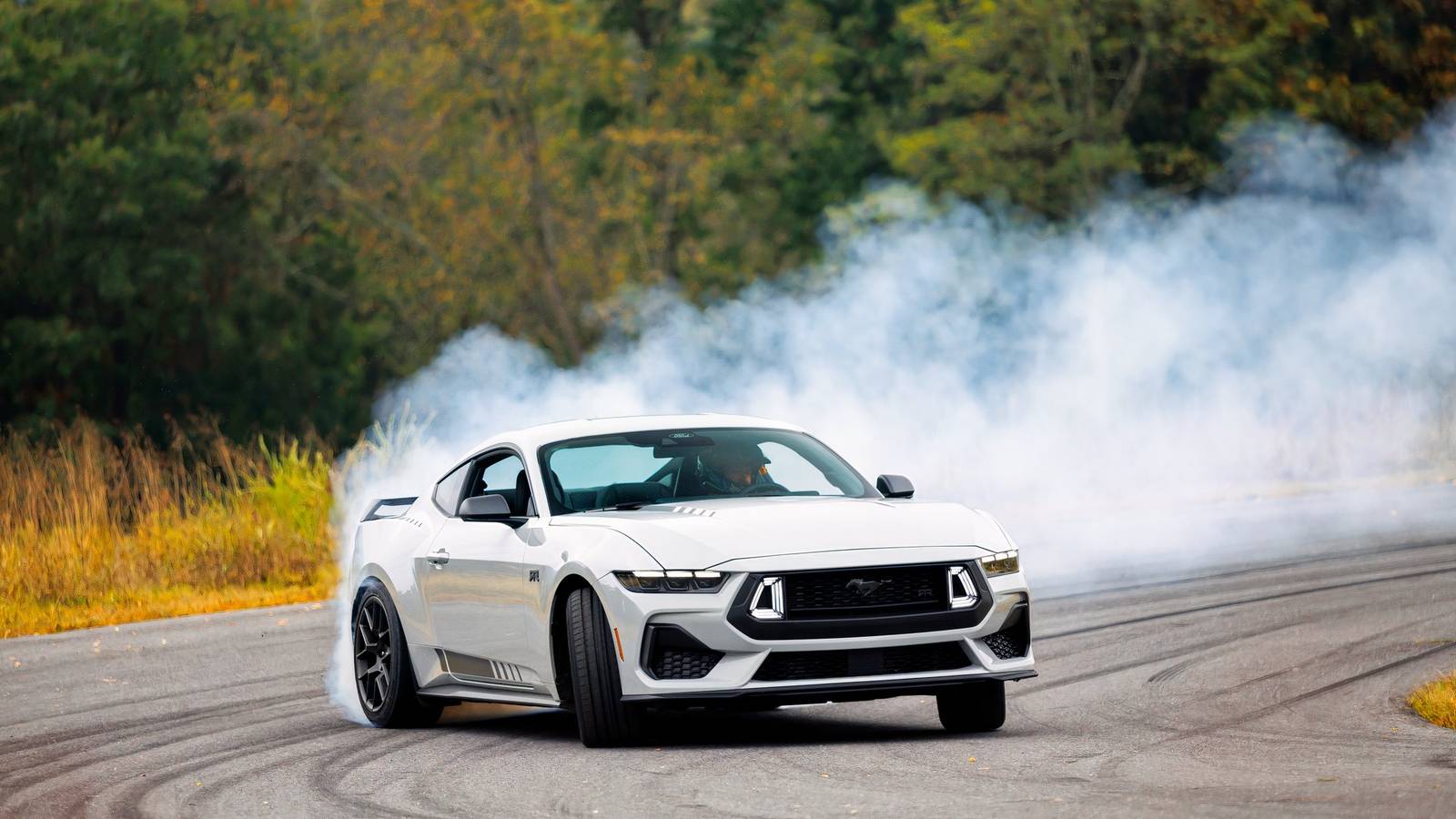
For decades, the debate between all-wheel drive and rear-wheel drive has defined the character of sports cars as much as engine placement or body style. Ask any enthusiast, and you’ll quickly find that this isn’t a purely technical discussion; it’s an emotional one. RWD loyalists will talk about balance, purity, and the intimate connection between throttle and rear axle. AWD advocates will counter with confidence, consistency, and the ability to deploy big power without drama. Both sides are right, which is precisely why the decision is so personal.
Modern performance cars have blurred the lines more than ever. Advanced traction control systems, torque-vectoring differentials, and electronically controlled center clutches mean today’s AWD sports cars can feel surprisingly playful, while modern RWD machines are more approachable and safer than their predecessors. Cars like the Porsche 911 Turbo, Nissan GT-R, and BMW M4 xDrive coexist with purist icons like the Mazda MX-5, Toyota GR86, and Chevrolet Corvette, all delivering wildly different interpretations of speed.
The real question isn’t which drivetrain is “better,” but which one aligns with how you drive, where you drive, and what you expect from a sports car. From back road blasts to daily commuting, track days to wet-weather confidence, the AWD vs RWD decision shapes far more than just acceleration figures; it defines the entire ownership experience.
Traction vs. Tradition: Why AWD Delivers Confidence While RWD Preserves Purity

All-wheel drive’s biggest advantage is simple and undeniable: traction. By sending power to all four wheels, AWD allows a sports car to put its performance to the ground more effectively, especially when conditions aren’t perfect. Whether it’s cold pavement, rain-soaked roads, or dusty surfaces, AWD cars inspire confidence where RWD machines demand restraint. This is why high-horsepower modern performance cars increasingly rely on AWD to manage output that would have been unthinkable a generation ago.

Rear-wheel drive, however, carries with it decades of motorsport heritage and enthusiast appeal. There’s a mechanical honesty to RWD that many drivers find irresistible. Steering is uncorrupted by driven front wheels, throttle inputs directly influence the car’s attitude, and balance becomes something you actively manage rather than something electronics quietly optimize. For purists, this is the essence of a sports car: the rear tires do the pushing, the front tires do the guiding, and the driver does the thinking.
That tradition still matters because it shapes how a car feels even at modest speeds. A lightweight RWD coupe can be engaging at 40 mph on a winding road, whereas many AWD performance cars only begin to feel alive when you’re exploiting their grip and power. AWD delivers confidence and capability, but RWD delivers character, and depending on what you value, that distinction can outweigh raw numbers.

10 Used Rear-Wheel-Drive Cars Under $15,000
Most rear-wheel-drive cars wear luxury badges or sporty attributes. Can you find some great used RWD cars for under $15,000? Here’s your answer.
Power Down Or Play Around: How Drivetrain Choice Shapes Driving Style

AWD sports cars reward assertive driving. You can get on the throttle earlier, harder, and with fewer consequences, trusting the system to apportion torque where it’s needed most. This makes AWD cars incredibly fast point-to-point machines, particularly on unfamiliar roads or in changing conditions. Drivers tend to brake later, accelerate sooner, and rely on grip rather than finesse, which can feel both empowering and reassuring.

RWD cars encourage a more nuanced approach. Throttle modulation becomes a skill rather than a command, and weight transfer plays a central role in how the car behaves. Power oversteer isn’t just a party trick; it’s feedback. Even when you’re not sliding, the awareness that the rear tires are doing all the work creates a heightened sense of involvement. You’re not just driving the road; you’re negotiating with it.
This difference in driving style often determines long-term satisfaction. Some drivers prefer the clinical precision of AWD, where performance is repeatable, and confidence is constant. Others crave the engagement of RWD, where each drive feels slightly different, and mastering the car becomes part of the enjoyment. Neither is objectively superior, but they ask different things of the person behind the wheel.

Here’s Why The V8 Engine Is Still King In A Downsizing World
Today, where downsizing and electrification dominate headlines, the V8 engine continues to hold a special place in the hearts of car enthusiasts.
Lap Times, Launches, And Real-World Roads: Performance Where It Actually Matters

On paper, AWD almost always wins the headline numbers. Quicker 0–60 mph times, better launches, and more consistent lap times give AWD sports cars a measurable advantage in controlled testing. This is why many of today’s quickest production cars, especially those with 500 horsepower or more, rely on AWD to deliver their performance without overwhelming the rear tires.

On a racetrack, AWD can be both a blessing and a limitation. While it offers tremendous corner-exit traction, it often carries extra weight and complexity that can blunt agility. Skilled drivers may find RWD cars more adjustable at the limit, easier to rotate mid-corner, and more communicative when grip begins to fade. Lap times might be slightly slower, but the sense of control can be greater.
In the real world, conditions matter more than tenths of a second. On imperfect roads, AWD provides usable performance more often, especially if you live in a climate with frequent rain or variable surfaces. RWD shines on dry, flowing roads where balance and feel take precedence over outright grip. The question becomes less about ultimate speed and more about how often you can actually enjoy what the car has to offer.

The Best New AWD Sports Cars In 2025
Automakers in 2025 are doubling down on AWD performance, giving us everything from track-ready German bruisers to the final form of a Japanese legend.
Weight, Balance, And Feel: The Hidden Trade-Offs Beneath The Bodywork

AWD systems don’t come for free. Extra driveshafts, differentials, clutches, and half-shafts add weight, often to the front of the car. This can affect steering feel, turn-in response, and overall balance. Engineers work tirelessly to mitigate these effects, but physics is stubborn. Even the best AWD sports cars tend to feel more planted than playful.

RWD layouts are inherently simpler and lighter, which pays dividends in feedback and responsiveness. With fewer components between the engine and the driven wheels, throttle response can feel more immediate, and steering often benefits from reduced mass over the front axle. This is why lightweight RWD sports cars frequently punch above their weight in terms of driver engagement.
That said, modern AWD systems have evolved dramatically. Torque-vectoring differentials can actively send power to the outside wheels, sharpening turn-in and reducing understeer. Some AWD cars even allow partial or full rear-drive modes, blurring the line between the two philosophies. Still, when it comes to purity of feel, simplicity remains a powerful advantage.
Choosing The Drivetrain That Fits Your Life

Ultimately, the right drivetrain depends on how you plan to use your sports car. If it’s a daily driver that sees all weather conditions, AWD offers peace of mind and effortless performance you’ll appreciate every single day. It’s the safer, more versatile choice for drivers who want speed without stress.

If your driving is more recreational; weekend canyon runs, track days, or sunny-road enjoyment, RWD may deliver more satisfaction per mile. It rewards learning, sharpens skills, and turns even modest speeds into memorable experiences. For many enthusiasts, that emotional connection outweighs the benefits of extra traction.
The AWD vs RWD debate persists because both approaches serve different priorities. One emphasizes capability and confidence, the other emphasizes connection and character. Knowing which one resonates with you isn’t about spreadsheets or spec sheets, it’s about understanding what you want to feel every time you turn the key and press the accelerator.