
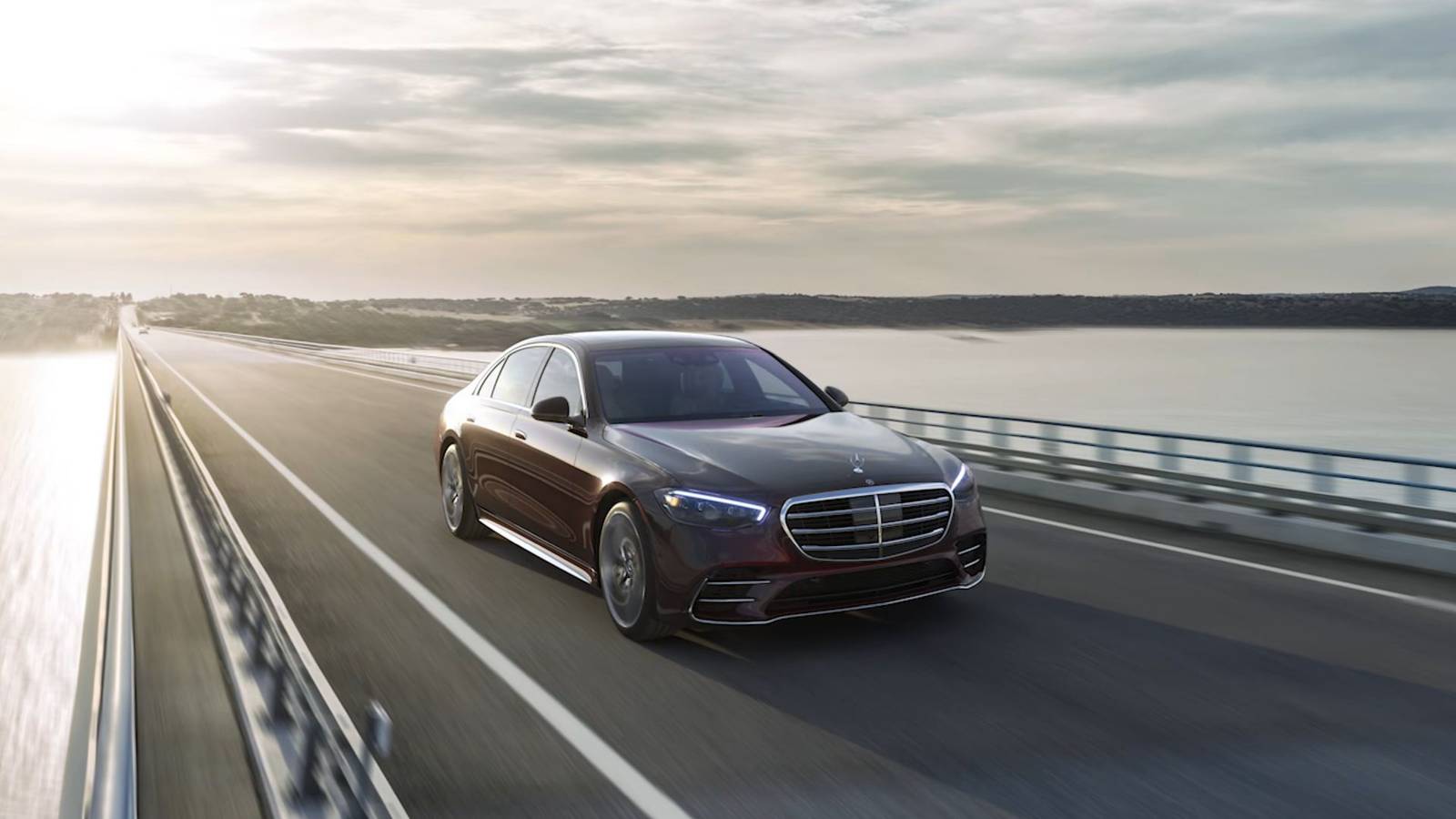
Buying a luxury car is rarely a purely logical decision. It’s mostly emotion and sentiment that rule the brain. The smell of fresh leather, the soft thunk of a well-weighted door, and the way the badge sits on the hood all seem to whisper that you’ve arrived. For many owners, the first few weeks feel like a honeymoon. Every drive is an occasion, every parking glance a quiet flex. But talk to people who’ve lived with a luxury car for a few years, and the story gets a little more layered.
The love is still there, but it’s tempered with lessons learned the hard way. Unexpected costs, small annoyances that grow louder over time, and features that wowed at first and now feel just fine. It’s not about regret, but more about perspective. Here’s what luxury car owners often wish they’d known before signing on the dotted line.
The Sticker Price Is Only The Opening Act
That Number On The Window Sticker Is Just The Cover Charge

Luxury cars come with a higher cost of living, and it shows up in places buyers don’t always factor in. Insurance premiums jump, sometimes quite dramatically, simply because parts are expensive and repairs take longer. Registration fees and taxes can also scale with vehicle value, quietly inflating annual costs.

Then there’s fuel. Many luxury cars demand premium fuel, and they’re rarely shy about drinking it. Even models marketed as “efficient” can surprise you once real-world driving kicks in. Owners often say they’ve budgeted for the purchase, but not for the lifestyle that came with it.
Options Add Up Quickly, But Rarely Pay Back

Paint-to-sample colors, upgraded wheels, premium audio systems, bespoke interiors. Each option feels small in isolation, but altogether can add thousands, sometimes tens of thousands, to the final price. The surprise comes later, when resale time arrives. Most options don’t significantly increase resale value. Buyers in the used market care more about condition and mileage than whether the stitching was contrast-threaded. Some owners usually say they’d choose fewer options the second time around, focusing only on features they truly use every day.

Why Pre-Owned Luxury Cars Are The Smartest Buys In Today’s Market
Luxury cars offer us comfort, style, and bragging rights, but they can cost a lot – find out why a pre-owned luxury car could be your next smart buy.
Comfort Is Not Guaranteed
Luxury Doesn’t Always Mean Plush

Some luxury cars prioritize performance, handling, and sharp responses over ride comfort. Low-profile tires, stiff suspension setups, and sporty seats can turn rough roads into daily reminders of compromise. Many buyers assume luxury equals comfort across the board, only to discover that certain models are more “athlete in a tailored suit” rather than “first-class lounge.” Long-term owners often say they wish they’d spent more time driving the car on bad roads before buying, and not just smooth test routes.
Tech Ages Faster Than You Think

Luxury cars are packed to the gills with tech: digital instrument clusters, massive infotainment screens, and advanced driver aids. At first, it feels like you’re piloting the future. But tech evolves fast, especially these days, and cars don’t update like smartphones. Within a few years, interfaces can seem dated, graphics could look older, and systems may feel slower. Wireless features that were once cutting-edge become standard on far cheaper cars. Owners often say the mechanical parts still feel solid, but the tech starts to betray the car’s age. Ironically, simpler luxury cars with fewer screens sometimes age more gracefully.

Certified Pre-Owned 101: What It Means And When It Makes Sense
What does “certified pre-owned” mean when buying a used car, and how can it be good for you? Find out what you need to know about CPO used cars here.
Dealer Experience Can Be A Double-Edged Sword
Luxury Dealerships Can Feel Like Five-Star Hotels

Complimentary coffee, plush waiting areas, and courteous staff; all of this is part of the brand experience. But that polish sometimes masks high labor rates and pricey service recommendations. Owners often learn to read service invoices carefully and ask questions. Building a relationship with a trusted service advisor or independent specialist can make ownership far less stressful.
Maintenance Isn’t Optional, It’s Sacred

Service schedules are tighter, parts are more specialized, and skipping maintenance can lead to expensive consequences. What feels like a minor delay can snowball into warranty issues or mechanical problems that cost more than expected. Even routine items like brake pads, tires, and batteries tend to cost more. Performance-oriented luxury cars often chew through consumables faster, especially if you enjoy driving them the way they were intended. Owners often say they underestimated how much financial space maintenance would take. It’s not difficult, but it does require commitment and planning.
Repairs Can Be Eye-Watering Without Warranty

Once a luxury car is out of warranty, even small issues can lead to large bills. Electronic modules, sensors, and proprietary components are rarely cheap, while labor costs add another layer. Many owners wish they’d budgeted for extended warranties or planned an exit before coverage ended. It’s not fear-mongering, but reality. Luxury cars tend to be very complex machines, and that kind of complexity isn’t cheap to fix.

Why The Toyota Land Cruiser’s Resale Value Is So High After So Many Years
The Toyota Land Cruiser’s depreciation rates are low and resale value is high – here are the reasons why it is hard to beat as a used SUV.
Attention Comes With The Territory
Luxury Cars Attract Eyes

Let’s face it: eye-grabbing attention is what luxury cars usually garner. Sometimes it’s admiration, sometimes it’s curiosity, but sometimes it’s the wrong kind of attention. Owners report higher stress about parking, scratches, door dings, and theft. You may find yourself avoiding certain parking spots or constantly checking mirrors. A luxury car subtly changes how you move through the world, and not everyone enjoys that shift.
Brand Image Can Shape The Experience

Different luxury brands project different personalities. Some signal understated elegance, while others shout performance or success. Owners often realize too late that the image attached to their car affects how people perceive them, for better or worse. It also affects how the car fits into daily life. A discreet luxury sedan may feel easier to live with than a flashy coupe, even if both cost the same. This is one of those things you don’t fully understand until you’re living with it.

10 Luxury SUVs That Depreciate The Most After 5 Years
These 10 luxury SUVs may be stylish, but they lose their value at fast rates over 5 years – not great for new buyers, great for the used market buyers
Depreciation Hits Harder Than Expected
Few Things Lose Value Faster Than A Brand-New Luxury Car

It’s not uncommon for a luxury vehicle to shed 20 to 30 percent of its value in the first year alone. That can sting, especially for first-time buyers who assumed the badge would protect their investment. In fact, mass-market cars sometimes hold value better simply because demand stays strong in the used market. This is why so many seasoned owners recommend buying lightly used. Someone else absorbs the biggest drop, and you still get most of the experience.
Leasing Vs Buying Is A Bigger Decision Than It Seems

Because depreciation is steep and tech evolves quickly, leasing often makes more sense for some buyers. You enjoy the car at its peak, hand it back before aging becomes an issue, and move on. Buyers who purchase outright sometimes wish they’d leased instead, especially when resale values disappoint, or new models leap ahead technologically. On the flip side, high-mileage drivers often realize too late that leasing constraints don’t fit their lifestyle. Of course, there’s no universal answer, and hindsight is always 20/20.

What To Expect When Buying A High-Mileage Luxury SUV
Shopping for a high-mileage luxury SUV? Check out these essential tips first.
Joy Is Real, But It Changes Shape
Luxury Car Ownership Doesn’t Disappoint; It Evolves

The initial thrill fades, but it’s replaced by quieter pleasures. The way the car feels at speed. The confidence it gives on long drives. The subtle satisfaction of a well-engineered machine doing its job day after day. Owners often say they don’t regret buying their luxury cars. They just wish they’d gone in with clearer eyes.

A luxury car isn’t just transportation. It’s a relationship that comes with rewards, responsibilities, and occasional frustrations. The happiest owners aren’t the ones who spent the most, but the ones who knew what they were getting into. If you understand the costs, accept the compromises, and choose a car that fits your real life, not just your dream life, the experience can be deeply satisfying. And that, more than the badge on the hood, is what true luxury feels like.