
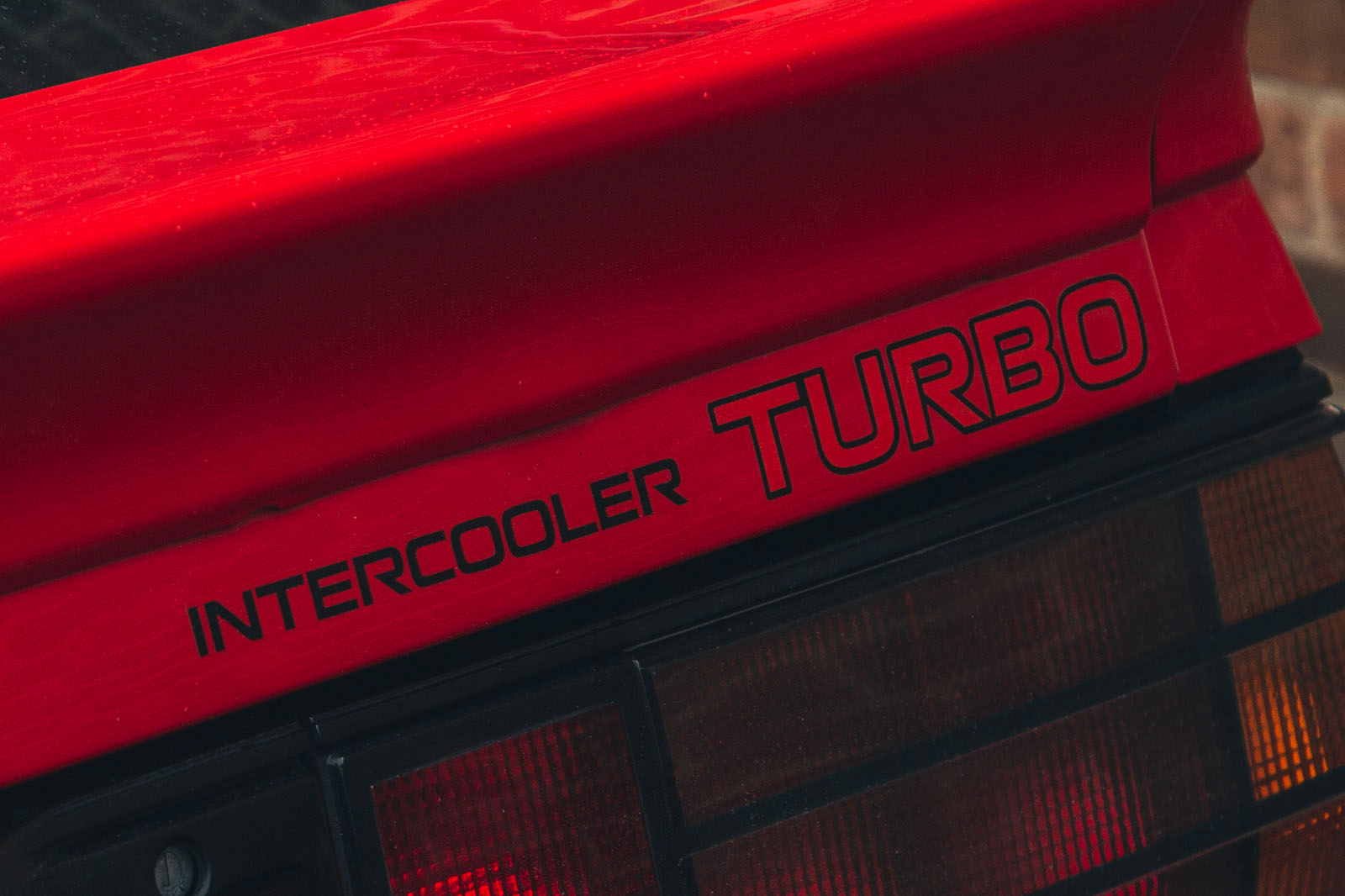
I spotted a badge on the back of a new car the other day that took me right back to the good old days, when car manufacturers assumed that owners cared enough about the technology in their products that they would actually advertise it a bit. Two badges, actually, both wonderfully incomprehensible.
The Denza Bao 5, newly arrived in Britain, is a tough-looking, Chinese-made, plug-in hybrid 4×4. I would hesitate to call it an SUV, because it’s clearly intended to actually go off road and looks a bit like a discount-shop G-Wagen. There’s lots about it that might make you smile, but nothing better, for me, than two badges on its barn-door tailgate that proudly read ‘DiSus-P’ and ‘DMO’. Erm, yerrwhat?
Those rather ambitious initialisms are references to the Bao 5’s active hydraulic suspension system and its hybrid-specific ‘Dual Mode Offroad’ platform respectively. And I reckon the average dog walker who spots one of these cars on a Sunday morning would have about as much chance of guessing that as their Norwegian Lundehund might of digging up the Ark of the Covenant on Greenham Common.
When was the last time you saw such a bizarrely obscure badge on a car? There was, fairly recently, the Renault Kadjar Bose Edition, which actually managed to use the specification of its stereo as its derivative identity, with Bose badges on its wings and everything. I mean, you won’t believe it: this Renault has stereo speakers. My ghast is truly flabbered.
But that’s not really technical enough to count on this score. This took me back to my old man’s dubious lineage of Rover 800 company cars, which at the turn of the 1990s introduced me to both ‘Catalyst’ and ’16v’ boot badges (phwoar, etc).
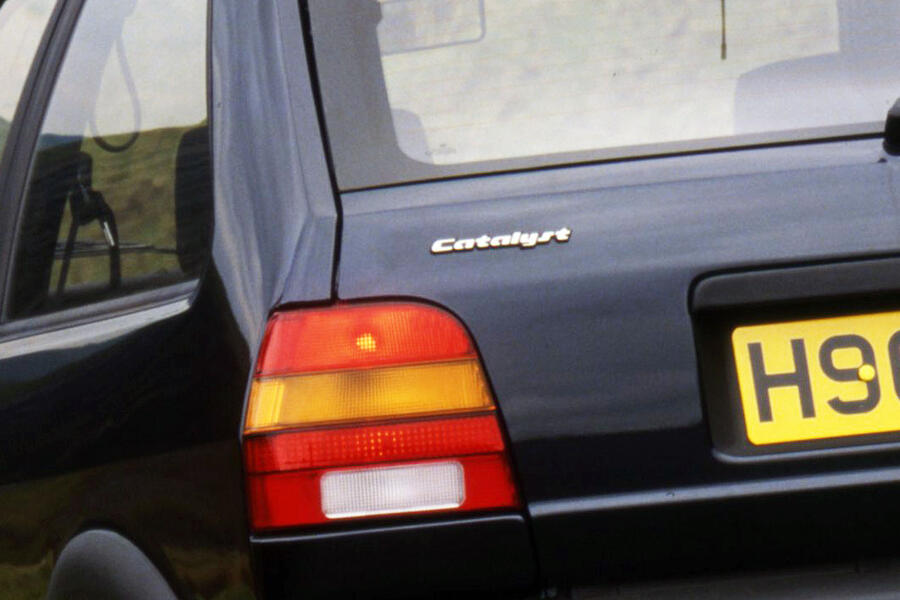
The catalyst thing I remember quite clearly across all sorts of stuff. Google tells me it appeared, either as a badge or a decal, on Volkswagen Polos and Ferrari 328s.
To us today, it would seern about as banal as putting WHEELS!’ on a boot badge and then expecting customers to point, coo and go all weak at the knees. But at least it was evidence that car makers expected car buyers to speak roughly the same technical vernacular as them; to have an interest.