
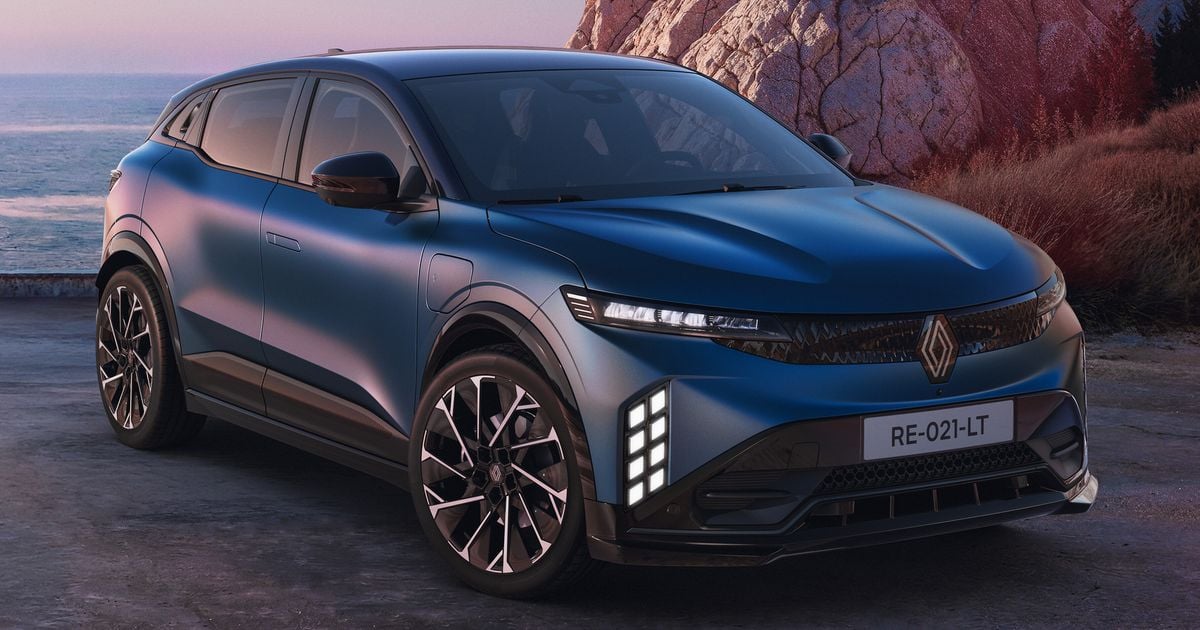
The Renault Megane E-Tech kicked off the brand’s EV renaissance, and it’s the first model in the current electric range to be significantly updated.
As is often the case, the biggest visual changes occur up front. In this case there’s a new, more sculpted bonnet, a deeper fake grille between the headlights, and a more aggressive front bumper that’s marked out by a set of checkerboard LEDs at the corners.
Looking for your next car? We’ll help you research and compare so you choose with confidence.
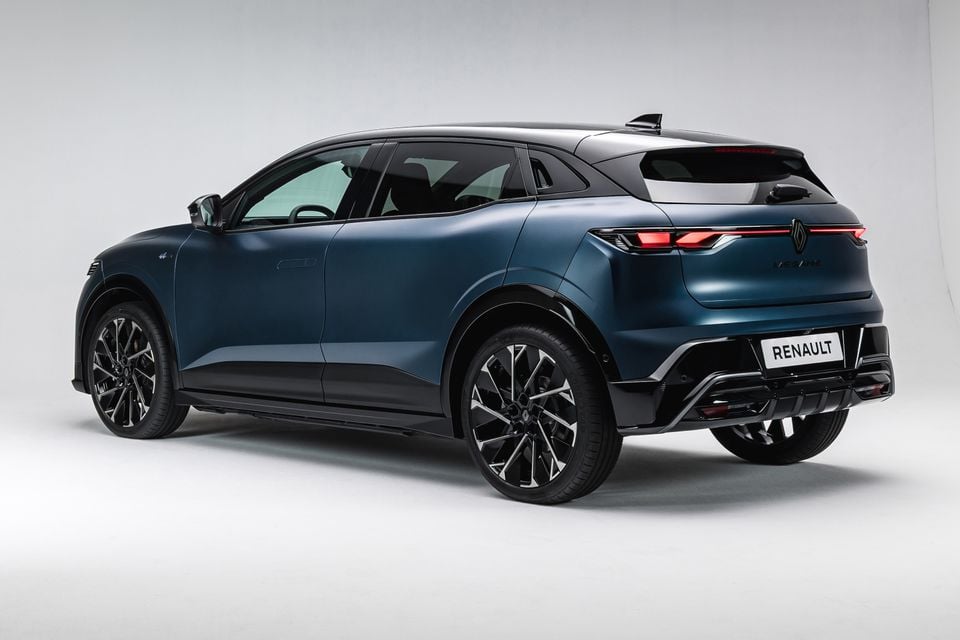
Out the back, the full-width lighting strip now has an exposed 3D look, while the rear diffuser element has a sportier design.
The Megane sits 20mm higher to accommodate the new 67kWh battery pack (up 7kWh). The battery now utilises lithium iron phosphate (LFP) chemistry and a cell-to-pack design, and has a claimed WLTP range of up to 500km, an improvement of 46km over today’s car.
On top of that, the maximum DC fast charging rate has been increased 35kW to 165kW. The car supports bi-directional AC charging at up to 11kW as standard, and up to 22kW optionally.
In vehicle-to-load mode the Megane can power regular 220V appliances at up to 3.7kW, while in vehicle-to-grid mode the car can feed energy back into grid when required.
The Megane now supports one-pedal driving, and has a heat pump and battery pre-conditioning as standard. One part of the drivetrain that hasn’t been changed is the motor driving the front wheels, which still generates 160kW and 300Nm.
Interestingly, the updated Megane is a little slower in the 0-100km/h sprint, and now required 7.6 seconds, up 0.2 seconds.
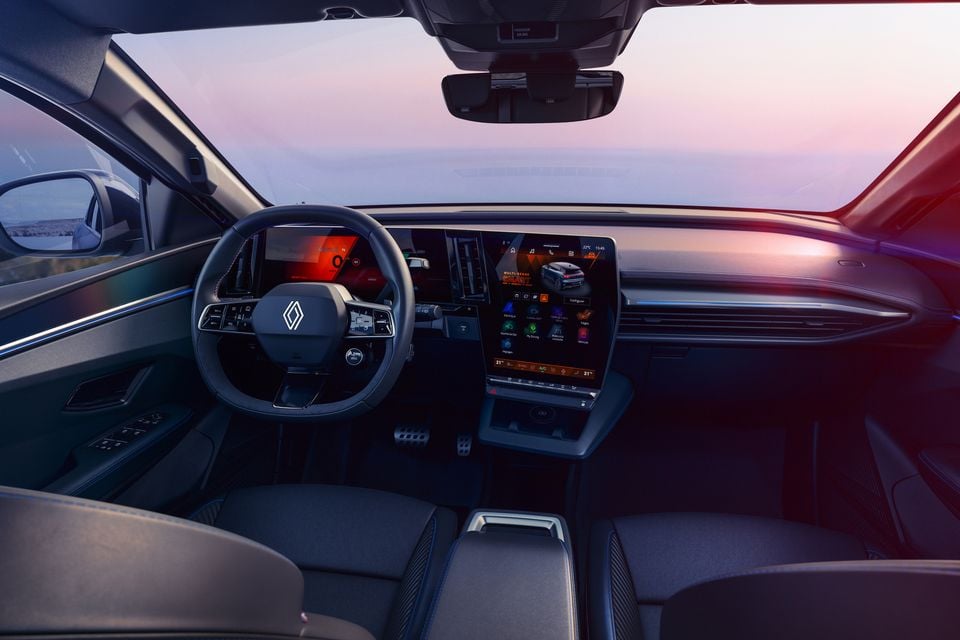
All variants now come with a 12.3-inch instrumentation display, and a 12.0-inch infotainment touchscreen. The current car’s 9.0-inch touchscreen has been consigned to history. The infotainment system now features the OpenR setup, which is built on the Google Automotive operating system, and includes Google Maps, the Gemini AI assistant, and the Google Play app store.
The camera built into the A-pillar to monitor driver fatigue can be setup to recognise drivers, and configured to automatically set the seats, media and infotainment settings to their liking.
If the Megane is set into Smart mode, it will automatically shift between the Eco, Comfort and Sport drivetrain settings depending on driver behaviour.
Other updates include a wireless smartphone charger that’s compatible with the faster Qi2 standard.
Some of the car’s safety aids have been upgraded. This includes the adaptive cruise control system that can now detect vehicles to the left and right, and an improved realistic in-dash view of lane markings and surrounding vehicles. The Megane can also automatically bring itself to a safe stop if the driver is detected as being inactive without their hands on the wheel.
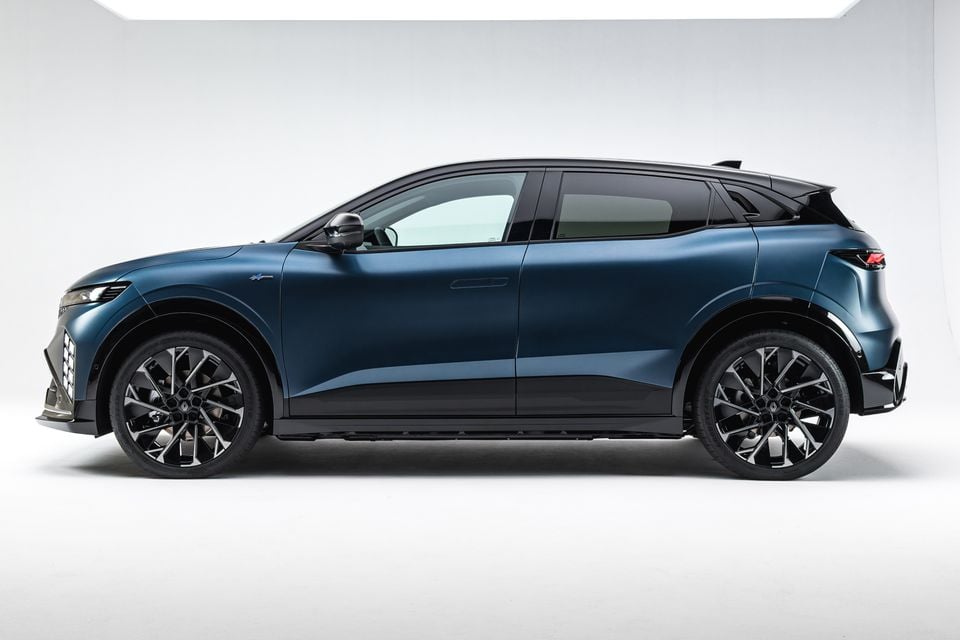
In Europe the range has been simplified to just two trims: Techno and Esprit Alpine. The Techno comes with new-look 19-inch wheels, and a higher quality finish for the dashboard.
Step up to the Esprit Alpine, and the car gains redesigned 20-inch alloy wheels, a sportier look, massaging seats, a Harman Kardon sound system, and a full suite of driver assistance features.