
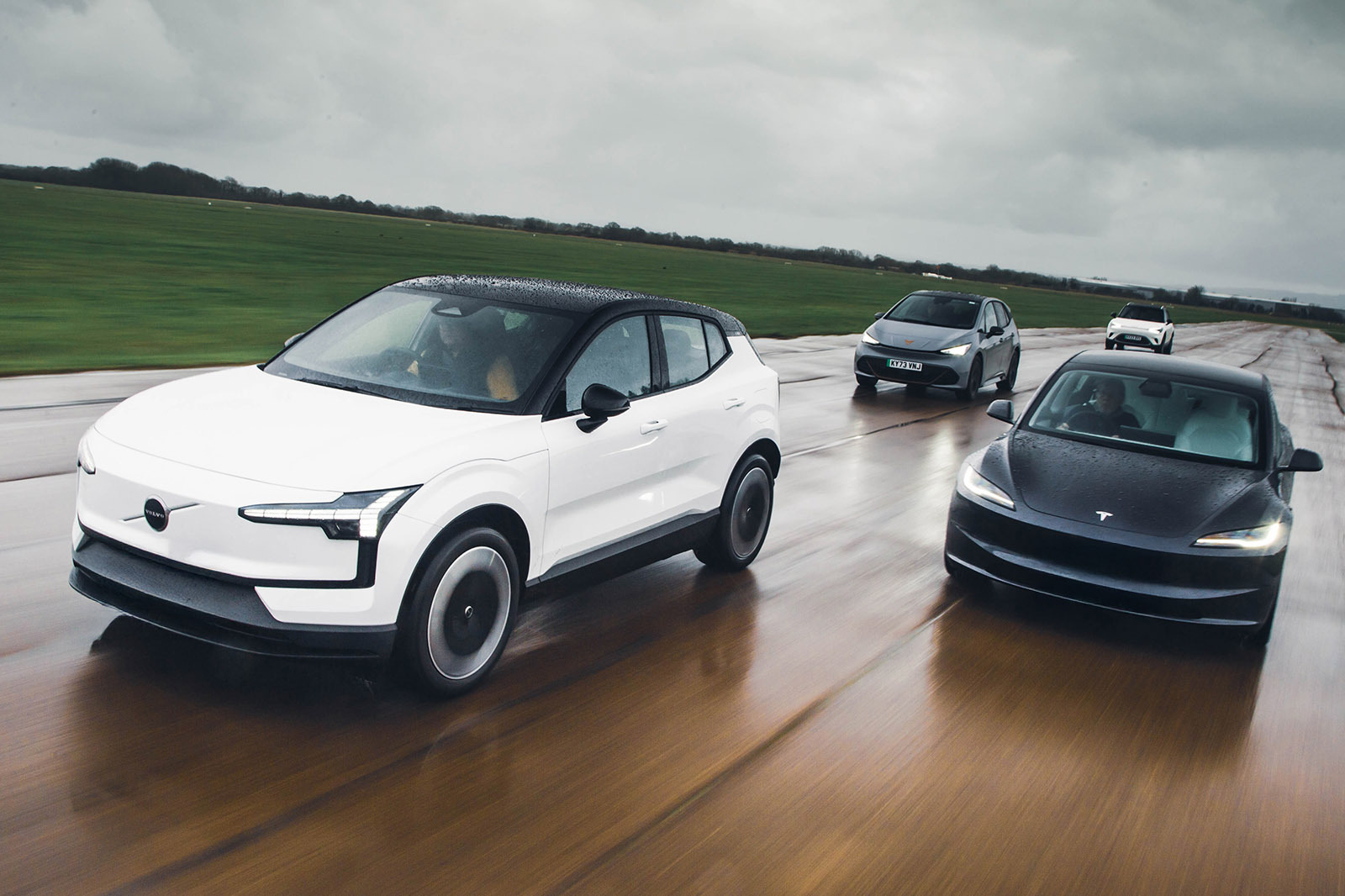
Unclear regulations are hampering fleets’ appetite for electric cars, a new survey has revealed.
One in nine (11%) UK businesses are now forecasting a permanent role for petrol or diesel on company car fleets, and there are signs that sustainability is becoming less influential during procurement.
Leasing firm Alphabet’s 2026 European Fleet Emission Monitor report shows only half (50%) of the region’s operators are now factoring sustainability into their fleet planning.
That’s the lowest level since the annual study began in 2023, with 60% claiming regulatory uncertainty was impacting their decision-making.
The results closely follow the European Union’s softening of its 2021-2035 CO2 reduction target for new cars and vans from 100% to 90% (versus a 2021 baseline), with the remaining 10% compensated by low-carbon steel and alternative fuels.
That’s a significant change, giving hybrid and combustion-engined vehicles a longer lifespan in showrooms instead of effectively phasing them out within a decade.
Although the UK hasn’t followed suit, the political backdrop for fleet decision-makers is no less confusing.
Generous tax breaks have made fleets an important early market for EVs, which now account for almost half of all business-leased cars in the UK, according to the British Vehicle Rental and Leasing Association (BVRLA).
According to the survey, 84% of UK operators expect to be all-electric by 2035, with 32% expecting to reach that goal within the next two years.
However, this meant fleets were disproportionately affected by last year’s changes to vehicle excise duty (VED), uncertainty about the Expensive Car Supplement and the proposed pay-per-mile tax for EVs and plug-in hybrids – which Alphabet believes risks massive operational complexity when it goes live in April 2028.
The government is also poised to soften its Zero Emission Vehicle (ZEV) mandate, which requires manufacturers sell a progressively larger share of zero-emission vehicles each year.
Although Alphabet’s data shows UK fleets were more likely to say sustainability was part of their fleet planning than their counterparts across the rest of Europe, that share had fallen from 76% in 2025 to 68% this year, while one in five (21%, up from 19% a year ago) don’t consider it at all.
Charging infrastructure (37% of fleets), range (32%) and pushback from employees (11%) ranked as the biggest bottlenecks when deploying EVs, while just over half (53%) said they were insufficiently informed about electric options and less than a third (32%) claimed they were aware of the available financial support.
Jesper Lyndberg, CEO of Alphabet International, said: “This year’s survey shows that the will to act remains strong, but the confidence to do so has weakened. Regulatory uncertainty is now the biggest factor influencing fleet decisions across Europe, driving responses that range from bold acceleration to cautious hesitation.
“The organisations that will succeed are those that stop waiting for clarity and start building the right foundations today, with accurate data, effective tools and solid structures. True clarity doesn’t come from outside; it’s something you build yourself.”