
When Volkswagen takes credit for pioneering the hot hatchback, it overlooks the Autobianchi A112 Abarth. Admittedly, the A112 was easy to miss due to its small dimensions. It was introduced in September of 1971 (before anyone knew what a Golf was) as a hotter version of Autobianchi’s successful small car. Early models used a 58hp four-cylinder engine, though power climbed to 70bhp later in the production run.
So what happened to Autobianchi?
The company was a joint venture between bicycle-maker Bianchi, Pirelli, and Fiat. Fiat took full control in 1968, and then folded the operation into Lancia. The badge disappeared in 1995.
Auto-Union: 1000 SP (1957)
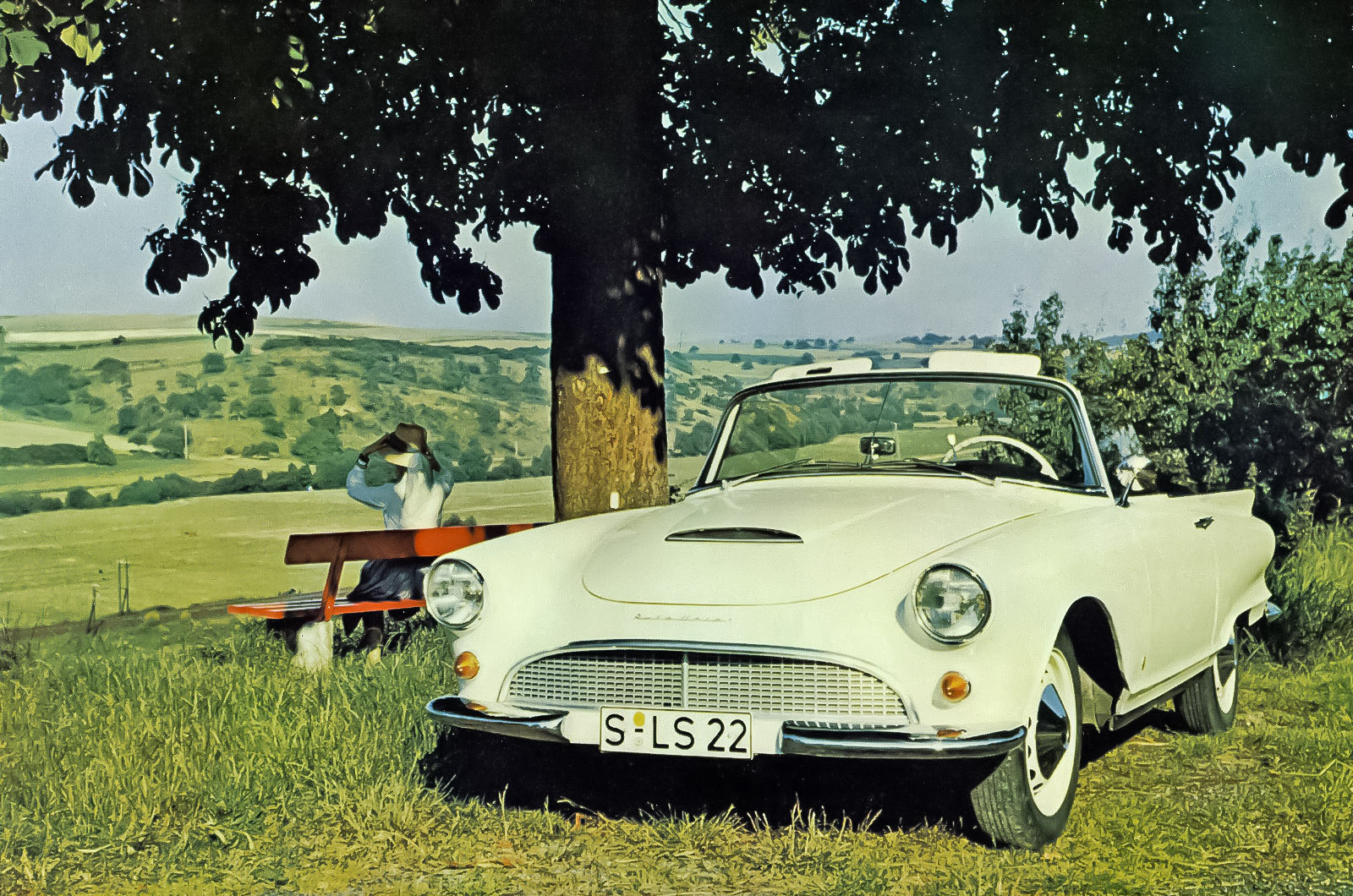
Visually, there was little to suggest the Auto-Union 1000 SP was related to the standard 1000. And yet, the SP shared its basic two-stroke, three-cylinder engine with the 1000, though there were some model-specific differences. Stuttgart-based coachbuilder Baur made about 5000 units of the 1000 SP between 1958 and 1965. It also built around 1640 examples of a 1000 SP-based convertible starting in 1961.
So what happened to Auto-Union?
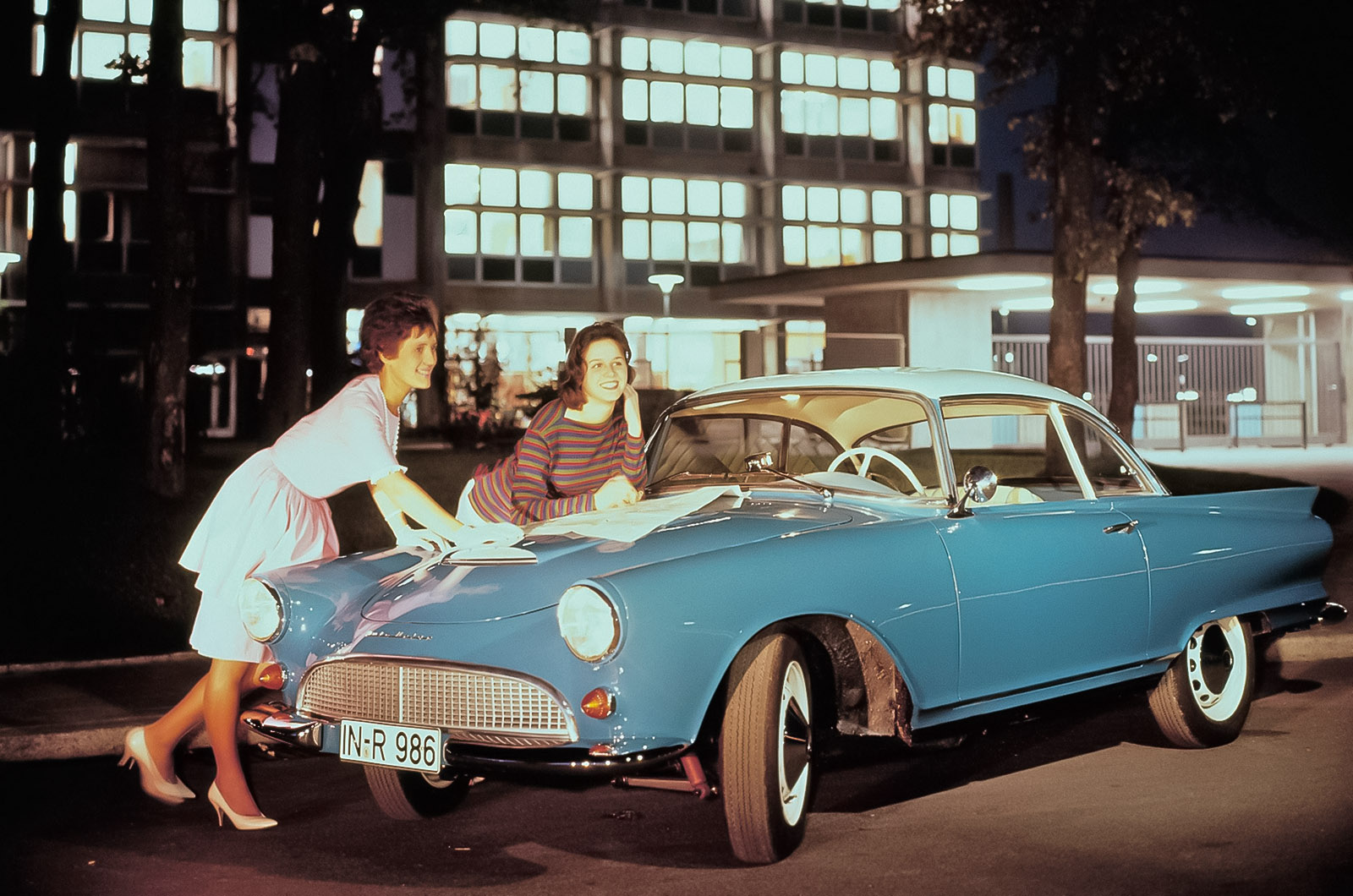
Auto-Union merged with NSU in 1969, and both were absorbed by Volkswagen shortly after. Audi was born from the merger. While both brands are dormant today, Audi still builds cars like the A6 in Neckarsulm, where NSU was based, and Volkswagen manufactures cars in Zwickau, where Auto-Union traces some of its roots to (and where the Trabant was made).
Daimler: SP250/Dart (1959)
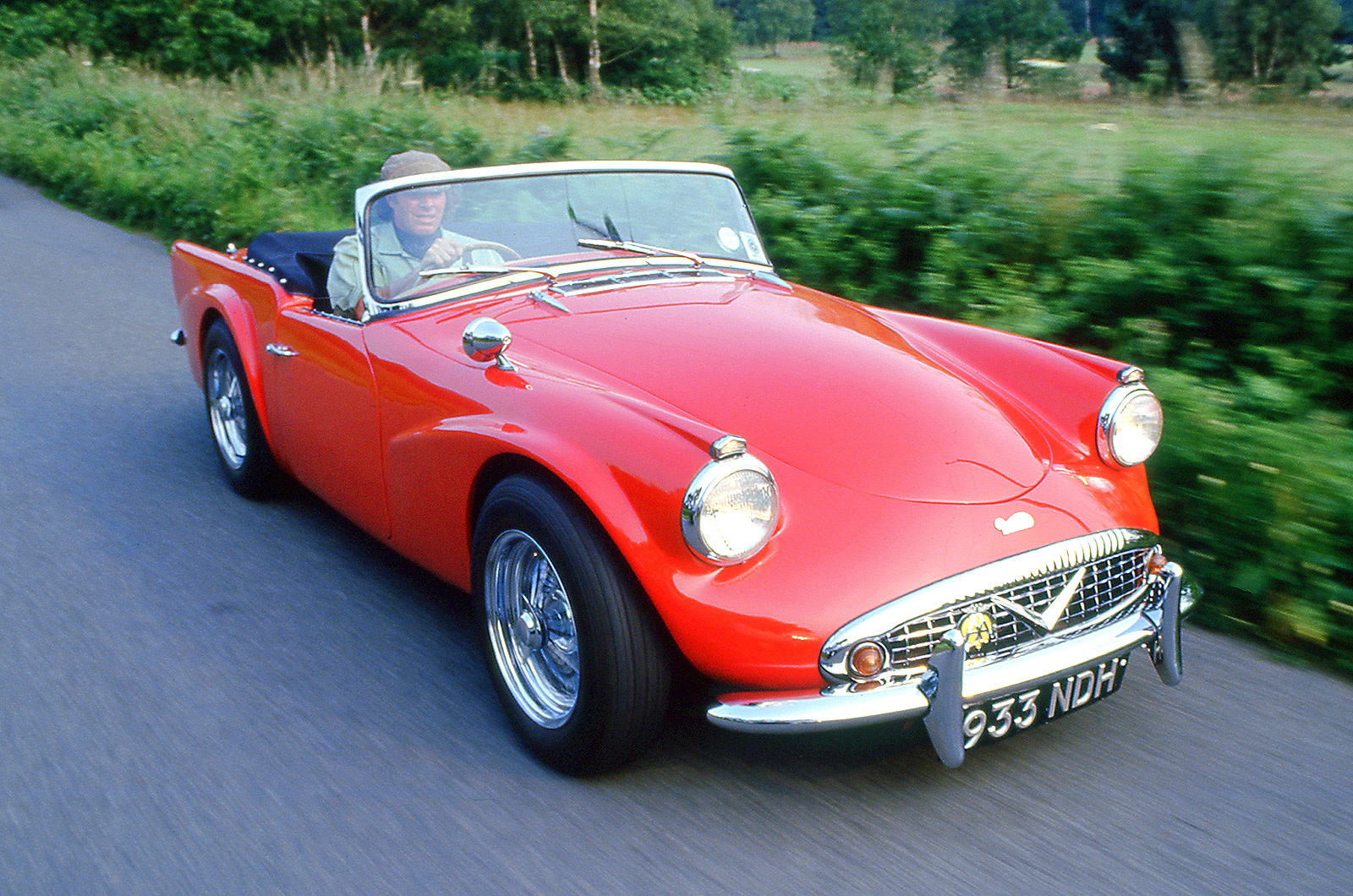
Once a supplier of cars to royalty, Daimler grew out of the German company, but soon built its own models. The SP250’s engine had an interesting configuration; while being only a 2.5-litre, it was a V8. Elegant but interesting to look at, it was a spirited drive, good for 120mph, and determinedly different from its stately predecessors. It was famously used to police speeds on Britain’s first motorway, the M1.
So what happened to Daimler?
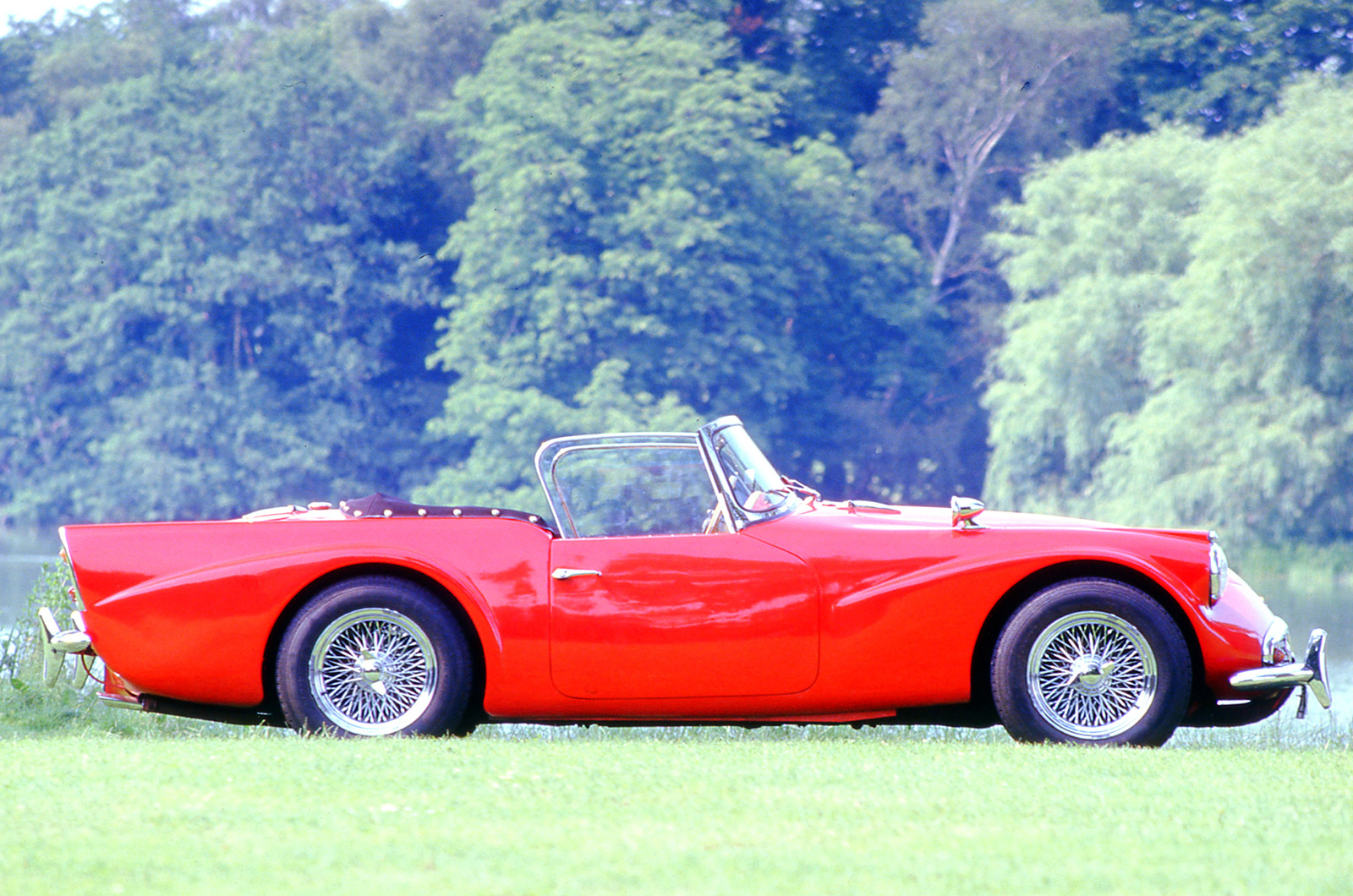
The company was sold to Jaguar in 1960, its cars eventually becoming badge-engineered Jaguar derivatives. The brand disappeared in 2007, though Jaguar still has the right to use the name in many markets, though given Daimler is now also the name of the heavy trucks arm of Mercedes-Benz (it’s complicated…), this seems unlikely.