
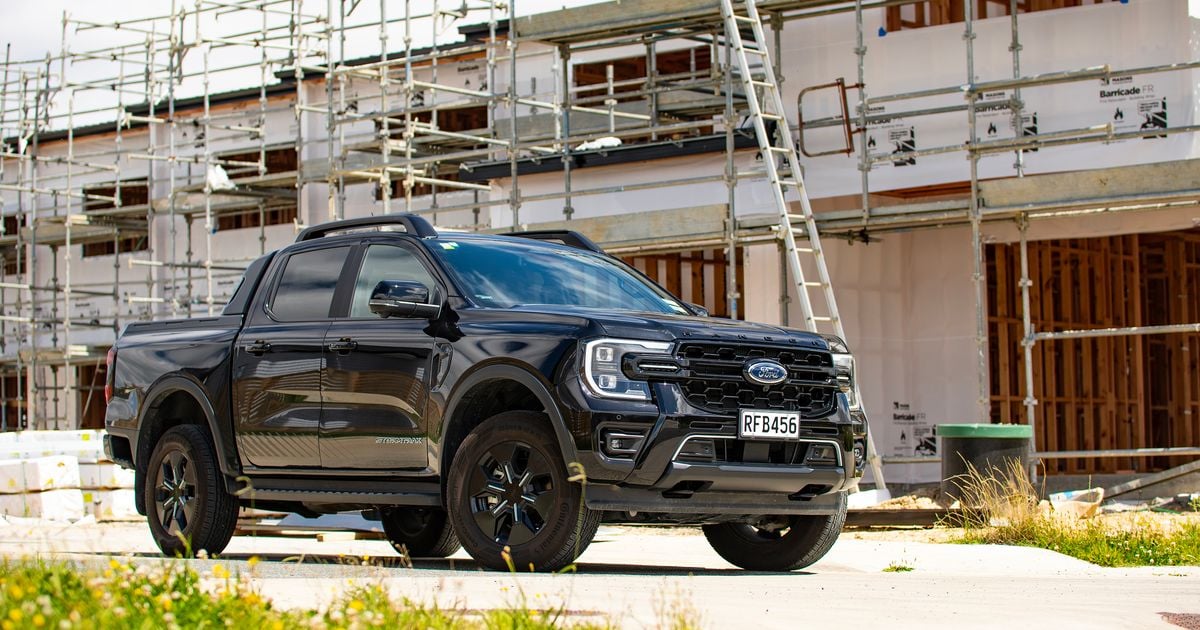
Those eagerly anticipating a fully electric version of Australia’s most popular vehicle, the Ford Ranger ute, should not hold their breath.
Speaking to media at the launch of the MY2026.50 Ranger and Everest, Ford confirmed that while it is evaluating the prospects of an all-electric Ranger, current EV technology – and customer demand – is not sufficient enough to justify the move.
The notion of a pure-electric Ranger was once considered to be just around the corner, following the launch of the now-discontinued F-150 Lightning EV in the US several years ago, the trademarking of the ‘Ranger Lightning’ moniker overseas, and the launch of the plug-in Ranger Hybrid lineup in Australia last year.
Looking for your next car? We’ll help you research and compare so you choose with confidence.
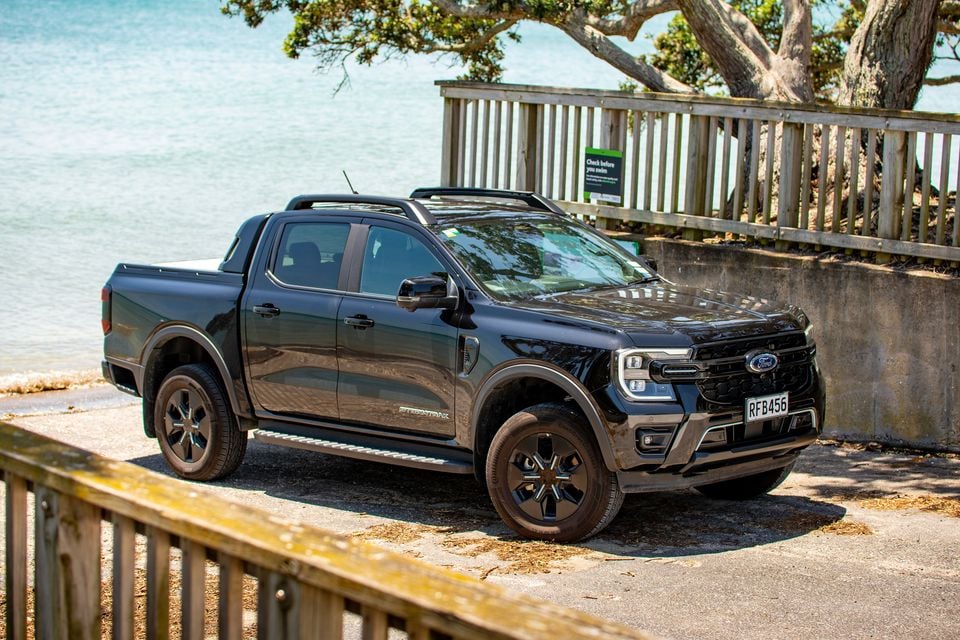
But Ford Australia’s vehicle program director for the T6 ‘Global Truck’ platform that underpins the Ranger, Everest and Volkswagen Amarok, Mario Brandini, said that while Ford is “looking at everything” when it comes to powertrains, EV technology is not currently able to do what a diesel or plug-in hybrid powertrain can do.
“You could [make a Ranger EV] if the technology allowed it to deliver the capability we’re looking for,” he said.
“At the moment, I would say full EV in terms of what this type of vehicle can do, if you want to deliver that capability, the laws of physics… you can’t get there. But, that doesn’t mean you can’t in the future.
“We’re looking at technology and where it’s going and what it can offer, and can it offer something back to the customer that they use. At the end of the day it’s a business equation. We need to make sure that where the technology is going, can it deliver what the customer is looking for.
“We are out with our customers, with our fleets, [asking] what do you need, what do you want, and how can technology close that gap.”
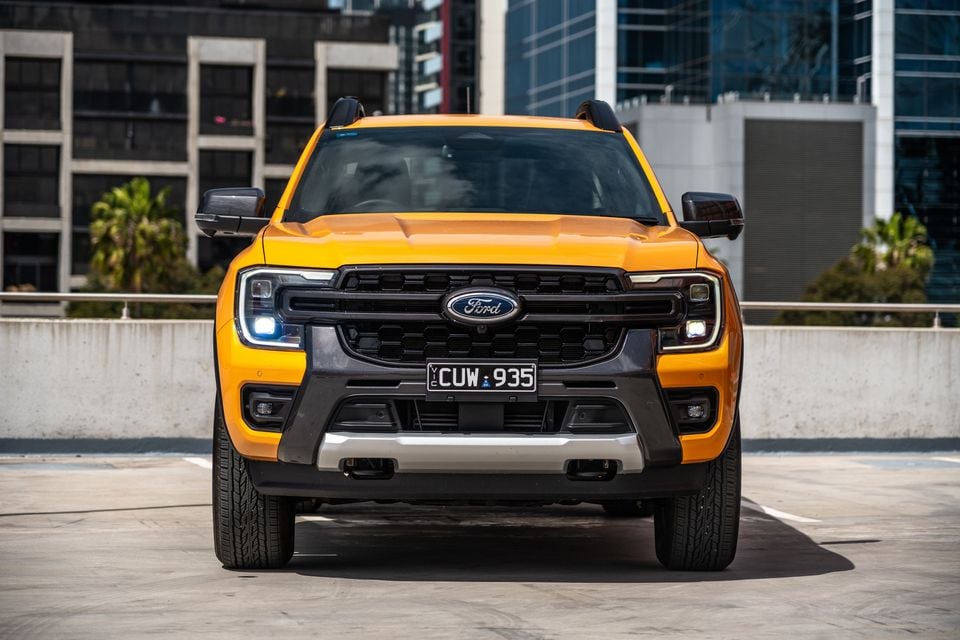
Ford Australia director of marketing Ambrose Henderson added that Australia’s lack of EV charging infrastructure also undermines the chances of a fully electric Ranger.
“The plans that we work on are based on what these customers do. And when you think about what these customers do and the infrastructure that’s available around Australia, there’s not a point yet where a full [Ford] BEV is going to be delivered for these customers,” he said.
“In the market there’s lots of headlines around the surge in EVs and that sort of thing, but when you look into it the surge in EVs is coming from small and medium SUVs where they don’t require the capability, because that’s the level EV technology is at these days. You can deliver in that space.
“But when you’re towing 3.5 tonnes, it’s not at that level. Nor is there the infrastructure around Australia to deliver at that level yet. I think it’s really important that we focus on what the customer needs – not just wants but needs – in the Australian environment. And we’re focused on delivering.”
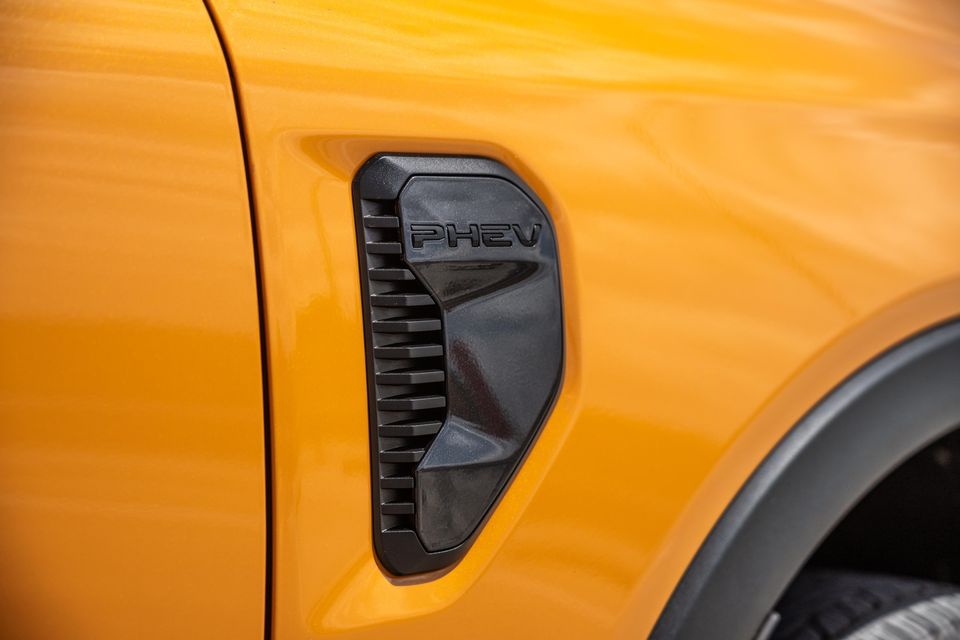
While there are a number of plug-in hybrid utes available in Australia, so far only two electric utes have been released Down Under – the slow-selling LDV eT60 and the new KGM Musso EV, which is based on a car-like unibody construction rather than a rugged ladder frame.
The traditional body-on-frame Toyota HiLux BEV is arriving in local showrooms shortly, while MG has confirmed the U9 EV, a twin to the LDV eTerron 9, for a local launch. However, it hasn’t confirmed release timing.
Likewise, the Isuzu D-Max EV was confirmed for Australia back in 2024, but the Japanese brand has yet to confirm local launch timing.